- Why the Best Cold Plunge Tub with Chiller is the Ultimate Recovery Upgrade
- Consistency and Precision in Cold Water Immersion
- The Mechanics of Chillers: Water Circulation Pumps and Ice Machines
- Why a High-Quality Water Circulation Pump for Cold Plunge Matters
- Hygiene and Maintenance: How to Keep Your Cold Plunge Water Clean
- The Best Way to Keep Water Clean in a Cold Plunge Tub
- Affordable Cold Plunge with Chiller: Balancing Cost and Performance
- DIY vs. All-in-One: Finding Your Best Value Cold Plunge
- The Importance of Insulation: Best Insulated Cold Plunge Tub Features
- Maximizing Thermal Retention to Save Energy
- Common Mistakes When Setting Up Your First Chiller System
- Plumbing Pitfalls: From Flexible Pipes to Pump Prime
- Expert Perspective: Bio-Mechanical Synergy and Precise Dosage
- Frequently Asked Questions
Why the Best Cold Plunge Tub with Chiller is the Ultimate Recovery Upgrade
Transitioning from manual ice baths to an automated system is the single most significant jump a recovery enthusiast can make. While dumping bags of ice into a tub works for a one-off session, the logistical friction of buying, transporting, and melting hundreds of pounds of ice often leads to a neglected routine.
A dedicated chiller system transforms the cold plunge from a weekend chore into a daily habit. By removing the “ice barrier,” you ensure that the physiological benefits of cold exposure are accessible at the touch of a button, regardless of your schedule or the local grocery store’s stock.
Consistency and Precision in Cold Water Immersion
The primary limitation of ice is the lack of thermostatic control. When you dump ice into a tub, the temperature fluctuates wildly as the ice melts, often leaving you with a lukewarm soak that fails to trigger the desired metabolic response. A high-quality chiller allows you to set a specific target temperature, such as 45°F, and maintain it within a single degree of accuracy for hours.
This precision is vital for those following specific protocols. If your goal is to stimulate brown adipose tissue or increase norepinephrine levels, dropping the temperature even five degrees too low can lead to unnecessary shivering, while five degrees too high might negate the hormetic stress response entirely.
From a financial perspective, the initial investment in a chiller pays for itself surprisingly quickly. If you plunge three times a week and use four bags of ice per session at $3.00 each, you are spending nearly $150 a month on ice alone. In contrast, most modern 1/2 HP chillers consume less electricity than a standard refrigerator, making the long-term cost of operation significantly lower than manual cooling.
The Mechanics of Chillers: Water Circulation Pumps and Ice Machines
Understanding the internal hardware of your setup is the difference between a system that lasts a decade and one that fails after a single season. The heart of the system is the heat exchanger, which pulls warmth out of the water and exhausts it into the surrounding air, but the efficiency of this process relies entirely on how well the water moves.
To achieve uniform cooling, you need a high-performance water circulation pump for cold plunge setups. Without adequate movement, the water immediately surrounding your body will warm up, creating a “thermal layer” that acts as insulation. A pump with a high GPM (gallons per minute) rating breaks this layer, ensuring that every inch of your skin is in contact with fresh, chilled water.
| Feature | Manual Ice Cooling | Active Chiller System |
|---|---|---|
| Temperature Stability | Fluctuates as ice melts | Thermostatically controlled precision |
| Labor Intensity | High (buying, hauling, dumping ice) | Zero (automated cooling) |
| Water Hygiene | Stagnant water; requires frequent drainage | Continuous filtration and sanitation |
| Operating Cost | $10-$20 per session | Pennies in electricity per day |
Why a High-Quality Water Circulation Pump for Cold Plunge Matters
The best cold plunge pump serves two masters: the chiller and the filter. If the pump is too weak, the water won’t stay in the chiller’s heat exchanger long enough to cool efficiently, or worse, it won’t have the pressure required to push water through a fine-mesh micron filter. A pump capable of moving 500 to 1000 gallons per hour is typically the sweet spot for a standard 100-gallon tub.
Effective circulation also prevents the development of “warm spots” in the corners of the tub. By strategically placing the inlet and outlet valves, you create a vortex that ensures no water remains stagnant. This movement is also what allows the sanitation system—whether it be UV or Ozone—to treat 100% of the water volume multiple times per hour.
Hygiene and Maintenance: How to Keep Your Cold Plunge Water Clean
A common mistake beginners make is assuming that cold water stays clean longer than warm water. While cold inhibits some bacterial growth, it does not stop it entirely. Without a robust maintenance plan, your recovery sanctuary can quickly become a breeding ground for biofilm and contaminants.
Managing water chemistry in a cold environment requires a different approach than a hot tub. Because cold water is denser, particulates tend to settle faster, making a high-quality filtration system essential for maintaining clarity.
- Shower before you plunge: Removing body oils and sweat significantly extends the life of your filter.
- Check the filter weekly: Rinse out large debris and replace the cartridge if you notice a drop in water pressure.
- Test the pH levels: Keep your water between 7.2 and 7.6 to prevent corrosion of the chiller’s internal components.
- Utilize non-chemical oxidizers: Ozone generators or UV-C lights break down organic matter without the skin irritation of chlorine.
The Best Way to Keep Water Clean in a Cold Plunge Tub
The foundation of clean water is the best water filter for cold plunge systems, specifically those rated for 5 to 20 microns. A 20-micron filter will catch hair and skin cells, but a 5-micron filter is necessary to trap fine silt and microscopic particles that cause cloudiness. For the best results, many professionals use a dual-stage setup where water passes through a coarse screen before hitting the fine-mesh pleated filter.
Beyond mechanical filtration, you must address biological contaminants. If you aren’t using a portable cold plunge filter system with built-in sanitation, you should consider adding an ozone generator. Ozone is a powerful oxidizer that kills bacteria 3,000 times faster than chlorine and reverts back to pure oxygen, leaving no chemical residue on your skin after a soak.
Affordable Cold Plunge with Chiller: Balancing Cost and Performance
Entering the world of cold therapy doesn’t have to cost as much as a new car. While premium all-in-one acrylic units offer a “plug-and-play” experience, the best cold plunge for its value often involves a bit of DIY ingenuity. By sourcing components separately, you can build a professional-grade system for a fraction of the retail price.
One of the most cost-effective ways to manage plumbing is using a flexible pipe for cold plunge setups. Unlike rigid PVC, flexible braided tubing is resistant to cracking during the slight vibrations of the pump and is much easier to route around tight corners in a home gym or garage.
| System Type | Pros | Cons |
|---|---|---|
| All-in-One Unit | Sleek design, easy setup, integrated warranty. | High entry price ($5k+), difficult to repair. |
| DIY Stock Tank | Extremely durable, fully customizable, affordable. | Requires plumbing knowledge, poor insulation. |
| Inflatable Hybrid | Excellent insulation, portable, mid-range price. | Susceptible to punctures, looks less “premium.” |
DIY vs. All-in-One: Finding Your Best Value Cold Plunge
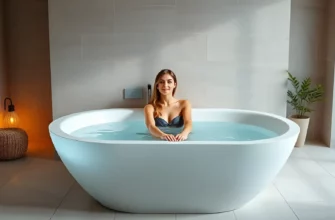
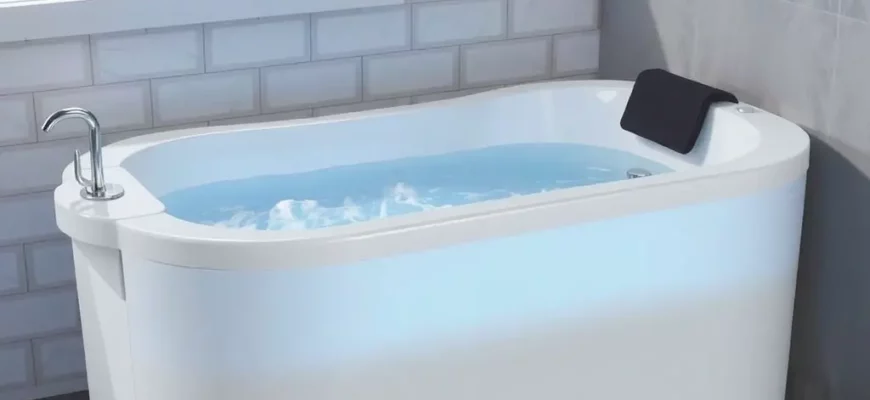
If you already have a tub at home, the bathtub cold plunge adapter is a revolutionary piece of hardware. These kits allow you to hook a chiller up to your existing bathroom fixture without permanent drilling. It uses a submersible pump and return hoses that hang over the side, making it the ultimate solution for apartment dwellers or renters who want elite recovery without a massive footprint.
For those building a dedicated setup, the choice between an inflatable tub and a hard-shell acrylic tub often comes down to energy efficiency. Inflatable tubs utilize “drop-stitch” technology, which creates thousands of tiny air pockets that provide incredible R-value insulation. This means your chiller doesn’t have to work nearly as hard to fight the ambient room temperature, saving you money on every utility bill.
The Importance of Insulation: Best Insulated Cold Plunge Tub Features
Insulation is the unsung hero of the cold plunge world. Without it, your chiller is in a constant battle with the laws of thermodynamics. If your tub is uninsulated, the water will absorb heat from the air and the floor, forcing the compressor to run 24/7. This not only spikes your electricity bill but also shortens the lifespan of the chiller motor by years.
The best insulated cold plunge tub designs focus on three areas: the walls, the floor, and the lid. Since heat rises, approximately 70% of temperature loss occurs through the surface of the water. A thick, locking thermal lid is mandatory if you want to keep your water at 40°F in a 75°F room.
Maximizing Thermal Retention to Save Energy
When selecting a tub, look for double-walled construction. In high-end acrylic models, the space between the walls is often filled with high-density spray foam. In DIY setups using stock tanks, many users wrap the exterior in reflective bubble insulation or foam board to achieve a similar effect.
Don’t ignore the floor. If your tub sits directly on a cold concrete garage floor, the ground will act as a giant heat sink. Placing your tub on a 3/4-inch rubber horse stall mat provides a thermal break and protects the bottom of the tub from abrasions. This simple addition can reduce the chiller’s “on-time” by as much as 15%, making it a highly energy efficient cooling strategy.
Common Mistakes When Setting Up Your First Chiller System
Setting up a chiller system for the first time is exciting, but a few small errors can lead to water damage or destroyed hardware. The most common technical failure is related to the pump’s “prime.” If you turn on a pump that has air trapped in the lines, the impeller can burn out in less than 60 seconds because it relies on water for cooling and lubrication.
Critical Safety Warning: Never operate a cold plunge chiller without a GFCI (Ground Fault Circuit Interrupter) outlet. Mixing water, a metal tub, and high-voltage electricity is a lethal combination if a short circuit occurs. Always test your GFCI reset button monthly to ensure it is functioning correctly.
Plumbing Pitfalls: From Flexible Pipes to Pump Prime
Another frequent error is using the wrong diameter for your flexible pipe for cold plunge connections. Most home chillers use 1/2-inch or 3/4-inch fittings. Using a hose that is too narrow creates massive backpressure, which reduces the flow rate and makes the pump run louder and hotter. Always match your tubing diameter to the largest outlet on your chiller to ensure unrestricted flow.
Finally, be mindful of the bathtub cold plunge adapter placement if you are using a home bathroom. If the return hose is positioned too close to the intake pump, you create a “short circuit” where the chiller only cools the water immediately around the sensors. Position the inlet and outlet at opposite ends of the tub to ensure the entire body of water is circulated and chilled evenly.
Expert Perspective: Bio-Mechanical Synergy and Precise Dosage
In my professional experience, I have found that the biggest mistake people make is treating a cold plunge like a test of toughness rather than a biological tool. Using a chiller isn’t just about convenience; it is about Precise Dosage. According to the Soeberg Principle, the metabolic benefits of cold exposure are maximized when you reach a specific threshold of discomfort without crossing into a state of panic. With a chiller, you can find your “minimum effective dose”—perhaps that is 48°F for you—and stay there consistently. This is impossible with ice, where the temperature is a moving target. I always advise my clients to focus on the bio-mechanical synergy: use the chiller to lock in a temperature that allows you to control your breath, as that is where the real neurological gains are made.
Frequently Asked Questions
For most home setups between 60 and 100 gallons, a 1/2 HP chiller is the standard. If you live in a tropical climate or plan to keep the tub outdoors in direct sunlight, upgrading to a 1 HP motor will ensure the water reaches target temperatures quickly and stays there.
How often should I change the filter in my cold plunge?
You should replace the micron filter every 2 to 4 weeks. This frequency depends heavily on your usage; if you plunge daily and don’t shower beforehand, the filter will clog with skin oils and debris much faster, reducing the efficiency of your chiller.
Can I use a standard pool pump for my cold plunge tub?
While a pool pump can move water, they are typically too loud and powerful for the small volume of a cold plunge. A dedicated water circulation pump for cold plunge is designed for lower GPM and near-silent operation, which is much better for a relaxing recovery environment.
Are portable cold plunge filter systems effective?
Yes, they are highly effective for DIY and inflatable setups. These systems provide the same level of water clarity as integrated high-end units, using pleated micron filters and often including a UV-C or Ozone stage to keep the water chemically balanced and clear.
Is an insulated tub really necessary if I have a powerful chiller?
Insulation is essential. Without it, your chiller will run significantly more often to combat heat gain, which leads to higher electricity costs and premature wear on the compressor. A well-insulated tub allows the chiller to stay off for hours at a time.
How do I connect a chiller to my existing bathtub?
The most efficient way is to use a bathtub cold plunge adapter kit. This setup typically involves a submersible pump placed in the tub that sends water through hoses to the chiller and back over the tub rim, requiring no permanent modifications to your plumbing.