- Understanding the Science: How to Sew a Weighted Blanket for Better Sleep
- Why DIY? The Benefits of Custom Weight and Fabric
- The Math of Comfort: Calculating Weights for Kids and Adults
- Weight Charts for Toddlers, Children, and Adults
- Choosing Your Filling: Glass Beads vs․ Household Substitutes
- The Best Fillers for Washability and Cooling
- Step-by-Step Tutorial: How to Sew a Weighted Blanket with Pellets
- Preparing Your Fabric: From Minky to Denim
- No-Sew Alternatives: Easy Methods for Non-Sewers
- The Fleece Tie Method and Using Weighted Inserts
- Specialized Projects: Washable, Cooling, and Travel Versions
- Designing a Washable Weighted Blanket That Lasts
- Completing the Set: DIY Duvet Covers and Finishing Touches
- How to Make a Duvet Cover for a Weighted Blanket
- Common Mistakes to Avoid When Making Your First Blanket
- Expert Perspective: Sensory Crafting
- Frequently Asked Questions
Understanding the Science: How to Sew a Weighted Blanket for Better Sleep
Weighted blankets have transitioned from clinical occupational therapy tools to mainstream sleep essentials․ The underlying principle is Deep Touch Pressure (DTP), a form of sensory input that mimics the sensation of being hugged or held․ When your body feels this gentle, distributed pressure, it signals the nervous system to switch from “fight or flight” to “rest and digest․” This shift reduces cortisol levels and boosts the production of serotonin and melatonin, the hormones responsible for relaxation and sleep․
Making your own weighted blanket is more than just a craft project; it is a way to customize your sensory environment․ Commercial blankets often come in generic sizes and weights that might not align with your specific needs or aesthetic preferences․ By choosing your own materials, you can ensure the fabric feels perfect against your skin and the weight is distributed exactly where you need it most․ Whether you are managing anxiety, ADHD, or chronic insomnia, a DIY approach allows for a level of precision that retail options simply cannot match․
Why DIY? The Benefits of Custom Weight and Fabric
The primary advantage of sewing your own weighted blanket is the ability to tailor the weight to your exact body composition․ While the general rule is 10% of your body weight, some people find that 8% is more comfortable, while others prefer 12% for maximum grounding․ Always aim for a weight that feels secure but allows you to move freely underneath the covers․ If you are making a blanket for someone with sensory sensitivities, you can hand-pick fabrics like breathable bamboo, organic cotton, or ultra-soft minky to avoid irritating the skin․
Cost is another significant factor․ High-end weighted blankets can retail for hundreds of dollars, especially those using premium fillers like glass micro-beads․ By sourcing your own materials in bulk, you can often save between 40% and 60% compared to brand-name prices․ Furthermore, a DIY blanket is easier to repair; if a seam ever leaks, you know exactly how it was constructed and can fix it in minutes rather than discarding the entire item․
The Math of Comfort: Calculating Weights for Kids and Adults
Before you even touch your sewing machine, you must determine the total weight and dimensions of the project․ A common mistake is making the blanket too large․ Unlike a standard comforter, a weighted blanket should only cover the person, not drape over the sides of the bed․ If the blanket hangs off the edge, gravity will pull the weight down, causing the blanket to slide off the sleeper during the night․ Focus on covering the body from the shoulders to the feet for the most effective pressure therapy․
| User Weight | Blanket Weight Goal | Recommended Dimensions |
|---|---|---|
| 30 ― 50 lbs (Child) | 4, 5 lbs | 36″ x 48″ |
| 70 ― 100 lbs (Teen) | 8 — 10 lbs | 42″ x 54″ |
| 130 ― 170 lbs (Adult) | 15 lbs | 48″ x 72″ |
| 180 ― 220 lbs (Adult) | 20 lbs | 48″ x 72″ or 60″ x 80″ |
Weight Charts for Toddlers, Children, and Adults
Safety is the most critical aspect of calculating weight, especially for younger users․ For a 6-year-old weighing 50 pounds, a 5-pound or 6-pound blanket is usually the upper limit․ Never use a weighted blanket for infants or toddlers who cannot move the blanket off themselves, as this poses a significant suffocation risk․ For adults, the 10% plus one pound rule is a solid starting point, but you should also consider the size of the blanket․ A 20-pound blanket spread over a King-size bed feels much lighter than the same weight concentrated on a Twin-size surface․
When calculating the amount of filler needed for each pocket, divide the total weight of the filler by the number of grid squares in your design․ For example, if you have a 15-pound blanket with 60 squares, each square will require 0․25 pounds (or 4 ounces) of beads․ Use a digital kitchen scale to measure each portion exactly to ensure the weight distribution is perfectly even across the entire surface․ If one side is heavier than the other, the blanket will feel lopsided and may cause muscle strain over time․
Choosing Your Filling: Glass Beads vs․ Household Substitutes
The filler you choose dictates the blanket’s texture, sound, and temperature․ While there are many options available, they are not created equal in terms of durability or comfort․ Glass micro-beads are widely considered the gold standard because they are incredibly dense, meaning the blanket can be thinner while still being heavy․ They are also hypoallergenic and handle heat much better than plastic alternatives, making them ideal for hot sleepers who need a cooling effect․
| Filler Type | Pros | Cons |
|---|---|---|
| Glass Micro-beads | Quiet, cooling, high density, washable․ | More expensive than other options․ |
| Poly Pellets | Affordable, easy to find, durable․ | Bulky, can be noisy, retain more heat․ |
| Steel Shot Beads | Extremely heavy, very small․ | Harder to wash, can be noisy if not padded․ |
| Rice/Dried Beans | Very cheap, accessible․ | Not washable, attracts pests, can mold․ |
The Best Fillers for Washability and Cooling
If you plan on washing your blanket frequently, poly pellets or glass beads are your only real choices․ Poly pellets are small plastic beads that are safe for machine washing and drying on low heat․ However, because they are less dense than glass, you will need a higher volume of pellets to reach your target weight, which results in a bulkier, “puffy” blanket․ Avoid using organic materials like rice, corn, or beans if you intend for the blanket to last more than a few months․ These materials absorb moisture from the air and body sweat, eventually leading to bacterial growth or an unpleasant odor․
For those who struggle with overheating at night, glass beads paired with a natural fiber fabric like linen or bamboo are the best combination․ Glass doesn’t trap heat like plastic does, and its small size allows for better airflow through the quilting․ If you are on a strict budget and don’t care about washability, you can use aquarium gravel or clean sand, but be aware that sand can leak through standard needle holes unless you use a very tight weave fabric and a small stitch length․
Step-by-Step Tutorial: How to Sew a Weighted Blanket with Pellets
Sewing a weighted blanket requires patience and a heavy-duty sewing machine․ You aren’t just sewing fabric; you are managing a significant amount of weight as the project progresses․ Always use a high-quality polyester thread rather than cotton, as polyester has more “give” and is less likely to snap under the weight of the beads․ Before you begin, clear a large workspace—a dining table or a clean floor is better than a small sewing desk․
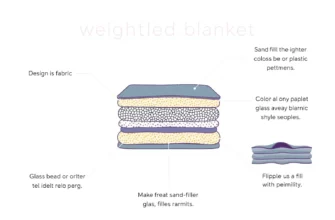
- Prepare and Cut Fabric: Cut two identical pieces of fabric to your desired dimensions, adding 2 inches to each side for seam allowances․
- Sew Three Sides: Place the right sides together and sew along the two long sides and one short side․ Reinforce these seams with a second row of stitching for extra security․
- Turn and Topstitch: Turn the fabric right-side out․ Topstitch along the edges you just sewed to create a professional finish and strengthen the perimeter․
- Mark Your Grid: Use a fabric marker to draw a grid on the blanket․ Common square sizes are 4×4 or 5×5 inches․
- Sew Vertical Channels: Sew along the vertical lines you drew, creating long “tubes” that run from the closed bottom to the open top․
- Fill the First Row: Drop the calculated amount of beads into each vertical channel․ Use a long funnel or a PVC pipe to ensure the beads reach the bottom without getting stuck in the seams․
- Sew Horizontal Line: Pin the beads down into their squares and sew across the first horizontal line to seal them in․ Use a zipper foot or a walking foot to get close to the beads without hitting them with your needle․
- Repeat: Continue filling and sewing row by row until you reach the top․
- Close the Top: Fold the raw edges of the open side inward and sew it shut with a double row of stitches․
Preparing Your Fabric: From Minky to Denim
The type of fabric you choose will determine the difficulty of the sew․ Minky is popular for its softness, but it is notorious for sliding and stretching․ If you use minky, generously use quilting clips or pins every inch to keep the layers from shifting․ On the other hand, denim or heavy canvas provides excellent durability and a “flat” feel, which many adults prefer․ However, denim can be very thick; make sure your machine can handle 4-6 layers of heavy fabric at the corners․
For a Twin or Queen size blanket, the weight becomes a logistical challenge halfway through the project․ As the blanket gets heavier, it will pull on the needle and throat of your machine․ Support the weight of the blanket on a chair or a second table next to your sewing station to prevent the fabric from dragging and distorting your stitches․ If you are using a standard domestic machine, a “walking foot” is an essential investment—it feeds the top and bottom layers of fabric through the machine at the same rate, preventing the dreaded “fabric creep․”
No-Sew Alternatives: Easy Methods for Non-Sewers
Not everyone has a sewing machine or the desire to spend ten hours measuring and stitching․ Fortunately, you can still reap the benefits of deep pressure therapy using no-sew methods․ The most popular approach is the fleece tie blanket․ By using two layers of heavy-weight fleece and creating small “pouches” with double knots, you can create a functional weighted blanket that is both cozy and incredibly durable․ This is an excellent project for children or as a gift for someone who appreciates a handmade, rustic look․
Another clever alternative involves using a pre-existing duvet cover and weighted “inserts․” You can buy or make small weighted lap pads and secure them inside the duvet cover using heavy-duty safety pins or fabric ties․ While this doesn’t offer the same seamless weight distribution as a quilted blanket, it is a fast and effective way to test if a weighted blanket works for you before committing to a full DIY project․ For those who need a very small sensory tool, such as a lap pad for school or work, a hot glue gun can be used to seal small fabric pouches filled with beads, though this method is not recommended for full-sized blankets due to the lack of structural integrity․
The Fleece Tie Method and Using Weighted Inserts
To make a weighted tie blanket, cut fringe along the edges of two fleece pieces․ Tie the fringes together on three sides․ To create the “pockets,” you can use fabric glue or simply tie small knots at regular intervals across the surface to hold the filler in place․ Insert the beads inside small snack-size Ziploc bags before placing them into the fleece pockets․ This prevents the beads from leaking through the knots and makes the blanket machine washable if you use plastic bags and poly pellets․
If you choose the hot glue method for a small sensory pad, be sure to use high-temperature glue sticks and allow the glue to cure for at least 24 hours before use․ This method is strictly for items that will not be laundered, as heat from a dryer will melt the glue and cause a massive mess․ For a more professional no-sew look, consider using iron-on hem tape, which creates a surprisingly strong bond when applied with a high-heat iron and plenty of steam․
Specialized Projects: Washable, Cooling, and Travel Versions
A high-quality weighted blanket should be designed with longevity in mind․ If you are making a blanket for daily use, washability is non-negotiable․ To ensure your blanket survives the agitator of a washing machine, you must use a tight stitch length (2․0mm to 2․5mm) and high-strength thread․ Double-stitching every single grid line might seem tedious, but it is the only way to prevent a single broken thread from turning your blanket into a bag of loose beads․
- Use 100% Cotton or Bamboo: These natural fibers allow heat to escape, keeping the user cool․
- Reinforce the Edges: Use bias tape or a heavy-duty binding to seal the outer edges․
- Choose Glass Beads: They don’t absorb water and dry much faster than plastic pellets․
- Check Your Machine’s Limit: Most home washers can handle up to 15-20 lbs․ Anything heavier requires a commercial machine at a laundromat․
Designing a Washable Weighted Blanket That Lasts
When designing for washability, consider making a “weighted insert” and a separate “duvet cover․” This allows you to wash the cover weekly while only washing the heavy (and difficult to dry) weighted part once or twice a year․ If you must wash the weighted portion, always air dry it or use the “air fluff” setting on your dryer․ High heat can damage the structure of the fabric fibers over time when they are under the tension of the weights․
For travel-sized versions, consider making a “weighted lap pad” instead of a full blanket․ These are typically 12″ x 18″ and weigh 3-5 pounds․ They are perfect for car rides, flights, or keeping on your lap during work to reduce stress․ Travel versions should always use glass beads to keep the profile as slim as possible, allowing them to fit easily into a carry-on bag or backpack․
Completing the Set: DIY Duvet Covers and Finishing Touches
A weighted blanket is an investment of time and materials, so protecting it with a cover is essential․ Because these blankets are so heavy, a standard duvet cover often fails; the blanket will bunch up in one corner, creating an uncomfortable lump․ To prevent this, your DIY cover must include at least eight internal ties (one in each corner and one in the middle of each side)․ These ties attach to loops sewn onto the weighted blanket itself, keeping the weight perfectly flat and distributed․
How to Make a Duvet Cover for a Weighted Blanket
You can easily make a custom cover using two flat bedsheets․ This is an excellent way to repurpose high-thread-count sheets that feel great against the skin․ Simply sew three sides together, add a long zipper or a series of buttons to the fourth side, and sew heavy-duty ribbon loops into the interior corners․ Match the ties on the cover to the loops on the blanket to ensure a secure fit․ If you’re making a blanket for a child, using a plush or “fidget” fabric for the cover can provide extra sensory input that helps with calming․
If you are working on a budget, you can even use two large pillowcases for a child-sized blanket or a small lap pad․ This saves you the trouble of finishing large seams and provides a ready-made “envelope” for your weighted insert․ Simply add some Velcro or a few buttons to the open end to keep the insert from sliding out during use․
Common Mistakes to Avoid When Making Your First Blanket
Even experienced sewists can run into trouble with weighted projects․ The most common pitfall is hitting a bead with the sewing machine needle․ This will almost always result in a snapped needle and can sometimes knock your machine’s timing out of alignment․ To avoid this, always shake the beads to the bottom of the pocket and use pins or a quilting foot to create a “no-fly zone” for your needle․ Take your time and sew slowly; this isn’t a race․
- Ignoring Fabric Grain: If you cut your fabric off-grain, the blanket will twist and warp after the first wash․
- Using Weak Thread: Cheap thread will disintegrate under the constant friction of the beads․
- Uneven Pockets: If your grid isn’t precise, the weight will shift, making the blanket less effective․
- Forgetting to Backstitch: Every time you start or stop a row, you must backstitch at least three times to lock the beads in place․
- Overloading the Machine: If your machine sounds like it’s struggling, stop․ You may need to sew the final closure by hand․
Making your first weighted blanket is a rewarding challenge․ It requires a blend of mathematical precision and creative flair․ Once you finish that final row of stitching and feel the calming weight of the blanket on your lap, you’ll realize that the effort was well worth the result․ Take it one square at a time, and you’ll create a high-quality sleep aid that lasts for years․
Expert Perspective: Sensory Crafting
In my professional experience as an Occupational Therapist, I have seen firsthand how a poorly constructed weighted blanket can do more harm than good․ I always advise my clients to prioritize breathability and weight safety above all else․ A blanket that traps too much heat can lead to night sweats and restless sleep, which defeats the purpose of the tool․ Furthermore, I cannot stress enough that for children with sensory processing disorders, the “texture” of the filler matters just as much as the weight․ Some children find the “crunchy” sound of poly pellets distracting, whereas glass beads provide a silent, fluid pressure that is much more soothing․ Always consult with a professional before introducing a weighted blanket to a child’s sleep routine to ensure it aligns with their specific developmental needs․
Frequently Asked Questions
Yes, but it is not recommended for long-term use․ Rice is a budget-friendly option but cannot be washed, and it may attract pests or mold if it becomes damp from sweat or humidity․
How do I calculate the weight for a child’s weighted blanket?
The standard rule is 10% of the child’s body weight plus one pound․ However, you should always consult a pediatrician for children under 5 or those with underlying respiratory or circulatory issues․
What is the best fabric for a cooling weighted blanket?
Natural, moisture-wicking fibers like 100% cotton, linen, or bamboo viscose are best․ When paired with glass beads, these fabrics allow for maximum airflow and heat dissipation․
Is it cheaper to make or buy a weighted blanket?
DIY is typically 30-50% cheaper, especially for high-quality glass bead blankets․ The main cost will be the filler, so buying beads in bulk is the best way to save money․
Can I wash a weighted blanket in a standard washing machine?
Most household washers can handle up to 15-20 lbs․ If your blanket exceeds this, or if your machine has a central agitator that might snag the fabric, use a commercial-grade washer at a laundromat․
How do I stop the beads from shifting to one side?
The key is a consistent quilting grid․ By sewing the blanket into small, individual squares (usually 4 to 5 inches) and sealing each one, the beads are forced to stay in place regardless of how much you move․