- The Big Question: Why Are Weighted Blankets Hot to Sleep With?
- Fill Material Matters: Plastic Pellets vs. Glass Beads
- Summer Sleep Solutions: Are Weighted Blankets Too Hot for Warm Weather?
- Can You Use a Weighted Blanket in the Summer Without Sweating?
- The Evolution of Cooling: Is There a Weighted Blanket That Keeps You Cool?
- Is a Bamboo Weighted Blanket Cooler Than Cotton?
- How to Not Overheat: A Practical Guide for Hot Sleepers
- Strategic Layering: Can You Use a Heated Blanket Over a Weighted Blanket?
- The Verdict: Are Heavier Weighted Blankets Naturally Hotter?
- Knitted vs. Stuffed: The Airflow Advantage
- Frequently Asked Questions
The Big Question: Why Are Weighted Blankets Hot to Sleep With?
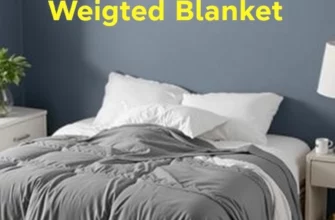
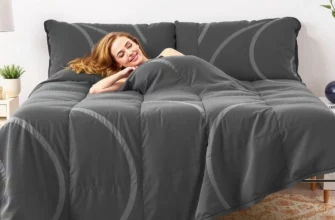
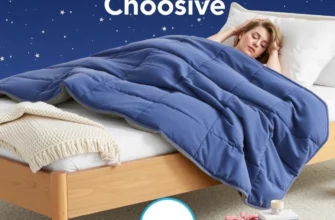
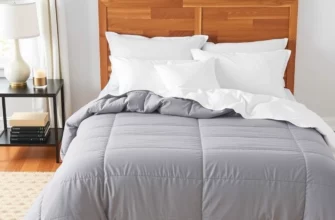
Many sleepers describe the initial sensation of a weighted blanket as a warm hug, but within twenty minutes, that hug can feel more like a thermal trap. The underlying reason for this “sauna effect” isn’t the weight itself, but the physics of thermal insulation found in traditional textile construction. Most standard weighted blankets rely on dense layers of polyester batting to keep the internal weights from shifting, creating a high-loft barrier that prevents your metabolic heat from escaping into the room.
When your body temperature naturally fluctuates during the night, a poorly ventilated blanket reflects that heat back toward your skin. This creates a feedback loop where your core temperature rises, triggering the sweat response. To avoid this, you must understand how the internal architecture of the blanket dictates the movement of air and moisture.
Fill Material Matters: Plastic Pellets vs. Glass Beads
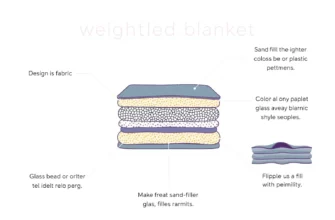
The internal filler is the most significant variable in determining whether a weighted blanket is hot to sleep under. Historically, manufacturers used plastic poly-pellets, which are bulky and have a high surface area that absorbs and holds onto ambient heat; Because these pellets are relatively large, they require thick layers of polyester “fiberfill” to provide cushioning, which acts as a heavy-duty insulator that blocks all meaningful air circulation.
In contrast, micro-glass beads are the superior choice for thermal regulation because they are significantly denser and smaller than plastic. Because they take up less physical volume, they require far less internal padding to keep them quiet and evenly distributed. This reduction in “fluff” allows the blanket to remain thinner and more conductive, meaning it draws heat away from your body rather than trapping it against your chest. If you are concerned about a weighted blanket being hot, always prioritize glass bead fills over plastic poly-pellets to ensure a lower thermal mass.
Summer Sleep Solutions: Are Weighted Blankets Too Hot for Warm Weather?
The misconception that weighted blankets are strictly for winter months stems from the early days of the industry when “minky” and fleece were the only available fabrics. In reality, the effectiveness of Deep Pressure Stimulation (DPS) is just as valuable in July as it is in December. The challenge lies in managing the microclimate between your skin and the fabric when the ambient room temperature is already elevated.
To use a weighted blanket successfully in the summer, you must treat your bed as a system. This involves managing humidity levels and utilizing the high thermal conductivity of specialized fabrics. When the air is humid, moisture-wicking becomes the most critical factor in preventing the “clammy” feeling that leads to disrupted sleep cycles.
Myth: Weighted blankets are too heavy to let air pass through them.
Fact: High-quality cooling models use open-weave structures or breathable plant-based fibers that promote more airflow than a standard down comforter.Myth: You have to turn your AC to 60 degrees to use a weighted blanket in summer.
Fact: By choosing a blanket with high thermal conductivity, such as bamboo or Tencel, you can maintain a comfortable core temperature even at a standard 72-degree room setting;
Can You Use a Weighted Blanket in the Summer Without Sweating?
It is entirely possible to enjoy the benefits of a weighted blanket in the summer, provided you make a few environmental adjustments. First, ensure your primary sheet layer is made of a breathable, natural fiber like percale cotton or linen. Avoid microfiber or high-thread-count sateen sheets, as these are tightly woven and will act as a secondary heat barrier under your weighted blanket.
Positioning a floor fan to blow across the surface of the bed can also drastically improve the performance of a cooling weighted blanket; The moving air helps to carry away the heat that the blanket’s conductive materials have pulled from your body. Additionally, using a lightweight, removable duvet cover made of bamboo allows you to wash away the salt and oils from sweat, which can eventually clog the fibers of your blanket and reduce its natural breathability.
The Evolution of Cooling: Is There a Weighted Blanket That Keeps You Cool?
Modern textile engineering has moved beyond simple cotton to create “active” cooling environments. While no fabric can generate “cold” without a power source, certain materials possess a high rate of thermal transfer, meaning they pull heat away from the skin instantly. This is often referred to as the “Q-max” value, which measures the cool-to-the-touch sensation when you first climb into bed.
Materials like Tencel (derived from eucalyptus) and bamboo viscose have revolutionized the industry. These fibers are naturally hydrophilic, meaning they are “water-loving.” They pull moisture into the core of the fiber and release it into the air, a process that provides evaporative cooling for the sleeper. This is far more effective than traditional polyester, which is hydrophobic and causes sweat to pool on the skin.
| Material Type | Breathability Rating | Moisture Wicking | Ideal Sleeper Type |
|---|---|---|---|
| Bamboo Viscose | High | Excellent | Heavy sweaters / Hot sleepers |
| Tencel (Eucalyptus) | High | Superior | Sensitive skin / Eco-conscious |
| Cotton Percale | Medium | Good | Standard sleepers who want crispness |
| Polyester / Minky | Low | Poor | Always cold / Winter use only |
Is a Bamboo Weighted Blanket Cooler Than Cotton?
When comparing bamboo to cotton, bamboo viscose is almost always the winner for temperature regulation. Bamboo fibers are naturally more porous, which allows for a higher rate of vapor transmission. This means that as you begin to overheat, the bamboo fabric facilitates the movement of heat away from your body 20% faster than standard cotton. It is also naturally anti-bacterial, which helps prevent the “musty” smell that can develop in blankets used by hot sleepers.
For those suffering from night sweats or hot flashes, a bamboo weighted blanket acts as a thermal regulator. It doesn’t just “stay cool”; it actively works to balance your temperature by preventing the buildup of humidity. If you are debating between the two, choose bamboo for its silky texture and superior moisture management, especially if you live in a climate with high humidity.
How to Not Overheat: A Practical Guide for Hot Sleepers
If you already own a weighted blanket and find it too warm, you don’t necessarily need to buy a new one. Managing your sleep environment and your layering strategy can solve many heat retention issues. The goal is to maximize the “ventilation zones” around your body so that heat has a clear path to escape the mattress area.
One common mistake is placing the weighted blanket on top of a thick comforter. This creates a multi-layered insulation system that is impossible to cool down. Instead, place the weighted blanket directly over your flat sheet. This allows the weight to be closer to your body for better sensory input while keeping the heavy insulation of a comforter out of the equation.
- DO: Use a fan to create cross-ventilation, which helps the blanket’s fabric shed heat.
- DO: Keep your feet or one leg outside the blanket to help regulate your total body temperature.
- DONT: Use a “minky” or fleece duvet cover if you tend to wake up warm.
- DONT: Layer the weighted blanket over a memory foam mattress topper without a cooling protector, as memory foam is a notorious heat sink.
Strategic Layering: Can You Use a Heated Blanket Over a Weighted Blanket?
Combining a heated blanket with a weighted blanket is generally discouraged due to both safety and comfort concerns. A weighted blanket’s density can trap the electrical heat from the heated blanket, leading to a rapid rise in temperature that can exceed safe limits for your skin or even damage the internal wiring of the electric element. Furthermore, the weight can compress the heating coils, potentially creating “hot spots” that are a fire hazard.
If you find yourself cold when first getting into bed but hot later, use a heated mattress pad to pre-warm the bed for 15 minutes, then turn it off before you go to sleep. This provides the initial comfort without the risk of overheating once your body’s natural metabolic furnace kicks in during the middle of the night. Never place a weighted blanket on top of an active heating element for extended periods.
The Verdict: Are Heavier Weighted Blankets Naturally Hotter?
It is a common myth that a 20lb blanket is twice as hot as a 10lb blanket. In reality, the weight-to-heat ratio is determined by the density of the fill and the construction method. A heavy blanket made with glass beads and an open-knit design will be significantly cooler than a light blanket made with plastic pellets and polyester stuffing. The “weight” is just a number; the “construction” is the climate controller.
When shopping, look at the thickness of the blanket. A thinner, heavier blanket is usually a sign of high-quality glass beads, which will facilitate better temperature regulation. If the blanket looks “puffy” or like a standard quilted comforter, it likely contains the insulation layers that lead to overheating.
Knitted vs. Stuffed: The Airflow Advantage
The most significant innovation in cooling weighted blankets is the move toward hand-knitted designs. Unlike traditional quilted blankets that use fabric shells to hold beads, knitted weighted blankets are made from heavy loops of organic cotton or recycled polyester yarn. These loops create massive gaps in the blanket’s surface, allowing for 100% unrestricted airflow.
With a knitted design, you get the benefits of deep pressure stimulation without any fabric covering your entire body. This is the gold standard for the hottest sleepers because it effectively eliminates the “insulation layer” entirely. While these blankets are often more expensive due to the manual labor involved in knitting them, the jump in sleep quality for those with chronic night sweats is often worth the investment.
In my professional experience, the thermal environment is the single most overlooked factor in sleep quality. To enter deep REM sleep, your core body temperature must drop by approximately two to three degrees Fahrenheit. If you are using a weighted blanket that traps heat, you are effectively forcing your hypothalamus to work overtime to cool you down, which prevents the brain from transitioning into restorative sleep stages. I always advise my clients to aim for a “thermoneutral zone”—a state where the body isn’t working to produce heat or sweat. For weighted blanket enthusiasts, this means prioritizing materials with high thermal conductivity. If you wake up feeling groggy despite “sleeping” for eight hours, check your morning skin temperature; if you’re hot to the touch, your blanket is likely sabotaging your recovery.
Frequently Asked Questions
Traditional weighted blankets with polyester fill are often too hot for heavy sweaters, but modern versions featuring bamboo covers, glass beads, or open-knit structures are specifically engineered to maximize breathability and moisture-wicking.
Does the cover for the weighted blanket keep you cool?
Yes, the cover is your primary contact point. To stay cool, only use duvet covers made from bamboo, Tencel, or 100% cotton percale, and avoid synthetic materials like microfiber or fleece which trap heat.
Are all weighted blankets hot in the summer?
No. By selecting a blanket with micro-glass beads and a cooling fabric shell, or opting for a beadless knitted design, you can enjoy the calming effects of weight without overheating during the summer months.
How can I tell if a weighted blanket is cooling before I buy it?
Check the specifications for glass bead fill instead of plastic and look for “cooling” keywords like 300+ GSM bamboo or Tencel. If the blanket is described as “minky” or “plush,” it is intended for warmth, not cooling.
Are weighted blankets hotter than a regular comforter?
They can be due to their higher density, but a specialized cooling weighted blanket is often thinner and more breathable than a thick, down-filled comforter which relies on trapped air for warmth.
Is it good to use weighted blankets in the summer?
Yes, it is highly beneficial for those with anxiety or insomnia, provided you use a cooling model. Maintaining consistent sleep habits year-round is essential for long-term circadian rhythm health.