- Understanding the Rewild Portland Movement and its Impact
- The Role of Rewilding Portland Oregon in Community Education
- Urban Rewilding Portland: Transforming Concrete into Living Landscapes
- Replacing Lawns with Native Biodiversity
- Actionable Steps to Start Your Rewilding Journey
- Your Weekend Rewilding To-Do List
- Nature Immersion: Finding the Wild in Portland’s Parks
- Ancestral Skills and the Art of Awareness
- Rewilding Portland Maine: Coastal Initiatives and Differences
- East Coast vs. West Coast Rewilding Focus
- Common Misconceptions About Urban Rewilding
- Clarifying the Wild Look
- Expert Perspective: Urban Resilience
- Frequently Asked Questions
Understanding the Rewild Portland Movement and its Impact
The concept of rewilding is often associated with the reintroduction of apex predators into vast wilderness areas, but in the heart of the Pacific Northwest, it has taken on a much more intimate and urban meaning. In Portland, Oregon, rewilding is less about bringing back wolves and more about restoring the ancestral connection between human beings and the ecosystems they inhabit. It is a cultural shift away from the sterile, manicured aesthetics of the 20th century toward a landscape that is vibrant, functional, and deeply integrated with the natural world.
At its core, this movement seeks to “un-tame” the city by inviting biodiversity back into our backyards, parks, and street corners. It acknowledges that humans are not separate from nature but are an integral part of its health. By fostering a sense of stewardship and ecological literacy, residents are finding that healing the land is a direct pathway to healing the community. This isn’t just about planting a few flowers; it is about a wholesale reimagining of what it means to live in a modern metropolis without losing our wild roots.
The Role of Rewilding Portland Oregon in Community Education
Much of the momentum behind this movement can be traced to Rewild Portland, a dedicated 501(c)3 non-profit organization that serves as a hub for ecological education and traditional craft. Their mission is centered on cultural and ecological resilience through nature connection, providing residents with the tools they need to thrive in a changing world. Instead of viewing the city as a concrete barrier to nature, they teach people to see the abundance that already exists within the urban canopy.
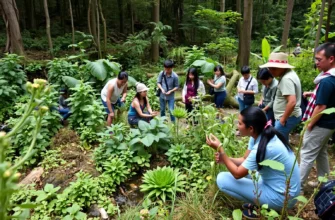
One of their most impactful initiatives is the Free Skills Series, which offers monthly workshops to the public at no cost. These sessions cover everything from basketry and cordage-making to foraging for wild edibles and friction fire techniques. By democratizing this knowledge, the organization ensures that ancestral arts are not reserved for a privileged few but are accessible to everyone. This education builds a unique type of community resilience, where neighbors learn to rely on the land and one another rather than global supply chains.
The focus on ancestral arts is particularly vital. When a person learns to identify a Willow tree not just as a plant, but as a source of medicine, a material for weaving, and a critical component of a healthy watershed, their relationship with that tree changes. They are no longer a passive observer; they are a participant in the tree’s lifecycle. This shift from consumer to participant is the primary goal of the organization’s educational framework, fostering a deep-seated desire to protect the local environment.
Urban Rewilding Portland: Transforming Concrete into Living Landscapes
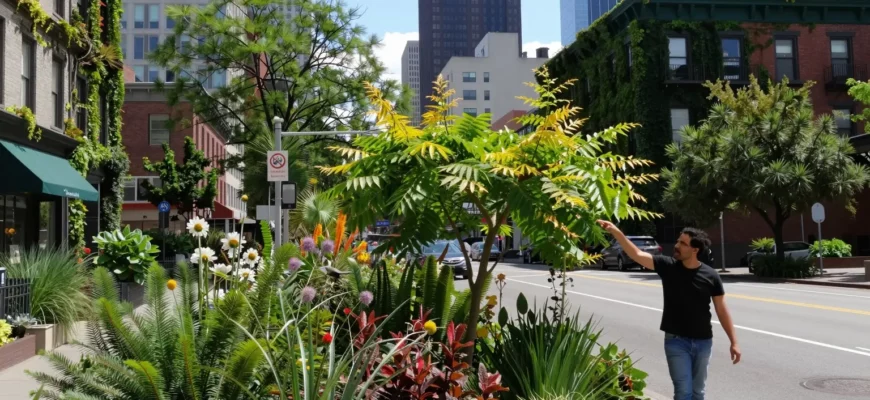
Urban rewilding is the practical application of ecological restoration within the constraints of a city environment. In Portland, this often manifests as a rejection of the traditional American lawn—a monoculture that requires immense amounts of water, synthetic fertilizers, and gasoline-powered maintenance. By replacing these biological deserts with diverse, multi-layered habitats, homeowners can turn their private property into vital stepping stones for wildlife moving through the urban corridor.
The transition from a “tidy” yard to a “wild” garden requires a change in perspective. It involves seeing a fallen log not as a mess to be cleared, but as a “nurse log” that provides shelter for salamanders and nutrients for fungi. It means understanding that a hole in a leaf is a sign of a successful ecosystem, indicating that your garden is actually feeding the local insect population. This approach to landscaping prioritizes ecological function over rigid, outdated aesthetic standards.
Replacing Lawns with Native Biodiversity
The foundation of any successful rewilding project in the Pacific Northwest is the use of native plant species specifically adapted to the Willamette Valley’s unique climate. Unlike non-native ornamentals, these plants have co-evolved with local wildlife for millennia. Planting species like Oregon Grape (Mahonia aquifolium), Red-flowering Currant (Ribes sanguineum), and Western Sword Fern (Polystichum munitum) creates a robust food web that supports everything from specialized bees to migratory birds.
One of the most immediate benefits of this shift is the creation of pollinator corridors. As habitat fragmentation continues to threaten insect populations, urban gardens serve as essential refueling stations for bees, butterflies, and hoverflies. By selecting plants that bloom at different times of the year, gardeners can provide a consistent nectar source from early spring through late autumn. This support for pollinators is not just an act of kindness; it is a necessity for the health of our local food systems and wild plant communities.
Furthermore, native landscaping is an exercise in sustainability. Once established, these plants are remarkably drought-tolerant, significantly reducing a household’s water consumption during Portland’s dry summer months. They also eliminate the need for chemical pesticides, as a diverse garden naturally attracts predatory insects like ladybugs and lacewings that keep “pest” populations in check. The result is a low-maintenance, high-impact landscape that grows more beautiful and resilient with each passing year.
Actionable Steps to Start Your Rewilding Journey
Beginning your rewilding journey does not require a degree in ecology or a massive plot of land. Even a small balcony or a strip of soil between the sidewalk and the street can become a micro-habitat. The key is to start where you are and focus on incremental changes that build momentum over time. By taking small, intentional steps, you can transform your immediate environment into a sanctuary for both yourself and the local fauna.
Your Weekend Rewilding To-Do List
- Audit Your Yard for Invasives: Identify and prioritize the removal of aggressive non-native species like English Ivy, Himalayan Blackberry, and Garlic Mustard. These plants outcompete native flora and provide little nutritional value to local wildlife. Always dispose of invasive plant material properly to prevent it from re-rooting elsewhere.
- Map Your Microclimates: Spend time observing which parts of your space get the most sun, where water pools after a rain, and where the wind is strongest. Matching the right plant to the right spot is the secret to a thriving wild garden.
- Select Three Keystone Species: Visit a local native plant nursery and choose three plants that are known “powerhouses” for your area. For Portland, consider Oak trees for their massive insect support or Oceanspray for its attraction to pollinators.
- Create a “Wild Corner”: Designate a small area of your yard to be left entirely undisturbed. Pile up some stones, leave a small patch of bare soil for ground-nesting bees, and allow fallen leaves to remain on the ground to provide overwintering habitat for beneficial insects.
- Install a Water Feature: Even a shallow birdbath or a small solar-powered fountain can make a world of difference. Clean water is often the scarcest resource for urban wildlife, especially during the heat of July and August.
Nature Immersion: Finding the Wild in Portland’s Parks
Rewilding is as much an internal process as it is an external one. In a city like Portland, we are blessed with some of the largest urban forest reserves in the country, providing ample opportunity for nature immersion. Spending time in places like Forest Park or Mount Tabor isn’t just a leisure activity; it is a biological necessity for the human nervous system. The practice of “forest bathing” or simply sitting quietly in the woods helps to lower cortisol levels and restore mental clarity after a week of digital saturation.
When we enter these spaces, we have the chance to practice “wide-angle vision,” noticing the subtle movements of birds in the canopy and the intricate patterns of moss on a cedar trunk. This sensory engagement helps to dissolve the perceived boundary between ourselves and the environment. It reminds us that even within the city limits, we are surrounded by a complex, ancient world that operates on a much longer timeline than our daily schedules. Unplugging from the phone and plugging into the rhythms of the forest is the ultimate act of self-care.
Ancestral Skills and the Art of Awareness
Practicing ancestral skills is a powerful way to deepen this immersion. It moves the experience from a passive walk in the woods to an active, sensory dialogue with the land. When you learn the art of wildcrafting—the ethical harvesting of wild plants for food or medicine—you begin to view the landscape as a grocery store, a pharmacy, and a hardware shop all rolled into one. This fosters a profound sense of gratitude and a desire to ensure the land remains healthy enough to continue providing.
Foraging, however, is only one piece of the puzzle. Skills like wildlife tracking and bird language training allow us to “read” the stories written on the ground. A bent blade of grass or a specific alarm call from a Robin can reveal the presence of a nearby Cooper’s Hawk or a wandering coyote. These skills sharpen our situational awareness and connect us to the immediate present. By reviving these nearly lost arts, we reclaim a piece of our human heritage and develop a more nuanced understanding of the ecological balance that sustains us.
Rewilding Portland Maine: Coastal Initiatives and Differences
While Portland, Oregon, is famous for its towering Douglas Firs and temperate rainforests, Portland, Maine, offers a different but equally compelling rewilding narrative. The East Coast counterpart focuses heavily on coastal resilience and the protection of the Atlantic’s unique maritime ecosystems. Though the plant palettes differ, the underlying philosophy of urban rewilding remains consistent: restoring functionality to degraded landscapes and fostering a culture of conservation.
In Maine, rewilding often involves managing salt marshes and protecting rocky shorelines from erosion. Local organizations emphasize the importance of creating “living shorelines” that can absorb storm surges rather than relying on concrete sea walls. This regional approach highlights that rewilding is not a one-size-fits-all solution; it must be tailored to the specific ecological needs and historical context of the land.
East Coast vs. West Coast Rewilding Focus
| Feature | Portland, Oregon (West Coast) | Portland, Maine (East Coast) |
|---|---|---|
| Primary Ecosystem | Temperate Rainforest / Willamette Valley | Northern Hardwood Forest / Atlantic Coast |
| Keystone Flora | Douglas Fir, Oregon White Oak, Sword Fern | Eastern White Pine, Red Spruce, Beach Plum |
| Major Wildfire Risk | High (Summer droughts and forest proximity) | Moderate (Coastal humidity provides a buffer) |
| Rewilding Priority | Urban canopy and pollinator corridors | Coastal buffer zones and salt marsh restoration |
| Invasive Threats | English Ivy, Himalayan Blackberry | Oriental Bittersweet, Japanese Knotweed |
Common Misconceptions About Urban Rewilding
One of the biggest hurdles to the rewilding movement is the persistent belief that a “wild” space is synonymous with a “neglected” space. This misconception often leads to friction between enthusiastic rewilders and neighbors who value traditional landscaping. It is important to communicate that rewilding is a deliberate and managed process, not an excuse to let your yard become an impassable thicket of weeds and trash.
In fact, a well-planned rewilded garden is often more complex and interesting than a mowed lawn. By using “cues to care”—such as defined paths, birdhouses, and intentional plant groupings—you can signal to the community that your yard is a purposeful habitat. Education is the best tool for overcoming these barriers, showing that a biodiverse yard can actually increase property values by creating a unique, beautiful, and climate-resilient landscape.
Clarifying the Wild Look
Myth: Rewilding your property will attract dangerous pests like rats and snakes that will invade your home.
Fact: A balanced ecosystem actually controls pests. While a rewilded yard will attract more wildlife, it also attracts the predators that eat them. Snakes eat rodents, and birds eat ticks and mosquitoes. By creating a complete food web, you prevent any one species from becoming a nuisance.
Myth: Rewilding is just a trend for people who don’t want to mow their grass.
Fact: Establishing a native habitat often requires more initial effort than maintaining a lawn. It involves careful species selection, invasive species management, and soil restoration. The goal is long-term ecological health, not laziness.
Expert Perspective: Urban Resilience
In my professional experience, I have found that urban rewilding is no longer an optional aesthetic choice; it is a critical infrastructure requirement for the 21st century. As our cities face increasing temperatures, I always advise municipal leaders that increasing the urban canopy is the most cost-effective way to mitigate the heat island effect; Concrete and asphalt trap heat, but a diverse native landscape can lower local surface temperatures by as much as 10 to 15 degrees. Furthermore, rewilded soil acts like a sponge. During our heavy Cascadia winters, healthy, root-dense soil can absorb thousands of gallons of stormwater, preventing the runoff that overwhelms our sewer systems and pollutes the Willamette River. We must stop viewing rewilding as a nostalgic return to the past and start seeing it as a sophisticated tool for a functional, living future.
Frequently Asked Questions
Rewild Portland is a non-profit organization focused on fostering community resilience through nature connection and the teaching of ancestral skills, such as foraging and traditional crafts.
How can I start rewilding my small city lot?
Begin by removing invasive species, planting a few native “powerhouse” plants like Oregon Grape, and leaving leaf litter on the ground to provide habitat for beneficial insects.
Is rewilding legal in Portland residential areas?
Yes, natural landscaping is encouraged in Portland, though you must still ensure plants do not obstruct sidewalks or violate specific height ordinances at street corners for visibility.
Where can I take rewilding classes in Portland, Oregon?
The best resources are the Rewild Portland organization’s Free Skills Series and the various environmental education programs offered through Portland Parks & Recreation.
Does rewilding attract dangerous wildlife to the city?
Urban rewilding primarily supports birds, small mammals, and pollinators. It does not significantly increase the presence of large predators, which generally avoid high-density human areas.
What are some native plants for a Portland rewilding project?
Top choices for the region include Western Sword Fern, Red-flowering Currant, Serviceberry, and the Willamette Valley Ponderosa Pine for larger spaces.