- Why Rewilding in the UK is the Key to Ecological Recovery
- The Core Philosophy of Rewilding Britain
- Regional Frontiers: Restoring the Wild in England and Wales
- Rewilding Wales: From Mid Wales to the Northern Peaks
- Rewilding England: Transforming Lowlands and Estates
- The Great Species Debate: Bringing Wolves, Bears, and Bison Back
- The Return of the Bison and the Eco-Engineer Beaver
- The Lynx and the Wolf: Navigating the Social Challenges
- Myth vs. Fact: Debunking Common Misconceptions About Rewilding
- Will Rewilding Threaten British Farming?
- Case Studies in Action: From Cambrian Wildwood to Summit to Sea
- The Cambrian Wildwood: A Blueprint for Welsh Uplands
- Summit to Sea: Reconnecting Terrestrial and Marine Habitats
- Getting Involved: Careers, Education, and Community Action
- Starting a Career in Nature Recovery
- The Best Rewilding Books and Resources for Beginners
- The Future of UK Policy and Research in Ecosystem Restoration
- Science-Led Restoration: The Role of UK Research
- Expert Perspective: Large-Scale Restoration
- Frequently Asked Questions
Why Rewilding in the UK is the Key to Ecological Recovery
The United Kingdom stands at a critical environmental crossroads, ranking as one of the most nature-depleted countries on Earth. For decades, conservation focused on maintaining “islands” of biodiversity through intensive management, yet this approach has failed to halt the steady decline of native species. Rewilding offers a radical departure from this model by prioritizing the restoration of self-sustaining natural processes rather than the manual upkeep of specific habitats.
By stepping back and allowing nature to take the lead, we can create landscapes that are more resilient to climate change and more capable of supporting a diverse array of life. This movement toward nature recovery is not about turning back the clock to a prehistoric era, but about building a functional future where ecological systems can thrive without constant human interference. It represents a shift from “protecting what remains” to “restoring what has been lost” on a landscape scale.
The Core Philosophy of Rewilding Britain
At the heart of the rewilding movement in Great Britain is the belief that nature knows best how to manage itself. Traditional conservation often involves “gardening” the landscape—mowing meadows at specific times or grazing sheep to keep scrub at bay—but rewilding seeks to reintroduce the dynamic forces that once shaped our environment. This includes allowing rivers to meander and flood naturally, which creates vital wetland habitats and reduces downstream flood risks for human settlements.
A central pillar of this philosophy is the development of nature recovery networks. Instead of isolated nature reserves, rewilding advocates for large-scale connectivity, allowing wildlife to move freely across the country. By focusing on natural grazing patterns and the “messiness” of a healthy ecosystem, we can foster a richness of life that managed landscapes simply cannot match. It is about moving away from the “preservation” of a static state and toward the “evolution” of a living, breathing system.
Regional Frontiers: Restoring the Wild in England and Wales
The geography of the UK presents diverse opportunities for ecological restoration, with the rugged uplands of Wales and the managed lowlands of England requiring distinct strategies. While the goal of restoring natural processes remains the same, the execution depends heavily on topography, soil quality, and existing land use. Understanding these regional nuances is essential for any successful rewilding project, as a “one size fits all” approach often ignores the cultural and biological heritage of the land.
In both nations, the transition toward a wilder landscape involves navigating complex social dynamics and economic realities; From the peat bogs of the North to the ancient forests of the South West, the UK is beginning to see a patchwork of recovery that challenges our traditional views of what the British countryside should look like. These regional frontiers are the testing grounds for a more harmonious relationship between human industry and the natural world.
Rewilding Wales: From Mid Wales to the Northern Peaks
Wales possesses a unique landscape dominated by steep valleys and high-altitude plateaus, much of which has been historically overgrazed by sheep. This has led to “green deserts” where biodiversity is low and soil erosion is high. Rewilding in Wales focuses heavily on restoring the native Celtic rainforests and upland bogs that are globally significant for carbon storage. In Mid Wales, initiatives are working to reconnect fragmented woodlands, allowing species like the pine marten to expand their range across the Cambrian Mountains.
Community-led initiatives are the backbone of the Welsh movement, ensuring that local cultural identity is preserved alongside ecological gains. By consulting a “rewilding wales map,” conservationists can identify key wildlife corridors that link the Snowdonia (Eryri) peaks with the southern valleys. These projects often emphasize regenerative tourism and the restoration of native flora, proving that a wilder Wales can provide both ecological stability and new economic opportunities for rural communities that have long relied on declining industries.
Rewilding England: Transforming Lowlands and Estates
In England, the rewilding movement has gained significant momentum through the transformation of large private estates and the shifting of agricultural policy. The Knepp Estate in Sussex serves as the premier example, where 3,500 acres of former intensive farmland were “given back” to nature. By introducing free-roaming cattle, ponies, and pigs to mimic ancient herbivores, the estate saw a miraculous return of rare species like turtle doves and purple emperor butterflies within just two decades.
This success has directly influenced English landscape restoration policy, encouraging the government to move toward “public money for public goods.” Farmers are increasingly being incentivized to set aside marginal land for nature recovery, recognizing that healthy soil and natural flood defenses are essential for long-term food security. Rewilding England is no longer just a fringe idea; it is becoming a central component of how the nation manages its land to meet ambitious biodiversity and net-zero targets.
The Great Species Debate: Bringing Wolves, Bears, and Bison Back
The reintroduction of apex predators and large herbivores is perhaps the most sensationalized aspect of the rewilding movement. While the media often focuses on the “big three”—wolves, bears, and lynx—the practical reality of species reintroduction in the UK is far more nuanced. These animals are known as “keystone species” because their presence has a disproportionate effect on the health of the entire ecosystem, triggering what ecologists call “trophic cascades.”
| Species | Ecological Role | Public Feasibility | Current Status |
|---|---|---|---|
| European Bison | Woodland “engineers” that create light gaps by felling trees and debarking. | High; they are contained within large fenced areas and pose little risk. | Successful pilot projects in Kent (Blean Woods). |
| Eurasian Beaver | Hydrological masters; they build dams that prevent floods and filter water. | High; widely accepted as essential for climate resilience. | Widespread reintroductions across England, Scotland, and Wales. |
| Eurasian Lynx | Specialist deer hunters that help control overgrazing in forests. | Medium; requires significant community consultation and compensation for farmers. | Proposed for trials in Kielder Forest and parts of Scotland. |
| Grey Wolf | Apex predator that regulates herbivore behavior and populations. | Low; significant social opposition due to livestock concerns. | Theoretical discussions only; no official plans for release. |
The Return of the Bison and the Eco-Engineer Beaver
The Wilder Blean project in Kent has demonstrated the incredible power of the European Bison. As woodland managers, bison use their massive bulk to push through dense scrub and strip bark from trees, which naturally thins the canopy. This allows sunlight to reach the forest floor, triggering a surge in wildflower growth and providing habitat for countless insects and birds. Unlike human-led forestry, the bison’s impact is random and varied, creating a complex mosaic of habitats that manual management cannot replicate.
Similarly, the beaver has become the “poster child” for functional rewilding. By slowing the flow of water through dam building, beavers create vast wetland complexes that act as natural carbon sinks. These ponds also serve as nurseries for fish and amphibians while significantly reducing the “peak flow” of rivers during heavy rainfall. This natural flood management saves millions of pounds in property damage, making beavers a pragmatic solution to the UK’s increasing climate volatility.
The Lynx and the Wolf: Navigating the Social Challenges
While the ecological case for the Eurasian Lynx is strong—primarily as a way to manage the UK’s burgeoning deer population—the social challenges are significant. Unlike bison or beavers, lynx are elusive predators. Proponents argue that they would restore the “fear factor” in deer, preventing them from overgrazing young tree saplings and allowing forests to regenerate naturally. However, sheep farmers express legitimate concerns about livestock predation, requiring robust compensation schemes and a “bottom-up” approach to project planning.
The conversation around wolves and bears remains largely academic. While these species once roamed the British Isles, the modern landscape is highly fragmented by roads and urban development. Reintroducing such large predators would require vast, connected territories that currently do not exist in most of England or Wales. For now, the focus remains on “proxy” species and smaller carnivores that can coexist more easily within our current socio-economic framework.
Myth vs. Fact: Debunking Common Misconceptions About Rewilding
As rewilding grows in popularity, so too do the misconceptions surrounding its impact on society and the economy. Many fear that rewilding means “abandoning” the land or threatening our ability to feed the nation. It is vital to address these concerns with data-driven facts to ensure the movement remains inclusive and effective.
Myth: Rewilding will lead to a national food shortage by taking away productive farmland.
Fact: Most rewilding projects occur on marginal land (Grade 4 or 5 soil) where traditional farming is often only viable through heavy subsidies. By focusing on these areas, we can restore nature without impacting the high-yield “breadbasket” regions of the UK.
Myth: Rewilding means we stop managing the land entirely and let it become a mess.
Fact: Rewilding is a deliberate ecological strategy. In the early stages, it often requires “active” intervention—such as removing drainage pipes or reintroducing specific animals—to kickstart the natural processes that will eventually take over.
Will Rewilding Threaten British Farming?
The relationship between farming and rewilding is often portrayed as a conflict, but many farmers are discovering a “middle ground.” Nature-friendly farming practices involve integrating rewilding principles into active agricultural businesses. For example, allowing hedgerows to grow thicker and taller provides habitat for pollinators that increase crop yields. By diversifying land use to include eco-tourism or carbon credit harvesting, farmers can build more resilient business models that are less dependent on volatile global commodity markets.
Current UK land use policy is evolving to support this transition. Schemes like the Environmental Land Management (ELM) program in England are designed to reward farmers for providing “ecosystem services,” such as sequestering carbon in soil or improving water quality. This shift acknowledges that a healthy environment is the foundation of a healthy food system, not a competitor to it. When implemented correctly, rewilding and farming can be mutually beneficial partners in a sustainable rural economy.
Case Studies in Action: From Cambrian Wildwood to Summit to Sea
To understand the true impact of rewilding, one must look at specific projects that are currently transforming the British landscape. These case studies provide real-world data on how biodiversity recovers when given the chance and how communities can be integrated into the process. They also serve as a reminder that rewilding is an iterative process that requires constant learning and adaptation.
From the mountains of Wales to the coastal fringes, these projects are testing the boundaries of landscape-scale connectivity. They demonstrate that while the ecological goals are ambitious, the success of any project hinges on its ability to win the hearts and minds of the people who live and work on the land.
The Cambrian Wildwood: A Blueprint for Welsh Uplands
The Cambrian Wildwood (Coetir Anian) project in Mid Wales is a flagship initiative focused on restoring 140 hectares of upland habitat. The goal is to bring back the “wild wood” that once covered the region, using a mix of native planting and natural regeneration. By removing coniferous plantations and blocking drainage ditches, the project is restoring the hydrology of the area, allowing mosses and native broadleaf trees like rowan and birch to return.
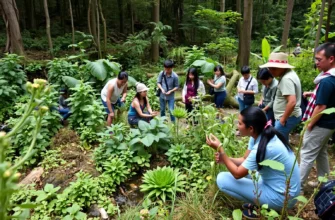
Education is a core component of the Cambrian Wildwood. The project works closely with local schools and youth groups, providing immersive experiences that reconnect the next generation with their natural heritage. This social engagement ensures that the project is not seen as an outside imposition but as a community-led restoration of the Welsh landscape. Visitors can track the progress through a “wales rewilding map,” seeing firsthand how a depleted hillside can return to life.
Summit to Sea: Reconnecting Terrestrial and Marine Habitats
The Summit to Sea (O’r Mynydd i’r Môr) project in Mid Wales originally aimed to create a continuous ecological corridor from the Plynlimon mountains down to the Cardigan Bay coast. This ambitious “ridge-to-reef” approach sought to restore both terrestrial and marine rewilding zones, recognizing that the health of our seas is inextricably linked to the management of our land. However, the project faced significant initial pushback from the local farming community, who felt their voices were not being heard.
This conflict led to a crucial evolution in the project’s management. It was restructured to be entirely community-led, shifting the focus toward “nature-based solutions” that support local livelihoods. The lesson from Summit to Sea is clear: landscape-scale connectivity cannot be forced from the top down; it must be built on trust and shared goals. Today, the project serves as a global example of how to navigate the “social-ecological” complexities of large-scale restoration.
Getting Involved: Careers, Education, and Community Action
As the rewilding sector expands, there is a growing demand for skilled professionals who can navigate the intersection of ecology, policy, and community relations. Whether you are looking for a career change or simply want to contribute to local nature recovery, there are more opportunities than ever to get involved. The movement requires not just scientists, but communicators, land managers, and educators.
- Pursue specialized training: Look for a rewilding course in Wales or England, such as those offered by the Centre for Alternative Technology (CAT) or various universities focusing on ecological restoration.
- Monitor job boards: Check the Rewilding Britain jobs page and NGO websites like The Wildlife Trusts or the RSPB for roles in project management and field ecology.
- Volunteer locally: Join a “river restoration” group or a local tree-planting initiative to gain hands-on experience in habitat management.
- Contribute to Citizen Science: Use apps like iRecord or the BTO’s bird tracking tools to provide data that helps scientists measure biodiversity gains in rewilded areas.
- Practice “Leave No Trace”: If visiting rewilding sites, stay on designated paths and follow the Countryside Code to protect sensitive recovering habitats.
Starting a Career in Nature Recovery
The “green economy” is one of the fastest-growing sectors in the UK. Rewilding Britain jobs now range from technical roles in GIS mapping and soil science to “softer” roles in community engagement and environmental education. For those starting out, a degree in ecology or environmental science is helpful, but practical experience in land management is often just as valuable. Many projects look for individuals who understand the nuances of the UK’s agricultural landscape and can speak the language of both conservationists and farmers.
For those living in Wales, taking a specialized rewilding course can provide specific knowledge about the nation’s unique legal and ecological framework. Organizations like the Ebbw Fawr Valley projects often offer internships or trainee roles. The key to a successful career in this field is interdisciplinary thinking—the ability to see how a biological goal (like restoring a bog) fits into a political goal (like meeting carbon targets) and a social goal (like providing local employment).
The Best Rewilding Books and Resources for Beginners
If you are new to the concept, there is a wealth of literature that explores the history and future of the movement. Reading a rewilding britain book like Isabella Tree’s “Wilding,” which chronicles the story of the Knepp Estate, is often the best place to start. For a more technical or policy-oriented view, George Monbiot’s “Feral” offers a provocative look at why we need to bring large predators back to the British Isles and the psychological benefits of “rewilding the human spirit.”
To stay updated on the latest research and project launches, following the rewilding britain blog is essential. It provides deep dives into specific species, updates on government policy changes, and interviews with the pioneers of the movement; These resources help build a solid foundation of knowledge, allowing you to move from a casual observer to an active participant in the UK’s ecological rebirth.
The Future of UK Policy and Research in Ecosystem Restoration
The long-term success of rewilding depends on a robust framework of scientific research and political support. In recent years, institutions like the University of Leeds have led the way in quantifying the benefits of rewilding, using advanced technology to track everything from soil carbon sequestration to the movement of individual animals. This data is crucial for convincing policymakers that rewilding is a scientifically sound strategy for meeting national environmental targets.
- Environmental Land Management (ELM) Scheme: The cornerstone of post-Brexit agricultural policy in England, focusing on “public money for public goods.”
- Local Nature Recovery Strategies (LNRS): Mandatory maps and plans in England designed to identify the best locations for habitat restoration.
- The 30 by 30 Target: The UK government’s commitment to protect 30% of land and sea for nature by 2030.
- Biodiversity Net Gain (BNG): A new planning law requiring developers to ensure that any new construction results in a 10% increase in local biodiversity.
Science-Led Restoration: The Role of UK Research
Modern rewilding uk research is increasingly high-tech. Drones equipped with LiDAR are used to map vegetation structure in 3D, allowing scientists to see exactly how bison or cattle are changing the forest canopy. Meanwhile, environmental DNA (eDNA) sampling allows researchers to detect the presence of elusive species simply by analyzing a few drops of water from a stream. This technology makes it possible to monitor biodiversity gains at a scale and speed that was previously impossible.
Crucially, this research is also focusing on the economic impact of rewilding. By calculating the value of “ecosystem services”—such as the amount of carbon stored in a restored peat bog or the reduction in flood damage caused by a beaver dam—scientists are providing the “business case” for nature. This evidence is vital for shaping rewilding uk policy, ensuring that nature recovery is seen not as a luxury, but as a fundamental requirement for a stable and prosperous future.
Expert Perspective: Large-Scale Restoration
In my professional experience, the most successful rewilding projects are those that find the balance between active and passive restoration. I always advise practitioners to avoid the “set it and forget it” trap. While the ultimate goal is a self-sustaining ecosystem, the UK’s landscape is so fragmented that we often need to act as the “initial spark.” This might mean manually breaking up compacted soil or reintroducing a missing species to restart the engine of natural succession. Rewilding is not about abandoning our responsibility to the land; it is about re-engaging with it as partners rather than masters. The goal is a functional, messy, and vibrant landscape that supports both a wilder world and a resilient human economy.
Frequently Asked Questions
Traditional conservation often focuses on maintaining a specific state or protecting a single rare species through manual intervention. Rewilding focuses on restoring natural processes—like flooding, grazing, and predation—which allow the ecosystem to manage itself over the long term.
Are wolves actually being reintroduced to the UK?
Currently, there are no official government plans for the reintroduction of wolves in England or Wales. While biologically feasible in parts of Scotland, significant social, legal, and agricultural concerns mean that wolves remain a theoretical discussion rather than an active project.
Where can I see rewilding in action in the UK?
Key sites include the Knepp Estate in Sussex, the Cambrian Wildwood in Mid Wales, Cairngorms Connect in Scotland, and the Wilder Blean bison project in Kent. Many of these sites offer public footpaths or guided tours for visitors.
How can I find jobs in the UK rewilding sector?
I recommend monitoring the Rewilding Britain job board, checking the “careers” sections of major environmental NGOs like the Wildlife Trusts, and looking for roles within regenerative agriculture and ecological consultancy firms.
Is rewilding legal on private land in England and Wales?
Yes, landowners have the freedom to change how they use their land, but they must comply with agricultural and environmental regulations. Many now use the ELM scheme to receive funding for converting farmland into nature-recovery zones.
Does rewilding help with climate change?
Absolutely; Restored habitats like peat bogs, saltmarshes, and native woodlands are incredibly efficient at sequestering carbon. Furthermore, rewilded landscapes are better at absorbing heavy rainfall, which helps mitigate the impacts of extreme weather.