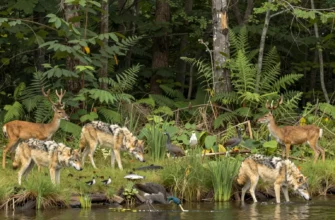
- Why Rewilding Argentina represents a Global Shift in Conservation
- The Strategic Importance of the Iberá Wetlands
- The Return of the King: Rewilding Argentina Jaguars and Apex Predators
- Rewilding the Chaco: Protecting the Impenetrable Forest
- Patagonia Rewilding the World: A Trans-Andean Success Story
- Restoring the Flow: Patagonia River Rewilding
- The Chilean Frontier: How Fundación Rewilding Chile Protects the South
- Protecting the Huemul Deer and the Andean Condor
- Beyond Borders: The Expansion of Rewilding South America
- Oceanic Restoration: Rewilding the Galapagos and Peru’s Coast
- The Poetics of Restoration: Ada Limon and The Rewilding
- Why Cultural Narratives Matter for Conservation
- The Traveler’s Role: Rewilding in South Americas Nature Lodges
- Top Destinations for Wildlife Observation and Impact
- Frequently Asked Questions
Why Rewilding Argentina represents a Global Shift in Conservation
Rewilding is no longer a fringe environmental theory; it is a sophisticated strategy for repairing the broken biological machinery of our planet. In Argentina‚ this movement has transitioned from passive land protection to an active‚ interventionist model known as trophic rewilding.
The core logic is simple yet profound: an ecosystem is not just a collection of plants‚ but a functional web driven by apex predators and large herbivores. When these “keystone species” are missing‚ the system collapses into a simplified‚ degraded state that is less resilient to climate change.
By reintroducing missing links‚ conservationists are witnessing a “trophic cascade” where the presence of a single predator‚ like the jaguar‚ can regulate prey populations‚ prevent overgrazing‚ and even alter the course of rivers by allowing riparian vegetation to stabilize banks.
The Strategic Importance of the Iberá Wetlands
The Iberá Wetlands in Corrientes province serve as the primary laboratory for this continental transformation. Spanning nearly 1.3 million hectares‚ this vast mosaic of lagoons‚ marshes‚ and grasslands was historically depleted by industrial cattle ranching and uncontrolled hunting.
The creation of the Iberá Park was a masterclass in long-term vision‚ initiated by the late Douglas Tompkins and Kris Tompkins through their foundation. They recognized that buying degraded private land and donating it back to the state was the only way to ensure permanent‚ large-scale protection.
Today‚ Fundación Rewilding Argentina—the local successor to Tompkins Conservation—manages the complex logistical task of species reintroduction. They have successfully shifted the regional economy from extractive industries to a “nature-based economy” where local communities earn more from wildlife watching than they ever did from poaching.
The Return of the King: Rewilding Argentina Jaguars and Apex Predators
The return of the jaguar (Panthera onca) to the Iberá Wetlands is perhaps the most ambitious carnivore reintroduction project on Earth. For over 70 years‚ the “true king” of the wetlands was absent‚ leading to an explosion in capybara and caiman populations that suppressed plant diversity.
This process is not as simple as releasing a cat into the wild; it requires a multi-generational breeding and acclimation strategy. The Jaguar Reintroduction Center on San Alonso Island is the heart of this operation‚ designed to raise cubs with zero human contact so they retain their natural hunting instincts.
- Source Population Acquisition: Jaguars are sourced from zoos or rescue centers across South America. These “founding” individuals are often not fit for release themselves but serve as breeding stock.
- Semi-Wild Breeding: Cubs are born in large‚ 1.5-hectare enclosures. They are monitored via remote cameras to ensure they never associate humans with food or safety.
- Live Prey Training: Before release‚ young jaguars must prove they can hunt native species like capybara and feral hogs. This ensures they will not target local livestock once they enter the wider park.
- Soft Release Protocol: Jaguars are moved to massive 30-hectare “pre-release” pens. This allows them to acclimate to the specific terrain and scent of their new home before the final gates are opened.
- Post-Release Satellite Tracking: Every released jaguar wears a GPS collar. Biologists track their movements 24/7 to study territory formation and prevent human-wildlife conflict near park boundaries.
Rewilding the Chaco: Protecting the Impenetrable Forest
While Iberá is lush and aquatic‚ the Gran Chaco is a formidable “impenetrable” dry forest that faces some of the highest deforestation rates in the world. Rewilding here is a race against time to connect fragmented forest patches before the genetic diversity of the resident wildlife vanishes.
The focus in the Chaco is on large mammals like the giant otter and the giant anteater‚ both of which serve as ecosystem engineers. By securing wildlife corridors between El Impenetrable National Park and private reserves‚ conservationists are ensuring that species have the room to migrate as temperatures rise.
Restoring the Chaco also involves “rewilding” the human perspective. Local “gauchos” are being trained as park rangers and wildlife guides‚ turning former hunters into the primary defenders of the forest’s biodiversity.
Patagonia Rewilding the World: A Trans-Andean Success Story
In the southern reaches of the continent‚ rewilding takes on a different character. Patagonia is a land of extremes‚ where the removal of fences is the first step toward restoration. For decades‚ millions of sheep overgrazed the steppe‚ turning vibrant grasslands into desert-like dust bowls.
The “Peace Parks” concept is being realized here‚ where Argentina and Chile coordinate their conservation efforts to create contiguous habitats. Nature does not recognize political borders‚ and migratory species like the puma and the Andean condor require trans-Andean protection to survive.
This cross-border collaboration is a testament to the legacy of Douglas and Kris Tompkins‚ who envisioned a “Route of Parks” spanning over 1‚700 miles. Their work proved that private philanthropy could catalyze government action on a massive scale.
Restoring the Flow: Patagonia River Rewilding
Freshwater ecosystems in Patagonia are the lifeblood of the region‚ yet they have been choked by dams and invasive species for over a century. River rewilding focuses on decommissioning obsolete barriers to restore the natural pulse of the water.
Free-flowing rivers are essential for the transport of nutrients from the mountains to the sea. When a river is restored‚ native fish populations rebound‚ which in turn supports predators like the torrent duck and the elusive huillín (southern river otter).
The removal of invasive species‚ such as the North American mink‚ is also critical. These predators decimate native bird life; removing them allows endemic species to reclaim their ancestral nesting grounds along the riverbanks.
The Chilean Frontier: How Fundación Rewilding Chile Protects the South
Chile’s approach to rewilding is deeply integrated with its national park system. The country has seen an unprecedented expansion of protected areas‚ largely driven by the donation of over 400‚000 hectares of private land to the Chilean state.
While Argentina focuses heavily on wetlands and jaguars‚ Chile’s priorities are dictated by its rugged topography. The conservation of the temperate rainforests and high-altitude Andean plateaus requires a different set of biological tools and community engagement strategies.
| Feature | Rewilding Argentina | Rewilding Chile |
|---|---|---|
| Primary Biomes | Subtropical Wetlands‚ Dry Forest‚ Steppe | Temperate Rainforest‚ Fjords‚ Alpine Steppe |
| Flagship Species | Jaguar‚ Giant Otter‚ Red-and-green Macaw | Huemul Deer‚ Puma‚ Andean Condor |
| Main Challenge | Species reintroduction in fragmented lands | Protecting vast wilderness from industrial mining |
| Infrastructure | Restored “Estancias” turned into lodges | The “Route of Parks” 17-park network |
Protecting the Huemul Deer and the Andean Condor
The Huemul deer is a national symbol of Chile‚ yet it is one of the most endangered mammals on the planet. With fewer than 1‚500 individuals remaining‚ Rewilding Chile has implemented intensive monitoring and predator-exclusion zones to boost their numbers.
Simultaneously‚ the Andean Condor project focuses on lead poisoning and habitat loss. By establishing “feeding stations” with lead-free carcasses‚ conservationists are reducing the mortality rates of these magnificent scavengers‚ which are vital for cleaning the ecosystem of disease-carrying carrion.
Community involvement is the secret sauce in Chile. Local “vecinos” (neighbors) are increasingly seeing the economic value of a standing forest over a cleared pasture‚ leading to a bottom-up surge in conservation support.
Beyond Borders: The Expansion of Rewilding South America
The success of the “Cono Sur” (Southern Cone) model is now inspiring a continent-wide movement. The blueprint established in the Iberá Wetlands—private land acquisition‚ species reintroduction‚ and eco-tourism development—is being exported to nations with vastly different political and ecological landscapes.
From the grasslands of Uruguay to the coastal deserts of Peru‚ the philosophy of “active restoration” is replacing the old “fortress conservation” mindset. This expansion is critical for creating a continental network of resilient biomes that can withstand the pressures of the 21st century.
Oceanic Restoration: Rewilding the Galapagos and Peru’s Coast
Rewilding is not limited to the land; In the Galapagos‚ the focus has shifted to “island restoration‚” which involves removing invasive goats and rats to allow the giant tortoise populations to flourish once again. These tortoises are the primary herbivores of the islands; their grazing habits shape the entire vegetation structure.
In Peru‚ marine rewilding is gaining momentum. The creation of Marine Protected Areas (MPAs) along the Humboldt Current is essential for protecting the massive schools of anchoveta that support millions of seabirds and marine mammals.
By restoring the “blue carbon” potential of mangroves and seagrasses in Uruguay and Brazil‚ rewilding is also becoming a primary tool for carbon sequestration‚ proving that nature-based solutions are our best defense against climate instability.
The Poetics of Restoration: Ada Limon and The Rewilding
Conservation is as much a cultural endeavor as it is a biological one. The term “rewilding” has entered the artistic zeitgeist‚ symbolizing a deep-seated human desire to reconnect with a world that feels increasingly synthetic and controlled.
Poet Ada Limón’s work‚ particularly her engagement with the concept of “The Rewilding‚” serves as a powerful metaphor for this movement. She explores the idea that as we restore the land‚ we also restore our own spirits‚ healing the psychological rift between humanity and the natural world.
Why Cultural Narratives Matter for Conservation
Scientific data alone rarely changes human behavior; stories do. By weaving the success of the jaguar or the condor into the national identity of Argentina and Chile‚ conservationists are making the wild part of the public’s “moral landscape.”
Art and poetry provide the emotional framework necessary to support long-term environmental policy. When people feel an emotional kinship with a species‚ they are far more likely to support the taxes and land-use restrictions required to protect it.
This cultural shift is moving us away from seeing nature as a resource to be exploited and toward seeing it as a living community of which we are a part. This is the ultimate goal of rewilding: a world where humans and wildlife coexist in a functional‚ vibrant balance.
The Traveler’s Role: Rewilding in South Americas Nature Lodges
The “Conservation Commerce” model allows travelers to become active participants in rewilding. By choosing to stay at specific eco-lodges‚ your tourism dollars go directly toward land acquisition and species monitoring‚ creating a self-sustaining loop of restoration.
In many cases‚ these lodges are located on former cattle ranches that have been painstakingly restored. Staying here isn’t just about luxury; it’s about witnessing the return of life to a landscape that was once silent.
- Vet Your Destination: Always check if the lodge is owned by or partnered with a reputable conservation NGO like Fundación Rewilding Argentina.
- Minimize Your Footprint: Choose lodges that use solar power‚ treat their own waste‚ and source food from local regenerative farms.
- Engage with Local Experts: Prioritize tours led by local guides who were formerly employed in extractive industries; this supports the economic transition of the community.
- Contribute to Citizen Science: Use apps like iNaturalist to log your wildlife sightings‚ providing valuable data for park biologists.
- Respect the Rules: Stay on marked trails and keep a strictly enforced distance from reintroduced predators to ensure they remain wary of humans.
Top Destinations for Wildlife Observation and Impact
The Iberá Wetlands offer some of the best wildlife viewing in the world. Lodges like Rincón del Socorro provide unparalleled access to giant anteaters and marsh deer‚ with the chance to see a jaguar in the wild becoming more likely every year.
In Patagonia‚ the Explora lodges or the eco-camps in Torres del Paine serve as gateways to the “Route of Parks.” Here‚ the focus is on tracking pumas and observing the massive condor colonies that soar above the granite spires‚ all while supporting the largest private-to-public land donation in history.
In my professional experience‚ rewilding is no longer a luxury “green” project; it is a fundamental necessity for climate resilience in the Southern Hemisphere. I have found that restoring functional ecosystems is the most cost-effective way to sequester carbon at scale while simultaneously preventing the spillover of zoonotic diseases. The future of conservation lies in moving beyond “protection” and into “restoration.” We must be brave enough to reintroduce the predators we once feared‚ because without them‚ the very systems that provide our air‚ water‚ and food will continue to unravel. Trophic rewilding is the ultimate insurance policy for a warming planet.
Frequently Asked Questions
The primary goal is to restore fully functional ecosystems by reintroducing keystone species‚ while simultaneously developing nature-based economies that provide sustainable livelihoods for local communities.
How does rewilding in Chile differ from Argentina?
Chile focuses heavily on creating massive national parks in mountainous and fjord regions‚ prioritizing species like the Huemul deer‚ whereas Argentina’s flagship projects center on subtropical wetlands and the reintroduction of apex predators like the jaguar.
Are the jaguars in Iberá dangerous to local communities?
No. Every jaguar is fitted with a GPS collar for constant monitoring‚ and the reintroduction process ensures they maintain a natural fear of humans. Furthermore‚ the economic benefits from jaguar-based tourism have turned these cats into a valued asset for local people.
Can I volunteer for rewilding projects in South America?
Yes‚ many foundations offer professional volunteering opportunities for biologists and vets‚ though the most impactful way for the general public to help is through donations or visiting the parks to support the local eco-economy.
What role did Douglas Tompkins play in South American rewilding?
Douglas Tompkins was the visionary founder of Tompkins Conservation. He used his personal fortune to purchase over 2 million acres of land‚ which was eventually donated to create or expand 15 national parks in Argentina and Chile.
Why is river rewilding important in Patagonia?
Removing dams and invasive species restores the natural flow of nutrients and allows native fish and aquatic mammals to migrate freely‚ which is essential for the overall health and biodiversity of the Patagonian wilderness.