- Why Rewilding Europe is the Key to Restoring Lost Ecosystems
- The Shift from Passive Conservation to Active Restoration
- Reclaiming the Wild Heart of Italy: Rewilding the Apennines
- Wildlife Corridors in the Central Apennines
- Comparing Key Rewilding Strategies Across the Continent
- The Wild Frontier: Rewilding Romania and the Carpathians
- Bison Reintroduction in the Southern Carpathians
- Iberian Restoration: Rewilding Spain and Portugal
- The Return of the Iberian Lynx and Tauros
- From the Adriatic to the Balkans: Rewilding Croatia and Bulgaria
- The Velebit Mountains and the Rhodope Peaks
- Essential Steps for Community-Led Rewilding
- Emerging Projects: From the Beara Peninsula to Ibiza
- Coastal and Island Rewilding Challenges
- Common Misconceptions About European Rewilding
- Frequently Asked Questions
Why Rewilding Europe is the Key to Restoring Lost Ecosystems
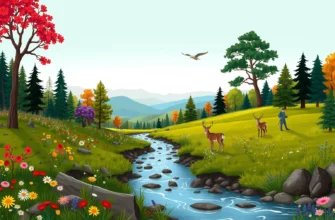
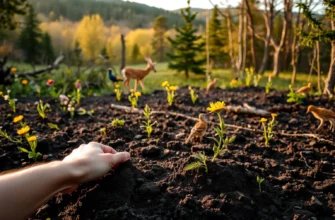
Rewilding represents a radical shift in how we perceive our relationship with the natural world. Instead of viewing nature as a resource to be managed or a garden to be tended, this movement advocates for granting ecosystems the autonomy to heal themselves. By stepping back and allowing natural processes to take the lead, we can restore the vibrant complexity that has been stripped away by centuries of intensive land use.
The transition from a central rewilding movement to localized action is now visible across the continent. What began as a series of ambitious ideas has evolved into a network of boots-on-the-ground projects that prioritize ecological function over static preservation. This shift acknowledges that a healthy planet requires more than just “protected areas”; it requires living, breathing landscapes where wildlife can roam and evolve.
The Shift from Passive Conservation to Active Restoration
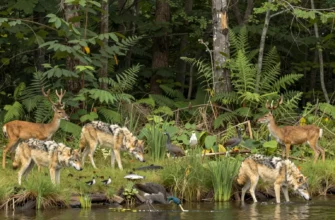
Traditional conservation often focuses on “freezing” a landscape in a specific state, frequently requiring constant human intervention to maintain certain species. Modern rewilding in a European context moves away from this “museum” approach. It focuses on restoring functional roles within an ecosystem, such as the return of large herbivores that maintain open grasslands or apex predators that regulate prey populations.
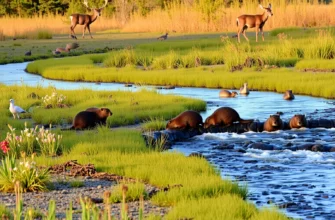
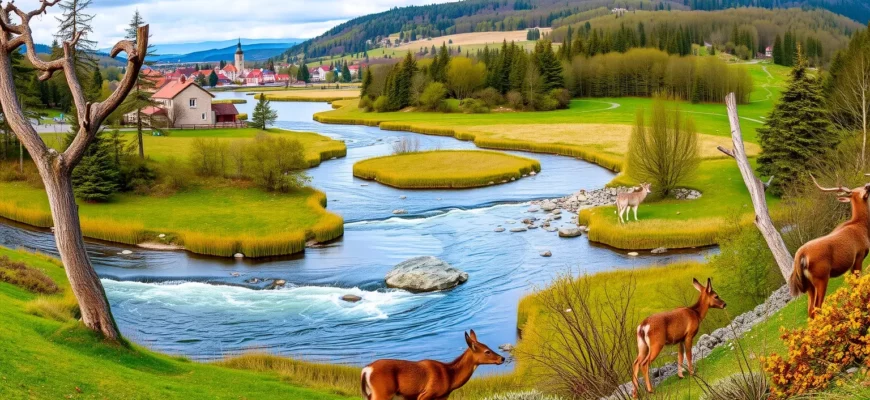
When we talk about a natural landscape rewilding Europe, we are discussing the reinstatement of natural disturbances like flooding, wind-throw, and grazing. These processes create a dynamic mosaic of habitats that support a much higher level of biodiversity than a managed forest or a monoculture farm. Following a rewilding europe blog or news feed today reveals a move toward self-sustaining wilderness where nature, not man, holds the steering wheel.
Reclaiming the Wild Heart of Italy: Rewilding the Apennines
The Central Apennines of Italy serve as a rugged backbone for the country, offering a unique opportunity to bridge the gap between human civilization and wild nature. Here, the focus is not just on land, but on creating a culture of coexistence. As rural populations migrate to cities, vast tracts of land are becoming available for the return of iconic species that once teemed in these limestone peaks.
Efforts in rewilding Italy are centered on the idea that wildlife needs room to move. It is not enough to have isolated pockets of nature; these areas must be linked to allow for genetic exchange and climate adaptation. The movement known as rewilding italia is working tirelessly to ensure that the “Wild Heart of Italy” remains a place where ecological health and local prosperity go hand in hand.
Wildlife Corridors in the Central Apennines
A primary objective in the rewilding apennines initiative is the protection and expansion of the Marsican brown bear population. To ensure the survival of this critically endangered subspecies, conservationists are building “coexistence corridors” that connect the Abruzzo, Lazio, and Molise National Park with the Majella National Park. These corridors allow bears to travel safely through human-dominated landscapes by installing bear-proof fencing and securing waste bins in local villages.
Beyond bear conservation, these efforts support nature-based tourism, which provides a much-needed economic boost to aging mountain communities. By positioning wildlife as an asset rather than a threat, local residents become the primary guardians of the landscape. This model demonstrates that economic resilience and biodiversity restoration are not mutually exclusive but are deeply interdependent.
Comparing Key Rewilding Strategies Across the Continent
| Region | Primary Species Focus | Main Ecological Goal | Key Strategy |
|---|---|---|---|
| Southern Carpathians | European Bison | Forest Mosaic Restoration | Reintroduction of keystone grazers to create diverse forest structures. |
| Central Apennines | Marsican Brown Bear | Habitat Connectivity | Developing wildlife corridors and bear-smart communities for coexistence. |
| Greater Côa Valley | Tauros & Sorraia Horses | Wildfire Prevention | Using natural grazing to reduce fuel loads in abandoned farmlands. |
| Rhodope Mountains | Griffon & Black Vultures | Scavenger Guild Recovery | Restoring the “circle of life” by increasing wild prey for scavengers. |
| Velebit Mountains | Wild Horses & Heck Cattle | Grassland Maintenance | Preventing scrub encroachment through year-round herbivore presence. |
The Wild Frontier: Rewilding Romania and the Carpathians
The Carpathian Mountains represent one of Europe’s last great wildernesses, home to the largest populations of wolves, bears, and lynx outside of Russia. Rewilding Romania is a massive undertaking that seeks to protect these old-growth forests while reintroducing species that were hunted to extinction centuries ago. The scale of the landscape allows for a level of wildness that is rarely seen in Western Europe.
In both the rewilding eastern carpathians and rewilding southern carpathians projects, the emphasis is on restoring the “architects” of the ecosystem. By bringing back the animals that shape the land, conservationists are helping to rebuild a resilient environment capable of sequestering carbon and mitigating the effects of climate change.
Bison Reintroduction in the Southern Carpathians
The return of the European bison to the Țarcu Mountains is a flagship success story for those who want to rewild carpathians. As a keystone species, the bison’s impact on the environment is profound. Their grazing and wallowing habits create micro-habitats for amphibians and insects, while their dung provides essential nutrients for the soil. This “eco-engineering” helps maintain a mosaic of forest and meadow, which is far more biodiverse than a closed-canopy forest.
Community involvement is the bedrock of rewilding southern carpathians. Local people are employed as rangers and guides, and bison-related tourism is becoming a significant revenue stream. By involving the community in the monitoring and protection of these animals, the project ensures that the benefits of rewilding are shared by those living closest to the wild.
Iberian Restoration: Rewilding Spain and Portugal
The Iberian Peninsula is currently undergoing a dramatic transformation as agricultural abandonment leaves millions of hectares open for ecological recovery. Efforts in rewilding Spain (España) and rewilding Portugal are increasingly unified under the banner of rewilding iberia. This trans-border approach is essential for species like the Iberian lynx, which does not recognize national boundaries.
In the Greater Côa Valley of Portugal, the focus is on creating a continuous wildlife corridor that connects the Douro River to the Malcata mountains. This involves purchasing land or working with private owners to remove fences and stop intensive hunting. The goal is to allow the land to “breathe” again, moving from a fragmented landscape to a cohesive wild area.
The Return of the Iberian Lynx and Tauros
One of the most innovative aspects of rewilding españa is the use of natural grazing to combat the threat of wildfires. In many parts of Spain, the lack of livestock has led to an overgrowth of highly flammable scrub. By introducing Tauros—a breed of cattle back-bred to mimic the extinct aurochs—and wild horses, land managers can naturally reduce fuel loads. This makes the landscape more resistant to the devastating fires that plague the Mediterranean region.
The recovery of the Iberian lynx is another triumph of this movement. Once the world’s most endangered feline, the lynx is returning to its former haunts thanks to habitat restoration and the recovery of rabbit populations. The success of the Ibera and Côa landscapes proves that with targeted intervention and large-scale thinking, even the most threatened species can make a comeback.
From the Adriatic to the Balkans: Rewilding Croatia and Bulgaria
The transition zones between the Mediterranean and the Balkan mountains offer a unique ecological tapestry. Rewilding Croatia, particularly in the Velebit Mountains, and rewilding Bulgaria in the Rhodopes, are projects defined by dramatic landscapes and ancient traditions. These areas are vital for the survival of Europe’s vulture species and large carnivores.
These regions face the challenge of balancing traditional pastoralism with the return of the wild. In many cases, rewilding is seen as a way to provide a future for these areas as traditional farming becomes less economically viable. By shifting toward nature-based economies, these regions can preserve their cultural heritage while embracing a wilder future.
The Velebit Mountains and the Rhodope Peaks
In the Velebit Mountains, the rewilding velebit project is focused on restoring natural grazing patterns. Wild horses and cattle are being used to keep the mountain meadows open, which is essential for a variety of plant and insect species. These animals live out their lives with minimal human interference, performing the ecological roles that were once filled by wild herbivores.
Meanwhile, in Bulgaria, the rewilding rhodopes team is working to re-establish the scavenger guild. By supporting griffon and black vulture populations, they are restoring the natural process of carcass removal. This “sanitation service” provided by nature is a perfect example of a nature-based solution that benefits both wildlife and public health in rewilding bulgaria.
Essential Steps for Community-Led Rewilding
- Conduct a Biodiversity Audit: Before starting, identify which native species are missing and what ecological processes are broken.
- Remove Internal Fencing: Break down barriers to allow wildlife to move freely across the landscape.
- Restore Natural Hydrology: Fill in drainage ditches and allow streams to meander to recreate wetlands and floodplains.
- Introduce Natural Grazers: Use hardy, primitive breeds of cattle or horses to maintain habitat diversity through grazing.
- Establish No-Take Zones: Designate core areas where nature is left entirely alone, with no hunting or logging.
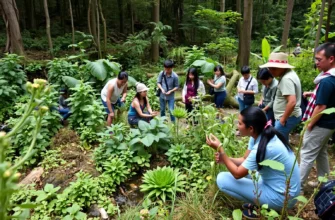
- Engage the Local Community: Ensure that rewilding provides jobs, education, and pride for the people living in the area.
- Monitor and Adapt: Use camera traps and biodiversity surveys to track progress and adjust management strategies as needed.
Emerging Projects: From the Beara Peninsula to Ibiza
Rewilding is no longer confined to the vast mountain ranges of the east or the empty plateaus of the south. It is reaching into the Atlantic fringes and the islands of the Mediterranean. Projects like the beara peninsula rewilding in Ireland show that even small-scale efforts can have a massive impact on local biodiversity and climate resilience.
In Ireland, the focus is on restoring temperate rainforests, a habitat that has almost completely vanished from the island. By removing invasive species like rhododendron and protecting young trees from overgrazing by sheep and deer, landowners are allowing the ancient sessile oak woods to return. This provides a sanctuary for rare mosses, lichens, and birds.
Coastal and Island Rewilding Challenges
Islands present unique challenges and opportunities for restoration. To rewild ibiza, for example, requires a focus on protecting endemic species and managing the impact of tourism. Efforts on the island include restoring traditional salt pans and protecting the Posidonia seagrass meadows, which are critical for carbon sequestration and water clarity.
These coastal and island projects highlight the versatility of the rewilding philosophy. Whether it is a rugged Irish peninsula or a sun-drenched Mediterranean island, the goal remains the same: reducing human pressure and allowing the inherent resilience of nature to flourish.
Common Misconceptions About European Rewilding
Myth: Rewilding means abandoning the land and ignoring human needs.
Fact: Rewilding is a proactive choice to manage land differently. It often creates more jobs in tourism and land management than traditional farming and provides essential services like flood protection and clean water.
Myth: Bringing back predators like wolves and bears is dangerous for people.
Fact: Statistics show that wild carnivores generally avoid human contact. Rewilding projects include extensive education and mitigation measures, such as livestock guarding dogs, to ensure that humans and wildlife can coexist safely.
Myth: Rewilding is only possible in huge, uninhabited wilderness areas.
Fact: While large areas are ideal, rewilding principles can be applied to small farms, urban parks, and coastal strips. Every hectare that is allowed to function naturally contributes to the overall health of the European ecosystem.
In my professional experience, the most common mistake in conservation is the failure to account for trophic cascades. We often try to save a single bird species or a specific flower without realizing that their survival depends on the presence of an apex predator or a large grazer. I always advise that for an ecosystem to be truly functional, it must have trophic complexity. This isn’t just about creating a “pretty” landscape; it’s about the biological machinery of the planet. When we reintroduce a wolf or a bison, we aren’t just adding one animal; we are restarting a chain reaction that affects everything from the soil chemistry to the flow of rivers. Without these key players, we are simply gardening, and gardening is not enough to solve the biodiversity crisis.
Frequently Asked Questions
The goal is to restore natural processes and biodiversity so that ecosystems can become self-sustaining and resilient without the need for constant human management.
Is rewilding in Italy focused only on bears?
No, while the Marsican bear is a flagship species, the focus is on entire ecosystem health, including the restoration of forests, mountain grasslands, and corridors for wolves and deer.
How does rewilding the Carpathians benefit local people?
It drives economic growth through nature-based tourism, provides natural flood defenses, and creates new jobs in conservation and land restoration for Romanian communities.
What animals are being reintroduced in the rewilding Spain projects?
Key species include the Iberian lynx, European bison, and Tauros cattle, which are used to manage the landscape through natural grazing.
Can I visit these rewilding areas in Croatia or Bulgaria?
Yes, many sites in the Velebit and Rhodope Mountains welcome visitors for sustainable activities like wildlife watching, hiking, and photography.
Is rewilding the same as traditional conservation?
Rewilding is more process-oriented and hands-off, whereas traditional conservation often involves intensive management to protect specific species or historical land states.