- Why We Must Rewild Lost Species to Restore Planetary Balance
- The Ecological Void: What Happens When Key Species Vanish?
- The Global Search for Lost Species: Finding the Extinct Who Remain
- From Camera Traps to eDNA: High-Tech Tracking of the Missing
- The Rewild or Die Ethos: Why Modern Civilization is at a Breaking Point
- Rewilders and the Lost Spring: Reclaiming Our Biological Heritage
- Pleistocene Rewilding: Should We Bring Back the Great Beasts?
- Megafauna as Ecosystem Engineers
- Navigating the Discourse: From Rewilding Forums to Civilizational Collapse
- Community Resilience: Learning to Live Off-Grid and Wild
- Actionable Steps: How to Become a Rewilder Today
- From Backyard to Biosphere: Scaling Your Impact
- Frequently Asked Questions
Why We Must Rewild Lost Species to Restore Planetary Balance
Rewilding is far more than a simple conservation strategy; it is a radical reimagining of our relationship with the Earth. Instead of merely protecting the remnants of a fading world, we are now focused on actively bringing life back to landscapes that have been silenced by centuries of industrial expansion and habitat loss.
The core philosophy shifts from managing nature to letting nature manage itself. By reintroducing lost species, we are not just looking for a return to a nostalgic past, but rather restoring the functional architecture of our planet so it can withstand the pressures of a changing climate.
The Ecological Void: What Happens When Key Species Vanish?
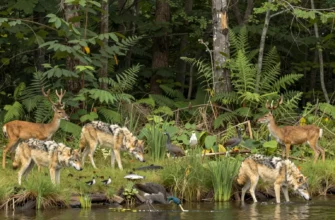
When a keystone species disappears, the entire ecosystem begins to unravel in a process known as a trophic cascade. Without top predators like wolves or large herbivores like bison, the natural checks and balances that maintain biodiversity vanish, leading to overgrazed landscapes and a dramatic loss of plant variety.
Healing the land requires us to identify these biological gaps. When we return these animals to their ancestral homes, they act as ecosystem engineers, restarting natural cycles of nutrient distribution and seed dispersal that have been dormant for decades. This restoration of the food web is the only way to ensure long-term ecological resilience against environmental shocks.
The Global Search for Lost Species: Finding the Extinct Who Remain
The search for lost species is a race against time, blending high-tech forensic science with the grit of field exploration. Scientists are increasingly looking for “Lazarus species”—those thought to be extinct but potentially surviving in pockets of unexplored wilderness or deep-sea trenches.
This rewild search for lost species is driven by the hope that rediscovering a single population can provide the genetic blueprint needed to jumpstart a wider recovery. It is a process of validating sightings and mapping the hidden corners of the globe to find the survivors of the Holocene extinction.
- Document the encounter with precise metadata, including GPS coordinates, time of day, and high-resolution photographic evidence to provide a verifiable baseline.
- Consult with taxonomic specialists and local indigenous guides to rule out similar-looking extant species or potential hybrid variations that could lead to false positives.
- Conduct a localized environmental DNA (eDNA) sweep by collecting water, soil, or air samples to detect microscopic genetic material shed by the elusive animal.
- Deploy a non-invasive camera trap grid across a ten-mile radius to establish if there is a stable breeding population rather than a lone, wandering individual.
- Analyze the data through a peer-review framework to officially declare the species rediscovered and trigger immediate legal habitat protections.
From Camera Traps to eDNA: High-Tech Tracking of the Missing
Traditional tracking methods are being revolutionized by environmental DNA (eDNA) technology. By simply sampling a liter of water from a remote stream, researchers can identify the genetic signatures of every animal that has drank from it in the last 48 hours, making it possible to find wildlife that humans rarely see.
Rediscovering biodiversity also relies heavily on citizen science. When local communities are empowered to report sightings via mobile apps, they become the eyes and ears of global conservation. This collaborative effort is essential for tracking elusive wildlife across vast, rugged terrains where traditional scientific expeditions would be too costly or slow.
The Rewild or Die Ethos: Why Modern Civilization is at a Breaking Point
The “Rewild or Die” movement posits that our current industrial trajectory is not just unsustainable but biologically incompatible with human health. Proponents argue that the domestication of the human spirit has led to a profound “nature deficit disorder,” contributing to the rising rates of chronic stress and psychological alienation in modern society.
This philosophy suggests that we are at a breaking point where we must choose between a sterile, artificial existence or a return to wilder, more integrated ways of living. It is a call to dismantle the barriers between the human world and the biological systems that provide our air, water, and sanity.
Rewilders and the Lost Spring: Reclaiming Our Biological Heritage
The concept of the “Lost Spring” refers to a world where the seasonal rhythms of migration and blooming are disrupted by climate chaos and species loss; By reclaiming our biological heritage, we are learning to live with nature as participants rather than as masters or observers.
Breaking free from modern stress involves more than just a weekend hike; it requires a fundamental shift toward ancestral skills and ecological literacy. Rewilders seek to rebuild the sensory connections to the land that our ancestors took for granted, ensuring that the future is not silent, but filled with the sounds of a vibrant, living world.
Pleistocene Rewilding: Should We Bring Back the Great Beasts?
Pleistocene rewilding is one of the most provocative topics in modern ecology. The idea is to reintroduce proxy species—such as Asian elephants to replace mammoths—to perform the ecological roles of animals that went extinct at the end of the last Ice Age.
The goal isn’t to create a theme park, but to restore the high-productivity grasslands that these megafauna once maintained. These animals are more than just spectacles; they are essential for nutrient cycling and preventing the encroachment of scrubland that can fuel catastrophic wildfires.
Myth: Rewilding is an attempt to create a dangerous “Jurassic Park” scenario in modern populated areas.
Fact: Functional rewilding focuses on using ecological proxies in vast, designated wilderness zones to restore soil health and biodiversity without threatening human safety.Myth: Extinct species are gone forever and their roles cannot be filled by living animals.
Fact: Many modern animals, like the Highland cow or the wild horse, can replicate the grazing patterns and disturbance regimes of their extinct ancestors, successfully repairing broken ecosystems.
Megafauna as Ecosystem Engineers
Large animals like bison and wild horses are nature’s heavy machinery. Through their movement, they disturb the soil, create wallows that become vernal pools, and transport nutrients across vast distances in ways that smaller animals simply cannot match.
Beyond biodiversity, these ancient animal roles are critical for fixing the climate with nature. In northern latitudes, large herbivores trample the snowpack, keeping the ground colder and preventing the release of methane from thawing permafrost, a massive but often overlooked carbon sequestration benefit.
Navigating the Discourse: From Rewilding Forums to Civilizational Collapse
In digital spaces like discuss.rewild.com, the conversation often turns toward the fragility of modern infrastructure. Many in these communities view rewilding as the ultimate insurance policy against civilizational collapse, arguing that wild systems are the only truly resilient ones.
While some see this as alarmist, others find a sense of peace in preparing for a post-industrial future. They focus on building ecological wealth today so that if the global supply chain falters, the local landscape is healthy enough to provide sustenance and shelter through sustainable means.
Community Resilience: Learning to Live Off-Grid and Wild
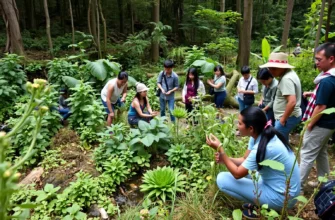
Rewilding communities are increasingly focused on skill-sharing, from primitive fire-making to regenerative foraging. This is not about “prepping” in a bunker, but about fostering self-reliance through a deep understanding of the local flora and fauna.
By building local food security through wild systems—such as perennial food forests and managed wetlands—these groups are creating a blueprint for sustainable community living. This transition away from total dependence on global markets toward a localized, wild-centered economy is a powerful form of climate adaptation.
Actionable Steps: How to Become a Rewilder Today
You do not need thousands of acres to participate in the rewilding movement. Personal agency starts at the local level, where small-scale interventions can create vital stepping stones for wildlife moving through fragmented landscapes.
The transition from theory to practice involves changing your perspective on what “productive” land looks like. It means embracing a bit of wild messiness in exchange for a surge in local insect and bird life, which are the foundations of a healthy biosphere.
- Replace at least 30% of your lawn with native keystone plants to provide essential habitat for local pollinators and birds.
- Practice “benign neglect” by leaving fallen leaves and dead wood in garden corners, creating overwintering sites for beneficial insects.
- Install a small, chemical-free water feature to serve as a hydration station for amphibians and mammals during dry spells.
- Support the creation of wildlife corridors by advocating for green bridges or removing unnecessary fencing that blocks animal movement.
- Join a local “seed bombing” or guerrilla gardening group to introduce native wildflowers to neglected urban spaces or roadside verges.
- Donate to organizations focused on land acquisition for the express purpose of permanent rewilding and species reintroduction.
From Backyard to Biosphere: Scaling Your Impact
Starting a wild garden is the first step toward a larger ecological consciousness. When your backyard connects with your neighbor’s, you begin to create a micro-corridor that allows species to migrate safely through urban environments, increasing the overall genetic health of local populations.
Beyond your own property, supporting conservation means voting for policies that prioritize habitat connectivity over industrial sprawl. By scaling our individual efforts into collective action, we can move from isolated pockets of green to a truly interconnected, wild biosphere.
In my professional experience, the most common mistake in restoration projects is the obsession with “historical fidelity”—trying to force an ecosystem back to exactly how it looked in the year 1700. I always advise practitioners to prioritize evolutionary potential over static history. Rewilding is successful only when we stop trying to be the gardeners of the world and instead restore the keystone processes—like predation, grazing, and flooding—that allow nature to heal itself. Our goal should be to make ourselves redundant, ensuring the land can manage its own future without human interference.
Frequently Asked Questions
It involves reintroducing animals to their historical ranges or searching for surviving “lost” populations to protect them and allow their numbers to naturally expand back into the ecosystem.
Is Pleistocene rewilding actually possible?
Yes, by using proxy species like the Heck cattle or Asian elephants to replicate the ecological functions of extinct megafauna, we can restore the ancient grasslands that once dominated the planet.
What is the core message of the Rewild or Die movement?
The movement argues that industrial civilization is biologically unsustainable and that humans must reintegrate with wild systems and reclaim ancestral skills to survive the coming ecological shifts.
Where can I find communities discussing civilizational collapse and rewilding?
Online hubs like discuss.rewild.com and local permaculture forums are primary spaces where individuals share knowledge on self-reliance, survival, and restoring wild landscapes.
How does rewilding help with climate change?
Restored ecosystems are superior carbon sinks; specifically, large herbivores help maintain permafrost and grasslands, while predators ensure forests grow thick and healthy by controlling grazer populations.
Can rewilding happen in urban environments?
Absolutely, through “micro-rewilding” efforts like pocket forests, green roofs, and daylighting buried streams, we can bring functional biodiversity back into the heart of our cities.