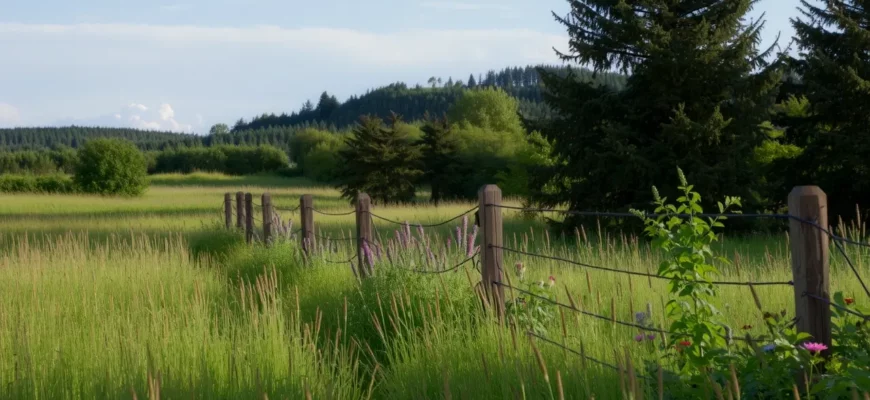
- Why Rewilding Agricultural Land is Essential for Our Future
- Moving Beyond Traditional Farming to Rewilding Agriculture
- Practical Steps: How to Rewild Farmland Without Losing Productivity
- A Phase-Based Approach to Farmland Restoration
- The Role of Agroforestry in Rewilding Agricultural Landscapes
- Why Agroforestry is Intrinsically Linked with Rewilding Success
- Traditional Farming vs. Rewilded Landscapes: A Comparative Look
- Navigating the Human Element: Farmer Concerns and Land Use
- Addressing the Fear of Land Encroachment and Loss of Control
- The Tech Frontier: Rewilding Tomatoes and Biotechnology
- Can Biotechnology Help Us Rewild Our Food Supply?
- Maximizing Your Impact: Common Pitfalls to Avoid
- Expert Perspective: Sustainable Land Transition
- Frequently Asked Questions
Why Rewilding Agricultural Land is Essential for Our Future
The industrialization of agriculture has pushed our planetary boundaries to a breaking point‚ resulting in exhausted soils and a staggering decline in local flora and fauna. Rewilding agriculture offers a radical departure from the extractive models of the past‚ focusing instead on the self-healing capacity of the land. By stepping back and allowing natural processes to take the lead‚ we can transform sterile monocultures into vibrant‚ carbon-syncing ecosystems.
Modern farming often prioritizes short-term yields at the expense of long-term ecological stability. This systemic focus on chemical-heavy production has led to a “biological desert” effect where even the most basic ecosystem services‚ such as pollination and natural pest control‚ have vanished. Transitioning toward rewilded agricultural landscapes is not an act of abandonment but a strategic investment in the resilience of our global food systems.
Moving Beyond Traditional Farming to Rewilding Agriculture
The shift from intensive monocultures to diverse ecosystems requires a fundamental change in how we perceive land value. Traditional farming views any non-crop plant as a competitor‚ yet these “weeds” are often the primary drivers of soil health and insect diversity. Replacing chemical fertilizers with natural nitrogen fixation processes allows the soil microbiome to recover‚ creating a self-sustaining nutrient cycle that requires zero external inputs.
Intensive farming has historically fragmented the countryside‚ leaving small‚ isolated pockets of nature that cannot support complex trophic cascades. When we rewild agriculture‚ we reconnect these fragments‚ allowing keystone species to move freely and fulfill their ecological roles. Restoring these biological corridors is the only way to reverse the local extinction of specialist species that have been pushed out by decades of hedge-to-hedge plowing.
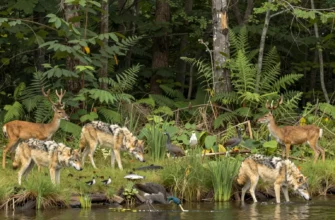
Wildlife impact is not merely a “nice-to-have” aesthetic benefit; it is a functional necessity for a productive landscape. A rewilded farm acts as a reservoir for predatory insects and birds that provide free pest management services for neighboring active fields. Data shows that farms integrated with wild zones often see a significant reduction in aphid and rodent damage without the need for synthetic interventions.
Practical Steps: How to Rewild Farmland Without Losing Productivity
Transitioning a working farm into a rewilded state is a delicate balancing act that requires a phased approach to ensure financial and ecological viability. The goal is to move away from high-maintenance management toward a system that regulates itself through natural complexity. By following a structured timeline‚ landowners can mitigate the risks of sudden yield drops while maximizing the speed of biodiversity recovery.
Success in farmland restoration depends heavily on site preparation and a deep understanding of the local hydrology. Before any seeds are sown or fences moved‚ you must understand how water moves across your landscape and where the soil remains most depleted. Mapping these environmental variables ensures that your restoration efforts align with the land’s inherent potential rather than fighting against it.
- Soil Assessment and Chemical Cessation: Begin by testing for residual pesticide levels and heavy metals. Stop all applications of synthetic nitrogen and herbicides immediately to allow the soil’s fungal networks to begin re-establishing themselves. Wait at least one full growing season before introducing new perennial species to ensure the soil chemistry has begun to stabilize.
- Identifying and Protecting Wild Pockets: Search the property for “refugia”—areas like old hedgerows‚ damp corners‚ or rocky outcrops where native plants have survived. Fence these areas off from livestock to prevent overgrazing and allow them to serve as natural seed sources for the rest of the farm. Removing grazing pressure for just 24 months can trigger a massive surge in dormant wildflower populations.
- Strategic Planting of Keystone Species: Introduce “architect” plants that provide structure and food for a wide range of animals. Focus on native oaks‚ willows for riparian buffers‚ and nitrogen-fixing shrubs like gorse or broom. Planting in clusters rather than rows mimics natural dispersal patterns and creates the micro-climates necessary for delicate understory plants to thrive.
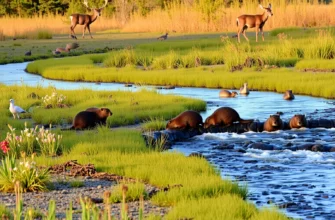
- Hydrological Restoration: If your land was historically drained for farming‚ consider “breaking” old drainage tiles to restore natural wetlands. Re-wetted peatlands and marshes are some of the most effective tools for carbon sequestration available to landowners. Restoring a single hectare of wetland can store more carbon than several hectares of young forest.
- Managed Disturbance: Introduce hardy‚ traditional livestock breeds to act as proxies for extinct megafauna. Their grazing‚ trampling‚ and dunging create a mosaic of different habitats that a mower or tractor could never replicate. Use a “pulse grazing” strategy where animals are moved frequently to prevent the over-consumption of sensitive saplings.
A Phase-Based Approach to Farmland Restoration
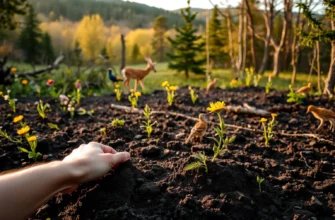
The initial phase of how to rewild farmland focuses almost entirely on the removal of negative stressors. This means ending the constant disturbance of the soil through tilling‚ which destroys the delicate mycelial threads essential for nutrient transport. Allowing the land to “breathe” for the first two years often results in the emergence of rare annuals that have been waiting in the seed bank for decades.
As the transition progresses‚ the focus shifts toward increasing structural complexity. By allowing scrub to develop‚ you provide nesting sites for songbirds and shelter for small mammals‚ which in turn attract larger predators. A diverse structural landscape acts as a thermal buffer‚ protecting the ground from extreme heat and maintaining moisture levels during periods of drought.
In the final stages‚ the human role transitions from “manager” to “observer.” You may still intervene to control invasive non-native species‚ but the primary ecological drivers—such as seed dispersal and nutrient cycling—should be functioning independently. The ultimate metric of success is the return of a self-sustaining trophic web where species interact without human mediation.
The Role of Agroforestry in Rewilding Agricultural Landscapes
Agroforestry serves as the perfect bridge between active food production and wild nature‚ proving that we do not have to choose between forests and fields. By integrating trees into the farming landscape‚ we create multi-dimensional spaces that produce food‚ timber‚ and habitat simultaneously. This system mimics the “wood-pasture” environments that covered much of the temperate world before the advent of industrial agriculture.
The synergy between trees and crops is a cornerstone of regenerative land management. Trees act as “nutrient pumps‚” drawing minerals from deep in the subsoil and depositing them on the surface via leaf litter. Integrating deep-rooted tree species can increase the overall biomass of a farm by 40% compared to open pasture or arable fields alone.
Why Agroforestry is Intrinsically Linked with Rewilding Success
Tree canopies function as vital highways for wildlife‚ allowing species to migrate across the landscape without leaving the safety of cover. In a rewilding context‚ these corridors prevent the “island effect‚” where populations become genetically stagnant due to isolation. Establishing a network of agroforestry belts can increase bird diversity by up to 50% within just five years of planting.
Silvopasture—the practice of grazing livestock among trees—is a powerful tool for improving water retention. The tree roots create channels in the soil that allow rainwater to penetrate deeper‚ reducing runoff and erosion. In drought-prone regions‚ silvopasture systems remain green for weeks longer than open pastures because the canopy reduces evaporation and provides shade for the herd.
Applying permaculture principles to large-scale rewilding involves designing for “edge effects.” The border between a forest and a field is often the most biodiverse area in any ecosystem. By creating undulating‚ non-linear edges through agroforestry‚ we maximize the available niche space for diverse species. Designing for “maximum edge” ensures that every part of the farm benefits from the protective influence of the trees.
Traditional Farming vs. Rewilded Landscapes: A Comparative Look
Understanding the differences between conventional agricultural models and rewilded systems requires looking at long-term stability rather than just immediate output. While traditional farming excels at producing high volumes of a single commodity‚ rewilded landscapes excel at producing a wide array of ecological and social benefits. The following table highlights the critical metrics that define these two different approaches to land management.
| Metric | Traditional Intensive Farming | Rewilded / Regenerative Landscapes |
|---|---|---|
| Biodiversity Levels | Low; dominated by 1-2 crop species and minimal wildlife. | Very High; supports hundreds of insect‚ bird‚ and plant species. |
| Labor Requirements | High; constant need for tilling‚ spraying‚ and harvesting. | Low to Moderate; focuses on observation and minimal intervention. |
| Carbon Sequestration | Negative; tilling and fertilizers release CO2 and Nitrous Oxide. | Highly Positive; deep soil and woody biomass store massive carbon. |
| Water Management | Poor; high runoff and risk of chemical leaching into aquifers. | Excellent; natural filtration and high soil sponge capacity; |
| Economic Resilience | Low; vulnerable to market fluctuations and input costs. | High; diversified income through credits‚ tourism‚ and niche crops. |
The data suggests that while traditional farming provides a predictable yield in the short term‚ it is increasingly fragile in the face of climate change. Rewilded systems‚ by contrast‚ build “natural capital” that appreciates over time. A rewilded landscape is essentially an insurance policy against environmental volatility‚ providing a stable foundation for future food security.
Labor costs in traditional farming are often obscured by the high price of machinery and fuel. In a rewilded model‚ the “labor” is performed by the ecosystem itself. Birds handle pest control‚ worms handle aeration‚ and fungi handle fertilization‚ allowing the landowner to focus on high-value strategic management rather than constant manual toil.
Navigating the Human Element: Farmer Concerns and Land Use
Rewilding is often met with skepticism or outright hostility in rural communities‚ where the land is tied to identity and survival. The fear that rewilding land encroachment of farmer interests will lead to the death of rural economies is a significant hurdle. To succeed‚ rewilding must be a collaborative process that respects the deep knowledge held by those who have worked the soil for generations.
Economic survival is the primary concern for most landowners considering a transition. If rewilding is seen as a “land grab” by urban environmentalists‚ it will fail. Instead‚ we must develop financial frameworks where farmers are paid for the ecosystem services they provide‚ such as clean water and carbon storage‚ just as they are currently paid for grain or meat;
Addressing the Fear of Land Encroachment and Loss of Control
Managing the boundary between wild spaces and active crops is essential for maintaining neighborly relations. A common fear is that rewilded areas will become breeding grounds for weeds or pests that then “invade” adjacent commercial farms. Using well-maintained buffer zones and clear communication can mitigate these conflicts and demonstrate that rewilding and farming can be good neighbors.
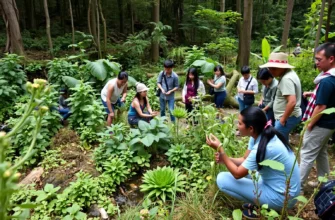
Community-led rewilding initiatives are far more successful than top-down mandates. When farmers are given the agency to design their own restoration plans‚ they often find innovative ways to integrate nature that outsiders would miss. Success stories often involve “cluster farms” where multiple neighbors coordinate to create a single‚ large-scale ecological corridor across their collective properties.
The loss of control is a psychological barrier as much as a practical one. Farming is traditionally about “taming” nature‚ while rewilding is about letting go. Shifting the definition of a “good farmer” from someone with clean‚ weed-free fields to someone with a healthy‚ buzzing ecosystem is a cultural shift that requires time and visible examples of success.
The Tech Frontier: Rewilding Tomatoes and Biotechnology
Biotechnology is often viewed as the antithesis of rewilding‚ yet it may be one of our most powerful tools for restoring the genetic health of our food supply. Our modern crops are genetic shadows of their wild ancestors‚ having lost the ability to survive without human intervention. By “rewilding” the genomes of our staple foods‚ we can create plants that are as hardy as weeds but as productive as modern cultivars.
The example of rewilded tomatoes biotechnology demonstrates the potential of this approach. Scientists are looking back at wild tomato species from South America that thrive in salty soils and resist blight naturally. By reintroducing these specific wild alleles into commercial varieties‚ we can eliminate the need for copper-based fungicides and heavy irrigation.
Can Biotechnology Help Us Rewild Our Food Supply?
The debate between using heirloom varieties and biotechnological intervention is often polarized. Heirloom seeds preserve history‚ but gene editing can quickly correct the genetic bottlenecks caused by centuries of selective breeding. Using CRISPR to restore “lost” traits allows us to rewild our crops in a single generation‚ a process that would take decades through traditional crossing.
Ethical concerns regarding gene editing in rewilding cannot be ignored. Critics argue that we are further “engineering” nature rather than letting it be wild. However‚ if the goal is to reduce the chemical footprint of agriculture‚ biotech-enhanced crop resilience is a far more sustainable path than continued reliance on the pesticide treadmill.
In the future‚ we may see “feral crops” that are designed to be scattered into rewilded landscapes‚ providing food for both humans and wildlife without any formal cultivation. This would represent the ultimate convergence of technology and ecology. A food system based on genetically robust‚ self-seeding perennials would be the pinnacle of a rewilded agricultural future.
Maximizing Your Impact: Common Pitfalls to Avoid
Embarking on a rewilding journey is an exercise in patience‚ but it is also easy to make mistakes that can stall progress for years. One of the most common errors is “planting and forgetting.” While rewilding encourages minimal intervention‚ the early stages often require active management to ensure that a few aggressive species don’t monopolize the entire site.
Invasive species management is a critical task that cannot be ignored. In the absence of a fully functioning ecosystem‚ non-native plants like Japanese Knotweed or Himalayan Balsam can quickly take over‚ creating a “green desert” that supports very little native life. Regular monitoring and targeted removal of invasives are mandatory until the native canopy is strong enough to shade them out.
- Ignoring Hydrology: Don’t try to plant trees in areas that are naturally meant to be bogs. Always let the water dictate the habitat type; trying to drain land for “forest rewilding” is counterproductive.
- Over-Planting: Resist the urge to fill every square inch with nursery-bought trees. Natural regeneration produces hardier trees that are better adapted to the specific soil and climate of your site.
- Poor Drainage Management: Blocking drains too quickly can cause flooding on neighboring properties. Consult with a hydrologist to ensure your “wild” water stays on your land and doesn’t create legal liabilities.
- Lack of Community Engagement: Failing to explain your goals to neighbors can lead to complaints about “messy” land. Erecting clear signage and hosting farm walks can turn skeptics into supporters.
- Introducing Livestock Too Early: If you bring in heavy grazers before the native plants have established deep roots‚ they will simply destroy the progress. Wait until your “architect” plants are at least 1.5 meters tall before introducing cattle or ponies.
Expert Perspective: Sustainable Land Transition
In my professional experience‚ the biggest hurdle for landowners isn’t a lack of ecological knowledge—it’s the psychological need to “do something.” I always advise that rewilding is not abandonment; it is a sophisticated form of land management where your primary tool is observation. I have found that passive rewilding‚ where you simply stop the disturbance and wait for the seed bank to respond‚ almost always results in a more resilient ecosystem than active‚ human-designed planting schemes. My professional recommendation is to spend the first two years doing nothing but walking the land and recording what appears naturally. Only when you see a specific gap in the trophic ladder should you consider an active intervention‚ such as reintroducing a specific keystone species or modifying a watercourse. Patience is the most valuable input you can provide.
Frequently Asked Questions
Yes‚ rewilding and productive farming are not mutually exclusive. Through systems like agroforestry‚ silvopasture‚ and regenerative grazing‚ you can produce high-quality food while significantly increasing the biodiversity and ecological health of your property.
Does rewilding farmland increase the risk of pests?
Initially‚ you may see an increase in certain insects‚ but a rewilded system quickly attracts natural predators like ladybugs‚ hoverflies‚ and birds. A balanced ecosystem typically results in lower overall pest damage than a monoculture because the pests no longer have an infinite food supply without opposition.
What are the first steps to rewilding a small agricultural plot?
The most effective first steps are to stop using all chemical inputs‚ cease mowing or tilling‚ and observe the natural water flow. Allowing native grasses and “weeds” to grow provides the necessary cover for the first wave of colonizing insects and small mammals.
How does rewilding agricultural land help with climate change?
Rewilding turns farmland from a carbon source into a carbon sink. By building deep soil organic matter and increasing woody biomass‚ the land sequester massive amounts of CO2. Additionally‚ increased vegetation has a localized cooling effect and improves the landscape’s resilience to floods and droughts.
Is there government funding available for agricultural rewilding?
Many regions now offer environmental stewardship grants and carbon credit programs that pay farmers for ecological restoration. As agricultural policy shifts globally‚ funding is increasingly moving away from production-based subsidies toward “public money for public goods” like biodiversity and clean water.
What is the difference between rewilding and simple land abandonment?
Rewilding is a conscious‚ managed transition aimed at restoring specific ecological processes and trophic levels. Abandonment often leads to a takeover by invasive species and a loss of biodiversity‚ whereas rewilding uses targeted interventions to ensure a healthy‚ native ecosystem emerges.