- Why the Chest Freezer Cold Plunge Remains a DIY Favorite
- The Economics of DIY Cold Water Immersion
- Critical Safety Steps for Your Freezer Conversion
- Essential Modifications for a Leak-Proof Experience
- From Andy Frisella to Liquid Death: Cold Plunge Culture
- The Influence of the 75 Hard Mental Toughness Routine
- Morozko Forge vs․ Tru Grit: Finding Your Price Point
- Is the Morozko Forge Worth the Premium Investment?
- Real-World Performance: Iceburg and Morozko Forge Cold Plunge Reviews
- What Owners Say About Longevity and Maintenance
- Deciding Factors: Which Setup Wins for You?
- The Verdict on the DIY Route
- Frequently Asked Questions
Why the Chest Freezer Cold Plunge Remains a DIY Favorite
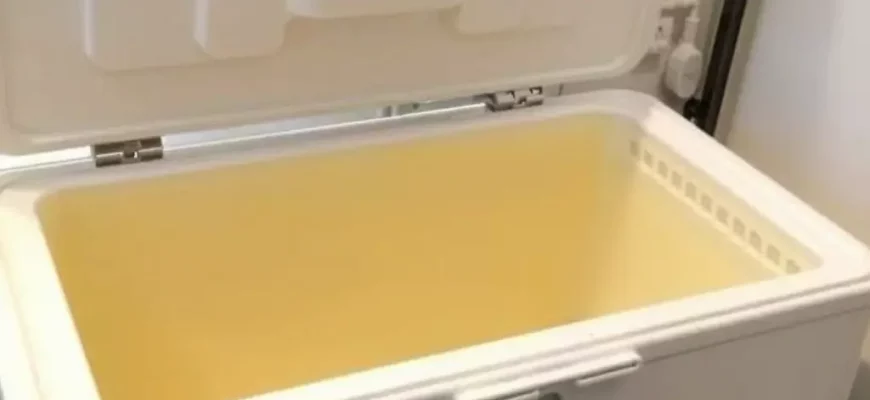
The rise of cold water immersion has transformed from a niche athletic recovery tactic into a cornerstone of the modern home wellness spa․ While professional tubs cost as much as a used car, the humble chest freezer offers a gritty, effective entry point for those willing to trade a Saturday afternoon for a lifetime of chilled water․
Choosing a chest freezer over buying bags of ice is a fundamental shift in how you approach recovery․ Instead of the “ice tax”—the recurring cost and logistical headache of hauling 40 pounds of ice from the gas station—a freezer conversion provides a consistent, thermostatically controlled environment that is ready the moment you wake up․
The Economics of DIY Cold Water Immersion
Financial logic is the primary driver for most DIY builds․ If you are plunging three times a week and using four bags of ice per session, you are likely spending upwards of $80 per month just to keep your water temp below 50 degrees․ A standard 7-cubic-foot chest freezer can be found for under $300, meaning the unit pays for itself in less than four months of consistent use․
Beyond the raw savings, the home cold therapy setup allows for a level of customization that commercial units often lack․ You can choose your own filtration grade, add custom lighting, or even wrap the exterior in cedar to match your patio aesthetic․ For the home tinkerer, the build process is a “rite of passage” that deepens the commitment to the practice of cold exposure․
Critical Safety Steps for Your Freezer Conversion
Mixing several hundred liters of water with a high-voltage appliance is inherently risky if you cut corners․ To ensure your morning recovery routine doesn’t become a medical emergency, you must treat the electrical and structural integrity of the build with absolute seriousness․ Never enter a plugged-in freezer; even the most robust builds can experience a ground fault․
- Install a dedicated GFCI outlet or use a high-quality GFCI adapter to prevent accidental electrocution if a leak occurs․
- Apply a marine-grade sealant like JB Weld or food-grade silicone to every internal seam, as water pressure will eventually force its way into the insulation without a perfect seal․
- Use an external temperature controller (like an Inkbird) to manage the cooling cycles, preventing the compressor from burning out or freezing the water into a solid block․
- Implement a strict “power-off” protocol by using a heavy-duty mechanical timer that cuts all electricity to the unit during your scheduled plunge window․
- Ensure the freezer is level to distribute the weight of the water evenly, preventing the metal frame from warping over time․
Essential Modifications for a Leak-Proof Experience
The most common failure point in a chest freezer cold plunge isn’t the motor; it’s the seams․ Standard freezers are designed to hold dry frost, not 500 pounds of liquid․ Using specialized waterproof sealing tips, such as applying Pond Armor or several layers of specialized resins, creates a monolithic basin that can withstand the constant hydrostatic pressure of a full tub․
Safety extends beyond the build itself to how you handle your body after the soak․ Staying safe after a cold plunge requires a focus on thermal regulation; always have a towel and dry clothes within arm’s reach to combat the “afterdrop,” where your core temperature continues to fall even after you’ve exited the water․ By combining a leak-proof build with a disciplined exit strategy, you minimize the risks associated with extreme temperature shifts․
From Andy Frisella to Liquid Death: Cold Plunge Culture
Cold plunging has transcended its roots in sports science to become a cultural phenomenon fueled by the “embrace the suck” ethos․ Influencers like Andy Frisella have integrated cold exposure into rigorous mental toughness frameworks, framing the ice bath not just as a physical recovery tool, but as a psychological battleground where discipline is forged․
This cultural shift is echoed by brands like Liquid Death, which lean into a high-energy, irreverent aesthetic that resonates with a younger, more aggressive wellness demographic․ The message is clear: the cold isn’t something to be feared; it is a tool for sharpening the mind and proving to yourself that you can handle discomfort․ This “hard-core” branding has moved the cold plunge from the physical therapy clinic to the home garage․
The Influence of the 75 Hard Mental Toughness Routine
Programs like 75 Hard have popularized the idea that daily recovery habits are actually exercises in grit․ When you commit to a daily cold soak, you are practicing vagus nerve stimulation, which helps regulate your nervous system and builds a “buffer” against daily stress․ It is the ultimate form of proactive mental health management․
The psychological benefits of doing hard things cannot be overstated․ By voluntarily stepping into 40-degree water, you are training your brain to remain calm under intense physiological stress․ This translates directly to real-world performance, allowing you to maintain focus during high-pressure meetings or difficult personal situations because you have already conquered your most basic survival instincts earlier that morning․
Morozko Forge vs․ Tru Grit: Finding Your Price Point
When you move from the DIY world into professional-grade equipment, the conversation shifts from “how do I build this” to “what am I paying for․” The market is currently split between high-end luxury icons and more utilitarian, commercial-grade portable units․ Each serves a specific type of user, and the price delta is usually justified by the complexity of the cooling and filtration systems․
| Feature | Morozko Forge | Tru Grit / True Grit |
|---|---|---|
| Core Technology | Self-cleaning, ice-making stainless tub | Inflatable drop-stitch or modular tub |
| Filtration | Ozone + 20-micron microfiltration | External pump and basic sediment filter |
| Temperature Range | Can reach 33°F (makes its own ice) | Typically 37°F to 45°F via chiller |
| Price Point | $12,000 ‒ $19,000 | $2,500 ‒ $5,000 |
| Best For | Permanent luxury home spas | Athletes and commercial gym use |
Is the Morozko Forge Worth the Premium Investment?
The Morozko Forge is often cited as the gold standard because it is the only unit on the market that actually produces its own ice․ While other “professional grade cold plunge” units rely on chillers to cool the water, the Morozko uses a patented cooling system that creates a thin layer of ice on the surface, providing a sensory experience that mimics a natural frozen lake․
Furthermore, the inclusion of clean water technology via built-in ozone generators means you rarely have to change the water․ For a high-net-worth individual or a luxury spa owner, the time saved on maintenance and the aesthetic appeal of the handcrafted wood and steel far outweigh the initial capital expenditure․ It is a “buy once, cry once” investment for the serious practitioner․
Real-World Performance: Iceburg and Morozko Forge Cold Plunge Reviews
After the initial excitement of a new cold plunge wears off, the reality of maintenance sets in․ User reviews for the Iceburg (a popular mid-range option) and the Morozko Forge reveal that durability is directly tied to how well you manage water chemistry․ Even the most expensive units can suffer from pump failure if hair, skin cells, and oils are allowed to clog the internal mechanics․
Long-term owners of the Iceburg often praise its portability and quick setup, but some note that the external chiller can be noisy during the peak of summer․ In contrast, Morozko owners report a much quieter operation but emphasize that the stainless steel requires regular wiping to prevent mineral buildup from hard water․ Understanding these small operational nuances is key to long-term satisfaction․
What Owners Say About Longevity and Maintenance
Maintenance requirements are the “hidden cost” of any cold plunge setup․ In many Iceburg cold plunge reviews, users mention that changing the 5-micron filters every two weeks is essential to prevent the water from becoming cloudy․ Without a robust filtration system, a cold plunge can quickly become a breeding ground for bacteria, regardless of how cold the water is․
For the long-term user experience, the consensus is that automated sanitation is the most valuable feature you can pay for․ If you are building a DIY setup, adding an aftermarket ozone generator or an aquarium-grade UV sterilizer can bridge the gap between a “swampy” freezer and a professional-grade experience․ Consistency in maintenance leads to consistency in your recovery routine․
Deciding Factors: Which Setup Wins for You?
Choosing between a chest freezer cold plunge and a professional unit comes down to a three-way balance: budget, technical skill, and your “hassle tolerance․” If you enjoy the process of building and don’t mind the occasional leak or maintenance hurdle, the DIY route is unbeatable․ However, if you want a seamless, “set it and forget it” experience, a commercial unit is the clear winner․
| Setup Type | Pros | Cons |
|---|---|---|
| DIY Chest Freezer | Ultra-low cost; Highly customizable; Deep basin depth․ | Significant safety risks; Requires manual sealing; No built-in filtration․ |
| Commercial Pro Tub | Plug-and-play; Advanced filtration; Warranty protection․ | High upfront cost; Large footprint; Can be difficult to repair․ |
The Verdict on the DIY Route
The DIY route remains the best budget ice bath for those who are willing to put in the “sweat equity․” It allows you to enter the world of cold therapy for under $500, which is a fraction of the cost of even the cheapest commercial chillers․ For a hobbyist who enjoys engineering their own solutions, the DIY freezer is a rewarding project that delivers 90% of the benefits of a pro unit․
However, the pros and cons of DIY must be weighed carefully․ The primary risk is not just a leak, but the potential for structural failure of the freezer floor over several years of use․ If you are not comfortable working with sealants, electrical timers, and basic plumbing, the “savings” of a DIY build can quickly be erased by the cost of water damage to your garage or home․ Know your limits before you start the conversion․
In my professional experience working with thermal regulation systems, the most overlooked factor in cold plunging isn’t the temperature—it’s the thermal mass and water hygiene․ A chest freezer has incredible insulation, but it lacks the active turnover needed to keep water biologically safe․ I always advise my clients that a dirty cold plunge is a liability to your skin and respiratory health․ If you are going the DIY route, you must prioritize a high-turnover filtration system․ Simply getting the water cold is easy; keeping 100 gallons of standing water sanitary while a human body introduces bacteria daily is the real engineering challenge․ Furthermore, remember that water at 50 degrees with high flow feels significantly colder than 40-degree stagnant water due to the breaking of the thermal bridge around your skin․
Frequently Asked Questions
It is only safe if you completely seal the interior with marine-grade sealant and always unplug the unit before entering to eliminate the risk of electric shock․
How does the Morozko Forge differ from a standard ice bath?
The Morozko Forge is unique because it features an integrated cooling system that produces actual ice and utilizes high-level ozone filtration to keep water clean for months without a change․
Is the Tru Grit cold plunge portable?
Yes, many Tru Grit models use durable inflatable drop-stitch technology, allowing the tub to be deflated and moved easily compared to a heavy, permanent chest freezer․
How do I keep the water clean in a DIY chest freezer cold plunge?
You should use a combination of ozone generators, food-grade hydrogen peroxide (35%), and a small submersible aquarium filter to remove debris and neutralize bacteria․
What temperature should a beginner start at?
Beginners should start between 50°F and 55°F for short durations, gradually lowering the temperature as their metabolic and nervous systems adapt to the cold shock․
Can I leave a chest freezer cold plunge outside?
You can, but you must protect it from direct sunlight and rain with a heavy-duty cover to prevent the compressor from overheating or the exterior from rusting prematurely․