- How Cold Plunging for Arthritis Targets the Root of Joint Pain
- The Science of Reducing Swelling Without Medication
- Specific Relief: Cold Plunge for Rheumatoid and Psoriatic Arthritis
- Managing Ankylosing Spondylitis and Systemic Flare-ups
- Soothing the Spine: Cold Plunge for Back Pain and Sciatica
- Why Your Lower Back Responds to Sudden Cold
- From Knee Pain to Plantar Fasciitis: Lower Body Recovery
- Healing Tendonitis and Sprained Ankles with Ice Baths
- Visual Guide: The Ideal Cold Plunge Protocol for Pain Relief
- Safety First: Avoiding the Afterdrop
- Beyond the Joints: Cold Plunge for Migraines and Sore Muscles
- The Vagus Nerve Connection to Pain Tolerance
- Common Mistakes: Why Your Cold Plunge Might Not Be Working
- Expert Perspective: The Minimum Effective Dose
- Frequently Asked Questions
How Cold Plunging for Arthritis Targets the Root of Joint Pain
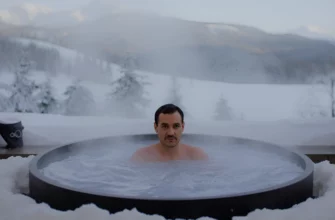
Arthritis is not merely a sensation of discomfort; it is a physiological state where the body remains in a perpetual loop of inflammation․ Cold water immersion disrupts this cycle by forcing a systemic response that narrows blood vessels and redirects blood flow toward the vital organs․ This process, known as vasoconstriction, is the primary mechanism through which a cold plunge for arthritis provides immediate, tangible relief for those suffering from stiff and swollen joints․
When you submerge your body in water below 60°F, the sudden drop in skin temperature triggers the release of norepinephrine, a hormone and neurotransmitter that acts as a potent anti-inflammatory agent․ This isn’t just a temporary numbing effect; it is a biochemical intervention that lowers the levels of pro-inflammatory cytokines in the blood․ For someone living with chronic joint pain, this shift can mean the difference between a day spent in bed and a day of functional movement․
The Science of Reducing Swelling Without Medication
The most immediate benefit of cold therapy is its ability to provide joint swelling relief by physically moving fluid away from congested areas․ When your limbs are exposed to the cold, the blood vessels constrict, which effectively pumps out metabolic waste and excess fluid trapped in the joint capsule․ Once you exit the water and begin to warm up, a process called vasodilation occurs, where fresh, oxygen-rich blood rushes back into the tissues, accelerating the removal of inflammatory markers like C-reactive protein․
Beyond fluid movement, the body produces specific molecules known as cold shock proteins, such as RBM3, during immersion․ These proteins have been shown to protect neurons and assist in cellular repair, particularly in the synovial membranes that line your joints․ By stimulating these proteins, you are essentially giving your body the tools to repair microscopic cellular damage that occurs during a typical arthritis flare-up․ This biological “cleanup” is why many practitioners find they can reduce their reliance on over-the-counter NSAIDs when they maintain a consistent plunging schedule․
Specific Relief: Cold Plunge for Rheumatoid and Psoriatic Arthritis
Autoimmune conditions like rheumatoid arthritis (RA) and psoriatic arthritis (PsA) present a unique challenge because the pain is caused by the immune system attacking the body’s own tissues․ Unlike osteoarthritis, which is often localized to a specific worn-down joint, RA and PsA are systemic․ A cold plunge for rheumatoid arthritis works by modulating the entire immune response, rather than just treating a single knee or elbow․ The cold shock acts as a “reset” for the nervous system, potentially dampening the overactive immune signals that lead to joint destruction․
For those with psoriatic arthritis, the benefits often extend to the skin as well․ The cold water can help soothe the intense itching and redness associated with psoriasis plaques, while simultaneously addressing the deep-seated joint inflammation․ It is a dual-action therapy that targets both the visible and invisible symptoms of the disease․ While it may feel counterintuitive to put “stressed” skin into freezing water, the resulting decrease in skin-surface blood flow can significantly reduce the heat and irritation felt during a flare․
Managing Ankylosing Spondylitis and Systemic Flare-ups
Ankylosing spondylitis (AS) primarily affects the spine and sacroiliac joints, leading to a debilitating type of stiffness that is usually worst in the morning․ Using a cold plunge for ankylosing spondylitis can help break the “stiffness cycle․” By submerging the entire torso, you target the ligaments and tendons of the spinal column that are prone to calcification and inflammation․ The hydrostatic pressure of the water also provides a gentle compression that supports the spine while the cold reduces the internal temperature of the deep spinal tissues․
Managing systemic inflammation requires a proactive approach to timing․ Many patients find that a short plunge in the late afternoon or early evening helps prevent the buildup of inflammatory chemicals that cause morning “geling”—the feeling of being frozen in place upon waking․ By lowering your core temperature and calming the nervous system before sleep, you may find that the characteristic morning rigidity of AS and RA is significantly diminished the following day․
Soothing the Spine: Cold Plunge for Back Pain and Sciatica
Back pain is often a combination of structural issues, muscle spasms, and nerve irritation․ While many people reach for a heating pad, heat can actually increase swelling in the acute stages of an injury or during a disc-related flare-up․ A cold plunge for lower back pain provides a multi-faceted approach: it numbs the sensory nerves, reduces the volume of inflamed discs, and forces the deep stabilizing muscles of the core to engage without the strain of gravity․
Sciatica, in particular, responds remarkably well to cold because the sciatic nerve is the largest nerve in the body and highly sensitive to pressure from surrounding inflamed tissues․ When you use a cold plunge for sciatica pain, you are essentially slowing down the nerve conduction velocity․ This means the pain signals traveling from your lower back, through your glutes, and down your leg are physically slowed down, providing a window of relief that can last for several hours after the plunge․
| Factor | Pros of Cold Plunging | Cons of Cold Plunging |
|---|---|---|
| Nerve Sensitivity | Rapidly desensitizes the sciatic nerve, providing immediate numbing․ | Initial cold shock can cause a temporary “gasp reflex․” |
| Muscle Response | Interrupts the pain-spasm-pain cycle by forcing muscle relaxation post-plunge․ | May cause initial muscle guarding or shivering if the water is too cold․ |
| Inflammation Control | Actively reduces swelling around herniated or bulging discs․ | Requires a high level of mental discipline to remain submerged․ |
| Long-Term Mobility | Reduces systemic markers of inflammation over time․ | Not a replacement for physical therapy or structural correction․ |
Why Your Lower Back Responds to Sudden Cold
The lower back is a complex network of vertebrae, discs, and nerves that are constantly under pressure․ When you enter a cold plunge tub, the buoyancy of the water immediately offloads the weight from your lumbar spine․ This decompression allows the cold water to circulate more effectively around the joints of the back․ As the temperature of the deep tissue drops, the “gate control theory” of pain kicks in: the cold sensations travel faster to the brain than the dull, aching pain signals, effectively “closing the gate” on the back pain․
Furthermore, the cold helps to break the cycle of protective muscle guarding․ When your back hurts, your muscles tighten to protect the area, which in turn causes more pain․ The intense cold forces those muscles to eventually release their grip․ By resetting the neuromuscular tone of the erector spinae and quadratus lumborum, you can achieve a level of lower back relief that traditional stretching or massage often fails to reach during an acute flare․
From Knee Pain to Plantar Fasciitis: Lower Body Recovery
The lower extremities—the knees, ankles, and feet—are often the hardest hit by both osteoarthritis and mechanical injuries․ These areas have a high concentration of connective tissue but relatively low blood flow compared to the large muscle groups of the thighs or back․ This makes them prone to “stagnant” inflammation․ Using a cold plunge for knee pain allows the cold to penetrate deep into the joint capsule, reaching the synovial fluid that lubricates the knee, which heat simply cannot do as effectively․
Plantar fasciitis and shin splints also benefit from the systemic nature of a plunge․ While many people try “ice rolling” their feet, a full-body plunge ensures that the entire kinetic chain—from the calves to the Achilles tendon to the plantar fascia—is treated simultaneously․ This is vital because foot pain is often a result of tightness in the posterior chain, and a full-body immersion addresses the root cause rather than just the localized symptom․
Healing Tendonitis and Sprained Ankles with Ice Baths
If you are dealing with an acute injury, such as a sprained ankle, the first 72 hours are critical․ A cold plunge for sprained ankle is far more effective than a simple ice pack because it provides 360-degree coverage and hydrostatic pressure․ This combination prevents the “pitting edema” or heavy swelling that often follows a ligament tear․ By keeping the swelling under control from the start, you allow the healing nutrients in the blood to reach the site of the tear much faster once you begin the rewarming process․
For chronic issues like tendonitis, the goal is slightly different․ Tendonitis is often a “smoldering” inflammation of the tendon sheath․ The repetitive “flushing” action caused by the cold plunge—the cycle of constriction and then dilation—acts as a mechanical pump for the tendons․ This clears out the chemical irritants that cause the characteristic “burning” sensation of tendonitis in the elbows, knees, or ankles, allowing for more comfortable movement during daily activities․
Visual Guide: The Ideal Cold Plunge Protocol for Pain Relief
When plunging for pain management, the goal is therapeutic benefit, not a test of will․ You want to stay in the water long enough to trigger the anti-inflammatory response but not so long that you cause excessive muscle tension or hypothermia․ The following protocol is designed specifically for those with chronic joint and back issues to ensure maximum safety and efficacy․
Safety First: Avoiding the Afterdrop
The “afterdrop” is a phenomenon where your core temperature continues to fall even after you have left the cold water․ This happens because the cold blood from your extremities begins to circulate back to your core as you warm up․ For people with arthritis, a severe afterdrop can cause intense shivering, which might lead to muscle strain or a temporary increase in joint stiffness․ To stay safe, always prioritize a gradual rewarming process over a sudden heat source․
Avoid the temptation of a hot bath or shower for at least 30 minutes post-plunge․ Instead, perform some light mobility work, like air squats or arm circles, to get your blood moving naturally․ This internal heat generation is far more beneficial for joint health than external heat, as it reinforces the vascular “pump” started by the cold water․ If you feel dizzy or excessively fatigued, shorten your next session; the best water temperature for pain is the one your body can recover from without extreme shivering․
Beyond the Joints: Cold Plunge for Migraines and Sore Muscles
The benefits of cold plunging extend far beyond the joints of the limbs․ Many chronic pain sufferers also deal with tension headaches or vascular migraines․ The theory behind using a cold plunge for migraines involves the rapid constriction of the carotid arteries and other blood vessels in the head and neck․ Migraines are often associated with the dilation (widening) of these vessels; the cold water forces them to return to a normal state, potentially aborting a migraine before it reaches full intensity․
For general muscle recovery, cold plunging is the gold standard․ Whether your muscles are sore from a physical therapy session or from a simple walk, the cold water reduces the micro-swelling within the muscle fibers․ This decreases the sensation of Delayed Onset Muscle Soreness (DOMS), allowing you to stay consistent with your exercise routine—which is the most important factor in long-term arthritis management․
The Vagus Nerve Connection to Pain Tolerance
One of the most profound effects of cold water immersion is its impact on the vagus nerve, the main component of the parasympathetic nervous system․ When you submerge your body, the cold shock triggers a “vagal response,” which over time increases your vagal tone․ A higher vagal tone is associated with a better ability to manage stress and a higher threshold for pain․ Essentially, you are training your brain to remain calm in the face of discomfort․
This neurological conditioning is vital for chronic pain patients․ Often, the brain becomes “sensitized” to pain signals, amplifying them even when the physical damage is minimal․ By regularly exposing yourself to the controlled stress of a cold plunge, you teach your nervous system to dampen its “alarm” response․ This can lead to a significant reduction in the perceived intensity of chronic pain, making everyday tasks feel much more manageable․
Common Mistakes: Why Your Cold Plunge Might Not Be Working
Consistency and technique are more important than the “intensity” of the cold․ Many people fail to see results because they approach the cold plunge with an athletic mindset rather than a therapeutic one․ If you are using cold plunging to manage a medical condition, you must avoid the pitfalls that lead to increased inflammation or injury․
Critical Warning: Never plunge alone if you have severe mobility issues or a history of cardiovascular problems․ The initial cold shock can cause a temporary spike in heart rate and blood pressure․ Always consult with your doctor to ensure your heart is healthy enough for the sudden temperature shift․
- Water That Is Too Cold: Using water below 45°F can cause “cold-induced vasodilation,” where the body actually sends more blood to the area to prevent frostbite, potentially increasing swelling in sensitive arthritic joints․
- Inconsistent Frequency: Plunging once a month won’t help; For chronic inflammation, you need a minimum of 3 sessions per week to maintain the suppressed levels of inflammatory cytokines․
- Muscle Guarding: If you are tensing your muscles and “fighting” the cold, you are preventing the water from reaching the deep tissues․ You must consciously relax into the water to allow the cold to penetrate the joint capsule․
- Skipping the Full Submersion: If you only dip your legs but leave your torso out, you miss the systemic hormonal benefits of norepinephrine and vagus nerve stimulation․
- Neglecting Post-Plunge Movement: Sitting still after a plunge allows blood to pool․ Always engage in 5-10 minutes of gentle movement to facilitate the “flush” of metabolic waste out of your system․
Expert Perspective: The Minimum Effective Dose
In my professional experience working with chronic pain patients, the biggest mistake is the “more is better” mentality․ For arthritis and systemic inflammation, consistency is vastly more important than extreme cold or long durations․ I always advise my clients to aim for the “Minimum Effective Dose”—about 11 to 15 minutes of total cold exposure per week, spread across 3 or 4 sessions․ If you have Raynaud’s phenomenon, you must be extremely cautious; the cold can cause painful spasms in the small blood vessels of the fingers and toes․ In those cases, I suggest wearing neoprene booties and gloves while plunging to protect the extremities while still getting the systemic benefits for the larger joints and the spine․ Always talk to your rheumatologist before starting, as they can help you time your plunges around your medication schedule for maximum relief․
Frequently Asked Questions
While heat is excellent for relaxing tight muscles, cold plunging is superior for reducing active inflammation and swelling within the joint itself․ Heat can actually worsen inflammation during an acute flare-up․
How long should I stay in a cold plunge for back pain?
For therapeutic back relief, aim for 2 to 5 minutes at 50-55 degrees Fahrenheit․ This is long enough to numb the nerves and reduce disc swelling without causing the muscle spasms associated with extreme cold․
Can cold plunging make rheumatoid arthritis worse?
For most, it provides relief, but some individuals may experience increased stiffness․ Start with shorter durations and slightly warmer water (60°F) to see how your specific autoimmune markers respond before going colder․
Will a cold plunge help with sciatica nerve pain?
Yes, cold plunging helps by reducing the inflammation of the tissues pressing on the sciatic nerve and slowing the transmission of pain signals to the brain․
Does cold water immersion help with psoriatic arthritis skin flares?
It can․ The cold water constricts blood vessels in the skin, which reduces redness and itching, providing temporary relief for the skin plaques while simultaneously treating the underlying joint pain․
Can I use a cold plunge for an acute sprained ankle?
Absolutely․ It is one of the most effective ways to manage swelling and pain in the first 48-72 hours after a sprain, often leading to a faster return to mobility than using ice packs alone․