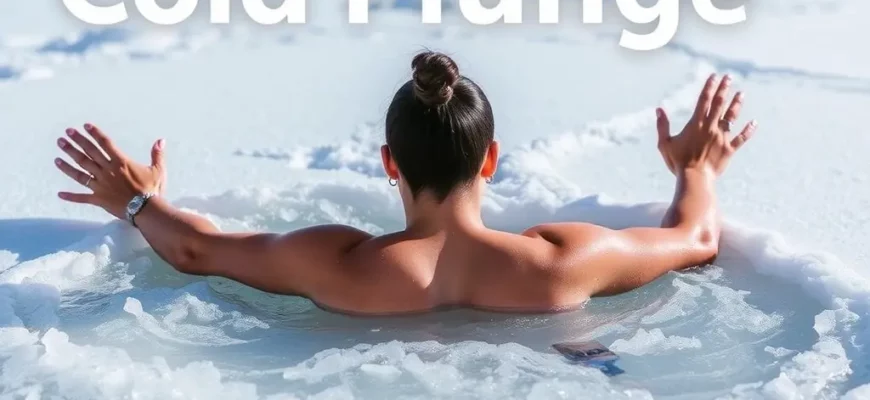
- What Exactly is a Cold Plunge and Why is Everyone Doing It?
- The Difference Between Ice Baths and Modern Plunge Pools
- The Natural High and Other Science-Backed Benefits
- How Cold Water Resets Your Nervous System
- Choosing the Right Setup: From DIY Tubs to Designer Facilities
- Sourcing Your Tub: Factories, Designers, and Global Shipping
- The Perfect Circuit: Combining Cold Plunges with Saunas
- The Fire and Ice Protocol for Maximum Recovery
- Safety First: How to Avoid the Afterdrop and Stay Safe
- Listening to Your Body in the Ice
- The Lighter Side: Memes, Community, and Local Spots
- From Shoreditch to Dripping Springs: Where to Find a Community
- Expert Perspective: The Mindset of the Plunge
- Frequently Asked Questions
What Exactly is a Cold Plunge and Why is Everyone Doing It?
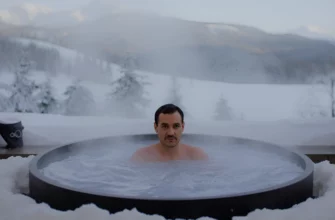
The sudden surge in cold water immersion isn’t just a social media trend; it is a fundamental shift in how we approach physical and mental resilience. While a cold shower provides a quick wake-up call, a dedicated cold plunge involves submerging the body up to the neck in water typically kept between 39°F and 55°F.
This practice forces the body into a state of hormetic stress, a controlled dose of hardship that triggers a massive internal recovery response. Unlike the fleeting chill of a shower, the sustained pressure and temperature of a cold water therapy plunge pool create a systemic physiological reset that impacts everything from blood flow to brain chemistry.
Entering the water for the first time is a visceral experience that demands immediate presence. You aren’t just getting wet; you are engaging in a deliberate battle with your own survival instincts, learning to find calm in the center of a freezing storm.
The Difference Between Ice Baths and Modern Plunge Pools
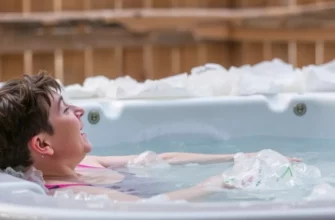
The traditional ice bath often involves a bathtub, several bags of gas-station ice, and a lot of guesswork regarding the actual temperature. This manual approach is inconsistent, as the ice melts rapidly and the water develops a “thermal layer” around your skin, which actually insulates you from the cold.
In contrast, a modern ice cold plunge pool utilizes powerful chillers and filtration systems to maintain a precise, steady temperature for every session. These units are designed for constant 24/7 readiness, ensuring that the water is always at the therapeutic “sweet spot” without the logistical headache of hauling ice.
A significant upgrade in high-end units is the inclusion of a cold plunge with jets. These jets serve a dual purpose: they prevent the aforementioned thermal layer from forming by keeping the water moving, and they provide a gentle massage that aids in lymphatic drainage. When the water is moving, the cold feels significantly more intense because your body cannot create a warm micro-climate against your skin.
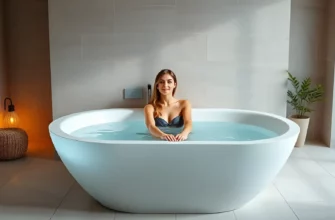
Historically, cold therapy dates back to the Edwin Smith Papyrus and ancient Greek medical practices, but the modern evolution has turned it into a sophisticated home wellness staple. We have moved from rugged mountain streams to sleek, stainless steel designer tubs that fit seamlessly into a home gym or a backyard patio in Shoreditch or Dripping Springs.
The Natural High and Other Science-Backed Benefits
The “cold plunge love” that many practitioners describe isn’t just hyperbole; it is rooted in a massive neurochemical shift. When you submerge, your brain releases a flood of norepinephrine and dopamine, often reaching levels 250% above baseline that can last for several hours after you exit the water.
This sustained dopamine release is what creates the natural high cold plunge enthusiasts crave. Unlike the “crash” associated with caffeine or sugar, this chemical boost provides a steady sense of focus, energy, and mood elevation that carries through the entire workday.
| Benefit Category | Primary Mechanism | Key Result |
|---|---|---|
| Mental Health | Dopamine & Norepinephrine Spike | Sustained focus and mood elevation |
| Physical Recovery | Vasoconstriction & Vasodilation | Reduced muscle soreness and swelling |
| Metabolic Health | Brown Fat Activation | Increased caloric burn and glucose regulation |
| Immune Support | Leukocyte Production | Enhanced resistance to common illnesses |
Beyond the mental clarity, the cold acts as a powerful tool for those wondering how to reduce inflammation without relying solely on pharmaceuticals. By causing rapid vasoconstriction, the cold pushes blood away from the extremities and toward the vital organs, effectively “flushing” the system of metabolic waste products.
How Cold Water Resets Your Nervous System
The primary actor in the cold plunge experience is the vagus nerve, the longest nerve of the autonomic nervous system. Cold water hitting the face and neck triggers the “diving reflex,” which immediately slows the heart rate and shifts the body from a sympathetic (fight-or-flight) state to a parasympathetic (rest-and-digest) state.
Regular vagus nerve stimulation through cold exposure builds “vagal tone,” which is essentially your body’s ability to bounce back from stress. People with high vagal tone tend to have lower resting heart rates and higher heart rate variability (HRV), which are primary markers of longevity and cardiovascular health.
This nervous system reset also plays a massive role in sleep hygiene. By lowering the core body temperature in the late afternoon or evening, you signal to your brain that it is time to produce melatonin. Many users find that a quick three-minute plunge improves deep sleep duration by up to 20%, allowing for more efficient cognitive recovery overnight.
Choosing the Right Setup: From DIY Tubs to Designer Facilities
The market for cold therapy has exploded, offering everything from $100 inflatable pods to $20,000 custom-built luxury installations; Deciding where to invest depends on your commitment level, your space, and whether you value aesthetics as much as the chill itself.
For those looking for a permanent home solution, the “cold life” often begins with a dedicated chiller unit. These systems allow you to set a specific temperature—usually between 42°F and 48°F—and walk away, knowing the water will be crystal clear and perfectly cold whenever you are ready to jump in;
| Setup Type | Pros | Cons |
|---|---|---|
| DIY Stock Tank | Very affordable; large volume | Requires manual ice; no filtration |
| Factory Direct (China) | Lower cost for high-tech features | Shipping delays; difficult warranty claims |
| Cold Plunge Designer | Premium aesthetics; local support | Highest price point; long lead times |
| Inflatable Pods | Portable; easy to set up | Poor insulation; less durable |
Sourcing Your Tub: Factories, Designers, and Global Shipping
If you are looking for value, sourcing from a cold plunge ice bath factory in China is a popular route. These factories often manufacture the components for many Western brands, offering high-grade stainless steel and powerful 1HP chillers at a fraction of the retail price. However, always verify the filtration specs to ensure the unit includes ozone or UV sterilization.
For those who want a centerpiece for their home, a cold plunge designer can create a custom installation that uses materials like cedar, marble, or powder-coated aluminum. These luxury units often feature integrated steps, smartphone controls, and advanced “all-in-one” plumbing that hides the unsightly hoses and pumps of cheaper models.
In regions like Ireland, where the “sea swimming” culture is already massive, the cold plunge tub ireland market is booming. Local suppliers are focusing on highly insulated tubs that can withstand the damp, coastal air while keeping energy costs low. Whether you choose the cold life ultimate plunge or a basic setup, the goal remains the same: consistent, safe, and accessible cold exposure.
The Perfect Circuit: Combining Cold Plunges with Saunas
While the cold plunge is powerful on its own, its benefits are exponentially increased when paired with heat. This “Fire and Ice” method, or contrast therapy, involves alternating between a hot sauna and an ice cold plunge to create a vascular “pump” throughout the body.
The heat of the sauna causes vasodilation, opening the blood vessels and increasing sweat production to detoxify the skin. When you move immediately into the cold life plunge, those vessels constrict instantly. This alternating pressure strengthens the walls of the vascular system and accelerates the removal of lactic acid from tired muscles.
- Sauna Heat-Up: Spend 15-20 minutes in a sauna at 175°F to 200°F until you have a full-body sweat.
- The Cold Entry: Transition directly to the cold plunge for 2 to 5 minutes, focusing on rhythmic nasal breathing.
- The Rest Phase: Allow your body to air dry naturally for 10 minutes before starting the next round.
- Hydration: Drink at least 16 ounces of mineral-rich water between each circuit to replace lost electrolytes.
- Repeat: Perform 3 full cycles for the maximum metabolic and recovery effect.
The Fire and Ice Protocol for Maximum Recovery
The key to a successful cold plunge sauna circuit is the order of operations. To maximize the metabolic boost, always end on the cold. Ending with cold forces your body to generate its own heat to return to baseline, a process known as non-shivering thermogenesis, which burns significant calories and keeps the metabolism elevated for hours.
Consistency is the hallmark of the cold life approach. Doing a circuit once a month won’t yield the same results as three shorter sessions per week. By making the ice cold plunge a non-negotiable part of your routine, you train your brain to handle discomfort, which translates into better emotional regulation in your daily life.
During the plunge, ignore the urge to gasp or panic. Control your exhale; making it longer than your inhale tells your brain that you are safe. This mental mastery is where the true growth happens, turning a physical chore into a meditative practice of discipline.
Safety First: How to Avoid the Afterdrop and Stay Safe
Plunging is generally safe for healthy individuals, but it is not without risks, particularly for those with underlying heart conditions. The “cold shock response” can cause a sudden spike in blood pressure and heart rate, so it is vital to ease into the practice rather than diving in headfirst on day one.
One of the most misunderstood aspects of the practice is the “afterdrop.” This occurs when you exit the water and your blood begins to circulate back into your cold extremities, cooling down as it does so, and then returning to your core. This can cause your core temperature to continue dropping for 10-15 minutes after you are out, leading to intense shivering or dizziness.
- Never plunge alone if you are a beginner or testing a new, lower temperature limit.
- Do not take a hot shower immediately after a plunge; let your body warm up naturally to avoid fainting.
- Dry off and dress in layers as soon as you exit the water to trap your metabolic heat.
- Avoid holding your breath; the valsalva maneuver in cold water can put dangerous pressure on the heart.
- Start at 55°F and only move lower once you can stay calm for at least three minutes.
Listening to Your Body in the Ice
Staying safe after a cold plunge requires self-awareness. If your skin becomes extremely pale, or if you start to lose motor control in your hands (the “claws”), it is time to get out. You aren’t trying to set a world record; you are looking for a therapeutic stimulus.
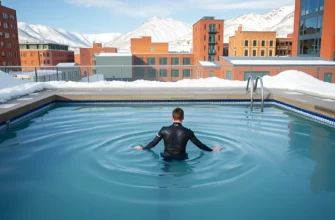
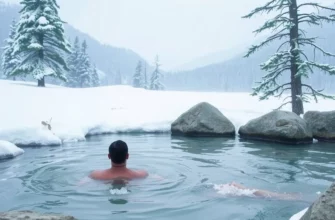
While a cold plunge in nature—like a frozen lake or a mountain stream—is beautiful, it is also unpredictable. In a controlled cold water plunge pool, you know exactly what you are getting. In the wild, currents and uneven depths can make the experience dangerous. Always ensure you have a clear path to exit and a warm environment waiting for you.
The warm-up phase is just as important as the plunge itself. Many experts recommend light movement, such as “horse stance” or air squats, immediately after exiting. This encourages blood flow without the jarring temperature shock of a hot shower, helping you manage the afterdrop safely and effectively.
The Lighter Side: Memes, Community, and Local Spots
If you have spent any time on fitness social media, you have likely seen a cold plunge meme funny enough to make you forget the pain of the water. From the “face of regret” as someone hits the water to the shivering “I’m fine” videos, the humor around cold plunging is a way for the community to bond over the shared absurdity of the practice.
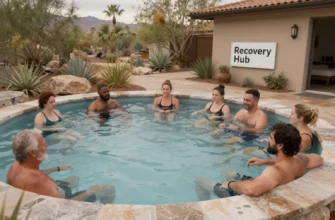
This “shared suffering” has built a vibrant global community. It is no longer just for elite athletes; it is for the office worker in Shoreditch looking to escape burnout or the family in Dripping Springs building a backyard wellness oasis. The cold plunge funny side reminds us not to take ourselves too seriously while we chase better health.
From Shoreditch to Dripping Springs: Where to Find a Community
For those not ready to buy a home unit, public facilities are popping up everywhere. Places like cold plunge dripping springs offer community “soaks” where groups plunge together, often accompanied by breathwork instructors. In London, the cold plunge shoreditch scene is centered around high-end recovery clubs that combine social hours with biohacking protocols.
Finding a cold plunge facility near you is a great way to test different types of tubs—from the cold plunge with jets to the deep, silent pools. The social aspect of plunging often makes the cold feel more manageable; when you are surrounded by others doing the same thing, your brain is less likely to scream at you to get out.
Ultimately, whether you are laughing at a cold plunge meme or shivering in a custom-built tub, you are part of a movement that values resilience over comfort. It is a rite of passage that changes how you view every other challenge in your day.
Expert Perspective: The Mindset of the Plunge
In my professional experience working with high-performance athletes, I have observed that the true benefit of the cold plunge happens in the first 30 seconds. This is the “panic zone” where your brain is screaming for you to exit. I always advise my clients to view this as a mental weight-lifting session. If you can control your breath and settle your heart rate while submerged in 40-degree water, the “stressful” emails and meetings you face later in the day will feel like nothing. From a metabolic standpoint, I’ve seen consistent users maintain a 15% higher resting metabolic rate because of the chronic activation of brown adipose tissue. It isn’t just about the chill; it’s about becoming a more efficient, more resilient version of yourself.
Frequently Asked Questions
For most people, 2 to 5 minutes is the ideal duration. Research suggests that the primary benefits are achieved within this window, and staying in much longer increases the risk of hypothermia without significantly adding to the recovery benefits.
What is the ideal temperature for an ice cold plunge?
The therapeutic sweet spot is generally between 45°F and 55°F (7°C to 13°C). At these temperatures, you trigger the cold shock response and metabolic benefits without the extreme risks associated with near-freezing water.
Can I do a cold plunge every day?
Yes, daily use is safe for most healthy individuals and can lead to improved mood and metabolic health. However, if you are training for maximum muscle growth (hypertrophy), it is best to wait at least 4 hours after lifting to plunge, as the cold can blunt the initial inflammatory signal needed for muscle repair.
What is a cold plunge with jets and do I need them?
Jets circulate the water to prevent a “thermal layer” of warm water from forming around your body. While not strictly necessary, jets make the water feel significantly colder and ensure a more consistent therapeutic effect across your entire body.
Are there specific cold plunge facilities in the UK or USA?
Urban centers like Shoreditch in London and Dripping Springs in Texas have become hubs for cold therapy, featuring luxury clubs and community soak spots. While public facilities are great for community, home units are quickly becoming the gold standard for daily consistency.
Why do people talk about the natural high after plunging?
Submerging in cold water triggers a massive release of endorphins and a 250% spike in dopamine. This chemical surge provides a long-lasting mood boost, increased mental clarity, and a sense of calm that can last for several hours after the session.