- Understanding Exactly What the Loops on a Weighted Blanket Are For
- How Anchor Loops Prevent the Bunching Nightmare
- What Are the Beads in Weighted Blankets Made Of?
- The Rise of Micro-Glass Beads in Modern Bedding
- Glass vs. Plastic: Choosing the Right Fill for Your Sleep Style
- Why Some Manufacturers Still Use Plastic Poly-Pellets
- How Weighted Blankets with Glass Beads Are Constructed
- Baffled Box Stitching and Weight Distribution
- Maximizing Your Investment: Best Practices for Loop and Bead Care
- Expert Perspective: Weighted Bedding Engineering
- Frequently Asked Questions
Understanding Exactly What the Loops on a Weighted Blanket Are For
If you have recently unboxed a high-quality weighted blanket, you likely noticed small fabric loops sewn into the perimeter and corners. These are not decorative flourishes; they are critical engineering components designed to solve the most common complaint in the sensory bedding world: the shifting weight problem. Because weighted blankets often weigh between 15 and 30 pounds, they possess a physical momentum that standard bedding simply cannot handle.
The primary purpose of these loops is to serve as anchor points for a removable duvet cover. Since washing a 20-pound blanket can damage home washing machines and take hours to dry, most users opt for a protective outer shell. Without these loops, the heavy inner blanket would inevitably slump into a disorganized heap at the bottom of the cover, rendering the therapeutic benefits useless.
How Anchor Loops Prevent the Bunching Nightmare
The physics of a weighted blanket are vastly different from a standard down comforter. When you move in your sleep, a 20lb inner blanket generates enough force to slide inside a smooth fabric cover. By utilizing internal ties found inside compatible duvet covers, you create a unified sleep system where the weight remains perfectly flat against your body regardless of how much you toss and turn.
To achieve a secure fit, you must thread the cover’s strings through these loops and secure them with a double knot. While budget blankets might only feature four loops at the corners, premium models typically offer 8 to 12 anchor points. This higher density of connections distributes the mechanical stress across the fabric more evenly, preventing the loops from ripping out under the sheer force of the blanket’s mass.
What Are the Beads in Weighted Blankets Made Of?
Beyond the external loops, the true functionality of a weighted blanket lies in its internal filler. Modern manufacturers have moved away from bulky materials like rice or grain, which can rot or attract pests, in favor of sophisticated synthetic and mineral-based beads. The choice of filler dictates not only the weight but also the thermal regulation and acoustic profile of your bedding.
The sensation of the blanket—whether it feels like a soft hug or a bag of pebbles—is entirely dependent on the diameter and material of these beads. As shoppers become more discerning, the industry has shifted toward high-density fillers that allow for a thinner, more breathable profile without sacrificing the necessary poundage for sensory processing relief.
The Rise of Micro-Glass Beads in Modern Bedding
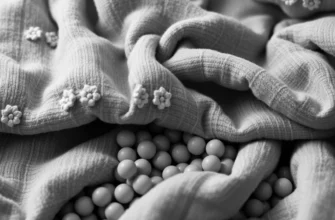
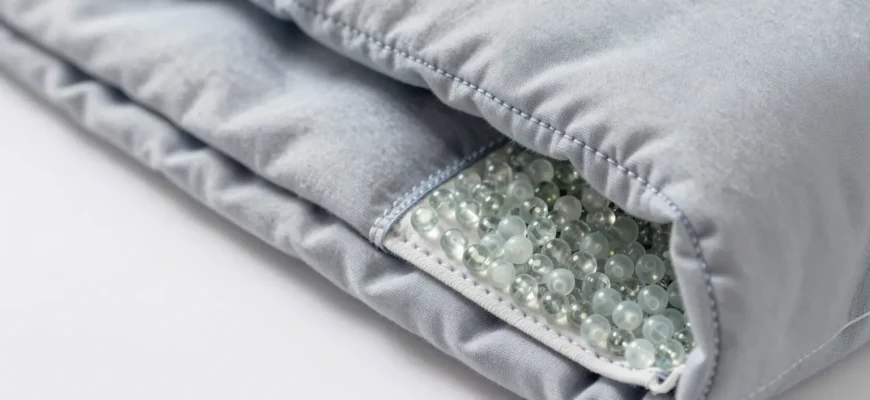
Micro-glass beads have rapidly become the gold standard for high-end weighted blankets. These tiny spheres are roughly the size of fine grains of sand or sugar, providing a smooth, fluid texture that contours to the body without the “lumpy” feel associated with larger pellets. Because glass is much denser than plastic, glass-filled blankets are significantly thinner than their plastic counterparts, making them far less claustrophobic for the sleeper.
From a safety and hygiene perspective, glass is an ideal hypoallergenic filler. It is non-porous, meaning it won’t absorb body oils, sweat, or odors over time. Furthermore, high-quality glass beads are lead-free and non-toxic, which is a vital consideration for parents using these tools for children with sensory processing disorders. The natural cooling properties of glass also help dissipate body heat, preventing the “hot house” effect often found in synthetic bedding.
Glass vs. Plastic: Choosing the Right Fill for Your Sleep Style
Deciding between glass and plastic fillers often comes down to a trade-off between price and performance. While glass offers a premium, sand-like feel, plastic pellets have been a staple of the industry for decades due to their durability and lower manufacturing costs. Understanding the tactile and thermal differences is essential before making an investment.
| Feature | Micro-Glass Beads | Plastic Poly-Pellets |
|---|---|---|
| Texture | Smooth, sand-like, and uniform. | Pebble-like, can feel slightly lumpy. |
| Noise Level | Virtually silent during movement. | Noticeable “rustling” sound. |
| Heat Retention | Stays cool; excellent for hot sleepers. | Retains more heat; better for cold climates. |
| Profile | Slim and discreet. | Bulky and thick. |
| Eco-Friendliness | Highly recyclable and sustainable. | Petroleum-based synthetic material. |
Why Some Manufacturers Still Use Plastic Poly-Pellets
Despite the popularity of glass, many budget-friendly and “extra-durable” blankets still utilize polypropylene pellets. These plastic fillers are incredibly resilient and can withstand thousands of wash cycles without degrading. For users who prioritize a machine-washable blanket that can handle rugged use, plastic remains a viable, cost-effective option.
The downside to plastic filling is the bulk. To reach a weight of 20 pounds, you need a much larger volume of plastic pellets than glass beads. This results in a thicker, puffier blanket that may feel more like a traditional comforter but can trap significantly more heat. If you are a “hot sleeper,” a blanket filled with polypropylene pellets may lead to night sweats due to the lack of airflow between the larger pellets.
How Weighted Blankets with Glass Beads Are Constructed
The effectiveness of a weighted blanket isn’t just about what’s inside, but how that material is held in place. If the beads were allowed to move freely, they would all pool in the corners, leaving the center of the blanket empty. To solve this, engineers use a sophisticated internal architecture known as baffled box stitching.
This construction method involves sewing the blanket into a grid of small, individual quilted pockets. Each pocket is precisely filled with a specific weight of beads before being sealed. By keeping the filler contained in these 4-inch to 6-inch compartments, the blanket maintains an even distribution of weight across your entire body, ensuring that the therapeutic pressure is applied where it’s needed most.
Baffled Box Stitching and Weight Distribution
In the highest quality blankets, manufacturers often use glass blasting media, which is an ultra-fine grade of glass typically used in precision industrial applications. This fine-grid glass allows for even more precise weight distribution within each quilted compartment. When the beads are this small, they behave almost like a liquid, shifting instantly to fill the gaps around your limbs and torso.
To prevent beads from leaking between compartments—a common flaw in cheap blankets—look for double-reinforced stitching. This ensures that even if you sit on the blanket or move aggressively, the beads stay locked in their designated boxes. Even weight distribution is the key to triggering Deep Pressure Touch (DPT), the physiological response that lowers cortisol and increases serotonin production.
Maximizing Your Investment: Best Practices for Loop and Bead Care
Maintaining a weighted blanket requires a different approach than standard linens. Because of the concentrated mass, the fabric and the loops are under constant tension. Proper care ensures that the internal beads remain evenly distributed and the external anchor points stay intact for years of use.
- Always use a duvet cover: This is the single best way to protect the loops and internal stitching from the wear and tear of a washing machine.
- Check ties weekly: If you feel the blanket shifting, tighten the interior ties immediately to prevent the loops from bearing the full weight of the blanket in one spot.
- Dry flat if possible: Hanging a wet weighted blanket by its loops or on a clothesline will stretch the fabric and can cause the internal baffles to tear.
- Spot clean the inner blanket: Unless absolutely necessary, avoid submerged washing. Use a damp cloth and mild detergent for small stains on the inner shell.
- Inspect for bead leaks: Periodically run your hands over the seams. If you feel “sand” on the surface, stop using the blanket and sew the leak immediately to prevent a total loss of filler.
Expert Perspective: Weighted Bedding Engineering
In my professional experience, the efficacy of a weighted blanket is 10% about the cover and 90% about the internal weight distribution. While the loops are a critical convenience feature for hygiene, the quality of the glass beads determines the therapeutic outcome. I always advise readers to prioritize blankets with at least 8 loops for any weight over 15 lbs. In my testing, 4-loop systems frequently suffer from “cover sag,” which puts immense strain on the fabric and eventually leads to tears. Furthermore, if you are seeking the benefits of Deep Pressure Touch (DPT), ensure your blanket uses micro-glass beads; the smaller the bead, the better the contouring, and the more effective the neurological “grounding” effect will be.
Frequently Asked Questions
No. While glass is the premium choice for its cooling and density, many budget-friendly blankets use plastic poly-pellets or even steel shot beads to achieve weight.
Can I use a weighted blanket without a cover if it has loops?
Yes, you can, but it is not recommended. The loops are specifically designed to anchor a protective cover, which is much easier to wash and protects the inner blanket from oils and dirt.
What happens if a loop breaks off?
If a loop breaks, the blanket will likely sag and bunch inside the cover. You can easily sew a replacement loop using a small strip of grosgrain ribbon or heavy-duty fabric tape.
Are glass beads in weighted blankets safe if the blanket tears?
Glass beads are generally non-toxic and hypoallergenic, but they pose a significant choking hazard for pets and small children. If a tear occurs, discontinue use until it is professionally repaired.
How do I know if my blanket uses glass blasting media or standard beads?
Texture is the best indicator. Blasting media is ultra-fine and feels like soft sand through the fabric, whereas standard glass or plastic beads feel like small pebbles or grains of sugar.