- Why a Handmade Weighted Blanket Outperforms Mass-Produced Alternatives
- The Tactical Advantage of Artisanal Stitching
- The Art of the Hand Woven Weighted Blanket: No Fillers, Just Comfort
- Mastering the Arm Knit Weighted Blanket Technique
- Traditional Hand Sewn Weighted Blankets: Understanding the Stitched Pocket Method
- Why Pocket Consistency Matters for Sensory Support
- Care and Longevity: Keeping Your Blanket in Top Shape
- Washing Tips for Chunky Knits and Bead-Filled Fabrics
- Frequently Asked Questions
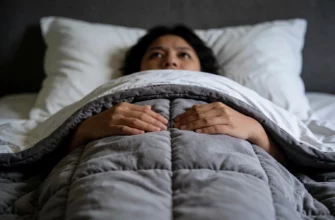
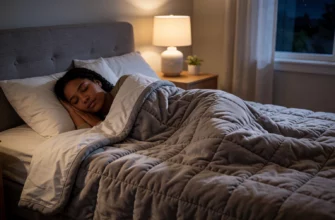
Why a Handmade Weighted Blanket Outperforms Mass-Produced Alternatives
The transition from factory-line bedding to artisan-quality pieces marks a significant shift in how we approach sleep hygiene. While mass-produced blankets often rely on thin polyester shells and unevenly distributed plastic pellets, a handmade weighted blanket is engineered with a focus on structural integrity and long-term therapeutic value. The primary appeal lies in the tactile feedback provided by natural materials, which facilitates a more grounding experience than synthetic alternatives.
At the heart of this preference is the concept of Deep Touch Pressure (DTP). This physical connection mimics the sensation of a firm hug or swaddling, which has been shown to encourage the nervous system to shift from a “fight or flight” state into a “rest and digest” state. When a blanket is crafted by hand, the maker can ensure that the weight remains consistent across every square inch, preventing the common “clumping” effect that renders many store-bought blankets ineffective after just a few months of use.
The Tactical Advantage of Artisanal Stitching
One of the most frequent complaints regarding mass-market blankets is the “leaking” of weight, where glass beads migrate to the corners of the blanket. Artisans solve this by using reinforced internal seams and smaller, more precise pocket dimensions. By reducing the surface area of each individual pocket, the filler material is forced to stay centered over the body, providing the consistent pressure needed to stimulate proprioceptive receptors without the user needing to constantly readjust the fabric.
Furthermore, handmade versions offer a level of quality control that automated machinery simply cannot match. A human creator inspects every inch of the fabric for structural weaknesses, ensuring that the personalized comfort you feel on night one remains identical on night five hundred. This attention to detail means using high-tensile strength thread that can withstand the significant physical strain of a 15-to-20-pound load, a common failure point in cheaper, triple-stitched factory models.
The Art of the Hand Woven Weighted Blanket: No Fillers, Just Comfort
The hand woven weighted blanket represents a departure from traditional designs that rely on internal fillers like beads or pellets. Instead, the weight is derived entirely from the density of the fabric itself. This is typically achieved using “chunky” yarn—thick tubes of cotton or jersey fabric filled with high-density polyester or cotton batting. The result is a blanket that feels substantial yet remains remarkably flexible, contouring to the body’s natural curves more effectively than a rigid, pocketed quilt.
This construction style is particularly favored for its aesthetic versatility. Because it lacks the “quilted” look of traditional weighted bedding, a woven throw functions as a high-end piece of home decor while providing therapeutic benefits. The absence of glass beads also means there is zero noise when you shift positions, making it an ideal choice for light sleepers who are easily disturbed by the rustling sound of shifting fillers.
Mastering the Arm Knit Weighted Blanket Technique
The arm knit weighted blanket is a specific subset of the woven category that utilizes massive loops to create a porous, open-weave structure. By using the arms as knitting needles, artisans create large “stitches” that allow for maximum airflow. This architectural design is a game-changer for individuals who experience night sweats or live in warmer climates, as the open loops prevent the trapping of body heat that often plagues solid-fabric weighted blankets.
For those who prioritize natural fibers, these blankets are often crafted from heavy-gauge cotton yarn. Cotton is naturally moisture-wicking and hypoallergenic, which complements the breathable weighted throw design. Because the weight is distributed through the physical mass of the yarn, you get a more “even” pressure that feels like a heavy sweater rather than a bag of sand, which many users find more comforting for long-term sensory processing support.
| Feature | Hand Woven (Arm Knit) | Hand Sewn (Pocketed) |
|---|---|---|
| Weight Source | Heavy-gauge cotton/jersey yarn | Glass beads or poly-pellets |
| Breathability | Exceptional; open-loop design allows air to circulate | Moderate to Low; depends on fabric layers |
| Maintenance | Requires flat drying to prevent stretching | Easier to machine wash; compact |
| Sensory Feel | Soft, “squishy,” and highly flexible | Firm, grounded, and traditional “quilt” feel |
| Noise Level | Silent | Minimal (if glass beads are used) |
Traditional Hand Sewn Weighted Blankets: Understanding the Stitched Pocket Method
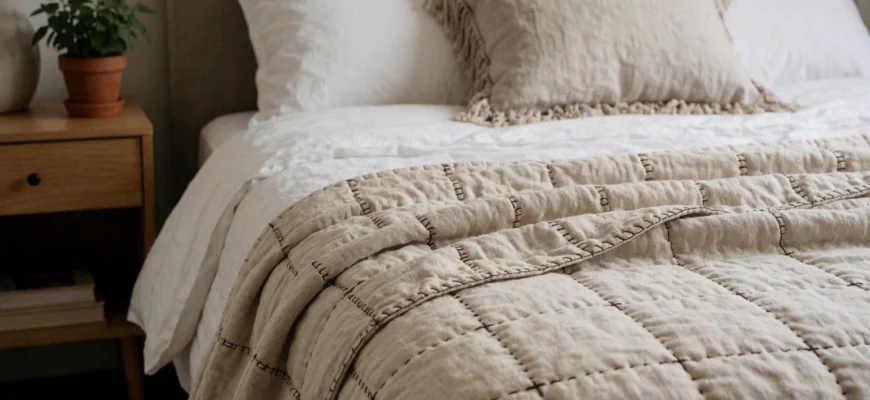
The hand sewn weighted blanket is the gold standard for those seeking a traditional, compact experience. This method involves sewing two layers of fabric together with a grid of horizontal and vertical seams, creating a series of small, enclosed “pockets.” These pockets are then meticulously filled with a precise amount of glass beads or plastic pellets before being sealed. A fully sewn weighted blanket ensures that the weight is locked into a specific geographic location on the blanket, providing a predictable and stable sensory experience.
Hand-sewing these blankets allows for the use of diverse fabrics that might be too delicate for industrial machines. From luxury Minky fabrics to organic bamboo linens, an artisan can tailor the exterior to the user’s specific tactile preferences. The key to a high-quality sewn blanket is the use of glass microbeads, which are smaller and denser than plastic pellets, allowing the blanket to remain thin and manageable while still delivering significant weight.
Why Pocket Consistency Matters for Sensory Support
In the world of sensory bedding, consistency is king. If the pockets are too large, the beads will pool at the bottom of each square, creating “dead zones” where no pressure is applied. Expert makers typically aim for pockets no larger than 4×4 or 5×5 inches. This small grid size ensures that the weight is pinned against your body at all times, maximizing the release of neurotransmitters associated with relaxation.
Longevity in a sewn blanket is dictated by the quality of the internal borders. A handmade piece often features double or even triple-stitching along the pocket grid to prevent “bead migration.” If a single stitch pops in a mass-produced blanket, the beads can spill into the next pocket, ruining the weight distribution. Artisans use reinforced industrial-grade thread to ensure that even with daily use and frequent movement, the beads remain exactly where they were intended to stay, providing durable stitching that lasts for years.
- The 10% Rule: For optimal safety and comfort, choose a blanket that is approximately 10% of your total body weight. A 150-lb person should look for a 15-lb blanket.
- Fabric Selection: Opt for 100% cotton if you are a hot sleeper, or velvet/Minky if you prioritize warmth and softness for sensory soothing.
- Size Matters: A weighted blanket should cover your body, not your bed. To prevent the blanket from sliding off the bed due to gravity, select a size that does not hang over the edges of the mattress.
- Filler Quality: Always verify that the blanket uses lead-free glass beads rather than plastic pellets for a quieter, more eco-friendly experience.
- Trial Period: It can take 3 to 7 nights for your nervous system to fully acclimate to the sensation of weighted pressure; don’t give up after the first night.
Care and Longevity: Keeping Your Blanket in Top Shape
Maintaining a handmade weighted blanket requires a different approach than standard bedding. Because of the concentrated weight, putting these blankets in a standard home washing machine can sometimes strain the drum or the motor. Before cleaning, always check the weight capacity of your washing machine; most residential machines top out at 20 lbs for a single load. If your blanket is heavier, a commercial-grade washer at a laundromat is a much safer bet for the longevity of your appliance.
Drying is the most critical stage of blanket maintenance. For sewn blankets, low heat is essential to prevent the glass beads from heating up and potentially damaging the surrounding fabric. For woven or arm-knit blankets, air drying is the only recommended method. The weight of the wet yarn is immense, and hanging it on a line will cause the loops to stretch and lose their shape. Instead, lay the blanket flat on a clean surface or a heavy-duty drying rack to preserve its structural integrity.
Washing Tips for Chunky Knits and Bead-Filled Fabrics
If you own a chunky knit version, spot cleaning is your best friend. Because the yarn is so dense, a full wash can take days to dry completely. Use a mild, enzyme-based cleaner to treat small stains as they happen. If a full wash is necessary, use a “delicate” or “hand wash” cycle with cold water to prevent pilling and fiber breakdown. Avoid fabric softeners, as they can coat the fibers and reduce the breathability of natural cotton.
For bead-filled fabrics, the primary concern is the integrity of the seams during the agitation cycle. Turning the blanket inside out or placing it in a large duvet cover before washing can provide an extra layer of protection against snagging. Once washed, frequent “fluffing” during the air-drying process helps to ensure that no moisture is trapped within the pocket corners, which is essential for long-lasting bedding and preventing mildew growth.
In my professional experience as a textile designer, the structural difference between a hand-woven weighted blanket and a mass-produced sewn one is night and day. I always advise clients to look closely at the “drape” of the blanket. A hand-woven piece provides what I call a “fluid embrace”—it moves with you because the weight is integrated into the very fibers of the yarn. Unlike cheap, mass-produced sewn blankets where the beads often leak or bunch into “hot spots” of pressure, a well-constructed hand-woven piece distributes tension across the entire surface area. This eliminates the “sandy” feel of shifting pellets and replaces it with a consistent, calming hug that is far superior for long-term sensory regulation.
Frequently Asked Questions
Neither is objectively “better,” but they serve different needs. Woven blankets offer superior breathability and a modern aesthetic, while sewn blankets provide a more traditional, concentrated weight that is often easier to store.
How do you wash a handmade weighted blanket?
Use a delicate, cold-water cycle and always avoid high heat in the dryer. For arm-knit styles, flat-drying is mandatory to prevent the heavy yarn from stretching out of shape.
What is the benefit of an arm knit weighted blanket?
The primary benefit is airflow. The large, open loops allow heat to escape, making it the best option for people who want the benefits of a weighted blanket without overheating.
Can I use a fully sewn weighted blanket if I have allergies?
Yes, provided you choose one with hypoallergenic glass beads and an organic cotton or bamboo outer shell. These materials resist dust mites and are less likely to trigger sensitivities than synthetic fills.
How long does a hand sewn weighted blanket typically last?
With proper care and reinforced stitching, a high-quality handmade blanket should last between 5 and 10 years. The key is avoiding high heat and ensuring the seams are not stressed by improper hanging.