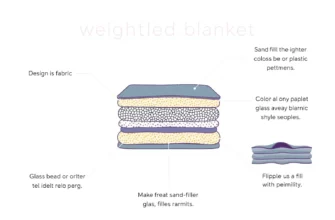
- Choosing the Right Materials: What to Fill a Weighted Blanket With for Better Sleep
- Why the Type of Filling Matters for Your Comfort
- Commercial Standards: What Do They Put in Weighted Blankets?
- Glass Micro-Beads vs. Plastic Poly-Pellets
- Natural and Eco-Friendly Filling Alternatives
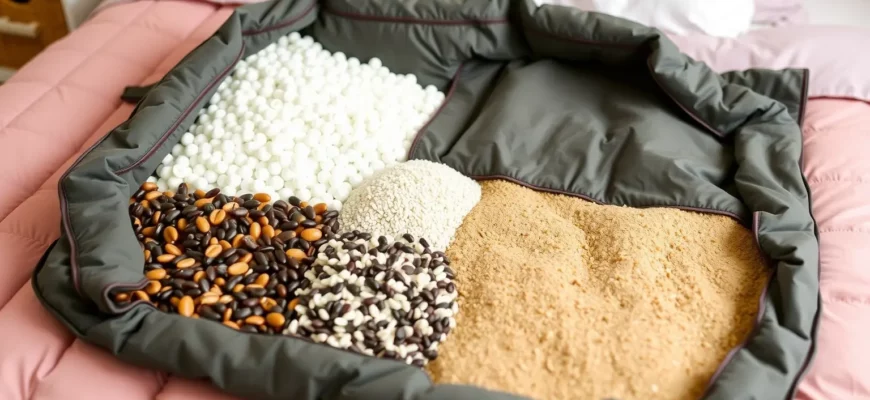
- Using Grains, Seeds, and Stones as Fillers
- What Can You Use to Make a Weighted Blanket at Home?
- Safe Household Substitutes and Craft Store Finds
- How to Fill a Weighted Blanket: A Step-by-Step Guide for DIY Success
- Calculating Weight and Distributing the Filling
- Common Mistakes to Avoid When Filling Your Blanket
- Why You Should Avoid Sand and Uncooked Food
- Frequently Asked Questions
Choosing the Right Materials: What to Fill a Weighted Blanket With for Better Sleep
The secret to a truly effective weighted blanket lies not in the fabric cover, but in the hidden components tucked inside the stitched pockets. These materials provide the necessary heft to trigger deep touch pressure, a therapeutic technique that simulates the feeling of being held or hugged.
By choosing the correct filling, you determine whether your blanket will be a silent, cooling sleep aid or a bulky, heat-trapping burden. The weight must be distributed with surgical precision to ensure it doesn’t shift to the edges, leaving the center of your body without the calming sensory input you need.
Why the Type of Filling Matters for Your Comfort
Fillers act as the primary regulator for both breathability and thermal mass. If you choose a material that lacks density, you will need a massive volume of it to reach your target weight, which creates a thick layer of insulation that traps body heat.
Furthermore, the physical shape of the filling dictates the sensory comfort of the finished product. Smaller, smoother particles provide a fluid, sand-like drape that contours to your limbs, whereas larger pellets can feel bumpy and create distracting noise when you roll over at night.
Commercial Standards: What Do They Put in Weighted Blankets?
Professional manufacturers generally stick to a small group of high-performance materials designed for durability and hygiene. Most premium blankets on the market today utilize either glass or plastic, though the choice between them significantly impacts the price point and the overall user experience.
While plastic was the original standard, the industry has shifted toward glass because it offers a more refined feel. For those needing extreme weight in a small footprint, some specialty manufacturers even turn to metal-based options to keep the blanket from becoming overly thick.
| Filling Material | Density Level | Noise Profile | Best For |
|---|---|---|---|
| Glass Micro-Beads | High | Silent | Hot sleepers and sensory sensitivity |
| Plastic Poly-Pellets | Medium | Moderate (Rustling) | Budget-conscious DIY projects |
| Steel Shot Beads | Very High | Quiet to Moderate | Extremely heavy blankets (25lb+) |
Glass Micro-Beads vs. Plastic Poly-Pellets
High-density glass beads are widely considered the gold standard for luxury weighted blankets. Because glass is significantly heavier than plastic by volume, the beads are much smaller—roughly the size of grains of white sugar—which allows the blanket to remain thin and highly breathable.
Non-toxic poly-pellets are small round pebbles made from polypropylene plastic. While they are a durable and affordable alternative, they are less dense than glass, meaning you need more of them to achieve the same weight. This often results in a “puffy” blanket that can feel somewhat like a beanbag chair and may retain more heat during the summer months.
- Glass beads: Hypoallergenic, lead-free, and provide a smooth, liquid-like movement.
- Poly-pellets: Odorless, moisture-resistant, and generally safe for machine washing and drying on low settings.
- Texture comparison: Glass feels like heavy silk or sand, while plastic feels like small pebbles.
Natural and Eco-Friendly Filling Alternatives
For many DIY enthusiasts, the appeal of a weighted blanket is matched by a desire to use sustainable, organic materials. Moving away from synthetics allows for a more “grounded” feel, though it introduces specific challenges regarding long-term maintenance and hygiene that commercial fillers don’t have.
Using natural materials requires a trade-off. While these items are often readily available in a pantry or local garden center, they are biologically active and can degrade over time if they are exposed to moisture or extreme temperature fluctuations.
| Natural Material | Pros | Cons |
|---|---|---|
| Buckwheat Hulls | Excellent airflow, sustainable | Very low density; requires a massive blanket size |
| Dried Grains (Rice/Corn) | Extremely cheap, easy to find | Cannot be washed; prone to mold and pests |
| River Stones | Completely natural, high weight | Noisy, difficult to sew, can be uncomfortable |
| Cherry Pits | Recycled waste, holds heat well | Lumpy texture and distinct smell |
Using Grains, Seeds, and Stones as Fillers
Organic weighted blanket filling options like rice and dried beans are the most common entry point for home crafters. They offer a satisfying weight and a comforting, earthy scent, but you must strictly avoid getting these blankets wet, as the organic matter will swell, rot, and eventually attract insects.
If you prefer a natural material that offers better longevity, buckwheat hulls are a popular choice for those with sensory processing needs. While they don’t provide the same heavy “thud” as glass, they offer a unique tactile experience and naturally wick away moisture to keep the sleeper cool.
For a more rugged approach, smooth river stones or clean sand can be used, but these require very small, reinforced fabric pockets. Sand, in particular, is notorious for leaking through even the smallest needle holes, so it must be paired with an inner liner or a very high-thread-count ticking fabric.
What Can You Use to Make a Weighted Blanket at Home?
When looking for DIY weighted blanket materials, the goal is to find something that provides maximum density with minimum bulk. Many household items seem like a good idea initially, but they often fail the “long-term comfort test” once you actually try to sleep under them for eight hours.
It is vital to consider the “clump factor.” Some materials will bunch up in the corners of your fabric squares, creating uncomfortable hard spots that press into your joints. Always test a small sample of your filler by placing it in a fabric scrap and moving it around to see how it behaves under pressure.
Safe Household Substitutes and Craft Store Finds
Aquarium gravel is one of the most effective budget-friendly glass bead alternatives. It is typically made of non-toxic stones or glass, is pre-cleaned, and provides excellent weight. However, make sure the gravel is polished and smooth to prevent the sharp edges from eventually wearing holes in your fabric from the inside out.
If you find that your beads or pebbles are moving too much and making a “clacking” sound, you can mix them with poly-fill stuffing. This cushions the weighted particles and holds them in place, ensuring the blanket remains silent and soft to the touch, though this will make the blanket significantly warmer.
Heavy-duty craft beads or even small metal washers can be used in a pinch, but they are rarely cost-effective compared to buying bulk glass beads online. If you are asking “what can I use to fill a weighted blanket” on a tight budget, check local landscaping or pet supply stores for bulk decorative stones or pea gravel.
How to Fill a Weighted Blanket: A Step-by-Step Guide for DIY Success
Constructing a weighted blanket is less about the sewing and more about the mathematics. If you simply pour all the beads into a large duvet cover, they will all pool at the bottom, creating a heavy “log” that provides no therapeutic benefit to your upper body.
The industry-standard method is the grid or pocket technique. By sewing a series of small squares—usually 4 to 6 inches in size—you lock a specific amount of weight into each section, ensuring the pressure remains even regardless of how much you toss and turn.
Calculating Weight and Distributing the Filling
- Determine the Total Weight: Follow the 10% body weight rule; For a 150lb person, you want a 15lb blanket. Don’t forget to subtract the weight of the fabric (usually 1-2 lbs) from your total filler amount.
- Map Your Grid: Decide how many pockets your blanket will have. A standard adult blanket might have 120 squares (10 rows by 12 columns).
- Calculate Per-Pocket Weight: Divide the total weight of your filler by the number of squares. For a 15lb (240oz) filler across 120 squares, you would place exactly 2 ounces of beads in each pocket.
- Sew Vertical Channels: Sew the long vertical lines first to create long “tubes” from the bottom to the top of the blanket.
- Fill and Seal: Use a funnel to drop the measured amount of filler into each tube. Sew a horizontal line across all tubes to seal the first row of pockets. Repeat this process row by row until the blanket is complete.
Precision is your best friend during this process. Using a digital kitchen scale to measure every single pocket ensures that one side of the blanket isn’t heavier than the other, which prevents the blanket from sliding off the bed during the night.
Common Mistakes to Avoid When Filling Your Blanket
Even experienced sewers run into trouble when dealing with the physics of a 15-pound object. One of the most common errors is underestimating the stress that the weight puts on the seams. If your stitches aren’t reinforced, the beads will eventually find a way out, turning your bedroom into a mess of tiny rolling pellets.
Another critical error is failing to account for the “washability factor.” Many people spend dozens of hours sewing a beautiful blanket only to have it ruined in the first wash because the filler absorbed water or melted in the dryer.
Critical Warning: Never use sand or very fine powders as a filler. Sand will eventually seep through the needle holes created during sewing, and it is nearly impossible to remove from a washing machine drum once it leaks out.
Why You Should Avoid Sand and Uncooked Food
While sand is heavy and cheap, it is a nightmare for maintenance. It clumps when exposed to sweat or humidity, and it lacks the airflow necessary for a comfortable sleep environment. Furthermore, sand is an abrasive; over time, it will act like sandpaper against your fabric, weakening the fibers until the blanket tears.
Uncooked food items like pasta, beans, or rice should be avoided if you want a blanket that lasts more than a few months. These materials absorb body oils and ambient moisture, which creates a breeding ground for bacteria and mold. If you must use organic fillers, plan on never washing the blanket and instead using a removable, washable duvet cover to keep the inner weighted layer clean.
Finally, if you are using plastic poly-pellets, avoid high heat settings in the dryer. While most pellets are rated for heat, the concentrated temperature in a home dryer can cause them to soften or fuse together, turning your soft blanket into a stiff, uncomfortable sheet of plastic.
In my professional experience working with textiles and sensory products, the longevity of a weighted blanket is determined entirely by the relationship between pocket size and material density. I always advise my clients that while organic fillers like buckwheat or rice are tempting for their low cost, glass micro-beads are the only material that offers a truly hypoallergenic, lifetime-durable experience. If you make the pockets too large (over 6 inches), the weight will shift and “bunch,” which ruins the deep touch pressure effect. For the best results, keep your quilt density high with smaller 4-inch pockets and always use a reinforced double-stitch on every seam to handle the massive tension of the beads.
Frequently Asked Questions
No. Organic materials like rice and beans absorb water, which causes them to swell and eventually rot. If you wash a blanket filled with these items, it will become a heavy, moldy mess that cannot be salvaged.
What is the quietest filling for a weighted blanket?
Glass micro-beads are the quietest option. Because the beads are so tiny and dense, they move as a single unit rather than individual pebbles, eliminating the “rustling” sound associated with larger plastic pellets.
Are plastic pellets safe to use in a weighted blanket?
Yes, provided you choose BPA-free, non-toxic virgin plastic pellets. They are durable and moisture-resistant, but you must avoid high-heat drying cycles to prevent the plastic from melting or warping.
How do I stop the filling from leaking out?
Use a high-thread-count fabric (like cotton lawn or ticking) and employ a small stitch length with reinforced double seams. For extra security, you can sew the filler into small individual pouches before placing them in the blanket pockets.
Is sand a good filling for a weighted blanket?
Sand is generally a poor choice because it leaks through stitching, clumps with moisture, and is extremely difficult to clean. It also lacks the “breathable” qualities found in glass beads or poly-pellets.
How much filling do I need for a 15lb blanket?
You will need approximately 13.5 to 14 lbs of actual filler, as the fabric and thread typically weigh about 1 to 1.5 lbs. Always weigh your completed fabric shell first and subtract that from your 15lb goal to find the exact filler amount needed.