- Troubleshooting a Leaking Weighted Blanket: Identifying the Source of the Spill
- Why Your Weighted Blanket is Uneven or Losing Beads
- Emergency Repair: How to Secure and Add to Your Weighted Blanket
- Reinforcing Seams and Securing the Inner Insert
- Washing Without Damage: Luxome‚ Sleep Number‚ and Baloo Care Guides
- Safe Drying Practices to Prevent Filling Clumping
- The Science of Filling: Glass Dust vs. Polymer Pellets
- Safety First: Calculating the Right Weight for Kids
- Can I Get a Heavier Weighted Blanket? Customizing Your Sleep Setup
- Hacks for Styling and Managing Multiple Blankets
- Expert Perspective: Textile Integrity and Sleep Safety
- Frequently Asked Questions
Troubleshooting a Leaking Weighted Blanket: Identifying the Source of the Spill
The sudden realization that your bed feels like a sandbox is a nightmare for any weighted blanket owner. Finding tiny‚ clear beads scattered across your sheets usually triggers an immediate sense of frustration‚ especially when you realize the therapeutic tool you rely on for sleep is literally falling apart. Before you consider tossing the entire unit‚ you must pinpoint exactly where the structural integrity has failed.
Most leaks are not the result of a single catastrophic tear but rather the slow degradation of the perimeter stitching or the internal baffle walls. In many cases‚ shared use—such as the common roommate weighted blanket scenario—accelerates this wear as multiple people of different sizes shift the weight in ways the original stitching wasn’t designed to handle. If your blanket is a budget find from a big-box retailer‚ the thread count and tensile strength of the seams are often the first things to go under the constant strain of 15 to 25 pounds of localized pressure.
Why Your Weighted Blanket is Uneven or Losing Beads
When you notice your weighted blanket is uneven‚ it is rarely a manufacturing fluke and almost always a sign of internal seam failure. Most high-end blankets use a “gridded” or “quilted” design to keep beads locked in small squares‚ but if the thread used is low-quality—common in brands like Ross or Cala Life—those internal walls can snap. Once an internal wall breaks‚ you experience bead migration‚ where the filling from four or five squares bunches into one corner‚ leaving the rest of the blanket as a thin‚ useless sheet of fabric.
To identify the leak point‚ lay the blanket completely flat on a hard floor and run your hands firmly across every square to feel for thinning areas. If you find a section that feels empty‚ the beads have likely migrated through a burst internal seam. If you see beads on the floor or bed‚ the culprit is usually the outer perimeter seam‚ particularly at the corners where the fabric is under the most tension when you pull the blanket up at night. Identifying these stress points early can save you from a total “bead-pocalypse” that ruins your vacuum cleaner.
Emergency Repair: How to Secure and Add to Your Weighted Blanket
If you have identified a hole‚ you need to act fast before the loss of filling renders the blanket ineffective for Deep Pressure Stimulation. Repairing a weighted blanket is not like mending a standard duvet; the sheer weight of the filling requires heavy-duty materials and specific techniques to ensure the patch holds up under the daily movement of sleep. If you have already lost a significant amount of weight‚ you may even need to supplement the filling to restore the blanket’s original therapeutic value.
- Contain the Leak Immediately: Use a high-quality fabric tape or even a temporary strip of Gorilla Tape to seal the hole as soon as you find it. This prevents more beads from escaping while you prepare your sewing materials.
- Choose the Right Thread: Never use standard all-purpose cotton thread for these repairs. Opt for a bonded nylon or upholstery-grade polyester thread‚ which has the tensile strength to resist snapping when the blanket is bunched or folded.
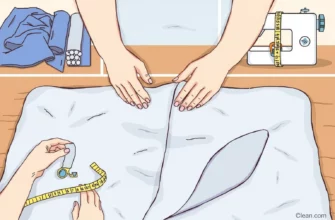
- The Double-Stitch Reinforcement: Using a curved upholstery needle‚ sew a tight whipstitch over the hole‚ extending the stitches at least one inch past the tear on both sides. Follow this with a second pass of backstitching to create a redundant seal.
- Replacing Lost Weight: If the blanket feels significantly lighter‚ purchase high-density glass micro-beads or HDPE polymer pellets. Use a small funnel to slide the new filling into the burst pocket before final sealing.
- Reinforce the Corners: Most leaks start at the corners. Sew a small triangular patch of heavy canvas over each corner to distribute the pulling force more evenly across the fabric.
Reinforcing Seams and Securing the Inner Insert
A classic “lifehacker” approach to weighted blanket maintenance involves preventative reinforcement. If your blanket consists of an inner weighted insert and an outer duvet cover‚ the weight often sags toward the middle‚ putting immense pressure on the internal ties. To fix this‚ replace the standard flimsy ribbon ties with heavy-duty paracord loops or large plastic snaps that can actually support the 20-pound load without fraying the fabric of the insert.
For those using a poly fill weighted blanket insert‚ the repair process is slightly different. Poly-fill is often used alongside beads to provide extra cushioning and muffling. If the poly-fill has clumped or migrated‚ you may need to open a small section of the seam and use a long knitting needle to redistribute the batting before resealing. Keeping the insert secured and the filling evenly distributed is the only way to prevent the “shifting sand” feeling that disrupts a good night’s rest.
Washing Without Damage: Luxome‚ Sleep Number‚ and Baloo Care Guides
Washing a weighted blanket is the most dangerous moment for its structural integrity. The combination of water weight and the mechanical agitation of a washing machine can turn a small‚ unnoticed weak point into a gaping hole. Different brands have vastly different construction methods‚ and treating a Luxome the same way you treat a Baloo can result in a ruined appliance or a shredded blanket.
- Luxome Weighted Blanket: Most Luxome models feature a removable cover and an integrated inner. While the covers are machine washable‚ the weighted core should only be washed in a front-loading commercial-grade machine with a capacity of at least 3.7 cubic feet to avoid burning out your home washer’s motor.
- Sleep Number Weighted Blanket: These often use “True Temp” technology. Always use cold water and a mild‚ pH-neutral detergent. Avoid fabric softeners at all costs‚ as they can coat the glass beads and the specialized fibers‚ reducing their moisture-wicking capabilities.
- Baloo Weighted Blanket: Known for using cotton and glass beads‚ Baloo blankets are surprisingly durable. However‚ they should be washed on a gentle cycle. Because they lack polyester batting‚ they dry faster‚ but they are heavy when wet—ensure your machine is leveled perfectly to prevent the drum from knocking during the spin cycle.
- Weight Limits: If your blanket is over 15 pounds‚ do not attempt to wash it in a standard top-loading machine with an agitator. The agitator will catch on the quilted seams and likely cause the very leaks you are trying to avoid.
Safe Drying Practices to Prevent Filling Clumping
Drying is where many polymer-filled blankets meet their end. High heat can actually melt or soften plastic pellets‚ causing them to fuse together into hard‚ uncomfortable lumps. If you have a polymer pellets filled weighted blanket‚ always use the “Air Dry” or “Low Heat” setting. Even if it takes three or four cycles to dry completely‚ it is better than ruining the internal texture of the blanket.
Air-drying is technically the safest method for the internal stitching‚ but it presents a challenge: mildew. If you choose to air-dry‚ lay the blanket flat on a clean surface with a fan blowing across it; hanging it on a clothesline will cause the weight to stretch the fabric downward‚ potentially snapping the internal baffles. For “half weighted” blanket styles—those designed for just the lower body—ensure you rotate the blanket every 30 minutes in the dryer to prevent the weighted portion from sitting against the hot metal drum for too long.
The Science of Filling: Glass Dust vs. Polymer Pellets
What exactly is inside your blanket? The choice of filling material dictates everything from the blanket’s “drape” to its thermal regulation and sound profile. While most modern high-end blankets have moved away from plastic‚ there are significant safety and sensory differences between the materials used in the industry today. Understanding these materials is vital if you are dealing with a leak‚ as some fillings are more hazardous than others when they escape.
| Feature | Glass Micro-Beads | Polymer Pellets (HDPE) | Steel Shot Beads |
|---|---|---|---|
| Density | High (takes up less space) | Low (blanket feels bulkier) | Extremely High |
| Noise Level | Silent (feels like fine sand) | Audible (slight “crunchy” sound) | Noticeable clinking |
| Heat Retention | Low (stays cooler) | High (traps body heat) | Moderate |
| Safety | Eco-friendly‚ hypoallergenic | Non-toxic but plastic-based | Durable but heavy |
Safety First: Calculating the Right Weight for Kids
When choosing or repairing a blanket for a child‚ the “10% rule” is the industry gold standard. A weighted blanket should be approximately 10% of the user’s body weight plus one or two pounds. Never use a weighted blanket for a child who cannot remove it themselves‚ as this poses a significant safety risk. If you are shopping for a “pink weighted blanket no sand‚” you are likely looking for high-quality glass micro-beads. Despite the marketing‚ these are not sand; they are polished spheres that provide a smooth‚ fluid feel.
There is a growing concern regarding “glass dust” in cheaper weighted blankets. This happens when low-quality‚ unpolished glass beads rub against each other‚ creating microscopic shards that can leak through the fabric. If you notice a fine white powder on your mattress‚ it is likely glass dust‚ which can cause respiratory irritation or skin itching. If this occurs‚ the blanket’s fabric is too porous or the beads are too low-grade; in this instance‚ a repair is not recommended‚ and the blanket should be replaced with a higher-quality‚ double-lined model.
Can I Get a Heavier Weighted Blanket? Customizing Your Sleep Setup
Sometimes‚ the standard weights just don’t cut it. If you’ve spent months with a 15-pound blanket and feel like the effect has diminished‚ you might be tempted to stack blankets or look for a custom heavy option. However‚ simply adding weight isn’t always the answer. The goal of Deep Pressure Stimulation is to trigger the release of serotonin and melatonin‚ not to pin you to the mattress so firmly that you can’t move your legs.
Many users report a “foot feels weighted down” sensation that can actually lead to joint soreness or restless leg symptoms if the weight is too concentrated. If you need more pressure‚ consider a “split” weighted blanket or a zoned model that places more weight in the center and less at the edges. This allows for the therapeutic benefits without the feeling of being trapped. Stacking two blankets is generally discouraged because it significantly reduces breathability‚ which can lead to overheating and disrupted REM sleep.
Hacks for Styling and Managing Multiple Blankets
If you and a partner have different weight needs‚ a shared weighted blanket can be a logistical nightmare. One person might need 25 pounds while the other finds 10 pounds suffocating. The best solution is to use two separate individual-sized weighted blankets and hide them under a single king-sized decorative duvet cover. This keeps the bed looking cohesive and styled while allowing each person to have their specific sensory needs met without interference.
To keep a weighted blanket from looking messy or sliding off the bed‚ use the “hospital corner” tucking method with your top sheet to create a friction barrier. You can also place the weighted blanket between the top sheet and a standard comforter. This sandwiching technique keeps the weight centered over your body and prevents the blanket from slowly migrating toward the floor during the night. If the blanket keeps sliding‚ check if your duvet cover has internal ties; if it doesn’t‚ sewing in four simple ribbon loops can solve the problem permanently.
Expert Perspective: Textile Integrity and Sleep Safety
In my professional experience as a textile specialist‚ I have found that a leaking weighted blanket is rarely just a “mess” to be vacuumed—it is a clear indicator of structural fatigue. When the internal baffles fail‚ the blanket loses its ability to provide uniform Deep Pressure Stimulation (DPS). I always advise my clients that uneven pressure is often worse than no pressure at all‚ as it can trigger sensory “hot spots” that actually increase cortisol rather than lowering it. If you see beads escaping‚ it means the thread has reached its elastic limit. While a patch can work for the perimeter‚ if the internal squares are failing‚ the blanket’s therapeutic life has likely come to an end. Always prioritize blankets with double-stitched reinforced seams and high-denier outer fabrics to ensure long-term safety and efficacy.
Frequently Asked Questions
Immediately vacuum the area to prevent slipping or pet ingestion‚ then apply a temporary fabric patch or tape to the leak site before performing a permanent double-stitch repair with nylon thread.
Can I wash a 20lb Luxome weighted blanket in a standard machine?
Only if your machine is a front-loader with a large capacity (3.7+ cu ft); top-loaders with agitators can tear the seams and the heavy weight may damage the washer’s suspension system.
Is the glass dust from weighted blankets dangerous?
Yes‚ in cheap blankets‚ degrading glass beads can create micro-shards that cause skin and respiratory irritation; if you see “dust‚” it is a sign of poor quality and the blanket should be replaced.
How do I fix a weighted blanket where all the weight is on one side?
This is caused by burst internal seams; you must open a small section of the outer seam‚ manually redistribute the beads into their original squares‚ and sew the internal baffle walls shut.
Can I stack two weighted blankets on top of each other?
It is not recommended as it traps excessive heat and can create too much pressure on the chest; it is safer to purchase a single blanket at the correct 10% body weight ratio.
How do I keep my weighted blanket from sliding off the bed?
Use a duvet cover with internal ties to secure the blanket‚ or tuck it firmly between the flat sheet and a heavier comforter to increase friction and stability.