- The Science of Selection: What Are the Different Weights of Weighted Blankets?
- Do Weighted Blankets Come in Different Weights for Kids and Adults?
- Quick Reference: Choosing Your Ideal Blanket Weight
- Inside the Fill: What Is Used to Make Weighted Blankets?
- The Difference Between Glass Beads and Plastic Pellets
- Structural Secrets: How Are Weighted Blankets Made to Last?
- Why Pocket Count and Tabs Matter for Your Sleep
- Cooling vs․ Traditional: Comparing Different Types of Weighted Blankets
- Which Type Should You Choose?
- Pushing the Limits: What Is the Heaviest Weighted Blanket They Make?
- Common Mistakes When Buying Your First Weighted Blanket
- Frequently Asked Questions
The Science of Selection: What Are the Different Weights of Weighted Blankets?
Finding the right heavy blanket is less about picking a random number and more about understanding your own physiology․ These specialized covers generally range from 5 to 30 pounds, designed to provide what researchers call deep touch pressure․
The core principle for selection is the 10% rule, which suggests your blanket should weigh approximately one-tenth of your total body mass․ This specific ratio ensures the pressure is firm enough to trigger a calming response without being restrictive․
While the 10% rule is a baseline, individual sensory preferences often dictate the final choice․ Some sleepers prefer a lighter touch, while others find that a slightly heavier load helps them ground their nervous system more effectively during high-stress periods․
Do Weighted Blankets Come in Different Weights for Kids and Adults?
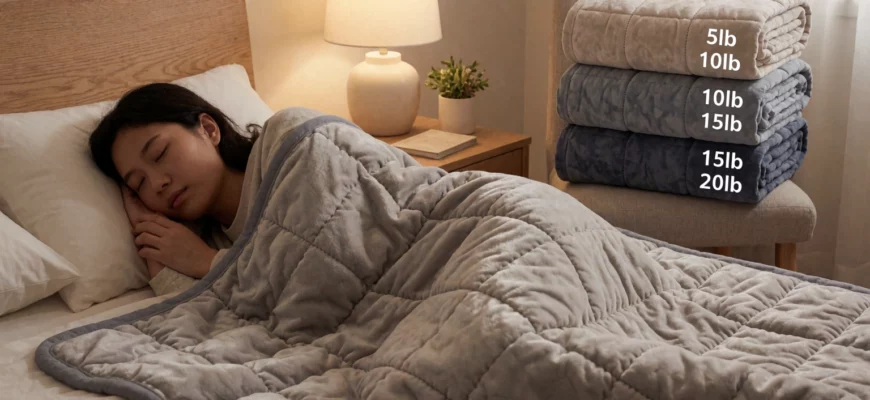
Manufacturers typically produce blankets in five-pound increments, such as 5, 10, 15, 20, 25, and 30 pounds․ This standardization allows users to find a close match for their specific body weight ratio regardless of their age or size․
For children, safety is the absolute priority, and the weight must be carefully calibrated to ensure they can remove the blanket independently․ Never use a weighted blanket for infants or toddlers, as they lack the physical strength to shift the weight if it covers their face․
When selecting for a larger bed, such as a king or queen, the weight distribution changes significantly․ A 20-pound blanket spread across a king-size bed feels much lighter than the same weight concentrated on a twin-size mattress because the pressure is distributed over a larger surface area․
Quick Reference: Choosing Your Ideal Blanket Weight
To simplify your shopping experience, use the following data to align your current body weight with the most effective blanket density․ Remember that these are guidelines, and you should always listen to your body’s comfort levels․
| User Body Weight | Recommended Blanket Weight | Ideal User Profile |
|---|---|---|
| 40 ー 70 lbs | 5 lbs | Children and small adolescents |
| 80 ー 120 lbs | 10 lbs | Teens and petite adults |
| 130 ー 170 lbs | 15 lbs | Average-sized adults / Side sleepers |
| 180 ー 220 lbs | 20 lbs | Larger adults / Back sleepers |
| 230+ lbs | 25 ー 30 lbs | Users seeking intense pressure |
If you fall directly between two sizes, most experts recommend sizing up if you are a back sleeper and sizing down if you primarily sleep on your side․ Side sleepers concentrate the weight on a smaller surface area of the body, which can lead to hip or shoulder discomfort if the blanket is too heavy․
Inside the Fill: What Is Used to Make Weighted Blankets?
The effectiveness of a weighted blanket depends heavily on what is hidden inside its quilted pockets․ Early versions often felt bulky or lumpy, but modern engineering has moved toward materials that provide a smooth, fluid-like feel․
The transition from plastic components to mineral-based fills has revolutionized how these blankets regulate temperature and contour to the body․ Higher-quality fills allow the blanket to drape naturally, mimicking the sensation of a firm, steady hug rather than a heavy board․
Beyond the weight, the filler affects the sound of the blanket; some materials rustle with every movement, while others remain virtually silent․ This is a critical factor for light sleepers who are easily disturbed by auditory input during the night․
The Difference Between Glass Beads and Plastic Pellets
Micro-glass beads have become the industry gold standard because they are significantly denser than plastic; This density allows for a thinner, less bulky blanket that provides the same amount of pressure without the “bean bag” aesthetic of older models․
Plastic poly-pellets are still found in budget-friendly options, but they tend to be larger and produce more noise when you shift positions․ Because plastic is less dense, these blankets require more filler to reach the target weight, often resulting in a blanket that feels excessively thick and traps too much body heat․
For those seeking eco-friendly or alternative fillers, some specialty manufacturers use steel shot or even dried grains․ Steel shot offers extreme density for very heavy blankets, while grains like rice or beans are rare today because they cannot be washed and may attract moisture or pests over time․
Structural Secrets: How Are Weighted Blankets Made to Last?
A high-quality weighted blanket is a feat of textile engineering designed to keep thousands of tiny beads from shifting to one side․ If the internal structure fails, the weight pools in the corners, rendering the deep touch pressure ineffective and making the blanket difficult to manage․
The most reliable construction method involves a complex internal grid system where each square is individually sewn and filled․ This “pocketed” approach ensures that whether you are lying flat or curled in a ball, the pressure remains consistent across your entire body․
Durability also comes down to the reinforced stitching along the edges․ Because these blankets are under constant tension from their own weight, double-stitched seams are mandatory to prevent the filler from leaking out and creating a mess in your bed․
Why Pocket Count and Tabs Matter for Your Sleep
The size of the quilted pockets is the best indicator of a blanket’s quality; smaller pockets, typically 4×4 or 5×5 inches, provide superior weight distribution; Larger pockets allow the beads to slide around within the square, which creates uneven pressure points and “cold spots” where no weight is felt․
Internal loops or tabs are another essential structural feature, usually found at the corners and along the sides․ These allow you to secure the weighted insert to a duvet cover, preventing the heavy inner layer from bunching up or sliding around inside the decorative shell․
When considering dimensions, remember that a weighted blanket should be smaller than your mattress․ It is designed to cover your body, not the bed; if the blanket hangs over the edges, gravity will pull the weight toward the floor, causing it to slide off you in the middle of the night․
Cooling vs․ Traditional: Comparing Different Types of Weighted Blankets
One of the most common complaints about heavy blankets is that they trap heat, leading to night sweats․ To combat this, manufacturers have developed specialized fabrics and construction styles that promote airflow while maintaining the necessary weight․
Traditional blankets often use minky or fleece fabrics, which are excellent for winter but stifling in the summer․ Cooling variants utilize moisture-wicking materials and breathable weaves to ensure that the added mass doesn’t lead to overheating․
| Feature | Traditional Weighted Blanket | Cooling Weighted Blanket |
|---|---|---|
| Primary Fabric | Cotton, Minky, or Fleece | Bamboo, Eucalyptus (Lyocell), or Glass Fiber |
| Heat Retention | High — Best for cold sleepers | Low ー Best for hot sleepers and summer |
| Texture | Soft, fuzzy, and cozy | Silky, smooth, and cool to the touch |
| Breathability | Moderate | High ー Designed for maximum airflow |
Which Type Should You Choose?
If you are a “hot sleeper” who frequently kicks off the covers, a cooling weighted blanket made from bamboo or eucalyptus is a non-negotiable requirement․ These fabrics are naturally more breathable and have superior moisture-wicking properties compared to synthetic polyester blends․
Another option gaining popularity is the heavy knitted blanket․ These are made from massive loops of weighted yarn rather than fabric pockets filled with beads․ The open-weave design of a knitted blanket allows for total air circulation, making it perhaps the most breathable option on the market today․
For those who live in varying climates, a “hybrid” approach works best․ Buy a high-quality weighted insert with glass beads and swap the duvet cover between a warm minky fabric for winter and a crisp, cooling bamboo cover for the summer months․
Pushing the Limits: What Is the Heaviest Weighted Blanket They Make?
While the standard consumer market tops out at 30 pounds, there is a niche market for even heavier options․ Some custom manufacturers produce blankets weighing 35, 40, or even 50 pounds, but these are generally reserved for clinical settings or very specific therapeutic needs․
Using a blanket that is too heavy can be counterproductive and even dangerous․ If the weight makes it difficult to turn over or change positions, it can lead to joint strain or, in extreme cases, restricted circulation during sleep․
Safety Warning: Individuals with respiratory issues, sleep apnea, or circulatory problems should consult a physician before using a blanket heavier than 10% of their body weight․ The added pressure on the chest cavity can exacerbate breathing difficulties in sensitive users․
For the vast majority of adults, the 20 to 25-pound range provides the maximum therapeutic benefit without crossing into the zone of diminishing returns․ More weight does not always equal more relaxation; once the nervous system is saturated with input, extra pounds only add unnecessary physical strain․
Common Mistakes When Buying Your First Weighted Blanket
Avoid these frequent pitfalls to ensure your investment actually improves your sleep hygiene rather than becoming a source of frustration․
- Buying based on bed size instead of body size: A King-sized weighted blanket is often too large for a single sleeper, as the weight is spread too thin to be effective․
- Ignoring the “Washability” factor: Many weighted inserts are “spot clean only․” Always check if the inner blanket is machine washable or if you must use a removable cover to keep it hygienic․
- Forgetting about the weight limit of your washing machine: A 25-pound blanket can become significantly heavier when wet, potentially breaking the suspension or motor of a standard home washer․
- Choosing the wrong fabric for your climate: Buying a thick minky blanket in a humid environment often leads to the blanket being tossed aside by midnight due to heat․
- Skipping the internal ties: If you use a cover, ensure it has at least 8 attachment points․ Fewer ties will result in the blanket sagging and clumping inside the cover․
In my professional experience, I have found that the success of weighted sleep therapy relies on the “adjustment period․” I always advise clients to start by using the blanket over just their legs for the first three nights․ This allows the proprioceptive system to habituate to the new input without feeling overwhelmed․ Furthermore, remember that weight is a tool for the nervous system; if you feel an increase in heart rate or anxiety, the blanket is likely too heavy․ Always prioritize comfort over the 10% rule, as individual sensory processing thresholds vary wildly from person to person․
Frequently Asked Questions
Yes․ If the blanket restricts your ability to move freely or makes breathing feel labored, it is too heavy․ Most people find that exceeding 12-15% of their body weight causes physical discomfort rather than relaxation․
How do I keep my weighted blanket from sliding inside the cover?
You must use the internal loops and ties․ Turn the duvet cover inside out, tie all the corresponding ribbons to the blanket’s tabs, and then flip the entire assembly right-side out for a secure fit․
Are weighted blankets machine washable?
This depends on the filler and fabric․ While glass beads are generally heat-resistant and washable, the total weight may exceed your washing machine’s capacity․ Commercial laundromats are often the safest choice for blankets over 15 pounds․
What is the best weight for a couple sharing a blanket?
Sharing is generally discouraged unless you buy a specific “couples” blanket․ If sharing, calculate the weight based on the smaller person to ensure their safety, or better yet, use two separate blankets to accommodate individual preferences․
How long should a weighted blanket be?
The blanket should comfortably cover you from your chin down to past your feet․ However, it should not be so long that it drapes over the foot of the bed, as the weight will eventually pull the entire blanket off the mattress․
How many pockets should a high-quality weighted blanket have?
Look for a blanket with a high density of small pockets․ A grid of 4×4 inch squares is ideal for preventing the beads from shifting and ensuring the weight stays perfectly centered over your body․