- Understanding the Safety of a Weighted Blanket During Pregnancy
- What Do Health Guidelines Like the NHS Suggest?
- Essential Safety Rules for Weighted Blanket Use
- Managing Temperature and Avoiding Overheating
- Why Deep Pressure Stimulation Might Be Your Best Friend While Pregnant
- Soothing Anxiety and Improving Sleep Quality
- Adapting Your Blanket Use from the First to the Third Trimester
- Navigating the Third Trimester and Heavy Pressure
- Transitioning to Parenthood: Weighted Blankets for Postpartum Recovery
- Supporting Mental Health After Childbirth
- Common Mistakes to Avoid When Choosing Your Pregnancy Blanket
- Expert Perspective: Prenatal Sleep Ergonomics
- Frequently Asked Questions
Understanding the Safety of a Weighted Blanket During Pregnancy
For many expectant mothers, the quest for a restful night’s sleep feels like an uphill battle against hormonal shifts, physical discomfort, and a racing mind. If you are considering a weighted blanket to soothe these issues, the short answer is that they are generally considered safe for low-risk pregnancies, provided you follow specific safety protocols regarding weight and temperature.
The primary concern during pregnancy is not the pressure itself, but rather the potential for overheating or restricted movement. Because your body is already working overtime to support a developing fetus, adding external weight must be done with an eye toward maintaining your ability to shift positions or remove the blanket instantly without physical strain.
While the sensation of deep pressure can be incredibly grounding, it is vital to consult your primary care provider or midwife before introducing one. This is especially true if you have a history of respiratory issues, circulatory complications, or are experiencing a high-risk pregnancy where blood flow is a primary concern.
What Do Health Guidelines Like the NHS Suggest?
Official health bodies like the NHS do not have a specific “ban” on weighted blankets for pregnant women, but their broader guidelines on prenatal safety emphasize two critical factors: avoiding hyperthermia (overheating) and ensuring unrestricted breathing. During the second and third trimesters, your heart and lungs are already under increased demand; any external factor that makes it harder to expand your chest fully or regulate your core temperature should be used with caution.
Medical consensus generally suggests that if you can move the blanket independently and it does not cause a spike in your body temperature, it is a viable non-pharmacological tool for sleep. However, you must seek professional advice immediately if you have been diagnosed with preeclampsia or gestational hypertension, as external pressure can occasionally interfere with peripheral circulation in these specific medical contexts.
The golden rule for weighted blanket use while pregnant is “mobility is safety.” If you find yourself struggling to roll over or feeling “pinned” to the mattress, the blanket is likely too heavy for your current physical state. Always prioritize your ability to exit the bed quickly, as frequent bathroom trips are a hallmark of the prenatal experience.
Essential Safety Rules for Weighted Blanket Use
Using a weighted blanket during pregnancy requires a slightly different set of rules than those applied to the general population. Your body is more sensitive to heat, your center of gravity is shifting, and your skin may be more prone to irritation. Following a strict safety framework ensures you reap the benefits without compromising your health or the baby’s environment.
- Stick to the 10% rule based on your pre-pregnancy weight to avoid placing excessive strain on your joints and respiratory system.
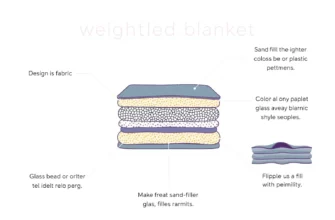
- Prioritize blankets with glass bead filling over plastic pellets, as glass distributes weight more evenly and traps significantly less body heat.
- Ensure the blanket is only used while you are fully conscious until you are certain of how your body reacts to the added pressure.
- Avoid placing the bulk of the weight directly on your abdomen during the later stages of pregnancy; instead, focus the pressure on your legs and hips.
- Never use a weighted blanket if you are experiencing shortness of breath or if you have been put on strict bed rest for circulatory issues.
Managing Temperature and Avoiding Overheating
One of the most significant risks during pregnancy is an elevated core temperature, which has been linked to developmental concerns in the early stages. Traditional weighted blankets often use synthetic fills that act as insulators, trapping heat against your skin and potentially causing you to wake up in a sweat. This is not just a matter of comfort; it is a physiological safety concern.
To mitigate this, look for “cooling” weighted blankets made from breathable fabrics like bamboo lyocell or high-thread-count cotton. These materials allow for better airflow and moisture-wicking. If you begin to feel flushed, dizzy, or notice your heart rate increasing, remove the blanket immediately and drink cool water to bring your temperature back to a baseline level.
Pay close attention to the ambient temperature of your bedroom. Many experts recommend keeping the room between 60-67 degrees Fahrenheit when using a weighted blanket. If your bedroom is naturally warm, a weighted blanket may not be the best choice unless it is specifically designed with open-cell technology to prevent thermal buildup.
Why Deep Pressure Stimulation Might Be Your Best Friend While Pregnant
The science behind weighted blankets lies in Deep Pressure Stimulation (DPS), a therapeutic technique that mimics the feeling of being hugged or held. For a pregnant woman, whose nervous system is often in a state of “high alert” due to fluctuating hormones like cortisol and progesterone, this gentle pressure can trigger the release of serotonin and melatonin.
This biological shift helps transition the body from the sympathetic nervous system (fight or flight) to the parasympathetic nervous system (rest and digest). By lowering the physiological markers of stress, you create a more hospitable internal environment for both yourself and your baby, potentially leading to longer periods of REM sleep and better overall mood stability.
Soothing Anxiety and Improving Sleep Quality
Prenatal anxiety is a common but often under-discussed symptom of pregnancy. The weight of the blanket provides a sense of “grounding” that can reduce the racing thoughts often associated with the transition to motherhood. By lowering cortisol levels through consistent pressure, the blanket helps quiet the adrenal system, making it easier to drift off despite the physical changes occurring in your body.
Furthermore, many pregnant women suffer from Restless Leg Syndrome (RLS), a “creepy-crawly” sensation that makes it nearly impossible to keep the legs still at night. The weight of the blanket provides a sensory distraction that can override the neurological signals of RLS, providing much-needed relief for the lower extremities. This localized pressure often allows for a more stable sleeping position, reducing the need for constant tossing and turning.
Creating a sense of security is vital during the hormonal shifts of the second and third trimesters. The “swaddling” effect of the blanket can be particularly comforting when your body feels less like your own. Using the blanket as part of a consistent sleep hygiene routine signals to your brain that it is time to wind down, helping to combat the “pregnancy brain” fog that results from chronic insomnia.
Adapting Your Blanket Use from the First to the Third Trimester
Your needs and safety requirements will evolve as your pregnancy progresses. What feels like a comforting embrace in the first trimester might feel restrictive or heavy by the time you reach week 35. It is important to adjust how you use the blanket to accommodate your growing bump and changing mobility levels.
| Trimester | Recommended Use | Safety Focus |
|---|---|---|
| First Trimester | Full-body coverage for nausea-related anxiety and fatigue. | Avoid overheating during early organ development. |
| Second Trimester | Focus weight on the hips and legs to combat RLS and joint pain. | Ensure the blanket doesn’t restrict side-sleeping positions. |
| Third Trimester | Lower body only or draped over the legs while sitting. | Maintain mobility and avoid abdominal pressure. |
Navigating the Third Trimester and Heavy Pressure
As you enter the third trimester, the sheer size of the baby and the uterus changes your internal ergonomics. Placing a heavy weighted blanket directly over your abdomen can be uncomfortable and may even put unnecessary pressure on the vena cava, the large vein that carries blood from the lower body to the heart. To stay safe, drape the blanket primarily over your legs and feet, leaving your midsection free or covered only by a light sheet.
Movement becomes significantly more difficult in the final weeks. If you find that getting out of bed to use the bathroom—which you likely do several times a night—is hindered by the weight of the blanket, it is time to switch to a lighter version or stop using it temporarily. Your ability to move quickly and without straining your abdominal muscles is paramount during this stage of pregnancy.
Many women find that using the weighted blanket while sitting in a recliner or on the sofa is a safer alternative during the final month. This allows you to benefit from the calming effects of the weight on your legs without the risk of feeling trapped while lying flat on your back, a position that is generally discouraged in late pregnancy anyway.
Transitioning to Parenthood: Weighted Blankets for Postpartum Recovery
The “fourth trimester” or postpartum period is a time of intense physical and emotional recovery. The sudden drop in hormones after birth can lead to the “baby blues” or more severe postpartum anxiety and depression. A weighted blanket can be a powerful tool for physical grounding during this vulnerable time, helping to stabilize your mood as you navigate the challenges of new parenthood.
Physical healing, especially after a long labor, involves significant muscle soreness and joint inflammation. The deep pressure can help soothe these aches, acting almost like a full-body massage. However, you must be incredibly diligent about how and where the blanket is stored. A weighted blanket should never, under any circumstances, be used with or near an infant, as it poses a severe suffocation and SIDS risk.
Supporting Mental Health After Childbirth
Sleep deprivation is an unavoidable part of early parenthood, but when you do get a chance to sleep, it needs to be high quality. Using a weighted blanket during your “off-duty” hours can help you fall asleep faster, making the most of those short windows of rest. The pressure helps regulate the nervous system, which may be stuck in a state of hyper-vigilance after the baby arrives.
If you have undergone a C-section, you must wait until your incision is completely healed before allowing any weight to rest on your midsection. Even then, it is often better to keep the weight on your legs to avoid any pulling or pressure on the scar tissue. Always prioritize safe storage; keep the weighted blanket in a closet or a high shelf when not in use to ensure it never accidentally ends up in the baby’s crib or bassinet.
Common Mistakes to Avoid When Choosing Your Pregnancy Blanket
Not all weighted blankets are created equal, and choosing the wrong one can lead to discomfort or safety risks. Many people make the mistake of buying a blanket that is far too heavy, thinking “more weight equals more calm.” In reality, excessive weight can lead to joint pain and increased heart rate, especially when your body is already carrying extra pregnancy weight.
- Buying a blanket with synthetic polyester fill: These trap heat and can cause dangerous overheating during the night.
- Ignoring the “washability” factor: Pregnancy often involves night sweats or occasional spills; choose a blanket with a removable, machine-washable cover to maintain hygiene.
- Selecting a blanket that is too small: If the blanket doesn’t cover your legs properly, the weight distribution will be uneven, leading to localized pressure points that can restrict circulation;
- Using the blanket 24/7: Your body needs time to regulate its own sensory input; limit use to sleep times or short periods of relaxation to prevent sensory habituation.
- Failing to check for leaking beads: Small glass beads can be a choking hazard for other children in the house or a nuisance in the bed; always inspect seams for durability.
Expert Perspective: Prenatal Sleep Ergonomics
In my professional experience working with prenatal sleep hygiene, I have found that weighted blankets are one of the most effective non-pharmacological tools for managing the ‘wired but tired’ state common in the second trimester. However, I always advise my clients that mobility is the ultimate safety metric. If you cannot comfortably toss, turn, or exit the bed in under five seconds, the blanket is a liability rather than an asset. I recommend using the blanket as a ‘finishing layer’ over the legs rather than a full-body shroud. This allows the nervous system to calm down through the lower extremities while keeping the chest and abdomen free for maximum respiratory expansion and temperature regulation.
Frequently Asked Questions
No, the baby is well-protected by the amniotic sac and your own muscle tissue. However, to avoid discomfort or pressure on major blood vessels, it is best to use the blanket over your legs rather than directly on your bump in the final weeks.
How heavy should my weighted blanket be while pregnant?
The standard recommendation is 10% of your pre-pregnancy weight. If you feel easily fatigued or are prone to overheating, opt for a slightly lighter version to ensure you can move it easily.
Does the NHS have specific rules for weighted blankets?
The NHS does not have a formal ban, but their safety guidelines focus on preventing overheating and ensuring you can breathe freely. Always ensure you don’t get too hot, as this can be risky for the baby.
Can I use a weighted blanket if I have pregnancy-induced hypertension?
You should consult your doctor before use if you have blood pressure issues. External weight can affect circulation, and your medical team needs to ensure it won’t interfere with your specific condition.
Will a weighted blanket help with pregnancy restless leg syndrome?
Yes, many women find significant relief. The deep pressure calms the nervous system and provides a grounding sensation that can override the uncomfortable “crawling” feeling in the legs.
Is it safe to use a weighted blanket if I’m having a C-section recovery?
You should avoid placing any weight directly on the incision site until it is fully healed; Using the blanket only on your legs is a safer way to get the benefits without risking your recovery.