- Finding Your Ideal Anxiety Blanket Weight: The 10% Rule and Beyond
- Personalizing the Pressure: Choosing Anxiety Blanket Weight for Comfort
- Quick Reference: Anxiety Blanket Weight Selection Chart
- Calming the Storm: How Weighted Blankets Ease Panic Attacks and Depression
- A Shield Against the Void: Weighted Blankets for Loneliness and Depression
- Immediate Intervention: Using a Weighted Blanket for Panic Attacks
- Support for Survivors: Addressing PTSD‚ Trauma‚ and Bipolar Disorder
- Restoring Safety: Weighted Blankets for Trauma and PTSD
- Managing Mood Extremes: Bipolar Disorder and Childhood Psychosis
- The Logistics of Relief: Insurance‚ Maintenance‚ and Daily Use
- Is a Weighted Blanket a Hassle? Tips for Easy Maintenance
- How to Get a Therapist Note for Weighted Blanket Insurance
- Pros and Cons: Store-Bought vs. DIY Weighted Blankets
- Crafting Comfort: A Guide to DIY Weighted Blankets for Adults
- Special Considerations: Pregnancy‚ Teens‚ and Global Availability
- Comfort for Two: Using a Weighted Blanket While Pregnant
- Where to Find Quality: From South Africa to USA-Made Brands
- Expert Perspective: Deep Pressure Therapy
- Frequently Asked Questions
Finding Your Ideal Anxiety Blanket Weight: The 10% Rule and Beyond
Choosing the correct anxiety blanket weight is the single most important factor in determining whether the tool provides a sense of security or becomes a source of physical discomfort. The standard medical recommendation usually begins at 10% of your total body weight‚ plus an additional one or two pounds for added snugness.
Think of this weight not as a burden‚ but as a simulated hug that provides constant‚ gentle pressure across the body. This mechanical input signals the brain to move from a state of “fight or flight” into a state of “rest and digest‚” making the selection process a personal journey rather than a rigid mathematical formula.
If you weigh 150 pounds‚ a 15-pound blanket is your baseline‚ but your unique sensory profile might lead you to go slightly lighter or heavier. Always ensure you can easily move and remove the blanket yourself to maintain safety and comfort throughout the night.
Personalizing the Pressure: Choosing Anxiety Blanket Weight for Comfort
While the 10% rule is a reliable starting point‚ personal preference and sleeping positions play a significant role in how that weight actually feels once you are under the covers. For example‚ individuals who identify as side sleepers often find that a blanket at the full 10% mark puts excessive pressure on the hips and shoulders‚ leading to joint soreness by morning. In these cases‚ dropping down to 7% or 8% of your body weight can provide the same neurological benefits without the physical strain on your joints.
Weight distribution is another factor that many users overlook when transitioning from a throw-size blanket to a full bed-size version. A 20-pound King-sized blanket will feel significantly lighter than a 20-pound Twin-sized blanket because the weight is spread over a much larger surface area. If you want the weight to stay concentrated on your body rather than hanging off the sides of the bed‚ it is often better to purchase a weighted throw blanket for anxiety that specifically covers your frame rather than the entire mattress.
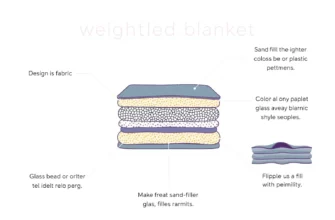
For those who are particularly sensitive to heat‚ the material of the weighted insert is just as vital as the poundage. Glass beads are much denser than plastic pellets‚ allowing for a thinner‚ more breathable blanket that maintains its weight without trapping excessive body heat. If you tend to sleep hot‚ prioritize blankets filled with micro-glass beads and covered in moisture-wicking fabrics like bamboo or eucalyptus.
Quick Reference: Anxiety Blanket Weight Selection Chart
The following chart serves as a general guide for adults and teens looking to find their ideal weight range. Use these figures as a foundation‚ but remember to adjust based on your specific comfort level and any underlying physical conditions.
| User Body Weight (lbs) | Recommended Blanket Weight (lbs) | Ideal Use Case |
|---|---|---|
| 90 ⏤ 110 lbs | 10 lbs | Teens or petite adults; great for daytime lounging. |
| 110, 140 lbs | 12 — 15 lbs | Standard adult range for sleep and anxiety management. |
| 140 — 170 lbs | 15, 17 lbs | Deep pressure therapy for moderate to high anxiety. |
| 170 ⏤ 200 lbs | 20 lbs | Heavier pressure for grounding and sensory processing. |
| 200+ lbs | 25 — 30 lbs | Maximized pressure for larger frames or severe insomnia. |
Calming the Storm: How Weighted Blankets Ease Panic Attacks and Depression
The physiological impact of deep pressure stimulation (DPS) is rooted in the way our nervous system processes tactile input. When the body is under a weighted blanket‚ the mechanical pressure stimulates the mechanoreceptors in the skin‚ which then send signals to the brain to decrease cortisol production and increase the release of serotonin and melatonin.
This shift is particularly effective for those dealing with the physical manifestations of anxiety‚ such as a racing heart or shallow breathing. By providing a consistent “grounding” sensation‚ the blanket helps the body recognize that it is in a safe environment‚ allowing the heart rate to stabilize and the muscles to relax.
Beyond the immediate physical calming‚ these blankets address the heavy‚ often paralyzing symptoms of clinical depression. The physical weight acts as a counter-force to the feeling of emptiness or “lightness” that often accompanies depressive episodes‚ providing a tangible sense of presence and boundary.
A Shield Against the Void: Weighted Blankets for Loneliness and Depression
Loneliness often carries a physical component known as “skin hunger‚” where the lack of human touch leads to increased stress and a sense of isolation. Using a weighted blanket for loneliness works by mimicking the sensation of a firm hug‚ which triggers the release of oxytocin‚ the body’s “cuddle hormone.” This hormonal response can significantly lower the feeling of social isolation and provide a sense of physical security for those living alone.
For those struggling with depression‚ the hours before sleep are often the most difficult‚ as rumination and negative thought loops take over. The sensory input from a weighted blanket for anxiety and depression helps redirect the brain’s focus from internal thoughts to external physical sensations. By anchoring the person in the “here and now‚” the blanket reduces the mental energy spent on rumination‚ making it easier to drift into a restorative sleep cycle.
Immediate Intervention: Using a Weighted Blanket for Panic Attacks
During a panic disorder episode‚ the sympathetic nervous system is in total overdrive‚ often making the sufferer feel as though they are losing control of their body. A weighted blanket serves as an immediate‚ non-pharmacological intervention by providing intense grounding. The weight acts as a “sensory anchor‚” helping the individual reconnect with their physical boundaries when they feel they are spiraling or dissociating.
Safe usage during these high-stress moments is key. If someone is experiencing a panic attack‚ the blanket should be placed over the torso and legs‚ leaving the head and neck completely free to ensure there is no feeling of restriction that could worsen the panic. This redirected sensory input provides the brain with a new‚ calming set of data to process‚ which can help terminate the fight-or-flight response more rapidly than talk therapy alone in that specific moment.
Support for Survivors: Addressing PTSD‚ Trauma‚ and Bipolar Disorder
Trauma is not just a mental experience; it is stored in the body’s tissues and nervous system. For survivors of trauma and PTSD‚ the world can often feel like a place of constant threat‚ leading to chronic hyper-vigilance. Weighted blankets provide a “safe container” or a cocoon-like environment that helps the survivor feel protected from all sides.
This sense of enclosure is vital for those who struggle with being touched by others. It allows the individual to experience the benefits of deep pressure without the potential triggers of human contact. For veterans and abuse survivors‚ this tool can become a critical component of a broader trauma-informed care plan.
Restoring Safety: Weighted Blankets for Trauma and PTSD
Hyper-vigilance—the state of always being “on guard”—is exhausting for the adrenal system. Deep pressure helps dampen this state by providing a constant‚ predictable stimulus that the brain doesn’t need to “investigate” for danger. For veterans with PTSD‚ using a weighted blanket can reduce night terrors and the “startle response” that often makes falling asleep nearly impossible.
Similarly‚ for women recovering from heavy abuse‚ a weighted blanket can help re-establish a sense of bodily autonomy and safety. The blanket creates a physical boundary between the survivor and the rest of the room‚ offering a sanctuary where the body can finally let down its guard. Many non-profits now recognize this and work to provide a free weighted blanket for veterans with ptsd or survivors in shelters as part of their recovery kits;
Managing Mood Extremes: Bipolar Disorder and Childhood Psychosis
In the management of bipolar disorder‚ sensory regulation is a powerful tool for stabilizing the “highs” and “lows.” During a manic phase‚ the sensory world can become overwhelming‚ leading to agitation and anger. A heavy blanket can help “dampen” this over-stimulation‚ providing a calming physical weight that grounds the individual’s energy and helps prevent the escalation of manic symptoms.
When it comes to childhood psychosis or severe sensory processing disorders in children‚ weighted blankets offer a gentle way to manage agitation. The weight provides the proprioceptive input that many of these children crave‚ helping them feel where their body ends and the world begins. This can be particularly helpful during “meltdowns” or periods of high anger‚ as the blanket provides a safe way to self-soothe without the need for physical restraint.
The Logistics of Relief: Insurance‚ Maintenance‚ and Daily Use
While the benefits are clear‚ many potential users hesitate because they view a weighted blanket as a hassle. These items are heavy‚ difficult to wash‚ and can be expensive. However‚ with the right strategies‚ these logistical hurdles are easily managed‚ and for many‚ the cost can be offset through medical insurance.
Maintenance is the biggest concern for most. You cannot simply throw a 20-pound blanket into a standard home washing machine without risking damage to the appliance’s drum. The most effective way to avoid this is to use a removable duvet cover‚ which can be washed weekly while the weighted inner remains clean and protected.
Is a Weighted Blanket a Hassle? Tips for Easy Maintenance
If you must wash the weighted portion‚ always use a commercial-grade washer at a laundromat that can handle heavy-duty loads. Air drying is often the safest route for the fillers‚ as high heat can sometimes degrade the stitching or the plastic pellets inside. To make the blanket more portable‚ consider a modular design where the weight is distributed into smaller‚ removable pods.
Storage is another factor. Because they are dense‚ they don’t fold as easily as standard quilts. Store your blanket in a breathable canvas bag rather than plastic to prevent moisture buildup. If you are traveling‚ look for “travel-size” weighted lap pads which provide similar grounding benefits in a much more portable 5-to-7-pound format.
How to Get a Therapist Note for Weighted Blanket Insurance
Many people are surprised to learn that a weighted blanket can be classified as Durable Medical Equipment (DME). To get your insurance to cover the cost‚ you will need a formal therapist note for weighted blanket insurance. The note must explicitly state the medical necessity‚ linking the blanket to a specific diagnosis such as Sensory Processing Disorder‚ PTSD‚ or chronic insomnia.
When speaking with your therapist‚ ask them to use specific keywords that insurance adjusters look for‚ such as “Deep Pressure Stimulation for sensory modulation.” Ensure the prescription includes the specific weight recommended for your body. While not all insurance plans cover these tools‚ many Health Savings Accounts (HSA) and Flexible Spending Accounts (FSA) allow you to use pre-tax dollars for the purchase if you have the proper documentation.
Pros and Cons: Store-Bought vs. DIY Weighted Blankets
Deciding whether to buy a professionally manufactured blanket or make your own depends on your budget‚ your sewing skills‚ and how specific your needs are. High-end brands like Purple offer engineered weight distribution‚ while DIY projects allow for total customization of fabric and filler.
| Feature | Store-Bought (e.g.‚ Purple‚ USA-Made) | DIY Weighted Blanket |
|---|---|---|
| Cost | Higher upfront cost ($150 — $300). | Lower cost if you have the materials ($50 — $100). |
| Weight Distribution | Precision-stitched pockets ensure even weight. | Can be uneven if not sewn with extreme care. |
| Safety | Tested for non-toxic fillers and durability. | Risk of leaks or using improper fillers. |
| Time | Ready to use immediately. | Requires 5-10 hours of labor-intensive sewing. |
Crafting Comfort: A Guide to DIY Weighted Blankets for Adults
If you choose the DIY route‚ the most critical component is the filler. Avoid using organic materials like rice or beans‚ as these can rot or attract pests over time. Instead‚ opt for high-quality micro-glass beads‚ which provide a smooth‚ sand-like texture and are machine-washable. Ensure you use a heavy-duty needle and upholstery-grade thread to handle the weight of the beads against the fabric.
Safety is paramount when making a weighted blanket for anxiety adults diy style. The blanket must be divided into a grid of small squares (usually 4×4 inches)‚ with an equal amount of weight measured into each square before sewing it shut. This prevents the beads from pooling at one end‚ which could create a choking hazard or cause uneven pressure that strains your muscles.
Special Considerations: Pregnancy‚ Teens‚ and Global Availability
Specific groups have unique needs when it comes to weighted blankets. For pregnant women‚ the focus is on safety and avoiding abdominal pressure. For teens‚ the focus is often on managing the sensory overload of school and social media. Global availability is also increasing‚ with more local options appearing in markets like South Africa and the UK.
Regardless of where you are or what your life stage is‚ the goal remains the same: finding a tool that helps your nervous system feel regulated and safe. Always consult with a healthcare provider if you have underlying circulatory or respiratory issues before starting deep pressure therapy.
Comfort for Two: Using a Weighted Blanket While Pregnant
Using a weighted blanket for anxiety while pregnant is generally considered safe‚ but it requires a few modifications. You should never place the full weight of the blanket directly on your abdomen‚ especially in the second and third trimesters. Instead‚ use the blanket over your legs and hips‚ or drape it over your shoulders while sitting up.
The extra weight can also help with the “restless leg syndrome” that many pregnant women experience. However‚ always consult with your OBGYN before use‚ as the added weight could potentially interfere with circulation if you already have issues with swelling or blood pressure. If you feel overheated‚ discontinue use immediately‚ as maintaining a stable core temperature is vital during pregnancy.
Where to Find Quality: From South Africa to USA-Made Brands
If you are looking for high-quality craftsmanship‚ weighted anxiety blanket for people made in the usa often feature better stitching and non-toxic glass beads compared to mass-produced imports. For those outside the US‚ finding a weighted blanket for anxiety south africa or in European markets has become much easier through local artisans on platforms like Etsy.
Buying through weighted blanket for anxiety etsy sellers allows you to request custom weights and specific fabrics like “minky” or cooling cotton that might not be available in big-box stores. If you prefer to touch the fabric before buying‚ you can often find a weighted blanket for anxiety in stores like Target or specialized medical supply shops‚ though the weight options may be more limited than online retailers.
Expert Perspective: Deep Pressure Therapy
In my professional experience‚ I have seen weighted blankets transform the sleep hygiene of patients who have struggled for years with chronic hyper-vigilance. However‚ I always advise my clients that a weighted blanket is a supplemental tool‚ not a cure-all. It works best when integrated into a comprehensive therapeutic plan that includes cognitive-behavioral strategies or professional counseling. For those with complex PTSD or Bipolar Disorder‚ it is vital to monitor how your body responds; if the weight ever triggers a feeling of being “trapped” rather than “held‚” you should reduce the weight or switch to a different sensory tool like a weighted lap pad or a compression vest.
Frequently Asked Questions
The standard rule is to calculate 10% of your body weight and add 1 or 2 pounds. For example‚ a 150-pound person should look for a 15-to-17-pound blanket for optimal results.
Are weighted blankets safe to use during pregnancy?
Yes‚ they are generally safe‚ but avoid placing the weight directly on your abdomen. Use it on your legs or shoulders and consult your doctor to ensure it doesn’t affect your circulation.
Can I get a weighted blanket covered by my health insurance?
It is possible if your therapist provides a note classifying it as Durable Medical Equipment (DME) for a diagnosed condition like PTSD or Sensory Processing Disorder.
Are there free weighted blankets available for veterans?
Some non-profits and VA-affiliated programs provide sensory tools to veterans with PTSD. It is worth checking with local veterans’ support organizations or occupational therapy departments within the VA.
Can a weighted blanket help with panic attacks?
Yes‚ the weight provides immediate grounding that helps regulate the nervous system‚ lowering your heart rate and pulling your focus away from the panic response.
What is the best way to wash a heavy weighted blanket?
To avoid the hassle‚ use a removable duvet cover for regular washing. If the weighted insert needs cleaning‚ use a commercial-grade washer at a laundromat rather than a home machine.