- Solving the Mystery: What Weighted Blanket Should I Get?
- Why the Right Fit Matters for Your Nervous System
- The Golden Rule: Calculating Which Weighted Blanket is Best for Your Body
- Weight Charts for Adults vs․ Children
- Hot Sleeper or Cold Sleeper? Choosing the Right Type of Weighted Blanket
- Breathable Fabrics for Night Sweats
- Cozy Materials for Winter Comfort
- Whats Inside? Understanding Glass Beads vs․ Plastic Pellets
- Why Glass Micro-Beads are the Modern Standard
- Size Matters: Why Your Blanket Shouldnt Match Your Mattress
- Individual vs․ Shared Weighted Blankets
- The Ultimate Weighted Blanket Buying Checklist
- Frequently Asked Questions
Solving the Mystery: What Weighted Blanket Should I Get?
Choosing a weighted blanket is more than just a shopping trip; it is an investment in your biological recovery․ These blankets work through a mechanism known as Deep Touch Pressure (DTP), which applies gentle, firm pressure across the body to simulate the feeling of being hugged or held․
The effectiveness of this tool depends entirely on how well the weight and material match your specific physiology․ A blanket that is too light will fail to trigger the necessary neurological response, while one that is too heavy can lead to physical fatigue or restricted movement during the night․
Why the Right Fit Matters for Your Nervous System
When the body experiences uniform pressure, the brain shifts from a state of high-alert (sympathetic nervous system) to a state of relaxation (parasympathetic nervous system)․ This transition is vital for anyone struggling with racing thoughts or physical restlessness before bed․
The application of weight stimulates the production of serotonin, the precursor to melatonin, which regulates your sleep-wake cycle․ Simultaneously, Deep Touch Pressure helps reduce cortisol levels, the hormone responsible for stress․ By lowering cortisol, you allow your heart rate to slow down and your muscles to release tension, creating the ideal internal environment for deep, restorative sleep․
The Golden Rule: Calculating Which Weighted Blanket is Best for Your Body
The most frequent mistake buyers make is choosing a blanket based on their bed size rather than their own body mass․ To achieve the therapeutic benefits of proprioceptive input, the weight must be concentrated on the person, not the mattress surface․
As a general guideline, aim for a blanket that is approximately 10% of your total body weight․ If you fall between standard manufactured sizes, most experts recommend rounding up by one or two pounds for adults, provided you do not have underlying respiratory or circulatory issues․
| User Body Weight | Recommended Blanket Weight | Notes for Selection |
|---|---|---|
| 100 – 130 lbs | 10 – 12 lbs | Ideal for petite adults or teenagers․ |
| 140 – 170 lbs | 15 lbs | The most common weight for average-sized adults․ |
| 180 – 220 lbs | 20 lbs | Provides significant pressure for larger frames․ |
| 230+ lbs | 25 – 30 lbs | Often requires a reinforced cover to prevent shifting․ |
Weight Charts for Adults vs․ Children
For adults, the 10% rule is a reliable baseline, but personal preference for “heavy” or “light” pressure can allow for a range of 7% to 12%․ However, when selecting for children or the elderly, the safety margins are much narrower․
Never use a weighted blanket for a toddler or any child under the age of two, as they may lack the physical strength to move the blanket if it covers their face․ For older children, the calculation is typically 10% of their weight plus one pound․ Always ensure the child can easily remove the blanket themselves without assistance to prevent any risk of entrapment or breathing restriction․
Hot Sleeper or Cold Sleeper? Choosing the Right Type of Weighted Blanket
Weight is only half of the equation; the “shell” or fabric of the blanket determines whether you wake up refreshed or drenched in sweat․ Because weighted blankets are denser than standard duvets, they naturally trap more heat, making material science a primary concern for “hot sleepers․”
If you naturally run warm, look for “cooling” technologies that prioritize airflow․ Conversely, if you are always reaching for a heater, look for insulating fabrics that maximize the sensory experience of warmth․
Breathable Fabrics for Night Sweats
For those who suffer from night sweats, bamboo-derived Lyocell or Tencel are the gold standard․ These fabrics are naturally moisture-wicking and have a cool-to-the-touch sensation that helps regulate your core temperature throughout the night․
Another innovative option for temperature regulation is the “open-knit” weighted blanket․ Instead of using beads inside fabric pockets, these blankets are hand-knitted from heavy loops of organic cotton or recycled polyester․ The large gaps between the knits allow for maximum air circulation while still providing the necessary weight through the density of the yarn itself․
Cozy Materials for Winter Comfort
If your primary goal is to feel snug and warm, materials like minky (a high-quality, ultra-soft polyester) or fleece are excellent choices․ Minky blankets often feature “sensory dots” or raised textures that provide additional tactile stimulation, which is highly beneficial for individuals with sensory processing disorders․
For maximum versatility, purchase a weighted inner with a removable duvet cover․ This allows you to swap a warm minky cover for a breathable cotton one as the seasons change, ensuring your investment remains useful year-round․
Whats Inside? Understanding Glass Beads vs․ Plastic Pellets
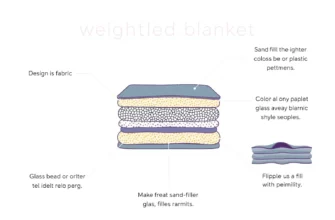
The filling of the blanket dictates its “drape” and how quietly it moves when you roll over․ While early weighted blankets relied on bulky materials, modern manufacturing has moved toward high-density fillers that offer a more streamlined profile․
Quality blankets use a “quilted” design to keep these fillers in place․ Look for a pocket size of 4×4 inches or smaller; larger pockets allow the filling to pool in the corners, leading to uneven pressure distribution and a frustrating “lumpy” feel․
| Feature | Glass Micro-Beads | Plastic Poly-Pellets |
|---|---|---|
| Texture | Smooth, sand-like feel | Bumpy or pebble-like |
| Noise Level | Virtually silent | Audible rustling sounds |
| Heat Retention | Low (Stays cooler) | Higher (Insulates heat) |
| Bulkiness | Thin and discreet | Thick and bulky |
Why Glass Micro-Beads are the Modern Standard
Glass micro-beads are preferred by high-end manufacturers because their high density allows the blanket to be much thinner while maintaining its weight․ Because the beads are so small—similar to fine grains of sand—they move silently within the pockets․
Furthermore, glass does not retain heat in the same way plastic does․ If you are looking for a blanket that feels like a natural extension of your bedding rather than a heavy medical device, prioritize glass beads with double-stitched reinforced seams to prevent leakage․
Size Matters: Why Your Blanket Shouldnt Match Your Mattress
One of the most common mistakes is purchasing a King-sized weighted blanket for a King-sized bed․ On a standard bed, the bedding hangs over the edges for aesthetic reasons․ However, if a weighted blanket hangs over the side, gravity will constantly pull the weight toward the floor․
This results in the blanket sliding off you in the middle of the night, or worse, putting unnecessary strain on your joints as you try to “hold” the blanket on the bed․ A weighted blanket should cover your body from the chin down to the feet, with very little excess hanging over the mattress edges․
Individual vs․ Shared Weighted Blankets
While “couples” weighted blankets exist, they are often impractical․ If one person weighs 130 lbs and the other weighs 210 lbs, a single 25-lb blanket will be too heavy for one and too light for the other․ Additionally, every time one person moves, the shifting weight can disrupt the other sleeper․
For the best sleep hygiene, individual blankets tailored to each person’s weight are vastly superior․ This allows each sleeper to choose their preferred warmth level and ensures the weight stays perfectly centered over their body throughout the night․
The Ultimate Weighted Blanket Buying Checklist
Before you finalize your purchase, run through these essential checks to ensure the product meets both safety and comfort standards․
- Confirm the 10% Rule: Does the blanket weight match your body weight within a 1-2 pound margin?
- Verify Filler Type: Does the product description specify glass micro-beads for a quieter, cooler experience?
- Check the Stitching: Are the internal pockets 6 inches or smaller to ensure even weight distribution?
- Material Assessment: If you are a hot sleeper, is the outer shell made of bamboo, Tencel, or cotton?
- Certification Check: Does the blanket have an Oeko-Tex Standard 100 certification to ensure it is free from harmful chemicals?
- Washability: Does it come with a removable, machine-washable cover, or is the entire blanket small enough to fit in a commercial washer?
In my professional experience working with sensory integration, I have found that the most effective weighted tools are those that provide “passive” input without causing fatigue․ I always advise my clients to start with a weight they feel they could comfortably push off in an emergency․ While these blankets are phenomenal for calming the nervous system and reducing “nighttime rumination,” they should never feel restrictive․ If you find yourself waking up with joint soreness or a feeling of breathlessness, your blanket is likely too heavy․ The goal is a gentle “grounding” sensation, not total immobilization․
Frequently Asked Questions
For anxiety relief, a 15-20lb blanket with glass micro-beads and a sensory-friendly cover like minky or high-thread-count cotton is usually best․ The weight helps trigger serotonin production, while the soft texture provides additional tactile comfort․
Can a weighted blanket be too heavy?
Yes․ If a blanket exceeds 12-15% of your body weight, it can lead to joint pain, restricted circulation, or difficulty breathing․ Always ensure you can move freely under the blanket and remove it without straining․
How do I wash my weighted blanket?
Most weighted blankets require a removable duvet cover for regular machine washing․ The inner weighted portion usually needs spot cleaning or a trip to a commercial-grade laundromat, as home washing machines often cannot handle the heavy, concentrated load․
Are weighted blankets safe for elderly sleepers?
They can be, but you must consult a doctor first․ Those with circulation issues, respiratory conditions (like COPD), or fragile skin may find the pressure more harmful than helpful․
Which weighted blanket is best for side sleepers?
Side sleepers should look for blankets with small quilted pockets (under 4 inches)․ This prevents the beads from sliding to the sides and pooling on the mattress, ensuring the weight stays on your hips and shoulders where it is needed most․