- Why the best covers for weighted blankets are essential for your sleep hygiene
- Choosing between cooling cotton and cozy minky fabrics
- Comparing the best filler for weighted blanket performance
- Micro-glass beads vs. plastic poly pellets: Which is better?
- How to ensure weighted blanket beads stay in place all night
- The role of baffle-box construction in weight distribution
- Is a weighted blanket without beads right for you?
- The benefits of a bead-less, hand-knitted design
- Maintenance checklist: Keeping your blanket and cover in top shape
- Frequently Asked Questions
Why the best covers for weighted blankets are essential for your sleep hygiene
A weighted blanket is a specialized tool designed to provide deep touch pressure, but its effectiveness often hinges on the outer layer. While the inner weighted insert provides the therapeutic load, the cover acts as the primary interface between your skin and the sensory system, dictating how the weight feels and how much heat is retained.
Investing in the best covers for weighted blankets is not just about aesthetics; it is a matter of practical maintenance. High-quality covers protect the heavy internal beads from sweat, oils, and skin cells, which is vital because washing a 20-pound blanket in a standard home machine can easily burn out the motor or damage the drum.
Choosing between cooling cotton and cozy minky fabrics
The choice between cotton and minky fabric usually comes down to your personal “sleep temperature” and sensory needs. Cotton is a natural, long-staple fiber that excels at temperature control, making it the best duvet cover for weighted blanket users who experience night sweats or live in warmer climates. Its breathability allows heat to escape the heavy internal layers rather than trapping it against your body.
Minky fabric, conversely, is a plush synthetic material often favored for its tactile “dots” or textured surface. These textures provide additional sensory feedback, which can be highly soothing for individuals with ADHD or sensory processing disorders. However, minky is a dense insulator; if you choose this fabric, ensure your internal blanket uses glass beads rather than plastic to prevent excessive heat buildup during the night.
Comparing the best filler for weighted blanket performance
The “feel” of a weighted blanket is determined entirely by what is inside. Manufacturers use various materials to achieve the desired poundage, and each has a different impact on the blanket’s profile, noise level, and thermal properties. Most modern users prefer a filler that mimics the feel of a heavy quilt rather than a bag of loose grain.
| Filler Type | Density & Profile | Noise Level | Best For… |
|---|---|---|---|
| Micro-Glass Beads | High density; very thin profile | Silent | Hot sleepers and quiet environments |
| Plastic Poly Pellets | Low density; bulkier feel | Mild rustling | Budget-conscious shoppers |
| Steel Shot Beads | Extremely high density | Noticeable clicking | Ultra-heavy blankets (30 lbs+) |
| Dried Grains (Rice/Corn) | Organic but irregular | Muted thud | DIY projects (Not recommended for longevity) |
Micro-glass beads vs. plastic poly pellets: Which is better?
Micro-glass beads are widely considered the gold standard in the industry. Because glass is significantly denser than plastic, the beads are much smaller—roughly the size of grains of sand. This allows for a thinner, less bulky blanket that contours to the body without the “lumpy” sensation associated with cheaper alternatives.
When looking for the best beads for weighted blanket construction, glass is also the superior choice for thermal regulation. Unlike plastic poly pellets, which are essentially small pieces of insulation, glass beads do not retain body heat. This makes them the best pellets for weighted blankets if you want to avoid the “sauna effect” common in lower-end weighted bedding products.
How to ensure weighted blanket beads stay in place all night
One of the most common complaints among users is the “bunching” effect, where all the weight slides to one side of the blanket. This happens when the internal compartments are too large or the stitching is weak. Weight shifting ruins the therapeutic benefit of deep pressure stimulation because the pressure becomes uneven and distracting.
To prevent this, look for blankets that utilize high-density stitching patterns. A quality blanket should feel like a single, cohesive unit rather than a collection of loose weights. Check the reinforced edges to ensure that beads cannot migrate between the individual quilted pockets over time.
The role of baffle-box construction in weight distribution
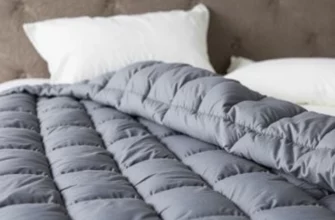
Baffle-box construction is a technical sewing method where fabric walls are sewn between the top and bottom layers to create individual “boxes.” For a weighted blanket where beads do not shift, pockets should ideally be no larger than 4×4 or 5×5 inches. Smaller pockets ensure that the beads stay concentrated over your body rather than pooling in the corners of the square.
Furthermore, preventing bead bunching requires double-reinforced seams. Since the beads exert constant pressure on the thread, low-quality stitching will eventually give way, leading to “leaking” where beads move into neighboring pockets or out of the blanket entirely. Always inspect the perimeter of the blanket for a piped edge or double-stitch line, as this provides the structural integrity needed for a product that lasts years.
Is a weighted blanket without beads right for you?
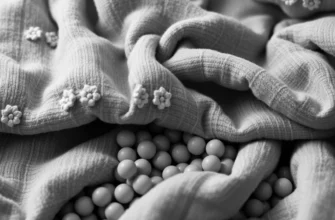
The newest innovation in the sleep industry is the knitted weighted blanket. Instead of using fabric shells filled with beads, these blankets are hand-knitted using massive, heavy-gauge yarn made from layered cotton or polyester. This design completely eliminates the risk of leaking beads and provides a radically different aesthetic and tactile experience.
| Pros of Bead-less Blankets | Cons of Bead-less Blankets |
|---|---|
| Maximum airflow due to the open-loop knit design. | Generally more expensive due to the volume of fabric required. |
| Zero noise; no rustling or clicking during movement. | Can be difficult to spot-clean and take a long time to dry. |
| Uniform weight that never shifts or bunches. | Heavier yarn can feel “stiffer” than a traditional quilted blanket. |
The benefits of a bead-less, hand-knitted design
If you are a light sleeper who is easily disturbed by sound, the best weighted blanket without beads is likely your best option. Traditional blankets, even those with glass beads, can make a subtle “sand-shifting” sound when you roll over. A knitted design is completely silent because the weight is integrated into the fabric itself.
Furthermore, for those searching for the best weighted blanket without glass beads due to concerns about durability or “leaking,” the knitted version offers total peace of mind. There is no internal filler to spill out if a snag occurs. The weight is distributed with mathematical precision across every square inch of the knit, providing a consistent “hug” sensation that many users find superior to the segmented feel of quilted blankets.
Maintenance checklist: Keeping your blanket and cover in top shape
Proper care is the difference between a blanket that lasts a decade and one that falls apart in six months. The heavy weight of these items puts immense strain on both the fabric and your laundry appliances, so a strategic approach to cleaning is mandatory;
- Check the Weight Capacity: Never wash a blanket heavier than 15-20 pounds in a standard residential top-loader; use a commercial-grade front-loader at a laundromat to protect your home’s appliance.
- Secure the Ties: When putting the cover back on, double-knot the internal corner ties to prevent the heavy insert from sagging inside the duvet.
- Cold Water Only: Use cold water and a gentle cycle to preserve the integrity of the stitching and the softness of the outer fabric.
- Air Dry When Possible: High heat can melt plastic poly pellets and degrade the elastic fibers in minky fabric; tumble dry on “Air Fluff” or “No Heat” settings only.
- Spot Clean First: To extend the time between full washes, treat small stains on the cover immediately with a mild detergent and a soft cloth.
In my professional experience working with interior designers and sleep coaches, I have found that people consistently underestimate the importance of friction between the cover and the blanket. If you purchase a silky cover for a heavy blanket, the insert will slide around like a fish in a net, regardless of how many ties it has. I always advise my clients to look for covers with at least 8 to 12 internal attachment points. Most standard covers only have 4, which is insufficient for the mechanical load of a 15-pound weighted insert. If your blanket sags, the therapeutic deep pressure is lost, and you essentially end up sleeping under a very expensive, lumpy rug.
Frequently Asked Questions
While a regular cover fits, it is not recommended because weighted blankets require heavy-duty internal ties to prevent the weight from bunching at one end. A standard cover lacks the structural support to hold 15+ pounds in place.
Which filler is the quietest for light sleepers?
Micro-glass beads or bead-less knitted blankets are the quietest options. Glass beads are so small they barely make a sound, while knitted blankets have no moving parts, making them completely silent.
How do I stop my weighted blanket from sliding inside the cover?
Ensure your cover has at least 8 internal attachment loops and that the cover size matches the blanket dimensions exactly. Using a cover that is even two inches too large will cause the blanket to shift and sag.
Are glass beads better than poly pellets for hot sleepers?
Yes, glass beads are superior for temperature regulation because they are denser and do not trap heat. Plastic poly pellets act as insulators and can make the blanket feel uncomfortably warm.
Is it worth getting a weighted blanket without beads?
It is worth it if you prioritize breathability and aesthetic design. Knitted blankets offer the best airflow of any weighted product, though they typically carry a higher price tag and require more care during drying.