- Why the Knitted Weighted Blanket is the Modern Sleep Essential
- Knitted vs․ Traditional Weighted Blankets: A Breathability Breakthrough
- The Anatomy of Comfort: Exploring Helix Knits and Beaded Crochet Styles
- Choosing Your Texture: Helix Knit vs․ Beaded Crochet
- DIY Guide: Crafting Your Own Hand Knit Weighted Blanket
- Selecting the Right Weighted Yarn for Your Project
- Patterns for Specialized Needs: From Shawls to Animal Blankets
- Global Shopping Guide: Where to Find High-Quality Chunky Knits
- Finding a Chunky Knit Weighted Blanket in the UK, Canada, and Australia
- Caring for Your Heavyweight Knit: Maintenance and Longevity
- How to Wash a Hand Knit Weighted Blanket Without Damaging the Fibers
- Frequently Asked Questions
Why the Knitted Weighted Blanket is the Modern Sleep Essential
The transition from traditional, bead-filled weighted blankets to the modern hand-knitted variety represents a significant shift in sleep science and home aesthetics․ While the original designs focused solely on weight, these new iterations prioritize physiological comfort and thermal regulation through clever structural engineering․
By removing the plastic or glass beads entirely, manufacturers have solved the primary complaint of “sleeping hot” while maintaining the therapeutic benefits of deep pressure touch․ The weight now comes from the density of the fabric itself, usually achieved through layered cotton piping or heavy-gauge organic yarns․
Knitted vs․ Traditional Weighted Blankets: A Breathability Breakthrough
Traditional weighted blankets often feel like a heavy, non-porous sheet of plastic because they require multiple layers of synthetic fabric to keep the glass beads from leaking out․ This creates a “greenhouse effect” where body heat is trapped against the skin, leading to disrupted sleep cycles and night sweats․
A hand knitted weighted blanket utilizes an open-loop construction that acts as a natural ventilation system․ Because the weight is integrated into the yarn loops, there is no need for restrictive inner liners․ Air flows freely through the knit pattern, allowing for consistent temperature regulation regardless of the season․
Furthermore, the even weight distribution in a knitted model is far superior to bead-filled versions․ In traditional blankets, beads often bunch up in the corners of the quilted squares, creating uneven pressure points․ The interconnected nature of knit stitches ensures the weight remains perfectly balanced across your entire body, preventing the “shifting sand” feeling that can trigger sensory sensitivities․
The Anatomy of Comfort: Exploring Helix Knits and Beaded Crochet Styles
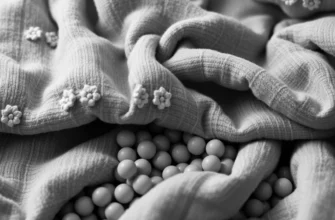
Understanding the construction of your bedding is vital for long-term satisfaction․ The market has evolved to offer various textures, ranging from the ultra-modern helix knit to more intricate beaded crochet designs that cater to specific tactile preferences;
Each method offers a unique interaction with the body’s proprioceptive system․ While some users prefer the smooth, continuous pressure of a thick cotton tube, others find the slight irregularities of a crochet stitch more grounding for anxiety management․
| Feature | Helix Knit Design | Beaded Crochet Style |
|---|---|---|
| Primary Construction | Large, continuous loops of weighted cotton piping․ | Interlocking yarn stitches often incorporating micro-beads․ |
| Airflow Level | Maximum; the large gaps allow for total heat dissipation․ | Moderate; the tighter stitch density traps more warmth․ |
| Aesthetic Appeal | Chunky, minimalist, and modern “hygge” look․ | Traditional, handmade, and highly detailed․ |
| Weight Feel | Broad, sweeping pressure across large surface areas․ | Targeted, granular pressure that stimulates nerve endings․ |
Choosing Your Texture: Helix Knit vs․ Beaded Crochet
The helix knit weighted blanket is the gold standard for those who struggle with sensory overload․ Its structure is essentially a series of oversized braids that provide a soft, squishy sensation․ This design is particularly effective for “hot sleepers” who still want the feeling of being held or cocooned without the heavy insulation of a standard duvet․
Conversely, beaded crochet blankets offer a textural variety that can be highly therapeutic for individuals with ADHD or autism․ The small ridges created by the crochet hook provide “fidget” opportunities and tactile grounding․ If you prefer a blanket that feels more like a traditional heirloom piece but requires the functional benefits of weight, the crochet method is your best option․
DIY Guide: Crafting Your Own Hand Knit Weighted Blanket
Creating your own weighted bedding is a rewarding project that allows you to customize the dimensions and pressure levels to your exact needs․ Unlike traditional knitting, making a chunky weighted throw often requires no needles at all—just your hands and a flat surface․
The key to a successful DIY project lies in the yarn selection․ You cannot simply use standard wool; you need a material specifically designed to carry mass without losing its structural integrity over time․
- Calculate your yarn needs: For a standard adult throw (approx․ 7-9kg), you will typically need 80 to 100 meters of weighted cotton piping yarn․
- Prepare your workspace: Clear a large table or floor space․ Hand-knitting a heavy blanket requires room to spread the loops out to ensure consistent sizing․
- Cast on your base: Create a slip knot and pull a loop through․ Continue this to create a chain that matches the desired width of your blanket․
- The “Pull-Through” Method: Work back across the chain, pulling a new loop through each existing loop․ Keep your loops roughly the size of your fist to ensure the blanket remains breathable and flexible․
- Manage the weight: As the blanket grows, it will become heavy․ Always support the weight of the finished portion on a table to prevent the stitches from stretching out during the knitting process․
- Bind off: Once you reach your desired length, pass each loop through the next and pull the tail of the yarn through the final loop to secure it․
Selecting the Right Weighted Yarn for Your Project
When searching for weighted yarn for weighted blankets, look for “cotton piping” or “tube yarn․” This material consists of a cotton jersey outer shell filled with a dense polyester or cotton batting․ Avoid unspun roving wool; while it looks beautiful in photos, it pilling quickly and cannot be washed, making it impractical for a heavy-use item like a weighted blanket․
If you are aiming for a specific weight, such as the popular 9kg standard, check the weight-per-meter on the yarn label․ A heavy weight yarn should feel substantial in your hand․ For a checkerboard style, you can alternate between bulky weight wool and weighted piping, though this may create uneven pressure zones․
Patterns for Specialized Needs: From Shawls to Animal Blankets
Not everyone needs a full-sized bed cover․ A weighted blanket shawl is an excellent tool for office workers or students who need sensory regulation while seated․ These are typically knitted in a long, narrow rectangle that drapes over the shoulders, providing calming input to the trapezius muscles where many people hold tension․
For children, a sensory processing disorder weighted animal blanket pattern can be life-changing․ These often take the form of a “weighted lap pad” shaped like a dog or cat․ To make these, use a fleece tie weighted blanket method for the base and integrate weighted yarn for the “fur” to provide multi-sensory feedback․ These smaller tools are more portable and less intimidating for young users than a full-sized heavy blanket․
Global Shopping Guide: Where to Find High-Quality Chunky Knits
If you aren’t inclined to DIY, the global market for knitted weighted blankets has expanded rapidly․ However, because these items are significantly heavier than standard decor, shipping and regional standards play a huge role in your purchasing decision․
When browsing, look for certifications like OEKO-TEX, which ensure the yarn is free from harmful chemicals․ This is particularly important for an item that will be in close contact with your skin for eight hours a night․
Finding a Chunky Knit Weighted Blanket in the UK, Canada, and Australia
In the UK, the market is dominated by eco-conscious brands focusing on organic cotton․ When looking for a knitted weighted blanket uk based, prioritize companies that offer free returns, as the 9kg weight standard for adults may feel too heavy or too light once you actually try it in your own bed․
For those seeking a chunky knit weighted blanket australia, pay close attention to the breathability of the yarn․ Given the warmer climate, a 100% cotton “open-loop” knit is non-negotiable․ In Canada, many retailers offer a knitted weighted blanket canada version that includes a slightly denser inner core for added warmth during winter months, while still maintaining the knitted aesthetic․
Pro Tip: Shipping a 9kg item internationally can cost as much as the blanket itself․ Always source from a domestic warehouse to avoid hidden customs fees and to make the return process manageable if the weight isn’t a perfect match for your body type․
Caring for Your Heavyweight Knit: Maintenance and Longevity
A high-quality knitted blanket is an investment, often costing upwards of $200․ Proper care is essential to prevent the heavy loops from stretching or the fibers from fraying․ Because of the weight, washing these blankets isn’t as simple as throwing them in with your towels․
The primary risk with a knitted weighted throw blanket is “elongation․” If the blanket is handled roughly while wet, the weight of the water combined with the weight of the yarn can permanently deform the knit structure․
- Check your machine’s weight limit: Most standard home washers are rated for 7kg to 10kg․ A wet 9kg blanket can easily exceed 15kg, potentially damaging your washer’s drum or motor․
- Use a front-loading machine: Top-loaders with agitators can snag the large knit loops and cause unravelling․
- Never hang to dry: Gravity is the enemy of a wet weighted blanket․ Always dry your blanket flat across multiple racks or a clean floor covered in dry towels․
- Spot clean frequently: To extend the time between full washes, use a damp cloth and mild detergent to handle small spills immediately․
- Avoid the dryer: High heat can break down the internal filling of the weighted yarn․ If you must use a dryer, use the “air fluff” or “no heat” setting only․
How to Wash a Hand Knit Weighted Blanket Without Damaging the Fibers
When washing chunky knits, the goal is to maintain the weight distribution․ Always wash on a delicate cycle with cold water․ Using a mesh laundry bag—if you can find one large enough—is a great way to protect the loops from friction․
If your blanket is made of bulky wool or a delicate cotton blend, consider professional laundering․ Many dry cleaners have industrial-sized machines that can handle the mass without the mechanical stress of a home unit․ Maintaining the structural integrity of the loops ensures that the blanket continues to provide the even pressure required for sensory regulation․
In my professional experience working with textile structures for occupational therapy, the “open-loop” knitted design is far superior to flat, synthetic fabrics․ The human nervous system responds more favorably to what we call “dynamic tactile feedback․” When you move under a knitted weighted blanket, the loops shift slightly against each other, providing a subtle, massaging sensation that flat fabrics cannot replicate․ I always advise my clients with sensory processing sensitivities to choose cotton-based knits․ The natural friction of the cotton fibers combined with the weight provides a grounding proprioceptive input that significantly reduces cortisol levels before sleep․ Moreover, the visual “weight” of the chunky knit provides a psychological cue for relaxation that is often missing from clinical-looking, bead-filled medical blankets․
Frequently Asked Questions
Knitted blankets offer superior breathability and even weight distribution because they lack the “shifting” effect of beads․ They are also generally more aesthetically pleasing and eco-friendly, though they can be bulkier than bead-filled versions․
How do I choose the right weight for a hand-knit blanket?
The standard recommendation is 10% of your total body weight․ If you are between sizes, most 9kg reviews suggest rounding up for adults to ensure the deep pressure touch is effective for anxiety relief․
Can I use regular chunky yarn to make a weighted blanket?
Standard chunky yarn will not provide the necessary weight․ You must use specialized weighted yarn, such as cotton-wrapped piping, to achieve the 7kg to 10kg mass required for therapeutic benefits․
Are knitted weighted blankets machine washable?
Most cotton-piping versions are machine washable, but only in front-loading machines with sufficient weight capacity․ Wool-based knits usually require professional cleaning or careful hand washing to prevent felting․
What is a weighted blanket shawl used for?
A shawl provides targeted pressure to the shoulders and neck․ It is ideal for maintaining focus and reducing stress during the workday or while traveling, without the bulk of a full-sized blanket․
What are the specific benefits for sensory processing disorder?
The heavy, textured knit provides proprioceptive input to the brain, which helps regulate the nervous system․ This “Deep Pressure Stimulation” helps users feel more grounded and reduces the “fight or flight” response common in sensory disorders․