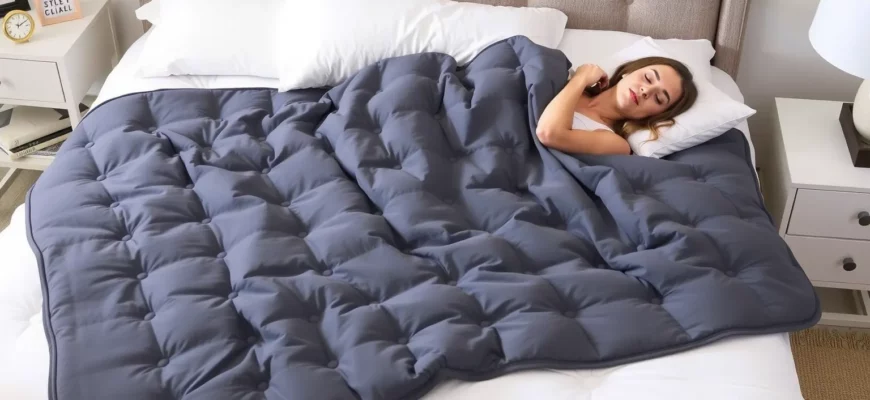
- Why the Right Zonli Weighted Blanket Cover Changes Everything
- Protecting Your Investment from Wear and Tear
- Material Deep-Dive: Sherpa, Minky, and Cooling Cotton Options
- Choosing Between Sherpa Warmth and Bamboo Coolness
- Cross-Brand Compatibility: Will a Gravity or Blanquil Cover Fit?
- The Science of Internal Ties and Corner Loops
- Navigating Sizes: From 60×70 to California King Weighted Blanket Covers
- Oversized Comfort for King and Queen Beds
- Top-Rated Retailers: Where to Find Specialized Covers
- Budget-Friendly vs. Premium Luxury Brands
- Common Mistakes When Buying a Weighted Blanket Duvet
- Ignoring Material Breathability and Weight Limits
- Expert Perspective: The Role of Tactile Friction in Sleep Quality
- Frequently Asked Questions
Why the Right Zonli Weighted Blanket Cover Changes Everything
Investing in a high-quality weighted blanket like a Zonli is a commitment to better sleep hygiene and neurological regulation. However, the blanket itself is only half of the equation; the cover acts as the primary interface between your skin and the therapeutic weight, determining whether you stay cool, warm, or properly grounded throughout the night.
A dedicated cover serves as a functional barrier that preserves the integrity of the internal glass beads while providing a layer of customizable comfort. Without a properly fitted duvet, the mechanical stress of 15 to 25 pounds of weight can cause the fabric of the weighted insert to fray or leak over time, especially during movement.
Protecting Your Investment from Wear and Tear
The primary reason to utilize a removable duvet cover is to extend the life of your blanket by shielding the inner weighted core from environmental stressors. Human skin naturally sheds oils, sweat, and dead skin cells every night, which can permeate the fabric of an unprotected weighted insert and lead to odors or fiber degradation.
Laundering a 20-pound weighted blanket in a standard residential washing machine is often a recipe for mechanical failure, both for the machine’s drum and the blanket’s stitching. By using an easy-to-wash protection layer, you can maintain a sterile sleep environment by simply unzipping the cover and tossing it into the wash every week, ensuring the heavy internal insert remains pristine for years.
Material Deep-Dive: Sherpa, Minky, and Cooling Cotton Options
The material you choose for your Zonli cover dictates the thermal performance of the blanket. Since weighted blankets are naturally denser than standard comforters, they tend to trap heat; choosing the wrong material can lead to “night sweats,” even if the room is air-conditioned.
| Material Type | Best For | Tactile Feel | Breathability Rating |
|---|---|---|---|
| Sherpa | Winter / Cold Sleepers | Wool-like, fuzzy, thick | Low (High Heat Retention) |
| Minky | Sensory Input / Comfort | Silky, plush, “dotted” texture | Medium |
| Bamboo / Cotton | Hot Sleepers / Summer | Crisp, smooth, cool to touch | Very High |
| Hemp / Linen | Durability / Eco-conscious | Textured, earthy, gets softer | High |
Choosing Between Sherpa Warmth and Bamboo Coolness
If you live in a climate with extreme seasonal shifts, you may require two different covers to maintain year-round comfort. A sherpa weighted blanket cover provides massive thermal insulation, mimicking the heat-trapping properties of natural wool, which is ideal for those who struggle with circulation or keep their thermostat low during the winter months.
Conversely, for those who experience the “afterdrop” effect or general overheating, a moisture-wicking cotton or bamboo cover is non-negotiable. These natural fibers allow for significantly more airflow between the glass bead pockets, preventing the stagnant heat buildup that often occurs with synthetic materials. If you prefer a soft minky texture but fear the heat, look for “dotted” minky covers that provide sensory tactile input without the extreme thickness of a full faux-fur finish.
Cross-Brand Compatibility: Will a Gravity or Blanquil Cover Fit?
Many users find themselves owning a Zonli blanket but eyeing a cover from a competitor like Gravity or Blanquil due to a specific color or material preference. While many weighted blankets share similar dimensions, the “universal fit” is often a myth due to the placement and number of internal attachment points.
The most critical factor in cross-brand compatibility is the alignment of the loops. If you attempt to force a Zonli insert into a Blanquil weighted blanket cover, you may find that the internal ties do not line up, leading to a frustrating experience where the heavy insert shifts into a giant lump at one end of the duvet.
The Science of Internal Ties and Corner Loops
Standard weighted blankets usually feature 8, 10, or 12 secure attachment points located around the perimeter. To ensure a perfect fit, you must manually count the loops on your Zonli insert before purchasing a replacement cover from a different brand. Gravity covers, for instance, often use a high-count tie system that may not match a budget-friendly 60×70 cover found at a big-box retailer.
Properly securing these ties is the only way to prevent weight shifting during the night. If the ties are loose or mismatched, the gravity-fed movement of the glass beads will pull the insert away from the edges of the cover, effectively neutralizing the benefits of Deep Pressure Stimulation. I recommend using a double-knot on all corner ties to ensure they do not slip during the toss-and-turn phase of REM sleep.
Navigating Sizes: From 60×70 to California King Weighted Blanket Covers
Sizing for weighted blankets does not follow the same logic as standard bedding. A standard Queen comforter is designed to drape over the sides of the mattress, but a weighted blanket should ideally cover only the top surface of the bed to prevent the weight from sliding off the edge due to gravity.
- 60×70 Inches: Often referred to as the “Large Throw” or “Single Sleeper” size, perfect for individual use on a Queen or King bed.
- 60×80 Inches: The standard Queen size that covers the mattress surface perfectly without significant overhang.
- California King (90×100+): A specialized size that requires heavy-duty reinforced covers to handle the 30lb+ load.
Oversized Comfort for King and Queen Beds
When shopping for a california king weighted blanket cover, you must pay attention to the GSM (grams per square meter) of the fabric. The larger the cover, the more weight the fabric itself adds to the total load. For massive blankets, choosing a lightweight but durable material like a 300-thread-count cotton ensures full bed coverage without making the blanket too heavy to pull up in the middle of the night.
It is also worth noting that brands like Room Essentials or Threshold often produce blankets in slightly non-standard dimensions. If you are using a proper weight distribution strategy, ensure your cover is not more than 1 inch larger than your insert; any more “play” in the fabric will result in the internal ties snapping under the tension of the shifting glass beads.
Top-Rated Retailers: Where to Find Specialized Covers
The retail landscape for weighted blanket accessories has expanded significantly, ranging from budget-friendly options at Kohls to high-end luxury sleep boutiques. Finding the right balance between price and durability depends on how often you plan to wash the cover and your specific skin sensitivity.
Amazon remains the most versatile marketplace for affordable replacement covers, offering a variety of third-party brands that mimic the feel of premium materials. However, if you are looking for specific features like charcoal-infused fibers for odor control or silver-ion antimicrobial treatments, you may need to look toward specialized sleep brands like Layla or Nuzzie.
Budget-Friendly vs. Premium Luxury Brands
For many, a kohls weighted blanket cover from “The Big One” collection offers a fantastic entry point, providing basic protection and decent softness at a fraction of the cost of boutique brands. These are excellent for guest rooms or occasional use. However, these budget options often use plastic zippers that can become brittle or snag over time.
If you view your blanket as a long-term medical or wellness tool, investing in high-end sleep accessories from brands like Blanquil or Gravity is often justified by the hardware quality. Look for hidden YKK zippers and reinforced double-stitched loops, which are designed to withstand the high-torque environment of a heavy blanket. These premium covers also tend to use higher-grade long-staple cotton, which pills significantly less than cheaper alternatives.
Common Mistakes When Buying a Weighted Blanket Duvet
The most common error is assuming that any duvet cover of the same dimensions will work. Standard duvet covers lack the internal tie system necessary to support 15+ pounds. Without these ties, the weighted insert will inevitably bunch up, creating an uncomfortable and ineffective sleep surface.
Warning: Never use a standard “fashion” duvet cover for a weighted blanket. The lack of internal ties will cause the weight to concentrate in one corner, potentially stretching the fabric beyond repair or causing the zipper to burst under pressure.
- Ignoring the Zipper: Look for a zipper that spans at least three-quarters of the blanket’s width to make insertion easier.
- Miscounting Loops: Always match the number of ties on the cover to the number of loops on the insert.
- Weight Capacity: Ensure the cover fabric is durable enough (high GSM) to not tear at the tie-points.
- Odor Control: Consider a nex charcoal weighted blanket cover if you have pets or tend to sweat, as charcoal naturally neutralizes bacteria.
Ignoring Material Breathability and Weight Limits
A mistake often made by new users is failing to account for the “added weight” of the cover itself. A thick sherpa or heavy velvet cover can add 2 to 4 pounds to the total weight of the blanket. If you are already at the limit of your comfort (usually 10% of your body weight), this extra mass can make the blanket feel restrictive rather than comforting.
Furthermore, to avoid overheating, you must evaluate the weave of the fabric. A tight synthetic weave will trap heat regardless of the room temperature. Always opt for durable zipper construction that is tucked under a fabric flap; exposed zippers can be cold against the skin or scratch your mattress and headboard during the night.
Expert Perspective: The Role of Tactile Friction in Sleep Quality
In my professional experience working with sleep textiles, I have found that the sensory-friendly nature of a cover is just as important as the weight itself. For individuals with sensory processing sensitivities, the coefficient of friction on the fabric surface can make or break the efficacy of Deep Pressure Stimulation (DPS). I always advise my clients to match the cover’s texture to their specific grounding needs. If you find yourself easily overstimulated, a smooth, high-thread-count cotton provides a “clean” sensory slate. However, if you use a weighted blanket for anxiety or ADHD, a textured minky or “bumpy” surface can provide the additional grounding input needed to quiet the nervous system before sleep.
Frequently Asked Questions
Generally, yes, as long as the dimensions (e.g., 60×80) and the number of internal tie-down points match. Always verify the loop count before purchasing.
How often should I wash my weighted blanket cover?
To maintain hygiene and skin health, you should wash the removable cover every 7 to 14 days, treating it like a standard bed sheet.
What is the best material for a hot sleeper?
The best materials for heat dissipation are 100% bamboo lyocell or long-staple cotton, which promote airflow and moisture-wicking.
Are all weighted blanket covers machine washable?
Most are, but you should always air-dry or use a low-heat setting for Sherpa or Minky fabrics to prevent the synthetic fibers from melting or matting.
Can I use a regular duvet cover for my weighted blanket?
No. Regular covers lack internal ties, which means the heavy blanket will shift and bunch up, making it impossible to use effectively.