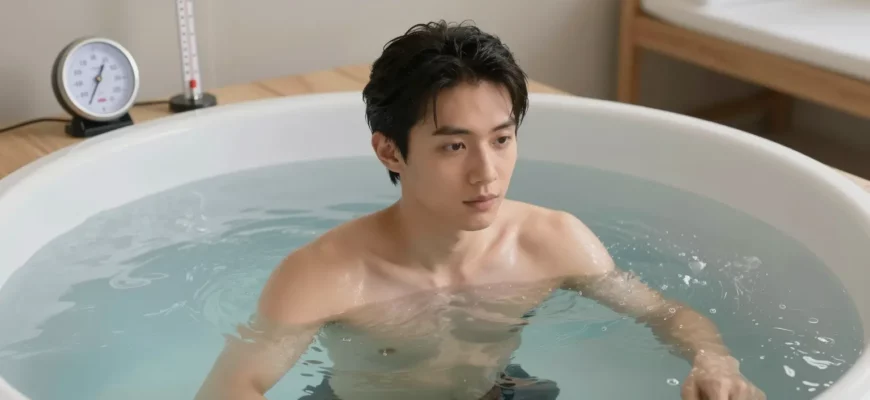
- Why the Cold Plunge Bath is the Ultimate Reset for Your Body
- The Immediate Impact of Cold Water Plunge Therapy
- The Biological Edge: Cold Plunge Tub Benefits for Longevity
- Can You Really Freeze Away Belly Fat?
- Reducing Inflammation and Soothing Sore Feet
- Ice Baths or Cryo Chambers: Which Cold is Better for You?
- The Case for Hydrotherapy Over Air-Based Cooling
- Mastering the Routine: Cold Plunge Weekly Treatment and Safety
- The Contrast Therapy Secret: Pairing Cold with Heat
- A Global Wellness Map: From Arlington to Dubai
- Finding the Right Cold Plunge Lounge Near You
- Owning the Ice: Cold Plunge Tub at Home Care
- Maintaining Your Personal Recovery Oasis
- Expert Perspective: Cold Stress Adaptation
- Frequently Asked Questions
Why the Cold Plunge Bath is the Ultimate Reset for Your Body
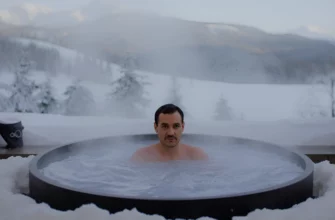
The sudden surge in popularity surrounding the cold plunge bath isn’t just a social media trend or a fleeting wellness fad. It represents a return to ancient recovery traditions, modernized by high-tech chilling units and a deeper understanding of human physiology. Whether you call it ice immersion or chilled water therapy, the goal remains the same: to trigger a profound biological response that resets your internal systems.
Stepping into a tub of near-freezing water forces the body into a state of immediate adaptation. This isn’t about enduring discomfort for the sake of it; it is about leveraging hormetic stress—a controlled dose of adversity that makes your cells stronger and more resilient over time. By intentionally exposing yourself to the cold, you are essentially training your nervous system to remain calm under pressure.
The Immediate Impact of Cold Water Plunge Therapy
The moment your skin hits the water, your body initiates the cold shock response. This isn’t just a gasp for air; it is a massive activation of the sympathetic nervous system. Within seconds, your brain receives a surge of electrical impulses from peripheral nerve endings, which can have a powerful anti-depressive effect. This is often described as a “brain reset” that clears the mental fog of a long workday.
Central to this experience is the role of norepinephrine, a chemical that functions as both a hormone and a neurotransmitter. Research indicates that immersion in water at 50°F (10°C) can increase norepinephrine levels by 200% to 300%. This spike is responsible for the intense focus and elevated mood that practitioners feel for several hours after they dry off. By stimulating the vagus nerve, cold water plunge therapy helps move the body from a state of “fight or flight” into a more regulated, balanced state of being.
The Biological Edge: Cold Plunge Tub Benefits for Longevity
The long-term advantages of using a cold plunge tub extend far beyond the initial shiver. We are now seeing evidence that regular cold exposure influences gene expression and cellular repair mechanisms. By incorporating this practice into a weekly routine, you are investing in a version of yourself that ages slower and recovers faster from the daily wear and tear of life.
Longevity experts often point to the activation of “longevity genes” or sirtuins, which are triggered by environmental stressors like cold and fasting. These proteins help protect cells from age-related decline and improve DNA repair. When you sit in a cold plunge bath, you aren’t just cooling your skin; you are signaling your mitochondria to become more efficient at producing energy, which is a cornerstone of metabolic health.
Can You Really Freeze Away Belly Fat?
One of the most discussed cold plunge tub benefits is its impact on metabolic rate and body composition. While it is not a magic pill for weight loss, the science of brown adipose tissue (BAT) is compelling. Unlike white fat, which stores energy, brown fat is thermogenic—it burns calories to generate heat and maintain your core temperature during a cold plunge.
Regular exposure to cold temperatures can “recruit” more brown fat, effectively turning your body into a more efficient furnace. Studies suggest that shivering for just a few minutes can increase metabolic rate by up to 350%. Over time, this helps target stubborn areas, leading many to explore the cold plunge belly fat connection as a legitimate tool for weight management and improved insulin sensitivity.
Reducing Inflammation and Soothing Sore Feet
Athletes have long used ice to treat injuries, but the systemic benefits of total immersion are superior for reducing whole-body inflammation. The process works through a cycle of vasoconstriction and vasodilation. When you enter the water, your blood vessels constrict to keep heat at your core; when you exit, they dilate, flushing the tissues with fresh, oxygenated blood.
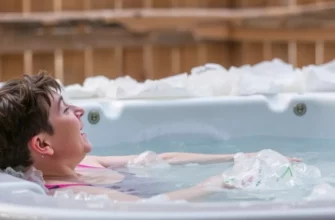
This “vascular gymnastics” is particularly effective for those suffering from chronic pain or joint issues. If you spend all day on your feet, a session in the cold plunge can provide immediate relief. By reducing the accumulation of metabolic waste products like lactic acid, you can significantly decrease delayed onset muscle soreness (DOMS). This makes it an essential recovery tool for anyone from marathon runners to weekend hikers looking for joint recovery.
Ice Baths or Cryo Chambers: Which Cold is Better for You?
When choosing between a cold plunge or cryotherapy, it is important to understand how the medium—water versus air—affects the body. While cryotherapy chambers use liquid nitrogen or electricity to cool the air to extreme negatives, the cold plunge relies on the high thermal conductivity of water. This creates a much more intense and penetrating cold sensation that many find more effective for deep tissue recovery.
| Feature | Cold Plunge (Water) | Cryotherapy (Air) |
|---|---|---|
| Thermal Conductivity | 25x higher than air; cools the body much faster. | Lower; requires much lower temperatures to be effective. |
| Typical Temperature | 39°F to 55°F (4°C to 13°C). | -160°F to -220°F (-106°C to -140°C). |
| Session Duration | 2 to 5 minutes for optimal results. | 2 to 3 minutes maximum. |
| Hydrostatic Pressure | Yes; water pressure helps reduce edema/swelling. | No; relies purely on thermal shock. |
| Core Temp Drop | Significant; continues after you exit (afterdrop). | Minimal; mostly affects the skin surface. |
The Case for Hydrotherapy Over Air-Based Cooling
The primary reason many professionals prefer cold plunge pool therapy is the physics of water. Because water is so much more thermally conductive than air, it strips heat away from the body at a much higher rate. This leads to a deeper drop in tissue temperature, which is necessary to reach deep-seated inflammation in the muscles and joints.
Furthermore, the hydrostatic pressure of being submerged in water adds another layer of benefit. This pressure helps compress the tissues and assist in lymphatic drainage, moving fluid away from the extremities and toward the heart. This synergistic effect of cold and pressure makes the cold plunge a superior choice for those dealing with systemic swelling or intense athletic fatigue.
Mastering the Routine: Cold Plunge Weekly Treatment and Safety
Consistency is the secret to unlocking the full spectrum of benefits. A single dip is a great reset, but a cold plunge weekly treatment plan is what builds true mental resilience and metabolic flexibility. Most experts recommend a cumulative total of 11 to 15 minutes of cold exposure per week, divided into two or three sessions, to maintain peak benefits.
Safety must always come first. The “afterdrop” is a phenomenon where your core temperature continues to fall even after you have left the water, as cold blood from your limbs returns to your heart. To manage this safely, never take a hot shower immediately after a plunge. Instead, allow your body to warm up naturally through light movement or by putting on warm, dry layers to let your internal thermostat do the work.
- Check the Temp: Start at 55°F if you are a beginner and slowly work your way down to the 40s.
- Control Your Breath: Focus on long, slow exhales to override the initial panic response.
- Short Sessions: Most benefits are achieved within the first 3 minutes; longer is not always better.
- Never Plunge Alone: Always have someone nearby, especially when pushing your limits or trying lower temperatures.
- Warm Up Naturally: Use the “horse stance” or light calisthenics to generate heat from within after exiting.
The Contrast Therapy Secret: Pairing Cold with Heat
If you want to take your recovery to the next level, consider the “fire and ice” approach. Alternating between a cold plunge and an infrared sauna is known as contrast therapy. This method forces your circulatory system to alternate rapidly between total constriction and total dilation, effectively “pumping” blood through your entire system.
When looking at cold plunge infrared sauna reviews, you will find that practitioners report significantly less muscle stiffness and improved sleep quality. The heat of the sauna relaxes the muscles and opens the pores, while the cold plunge provides the anti-inflammatory “snap” that closes them. This vascular exercise strengthens the heart and improves arterial elasticity, making it one of the most powerful protocols for cardiovascular health;
A Global Wellness Map: From Arlington to Dubai
The cold water movement has gone global, with dedicated lounges popping up in major cities around the world. In the United States, cold plunge therapy in Arlington and St. Petersburg has become a staple of the local fitness scenes, often integrated into high-end CrossFit gyms and recovery centers. From the humid streets of Dubai to the scenic landscapes of Avon and Chattanooga, people are seeking out the cold to combat the stresses of modern life.
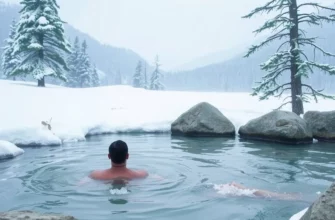
In Europe and the UK, the “Cold Plunge Bath UK” movement is heavily influenced by the traditional Scandinavian sauna culture, where a dip in a frozen lake is a rite of passage. Even in warmer climates like Oman and Australia, refrigerated tubs are becoming a luxury home staple. This global adoption proves that the human need for thermal regulation and stress adaptation transcends culture and geography.
Finding the Right Cold Plunge Lounge Near You
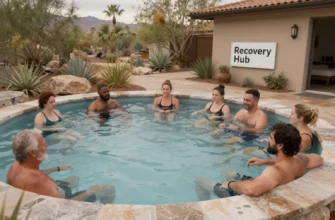
If you aren’t ready to invest in a home unit, a professional recovery lounge is the perfect place to start. When browsing cold plunge therapy lounge photos, look for facilities that prioritize water hygiene and temperature precision. A high-quality lounge will use advanced filtration systems, such as ozone or UV light, to ensure the water is pristine for every guest.
Hygiene is paramount in a public setting. Ensure the facility maintains a constant water temperature between 39°F and 50°F and has a clear protocol for water testing. A reputable wellness center will also provide guidance on breathing techniques and safety, ensuring that your first experience is both effective and controlled.
Owning the Ice: Cold Plunge Tub at Home Care
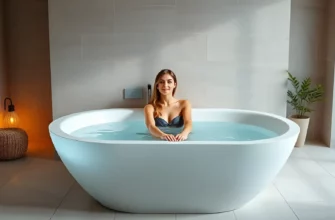
For the dedicated practitioner, nothing beats the convenience of a cold plunge tub at home. However, maintaining a personal recovery oasis requires more than just adding ice. Modern home units are sophisticated pieces of equipment that require regular upkeep to ensure they remain a healthy environment for your skin and respiratory system.
Critical Maintenance Tip: Never leave your home cold plunge tub uncovered. An open tub collects debris and allows for rapid algae growth, which can ruin your filtration system and irritate your skin. Always use a high-quality, insulated cover to maintain temperature and cleanliness.
Maintaining Your Personal Recovery Oasis
Water quality is the biggest challenge for home users. If your tub doesn’t have a built-in chiller and filter, you will need to change the water frequently. For units equipped with a cold plunge therapy ice bath tub filtration system, cleaning the filter cartridge once a week is a non-negotiable task. This prevents the buildup of oils, skin cells, and hair that can clog the pump.
To keep the water crystal clear, many users opt for a combination of UV-C sterilization and ozone generators. These systems kill bacteria and viruses without the need for high levels of chlorine or bromine, which can be harsh on the skin during cold exposure. Additionally, always check your water’s pH levels; keeping it balanced will extend the life of the stainless steel or acrylic components of your tub.
- Filter Changes: Replace paper filters every 4-6 weeks depending on usage frequency.
- Skimming: Use a fine-mesh net daily to remove surface particles.
- Water Chemistry: Use a non-chlorine oxidizer to keep the water “polished” and odor-free.
- Chiller Protection: Ensure your chiller has adequate airflow to prevent overheating during the summer months.
- Deep Clean: Drain and scrub the interior of the tub every 3 to 6 months to remove any biofilm buildup.
Expert Perspective: Cold Stress Adaptation
In my professional experience working with high-performance athletes and biohackers, the most common mistake is the “more is better” mentality. I always advise my clients to focus on the Minimum Effective Dose. You do not need to sit in 34-degree water for twenty minutes to see results. In fact, most of the metabolic and hormonal benefits are triggered within the first 2 to 5 minutes. Pushing beyond that often leads to unnecessary cortisol spikes and risks hypothermia without adding significant health value. Listen to your body; the goal is to leave the water feeling energized and “electric,” not depleted and shivering for hours afterward.
Frequently Asked Questions
For most people, 2 to 5 minutes is the sweet spot. This is long enough to trigger the cold shock response and metabolic benefits without overstressing the system.
Can cold plunging actually help with weight loss and belly fat?
Yes, by activating brown adipose tissue (BAT). This specialized fat burns calories to generate body heat, which can boost your overall metabolic rate over time.
Is it better to do a cold plunge before or after a workout?
If your goal is hypertrophy (muscle growth), wait at least 4 hours after lifting. For general recovery, endurance, or mental clarity, plunging immediately after a workout is excellent.
What is the difference between a cold plunge and cryotherapy?
The cold plunge uses water, which is more thermally conductive than the air used in cryotherapy. This results in a deeper, more intense cold that is often better for reducing inflammation.
Are there any risks to cold water immersion for people with heart conditions?
Yes. The initial cold shock causes a rapid increase in heart rate and blood pressure. Always consult a doctor if you have cardiovascular issues before attempting a cold plunge.
How do I keep my home cold plunge tub clean?
Use a combination of UV-C filters, ozone generators, and regular filter cleanings. Changing the water every few months and using a cover is also essential for hygiene.