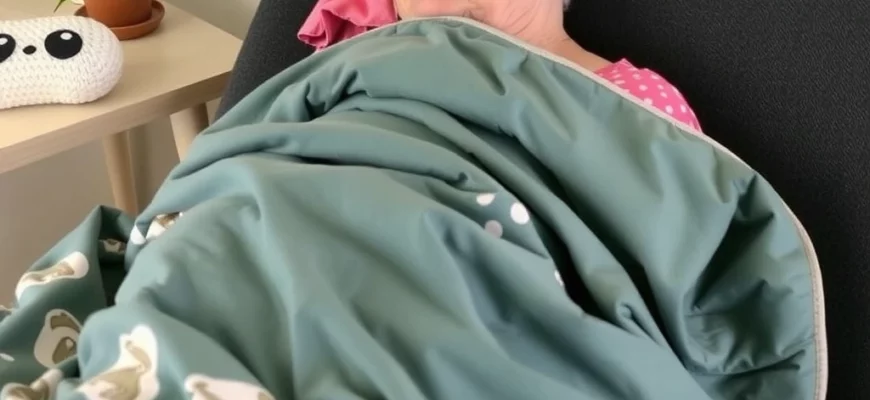
- Beyond the Tremors: How a Weighted Blanket Helps Parkinson’s Disease Symptoms
- Calming the Nervous System to Reduce Nighttime Rigidity
- Strategic Support: Can You Use a Weighted Blanket for Scoliosis?
- Weight Distribution and Spinal Alignment Precautions
- The Safety Spectrum: Is a Weighted Blanket Safe for Osteoporosis?
- Understanding Bone Density and Weight Limits
- Soothing the Sunset: Weighted Blankets for Alzheimer’s and Dementia
- Reducing Agitation and Promoting Cognitive Rest
- Managing Fluid and Inflammation: Lymphedema and Autoimmune Considerations
- When Compression Becomes Too Much: Lymphedema Risks
- Palliative Comfort: The Role of Weighted Blankets in Cancer Care
- Addressing Chemotherapy Anxiety and Neuropathy
- Selection Guide: Choosing the Right Weight for Medical Needs
- Expert Perspective: Therapeutic Weighting and Respiratory Integrity
- Frequently Asked Questions
Beyond the Tremors: How a Weighted Blanket Helps Parkinson’s Disease Symptoms
Parkinson’s disease is characterized by a breakdown in the communication between the brain and the motor system, but the secondary sensory symptoms often cause the most distress during the night. The application of Deep Pressure Stimulation (DPS) through a weighted blanket acts as a non-pharmacological intervention to provide the brain with constant, grounding feedback. This proprioceptive input helps the central nervous system organize itself, essentially creating a sensory “anchor” that can mitigate the perception of involuntary movement.
When the body is enveloped in a consistent, heavy embrace, the brain receives a steady stream of information about where the limbs are in space. For someone living with Parkinson’s, this reduces the cognitive load required to monitor body position, allowing the mind to shift away from motor vigilance and toward a state of physiological rest. By providing this external “map” for the body, weighted blankets can help reduce the feeling of physical restlessness that often precedes a tremor flare-up.
Calming the Nervous System to Reduce Nighttime Rigidity
The relationship between dopamine and serotonin is central to managing motor symptoms in Parkinson’s patients. Deep pressure has been shown to stimulate the release of serotonin, which is a precursor to melatonin and a natural stabilizer of mood and movement. Boosting serotonin levels naturally through tactile input can help counteract the dopamine-related fluctuations that lead to muscle stiffness and “off” periods during the late hours of the night.
By suppressing the sympathetic nervous system—the “fight or flight” response—the blanket encourages the parasympathetic nervous system to take over. This shift is vital for improving sleep quality, as it lowers the heart rate and reduces the production of cortisol. When cortisol levels remain high, muscle rigidity often intensifies; therefore, keeping the body in a relaxed, parasympathetic state is essential for preventing the painful cramping and stiffness associated with nocturnal Parkinson’s symptoms.
Strategic Support: Can You Use a Weighted Blanket for Scoliosis?
Scoliosis presents a unique challenge because the spinal curvature creates asymmetrical tension across the back muscles, often leading to chronic discomfort and sensory overstimulation. A weighted blanket should never be viewed as a tool for structural correction or spinal straightening, but rather as a means of sensory calming. The primary goal is to provide a sense of security and pain modulation without placing undue stress on the convex or concave sides of the spinal curve.
The tactile input from the blanket can help “distract” the nervous system from the chronic dull ache of spinal misalignment. This is known as the gate control theory of pain, where the sensation of pressure travels faster to the brain than the sensation of pain, effectively closing the “gate” on discomfort. However, users must be cautious about how the weight is distributed to ensure it does not force the spine into an uncomfortable rotation during sleep.
Weight Distribution and Spinal Alignment Precautions
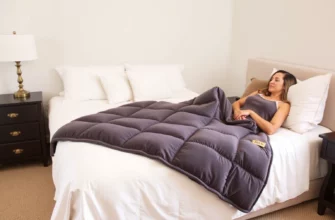
For individuals with scoliosis, the way a blanket drapes over the body is more important than the total weight. Always ensure the blanket is large enough to cover the entire bed surface so that the weight remains even and does not pull the torso to one side. If the weight is concentrated only on the side of the spinal concavity, it can lead to increased muscle strain and morning stiffness.
Maintaining a neutral lying position is the most effective way to gain back pain relief from therapeutic weighting. Using a body pillow in conjunction with a weighted blanket can help maintain pelvic and spinal alignment, ensuring that the pressure of the blanket enhances postural comfort rather than compromising it. If you find that the weight causes a “sinking” feeling in the mattress that increases your curve, you may need a firmer sleep surface to support the added poundage.
The Safety Spectrum: Is a Weighted Blanket Safe for Osteoporosis?
When dealing with osteoporosis, the primary concern is the integrity of the skeletal system under external pressure. Because bone density is compromised, the risk of fragility fractures is a real consideration, especially in the ribs and hips. A weighted blanket provides a therapeutic benefit, but it must be approached with extreme caution and a focus on “gentle pressure” rather than heavy load-bearing.
Medical clearance is non-negotiable for those with advanced bone loss. The pressure that feels like a “hug” to a healthy individual could potentially exert too much force on a porous ribcage. However, for those in the early stages of osteopenia or mild osteoporosis, a carefully selected weight can still provide the anxiety-reducing benefits of DPS without endangering bone health safety.
| High-Risk Behavior | Why It Is Dangerous | Safe Alternative |
|---|---|---|
| Using a blanket >10% of body weight | Excessive pressure can cause stress fractures in fragile ribs. | Limit weight to 5-7% of total body weight. |
| Folding the blanket for “double” weight | Concentrates pressure on a small surface area of bone. | Keep the blanket spread flat and even at all times. |
| Using weight during a fracture healing phase | Weight can displace healing bone fragments or impede blood flow. | Wait for full clinical union of the bone before resuming use. |
| Ignoring respiratory restriction | Heavy weight on the chest can make breathing difficult for seniors. | Place the blanket from the waist down to protect the chest. |
Understanding Bone Density and Weight Limits
The 10% rule is the standard for healthy adults, but for those with osteoporosis, you should aim for a “light-therapeutic” range of roughly 5 to 8 pounds, regardless of body weight. This provides enough sensory input to calm the nervous system without creating a crush risk for the skeletal structure. If you have a history of vertebral compression fractures, the weight should be distributed away from the spine and focused more on the legs.
In cases where bone density is too low for any significant weight, alternative sensory tools like “compression sheets” can be used. These provide a similar cocooning effect through tension rather than mass. Always monitor the skin for any signs of bruising or redness, as fragile skin often accompanies fragile bones in the elderly population.
Soothing the Sunset: Weighted Blankets for Alzheimer’s and Dementia
Dementia and Alzheimer’s often bring about a phenomenon known as “Sundowning,” where agitation, confusion, and anxiety spike as the sun goes down. This period of the day is taxing for both the patient and the caregiver. A weighted blanket can serve as a powerful tool for sensory grounding, providing a physical boundary that helps the patient feel safe and contained during a time of mental disorientation.
The “cocooning” effect of a weighted blanket mimics the sensation of being held, which can trigger an oxytocin release. This “cuddle hormone” naturally lowers anxiety and can prevent the wandering behaviors often seen in the early evening. For a senior sleep aid, the simplicity of a blanket is often more effective and less confusing than complex electronic calming devices.
Reducing Agitation and Promoting Cognitive Rest
Calming dementia agitation requires a multi-sensory approach. By providing consistent tactile input, the blanket helps the brain focus on the “here and now,” which can reduce the intrusive thoughts or hallucinations associated with late-stage memory loss. Improving circadian rhythms is a secondary benefit, as the increased melatonin production helps the patient stay asleep longer, reducing the risk of nighttime falls during wandering episodes.
Caregivers should introduce the blanket during periods of relative calm so the patient associates it with comfort rather than restraint. Never use a weighted blanket as a form of physical restraint; the user must always be able to remove the blanket themselves to ensure safety and autonomy. When used correctly, it becomes a predictable part of the evening routine, signaling to the brain that the day is over and it is time for rest.
Managing Fluid and Inflammation: Lymphedema and Autoimmune Considerations
Autoimmune conditions like Lupus or Rheumatoid Arthritis often involve systemic inflammation and joint sensitivity. In these cases, a weighted blanket can be a double-edged sword. While the pressure can help reduce the “brain fog” and anxiety associated with chronic illness, the physical weight might be painful on inflamed joints during a flare-up. Understanding the nuances of your specific condition is key to safe usage.
Lymphedema adds another layer of complexity. Because lymphedema involves the failure of the lymphatic system to drain fluid properly, any external pressure must be carefully monitored. There is a significant difference between the graduated medical compression of a sleeve and the static, heavy pressure of a weighted blanket. If the blanket is too heavy, it can actually impede lymphatic flow rather than assisting it.
- DO: Use a lightweight blanket (5-10 lbs) if you have autoimmune joint pain to avoid “crushing” inflamed tissues.
- DO: Consult a lymphedema specialist before applying weight to a limb currently experiencing stage 2 or 3 swelling.
- DON’T: Use a weighted blanket if you have a history of deep vein thrombosis (DVT) without medical supervision.
- DO: Choose a blanket with glass bead filling, as it stays cooler and helps manage the “heat” often felt in inflamed joints.
- DON’T: Allow the blanket to bunch up around a swollen limb, as this creates localized pressure “hotspots” that block fluid drainage.
When Compression Becomes Too Much: Lymphedema Risks
In the context of lymphatic health, excessive weight can act as a tourniquet if not distributed perfectly. This is why individuals with lower-extremity lymphedema must be particularly careful; If you notice that your limb swelling increases after using the blanket, or if the skin feels tighter and more “shiny,” the weight is likely too high or the pressure is too restrictive.
For those with autoimmune-related neuropathy, the blanket can actually help “drown out” the buzzing or tingling sensations in the legs. By providing a stronger, more consistent sensory signal, the brain prioritizes the feeling of the blanket over the erratic signals of the nerves. Always test the blanket for 15-minute intervals initially to ensure that reducing systemic inflammation is the result, rather than an increase in localized pain.
Palliative Comfort: The Role of Weighted Blankets in Cancer Care
In palliative care, the goal shifts from cure to quality of life. Cancer patients often deal with a “triad” of symptoms: pain, anxiety, and insomnia. A weighted blanket offers a non-invasive way to address all three. During chemotherapy, many patients experience a specific type of “cold-anxiety,” where the body feels chilled and the mind is in a state of high stress. The warmth and weight of a therapeutic blanket can provide an immediate sense of security.
Furthermore, the psychological benefit of feeling “protected” cannot be overstated. For a patient spending long hours in a clinical environment, the familiar weight of a blanket provides a sense of “home” and personal space. It acts as a physical barrier against the sterile, often frightening atmosphere of a hospital or hospice setting.
Addressing Chemotherapy Anxiety and Neuropathy
Chemotherapy-induced peripheral neuropathy (CIPN) often results in a restless, “creepy-crawly” feeling in the hands and feet. Weighted blankets can offer respite by providing a heavy sensory input that overrides the pins-and-needles sensation. This is particularly helpful for easing restless legs caused by medications, allowing for deeper sleep cycles that are essential for the body’s recovery and cellular repair.
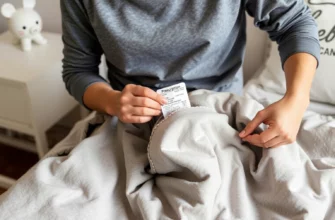
Hygiene is a critical factor for cancer patient comfort, especially when the immune system is compromised. Always use a blanket with a removable, antimicrobial cover that can be washed at high temperatures. This ensures that the blanket remains a source of comfort rather than a vector for infection. By reducing the physiological markers of stress, such as heart rate and blood pressure, the blanket helps the patient conserve precious energy for their recovery process.
Selection Guide: Choosing the Right Weight for Medical Needs
Selecting a weighted blanket for medical purposes requires a departure from the standard “10% of body weight” rule used for the general population. When mobility is limited or bones are fragile, safety must take precedence over the intensity of the pressure. The goal is to find the minimum weight required to trigger the “calming” response without causing physical strain or restricting movement.
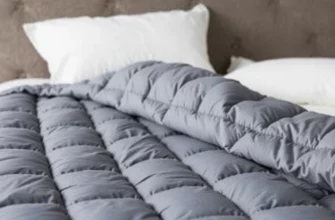
The filling material also matters. Glass beads are generally preferred for medical users because they are smaller, denser, and quieter than plastic pellets. This allows the blanket to contour more closely to the body’s natural shape, providing more even weight distribution and better temperature regulation for those prone to night sweats or inflammation.
| Patient Body Weight | Standard Recommendation | Medical Recommendation (Parkinson’s/Seniors) | Osteoporosis Recommendation |
|---|---|---|---|
| 100 ─ 130 lbs | 10 ─ 12 lbs | 7 ‒ 10 lbs | 5 lbs (Medical Clearance Required) |
| 140 ‒ 170 lbs | 15 lbs | 10 ‒ 12 lbs | 7 ─ 8 lbs (Medical Clearance Required) |
| 180 ─ 210 lbs | 20 lbs | 12 ‒ 15 lbs | 10 lbs (Medical Clearance Required) |
| 220+ lbs | 25 lbs | 15 ‒ 20 lbs | 12 lbs (Medical Clearance Required) |
Always ensure the user can independently remove the blanket. If a patient does not have the upper body strength to push the blanket off in an emergency, it should not be used. For those with mobility issues, a “lap pad” or a smaller “weighted lap throw” can often provide the same neurological benefits as a full-sized blanket with significantly less risk and weight.
Expert Perspective: Therapeutic Weighting and Respiratory Integrity
In my professional experience as an Occupational Therapist, I have seen weighted blankets transform the lives of patients with Parkinson’s and Alzheimer’s, but I always emphasize that a weighted blanket is a therapeutic tool, not just bedding. When I work with patients who have scoliosis or limited mobility, my first priority is ensuring the weight does not impede respiratory function. If a blanket is too heavy on the chest, it can reduce the “tidal volume” of the lungs—essentially making each breath slightly shallower. For seniors, this can lead to a decrease in oxygen saturation during sleep. I always advise starting with a weight that is significantly lower than the standard 10% rule and placing the blanket primarily over the hips and legs initially to see how the patient’s nervous system responds before moving it higher up the body. Professional consultation is mandatory because we must also monitor skin integrity; even a small amount of weight can cause pressure sores in patients with thin skin or poor circulation.
Frequently Asked Questions
While a weighted blanket cannot stop the neurological cause of tremors, it provides grounding proprioceptive input that helps the body feel more secure, reduces the perception of the tremor, and significantly improves sleep quality by calming the nervous system.
Are there risks for using a weighted blanket with osteoporosis?
Yes, there is a risk of fragility fractures if the blanket is too heavy for compromised bone density. It is vital to use a lighter therapeutic weight (usually 5-8 lbs) and consult a physician to ensure the pressure is safe for your specific T-score.
Is a weighted blanket helpful for lymphedema swelling?
It can be risky; excessive weight may restrict lymphatic fluid drainage. Patients should only use blankets on non-affected areas or choose very light weights with doctor approval to avoid increasing limb swelling or blocking circulation.
How does a weighted blanket assist with Alzheimer’s sundowning?
The blanket utilizes Deep Pressure Stimulation to trigger a release of serotonin and oxytocin, which naturally lowers evening agitation, provides a sense of physical “containment,” and helps the patient transition more peacefully into sleep.
Can children with autoimmune diseases use weighted blankets?
Yes, they can be helpful for reducing joint pain and anxiety, provided the blanket weight is strictly calculated (usually 10% of body weight + 1 lb) and the child has the physical strength to remove it independently at all times.
What is the best weight for a senior with multiple health conditions?
For seniors with complex health needs, it is best to ignore the standard 10% rule and start lower, typically between 5-7 lbs. This ensures the blanket is therapeutic without being heavy enough to cause fatigue, breathing difficulties, or skin irritation.