- Why the Infrared Sauna and Cold Plunge Combo is the Ultimate Recovery Hack
- The Physiological Shift: From Vasodilation to Vasoconstriction
- A Step-by-Step Infrared Sauna Cold Plunge Protocol for Maximum Results
- Timing and Temperatures: Getting the Balance Right
- Common Mistakes to Avoid When Mixing Heat and Ice
- Listening to Your Body: Red Flags During Contrast Therapy
- What to Look for in a Professional Recovery Zone
- Home vs. Gym: Finding the Best Infrared Sauna Cold Plunge Deal
- Debunking Myths: The Truth About Infrared and Ice
- Key Takeaways for Your Next Recovery Session
- Frequently Asked Questions
Why the Infrared Sauna and Cold Plunge Combo is the Ultimate Recovery Hack
The combination of extreme heat and sudden cold is not just a trend for elite athletes; it is a sophisticated biological reset. By alternating between an infrared sauna and a cold plunge‚ you are essentially performing a workout for your vascular system‚ forcing your blood vessels to expand and contract in a rhythmic “pump” that traditional recovery methods cannot replicate.
This synergy relies on the principle of hormetic stress—the idea that brief‚ controlled exposure to environmental extremes triggers a cascade of protective and regenerative responses within the body. While a standard sauna uses hot air‚ infrared technology penetrates the skin more deeply‚ heating your core temperature from the inside out. When followed immediately by a cold immersion‚ the physiological impact is amplified‚ shifting the body from a state of intense relaxation to a sharp‚ invigorating survival mode that flushes out lingering physical stressors.
The Physiological Shift: From Vasodilation to Vasoconstriction
When you sit in an infrared sauna‚ your body undergoes massive vasodilation. Your blood vessels expand significantly to move heat toward the skin’s surface‚ which is why you appear flushed. This process is how to reduce inflammation at a cellular level‚ as the increased diameter of the vessels allows oxygen-rich blood to reach deep muscle tissues that are often starved of nutrients after a heavy lifting session or high-intensity interval training.
The magic happens during the transition. As you step out of the heat and into the cold plunge‚ your body experiences immediate vasoconstriction. The blood vessels snap shut‚ shunting blood away from the extremities and back toward your internal organs to protect your core temperature. This rapid “squeezing” action acts as a manual pump for the lymphatic system‚ effectively boosting blood flow and accelerating the removal of metabolic waste products like lactic acid.
By repeating this cycle‚ you are essentially “rinsing” your muscles. This prevents the stagnation of fluids that leads to delayed onset muscle soreness (DOMS). Practitioners often find that this specific sequence provides a level of muscle recovery that a simple rest day cannot match‚ as it actively clears the cellular debris left behind by intense physical exertion.
A Step-by-Step Infrared Sauna Cold Plunge Protocol for Maximum Results
To get the most out of your recovery session‚ you cannot simply wing it. Following a structured routine ensures that you are taxing the nervous system just enough to trigger a response without causing unnecessary exhaustion. The goal is to build metabolic flexibility and resilience‚ not to see how much pain you can endure.
- Pre-Hydration: Drink at least 16 ounces of water with added electrolytes 30 minutes before starting. Infrared saunas induce heavy sweating‚ and dehydration significantly increases the risk of heart strain during the cold transition.
- The Heat Phase: Enter the infrared sauna and stay for 15 to 25 minutes. Focus on deep‚ diaphragmatic breathing to prime your nervous system. Wait until you have a full-body sweat before exiting.
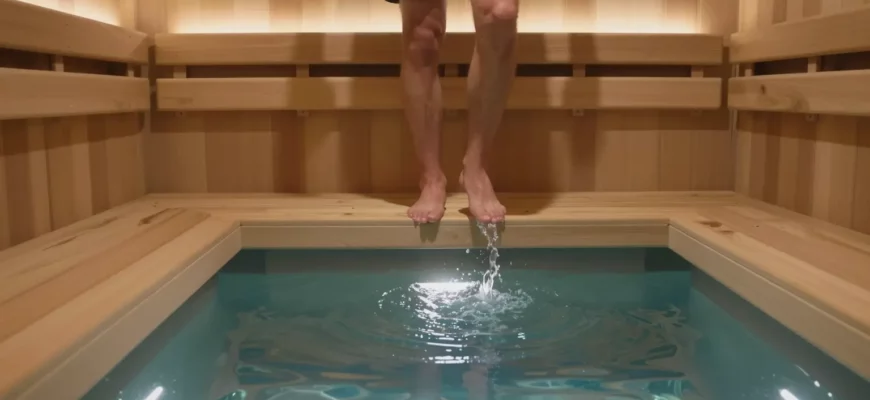
- The Transition: Spend no more than 60 seconds moving from the sauna to the plunge. Rinse off any sweat in a lukewarm shower if you are in a public facility to maintain hygiene standards.
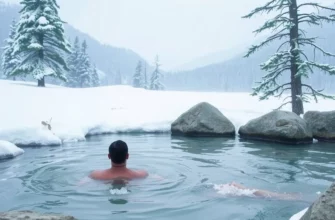
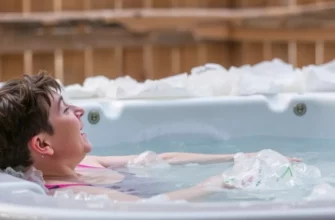
- The Cold Phase: Submerge yourself in the cold plunge up to the neck. Focus on controlling your exhale to override the initial gasp reflex. Stay for 2 to 5 minutes depending on your experience level.
- The Recovery Gap: This is the most overlooked step. After the cold‚ do not go straight back into the heat. Rest for 5 to 10 minutes at room temperature to allow your heart rate to stabilize and your blood pressure to normalize.
- Repeat: Complete 3 full rounds of this cycle for the best results.
Timing and Temperatures: Getting the Balance Right
Finding the “Goldilocks zone” for your recovery session is the difference between feeling rejuvenated and feeling drained. For the infrared sauna‚ a temperature range of 120°F to 150°F is ideal. Unlike traditional saunas that require 180°F+‚ infrared is effective at lower temperatures because the light waves directly heat your tissues rather than the air around you. This allows for a longer‚ more sustainable sweat.
For the cold plunge‚ aim for a safe temperature range of 45°F to 55°F. While some “biohackers” push for near-freezing water‚ research suggests that the vast majority of mitochondrial benefits and inflammatory reductions occur within this 10-degree window. Dropping below 40°F significantly increases the risk of cold shock and does not necessarily provide a linear increase in recovery benefits.
The optimal recovery time for the entire session usually totals about 60 to 90 minutes. This includes three contrast therapy rounds and the final rest period. Always end your session on the cold phase if your goal is to reduce inflammation or boost alertness‚ but consider ending on heat if you are heading straight to bed‚ as the subsequent drop in core temperature will help induce deeper sleep.
Common Mistakes to Avoid When Mixing Heat and Ice
Even experienced athletes can fall into traps when navigating extreme temperature shifts. The most frequent error is the “more is better” fallacy; Pushing your body to stay in the cold until you are shivering uncontrollably or staying in the sauna until you feel faint actually spikes cortisol levels‚ which is the exact opposite of the recovery state you are trying to achieve.
- Skipping the Warm-Up: Never jump into a cold plunge if your core temperature is already low. Always use the sauna first to ensure your blood is moving and your joints are mobile.
- Holding Your Breath: Many people hold their breath when they hit the cold water. This spikes blood pressure and can lead to lightheadedness. Force yourself to exhale slowly as you submerge.
- Ignoring Electrolytes: Sweating in an infrared sauna saps more than just water; it drains magnesium‚ sodium‚ and potassium. If you get a headache after your session‚ it is almost certainly an electrolyte imbalance‚ not the temperature itself.
- Inconsistent Frequency: Doing contrast therapy once a month won’t do much. For real adaptations in the autonomic nervous system‚ aim for at least two sessions per week.
Listening to Your Body: Red Flags During Contrast Therapy
You must remain hyper-aware of your internal state during the transition. If you begin to feel a “thumping” sensation in your temples or a sudden wave of nausea‚ exit the sauna or plunge immediately. These are signs that your cardiovascular system is struggling to keep up with the demand of the temperature shift.
One specific phenomenon to watch for is the afterdrop effect. This occurs when you leave the cold plunge and the chilled blood from your limbs returns to your core. It can cause you to feel colder 10 minutes after the plunge than you did while in the water. To manage this‚ do not take a hot shower immediately after the cold plunge. Instead‚ let your body warm up naturally through light movement or by wrapping yourself in a dry towel and sipping room-temperature water. Avoiding thermal shock is about gradual transitions‚ not jarring your system back and forth without a buffer.
What to Look for in a Professional Recovery Zone
While home setups are becoming more popular‚ there is a distinct advantage to using a professional recovery zone like Smash Iron Fitness. Professional facilities use commercial-grade equipment that offers superior filtration‚ consistent temperature regulation‚ and high-output infrared heaters that DIY units often lack. In a gym environment‚ the cold plunge is typically equipped with a high-powered chiller and ozone filtration‚ ensuring the water stays at a precise temperature regardless of how many people have used it.
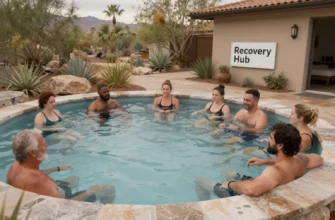
Furthermore‚ professional grade recovery environments often provide a social element that can lower the perceived stress of the cold plunge. Sharing the experience with others can help you stay in the water longer and turn a difficult physical task into a habitual part of your fitness lifestyle. When evaluating a facility‚ check for the cleanliness of the water and the type of infrared panels used; full-spectrum infrared is generally superior to far-infrared alone for muscle penetration.
Home vs. Gym: Finding the Best Infrared Sauna Cold Plunge Deal
If you are considering a home setup‚ be prepared for significant upfront costs. A high-quality infrared sauna and a refrigerated cold plunge can easily cost upwards of $10‚000. Additionally‚ the maintenance considerations for cold plunges—such as changing filters‚ testing water chemistry‚ and the electricity cost of running a chiller 24/7—can be a burden for the average homeowner.
| Feature | Home Setup | Professional Recovery Center |
|---|---|---|
| Initial Cost | High ($5‚000 ‒ $15‚000+) | Low (Monthly Membership) |
| Maintenance | User responsibility (Cleaning/Chemicals) | Professionally managed |
| Equipment Quality | Varies (Often lower power) | Industrial/Commercial grade |
| Convenience | High (Available 24/7) | Moderate (Requires travel) |
For most people‚ the sauna and plunge cost is much more manageable through a gym membership. Not only do you get access to the best recovery equipment‚ but you also benefit from a climate-controlled environment designed specifically for these routines. If you are a serious athlete or someone dealing with chronic inflammation‚ the membership value in a professional center usually far outweighs the headache of maintaining your own equipment.
Debunking Myths: The Truth About Infrared and Ice
There is a lot of “bro-science” surrounding contrast therapy. One of the most common myths is that a cold plunge will “freeze away” body fat instantly. While it is true that cold exposure activates brown adipose tissue (BAT)‚ which burns calories to generate heat‚ you cannot rely on cold plunges as a primary weight-loss strategy. It is a metabolic booster‚ but its primary function remains neurological and anti-inflammatory.
Myth: You should stay in the cold plunge as long as possible to prove your mental toughness.
Fact: Staying in too long can lead to hypothermia and suppressed immune function. The maximum benefit for recovery is usually reached within 3 to 5 minutes; anything beyond that is diminishing returns and increased risk.
Another misconception is that infrared saunas are just “glorified light bulbs.” In reality‚ the specific wavelengths used in these saunas interact with the chromophores in your mitochondria‚ stimulating ATP production and cellular repair. This is fundamentally different from a traditional sauna‚ which simply uses hot air to bake the skin. The infrared sauna and cold plunge combo is a science-backed protocol for biohacking your recovery‚ not just a way to feel “refreshed.”
Key Takeaways for Your Next Recovery Session
To ensure your next session is both safe and effective‚ keep these core principles in mind. Contrast therapy is a tool for building long-term physical and mental resilience‚ and consistency is your greatest ally.
- Always prioritize the sequence: Heat first to dilate‚ cold second to constrict. This creates the necessary “circulatory flush.”
- Focus on the breath: Your ability to stay calm in the cold plunge is a direct reflection of your autonomic nervous system control.
- Respect the rest: The 5-10 minute break between rounds is where your heart rate recovers and the true benefits of the “pump” occur.
- Hydrate aggressively: You are losing fluids and minerals at an accelerated rate; replenish them before‚ during‚ and after your session.
- Quality over quantity: Two high-quality rounds are better than four rounds where you are shivering and lightheaded.
In my professional experience as a physiologist‚ the true “magic” of the infrared sauna and cold plunge combo isn’t just about the muscles—it’s about the autonomic nervous system (ANS) reset. Most people spend their entire day in a sympathetic-dominant state (fight or flight) due to work stress and high-intensity training. This protocol forces a rapid transition into a parasympathetic state (rest and digest). By intentionally stressing the body with heat and then shocking it with cold‚ we are training the Vagus nerve to respond more efficiently. I always advise my clients to focus on the ‘rebound’ after the final plunge; that moment of profound stillness is when the body begins its most significant healing. This protocol is the fastest way I know to move an athlete out of a state of chronic fatigue and back into a state of readiness.
Frequently Asked Questions
You should always start with the infrared sauna. Heating the body first ensures your core temperature is elevated and your blood vessels are dilated‚ which makes the subsequent “flush” from the cold plunge significantly more effective for removing metabolic waste.
How long should I stay in the cold plunge after a sauna?
The ideal duration is between 2 and 5 minutes. This is long enough to trigger the cold-shock response and achieve vasoconstriction without risking hypothermia or excessive stress on the heart.
Can the infrared sauna and cold plunge combo help with weight loss?
While it does boost your metabolic rate through thermogenesis and calorie burning‚ it is primarily a recovery and health-optimization tool. It should be used as a supplement to a proper diet and exercise routine‚ not a replacement for them.
Is it safe to do contrast therapy every day?
For most healthy individuals‚ 3 to 4 times a week is the sweet spot; Daily use is possible‚ but you must be careful not to overtax your nervous system‚ as the extreme temperature shifts are still a form of stress on the body.
What is the best temperature for a cold plunge?
A temperature between 45°F and 55°F (7°C – 13°C) is recommended. This range is cold enough to elicit a strong physiological response while remaining safe for most practitioners to stay in for the required 2-5 minutes.
Do I need a special infrared sauna‚ or does a traditional one work?
A traditional sauna works‚ but an infrared sauna is often preferred for contrast therapy. Infrared heat penetrates deeper into the muscle tissue at lower ambient temperatures‚ allowing you to stay in longer and achieve a more thorough core-warming before the cold plunge.