- Exploring Cold Plunge Science: What Actually Happens to Your Body?
- The Hormetic Stress Response and Recovery
- Metabolic Fire: Brown Fat Activation
- Myth vs. Fact: Debunking Cold Therapy Misconceptions
- The Hidden Risk: Managing Cold Plunge Bacteria and Biofilm
- Why Cold Water Isnt a Natural Disinfectant
- Comparing Methods: Cold Plunge Water Chemicals vs. Salt Systems
- A Guide to Sanitization: Using Cold Plunge Tablets Effectively
- How to Use Sanitizing Tablets Without Overdosing
- The Ideal Cold Plunge Process for Beginners and Pros
- Maintenance Mastery: Your Weekly Cleanliness Checklist
- Frequently Asked Questions
Exploring Cold Plunge Science: What Actually Happens to Your Body?
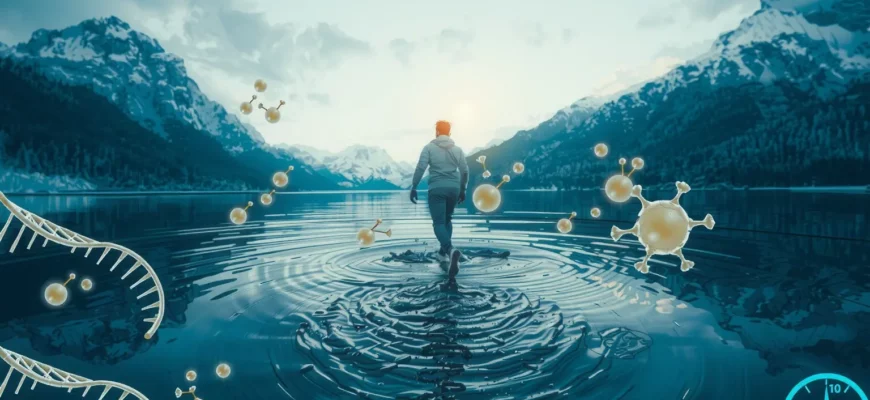
Cold water immersion is more than just a test of mental fortitude; it is a profound physiological reset that triggers a cascade of biological responses. When you submerge your body in water below 55°F, your system immediately enters a state of survival, shifting resources to protect vital organs and maintain core temperature.
The Hormetic Stress Response and Recovery
The primary mechanism behind the benefits of cold plunging is known as hormesis. This biological phenomenon occurs when a low-dose stressor triggers cellular adaptations that make the organism more resilient to future stress. By exposing yourself to the thermal shock of icy water, you are essentially training your nervous system to remain calm under pressure.
One of the most immediate effects is a massive spike in neurotransmitters. Research shows that cold exposure can lead to a 200% to 300% increase in norepinephrine levels. This sustained release is why many practitioners report a significant boost in mood naturally that lasts for several hours after the session. Unlike the fleeting high of caffeine, this chemical surge provides steady focus and emotional stability.
Furthermore, the cold helps the body manage swelling and metabolic waste. While many people believe it simply “stops” inflammation, the reality is more nuanced. The intense vasoconstriction caused by the cold forces blood away from the extremities and toward the core, which helps to reduce fluid buildup in muscle tissues after intense exercise. This mechanical “flushing” of the system is a cornerstone of how to reduce inflammation effectively without relying on pharmaceutical interventions.
Metabolic Fire: Brown Fat Activation
Beyond the immediate neurological impact, cold plunging serves as a powerful metabolic stimulant. The body possesses two main types of fat: white adipose tissue, which stores energy, and brown adipose tissue (BAT), which burns energy to generate heat. Cold exposure is the most potent known activator of these brown fat stores.
Brown fat is packed with mitochondria, the powerhouses of your cells. When you are struggling with staying warm after a plunge, your BAT is working overtime, using a process called non-shivering thermogenesis to convert stored calories into heat. Regular exposure to cold temperatures actually increases mitochondrial density, which has long-term implications for improving metabolism and insulin sensitivity.
This process of thermoregulation is calorically expensive. Even a short three-minute plunge can elevate your metabolic rate for a significant period as your body works to return to its baseline temperature. Over time, this “metabolic conditioning” helps the body become more efficient at managing energy and regulating internal heat, leading to better cold tolerance in everyday life.
Myth vs. Fact: Debunking Cold Therapy Misconceptions
Common Cold Plunge Myth The Scientific Reality The colder the water, the better the results. Most benefits occur between 45°F and 55°F; temperatures near freezing significantly increase the risk of heart arrhythmias without adding extra metabolic gain. Cold plunging immediately after weightlifting is best. Cold immersion within 4 hours of hypertrophy training can stunt muscle protein synthesis. It is better to wait 6-24 hours after lifting weights. You should stay in as long as possible. The “Soberg Principle” suggests a total of only 11 minutes per week, divided into several sessions, is enough to trigger major health adaptations. Cold water kills all bacteria naturally. Cold water only slows bacterial growth; pathogens like Legionella and Pseudomonas can survive and thrive in untreated cold tubs.
The Hidden Risk: Managing Cold Plunge Bacteria and Biofilm
While the focus of cold plunging is often on the physical benefits, the hygiene of the water is frequently overlooked. Standing water, regardless of its temperature, is a breeding ground for microorganisms. If you aren’t actively managing your water quality, your recovery tool can quickly become a vector for skin infections and respiratory issues.
Why Cold Water Isnt a Natural Disinfectant
A common misconception is that because the water is “ice cold,” it is naturally sterile. In reality, many types of bacteria are psychrophilic, meaning they are specifically adapted to survive or even thrive in low temperatures. Without a proper sanitization protocol, these microbes begin to colonize the surfaces of your tub and filtration system.
The primary concern is the formation of biofilm. This is a slimy, protective layer that bacteria create to shield themselves from external threats. Once a biofilm takes hold in your plumbing or on the tub walls, it becomes incredibly difficult to remove and acts as a reservoir for pathogens. This is why keeping plunge water safe requires more than just a filter; it requires active chemical or salt-based sanitization.
Furthermore, every time you enter the tub, you introduce organic matter including skin cells, body oils, and sweat. These organic materials serve as a food source for bacteria and can lead to cloudy water and foul odors. If left unchecked, the accumulation of these contaminants can cause folliculitis or other forms of preventing skin irritation, turning a healthy habit into a dermatological nightmare.
Comparing Methods: Cold Plunge Water Chemicals vs. Salt Systems
Choosing the right way to keep your water clear depends on your skin sensitivity, budget, and how much time you want to spend on maintenance. Both traditional chemicals and salt-water systems have distinct advantages.
| Feature | Traditional Chemicals (Chlorine/Bromine) | Salt Water Systems |
|---|---|---|
| Sanitization Power | Extremely high; kills bacteria and viruses almost instantly. | Moderate; relies on a salt-cell to generate natural chlorine. |
| Skin Feel | Can be drying or irritating if levels are not monitored closely. | Much softer on the skin; feels similar to a mild saline solution. |
| Maintenance Level | Requires weekly testing and manual dosing of tablets or granules. | More automated, but the salt cell requires cleaning every few months. |
| Initial Cost | Low; requires only a floating dispenser and basic chemicals. | High; requires an initial investment in a salt-chlorine generator. |
| Longevity | Chemicals must be replenished frequently. | Salt stays in the water; you only add more when you top off the tub. |
A Guide to Sanitization: Using Cold Plunge Tablets Effectively
If you opt for chemical sanitization, using cold plunge tablets is often the most convenient method. However, because a cold plunge tub holds significantly less water than a swimming pool or even a standard hot tub, it is very easy to over-treat the water. High concentrations of chemicals in a small volume of water can lead to equipment corrosion and skin burns.
How to Use Sanitizing Tablets Without Overdosing
The first step in any chemical regimen is testing your water. You cannot manage what you do not measure. Before adding any sanitizer, you must check the water alkalinity and pH levels. If your pH is too high or too low, your sanitizer will not work effectively, regardless of how much you add. Aim for a pH range between 7.2 and 7.6 to ensure maximum chemical efficiency and skin comfort.
When using chlorine or bromine tablets, never drop them directly into the tub. This can damage the liner or the acrylic surface of the plunge. Instead, use a dedicated floating dispenser and start with the smallest possible setting. For a standard 100-gallon plunge, you often only need a fragment of a standard 1-inch tablet to maintain safe chemical levels.
Regularly monitor the “Free Chlorine” levels using test strips. You are looking for a concentration of 1-3 parts per million (PPM). If the level exceeds 5 PPM, you should leave the cover off and allow the UV rays from the sun (if outdoors) or natural dissipation to lower the concentration before your next plunge. This careful balancing act is essential for maintaining a sterile environment while ensuring the water remains gentle on your body.
The Ideal Cold Plunge Process for Beginners and Pros
To maximize the biological benefits and ensure safety, you should follow a structured approach to your immersion sessions. Randomly jumping into ice water can lead to panic and poor form, which diminishes the hormetic effect.
- Pre-Plunge Preparation: Spend 2-3 minutes performing controlled box breathing. This helps down-regulate your nervous system and prepares your mind for the upcoming thermal shock.
- The Entry: Enter the water steadily and exhale as you submerge up to your neck. Avoid holding your breath during the initial entry, as this can spike your blood pressure unnecessarily.
- The Immersion: Once in, keep your hands and feet still. Moving creates “thermal layers” that can make the water feel colder. Aim for 2 to 5 minutes depending on your experience level.
- The Exit and “Soberg Principle”: When you exit the tub, do not immediately jump into a hot shower. To maximize the metabolic benefits, allow your body to reheat itself naturally. This forces your brown fat to stay active longer.
- Movement: Perform light movement, such as “horse stance” or gentle air squats, to encourage blood flow back to your extremities.
Maintenance Mastery: Your Weekly Cleanliness Checklist
Consistent maintenance is the only way to avoid a full water change every few days. Use this checklist to keep your plunge crystal clear and biologically safe.
- Daily: Use a fine-mesh skimmer net to remove any hair, insects, or debris that have entered the water.
- Every 2 Days: Check the sanitizer levels using a test strip. Adjust the floating dispenser if the PPM is outside the 1-3 range.
- Weekly: Wipe down the “water line” with a damp microfiber cloth to prevent the buildup of oils and prevent biofilm from taking hold.
- Weekly: Rinse your pleated filter cartridge with a high-pressure hose to remove trapped particles.
- Monthly: Replace the filter cartridge entirely and perform a “shock” treatment using a non-chlorine oxidizer to break down organic contaminants.
- Quarterly: Drain the tub completely, scrub the interior with a mild soap solution, and refill with fresh, filtered water.
In my professional experience, the biggest mistake people make is treating their cold plunge like a static bathtub rather than a dynamic biological system. I always advise my clients that water chemistry is just as critical as the temperature itself. If you are immersing yourself in water with high bacterial counts, the systemic inflammation caused by a potential skin infection will completely negate the recovery benefits of the cold. Think of your water maintenance as part of your training; a clean plunge is a therapeutic tool, while a dirty one is a biological hazard. Always prioritize filtration and sanitization to ensure your path to wellness doesn’t lead to a doctor’s office.
Frequently Asked Questions
If you use a high-quality filtration system and maintain proper chemical levels, you only need to change the water every 2-4 weeks. Without chemicals, water should be drained every 3-5 days.
Can I use Epsom salt in my cold plunge?
While Epsom salt is excellent for muscle relaxation, it is not a sanitizer; Furthermore, high concentrations of salt can corrode the internal components of many chiller pumps unless the unit is specifically rated for salt water.
Are cold plunge tablets safe for my skin?
Yes, provided you maintain the correct PPM. The key is to keep the pH balanced between 7.2 and 7.6; most “chemical burns” or rashes are actually caused by acidic pH levels rather than the chlorine itself.
What is the best temperature for cold plunge science benefits?
For most users, the “Goldilocks zone” is between 45°F and 55°F. This range is cold enough to trigger norepinephrine release and metabolic activation without the excessive risks associated with near-freezing water.
Do I really need chemicals if only I use the tub?
Yes. A single human body introduces millions of skin cells and bacteria during every plunge. Without a sanitization protocol, these organic loads will quickly lead to biofilm and pathogen growth.
How do I prevent my cold plunge from smelling?
Odors are caused by the breakdown of organic matter. To prevent this, use a non-chlorine shock (oxidizer) weekly and ensure your filter is cleaned regularly to remove trapped debris before it decays.