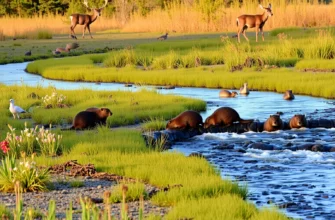
- Why the European bison is the architect of wild landscapes
- The ecological impact of the European bison
- Bison vs․ Aurochs: Reviving the ancient grazers
- The Tauros Project: Bringing back the aurochs legacy
- The return of the ghosts: Wolves and lynx in modern Europe
- Managing the return of the European wolf
- The elusive lynx: Europes silent hunter
- Big cats of the frontier: Leopards and the legacy of lions
- Protecting the Caucasian leopard
- Understanding the Rewilding Europe logo and mission
- A vision for a wilder continent
- Practical steps for supporting rewilding animals
- Frequently Asked Questions
Why the European bison is the architect of wild landscapes
The European bison, or wisent, is not merely a resident of the forest; it is the primary force that shapes the very environment it inhabits; As the largest land mammal on the continent, its presence signals a shift from stagnant, overgrown woodlands to dynamic, healthy ecosystems․ For decades, Rewilding Europe has treated the bison as a flagship species because its return triggers a biological chain reaction that benefits hundreds of smaller organisms․
Historically, the European bison was driven to the brink of extinction, with the last wild individuals killed in the 1920s․ Every bison alive today descends from just 12 captive individuals, making their recovery one of the most significant conservation successes in human history․ Today, herds are once again roaming the Southern Carpathians of Romania and the Rhodope Mountains of Bulgaria, reclaiming their role as the continent’s most vital habitat managers․
The recovery of the European bison is a masterclass in wildlife restoration, proving that even a species reduced to a dozen individuals can return to the wild․ By reintroducing these massive herbivores, we are not just saving a single animal; we are restarting the natural processes that keep European landscapes resilient against climate change․
The ecological impact of the European bison
Bison are often called landscape engineers because their daily habits physically alter the earth and vegetation․ When a bison moves through a forest, its massive weight creates paths that act as corridors for smaller mammals and ground-nesting birds․ They don’t just eat grass; they browse on shrubs and bark, which prevents any single plant species from dominating the area․
One of the most critical roles of the bison is the creation of mosaic landscapes․ By grazing heavily in some areas and leaving others untouched, they create a patchwork of open meadows, dense thickets, and light-filled forests․ This structural diversity is essential for supporting a wide variety of insects and birds that cannot survive in the uniform, dark canopies of unmanaged timber forests․
Furthermore, bison are exceptional seed dispersers․ Seeds attach to their thick fur or pass through their digestive systems, being deposited miles away in nutrient-rich manure․ This process ensures that plant populations remain genetically diverse and can migrate across the landscape; To maximize biodiversity, land managers should prioritize large, connected roaming areas rather than small fenced enclosures, allowing bison to follow seasonal food sources naturally․
Bison vs․ Aurochs: Reviving the ancient grazers
While the bison is a forest-edge specialist, Europe was once home to another massive herbivore: the aurochs․ The aurochs was the wild ancestor of all modern domestic cattle, but unlike the bison, it did not survive the pressure of human expansion and went extinct in 1627․ To restore the ecological balance of Europe’s open grasslands, scientists and conservationists are now working to fill this vacant niche․
The Tauros programme is a pioneering effort to “breed back” a cattle variety that physically and behaviorally resembles the extinct aurochs․ By identifying primitive cattle breeds that still carry high percentages of aurochs DNA, researchers are creating a hardy, self-sufficient grazer․ This animal is designed to live in the wild without human intervention, performing the same heavy-duty grazing that its ancestors did for millennia․
| Feature | European Bison (Wisent) | Tauros (Reconstructed Aurochs) |
|---|---|---|
| Primary Habitat | Mixed forests and scrubland | Open grasslands and floodplains |
| Feeding Strategy | Browser and grazer (leaves, bark, grass) | Bulk grazer (tall grasses and sedges) |
| Social Structure | Small maternal groups and solitary bulls | Large, complex social herds |
| Conservation Status | Vulnerable (Recovering from extinction) | Active breeding and rewilding phase |
The Tauros Project: Bringing back the aurochs legacy
The Tauros project is not about “Jurassic Park” style cloning; it is about functional ecology․ The goal is to produce an animal that can withstand predators like wolves and endure harsh European winters without supplemental feeding․ These animals are currently being released in areas like the Velebit Mountains in Croatia and the Greater Côa Valley in Portugal to tackle the problem of land abandonment․
Natural grazing by Tauros herds is a powerful tool for carbon sequestration․ When these large herbivores graze, they stimulate the growth of deep-rooted grasses that store carbon more effectively than the invasive scrub that usually takes over abandoned farmland․ To improve soil health, it is vital to maintain high-density, short-duration grazing patterns that mimic the movement of wild herds, preventing overgrazing while ensuring the soil is properly aerated by hoof action․
These ancient grazers also reduce the risk of catastrophic wildfires․ By consuming the “fuel load” of dry grasses and brush, they create natural firebreaks across the landscape․ This makes the Tauros not just a link to the past, but a necessary component of modern climate adaptation strategies in Mediterranean regions where heatwaves are becoming more frequent․
The return of the ghosts: Wolves and lynx in modern Europe
As herbivore populations like bison and deer expand, Europe’s apex predators are naturally following the food․ The return of the wolf and the lynx is often controversial, yet it is ecologically indispensable․ These predators provide “top-down” regulation, ensuring that herbivore populations do not become so large that they destroy the vegetation they depend on․
The resurgence of the European wolf is largely a story of natural recolonization․ Wolves are incredibly adaptable and have moved from Eastern Europe back into Germany, France, and even the Netherlands․ In contrast, the Eurasian lynx often requires more direct help․ Because lynx are highly territorial and have specific habitat requirements, reintroduction projects are necessary to bridge the gap between isolated mountain ranges․
The presence of these predators creates what ecologists call a “landscape of fear․” This doesn’t mean the environment is dangerous, but rather that herbivores change their behavior to avoid being caught in the open․ This behavioral shift allows young trees to grow in areas that were previously overgrazed, leading to the natural regeneration of forests without the need for expensive human tree-planting initiatives․
Managing the return of the European wolf
The return of wolves to human-dominated landscapes requires sophisticated management to prevent conflict with livestock․ Successful coexistence is built on traditional knowledge and modern technology․ In many rewilding areas, the use of specialized livestock guarding dogs (like the Maremma or Karakachan) has proven to be the most effective way to protect sheep and cattle․
Education is the most important tool for reducing human-wildlife conflict․ Many fears regarding wolves are based on folklore rather than biological reality․ Statistical data shows that wolves are naturally shy and avoid human contact whenever possible․ To ensure a smooth transition, local communities should be provided with electric fencing subsidies and compensation programs that are tied to the adoption of preventative measures․
When wolf populations are stable, they provide an invaluable service by culling sick and weak individuals from deer and boar herds․ This prevents the spread of diseases like African Swine Fever, which can devastate local agriculture․ Promoting the ecological benefits of healthy predator populations helps shift the narrative from fear to one of mutual benefit and ecosystem stability․
The elusive lynx: Europes silent hunter
The Eurasian lynx is a forest specialist that depends on large, connected tracts of woodland to survive․ Unlike wolves, they are solitary hunters that rely on stealth and ambush․ Their primary prey is the roe deer, and their hunting style helps keep deer populations spread out, which further aids in the natural diversification of forest flora․
Current rewilding sites for the lynx include the Harz Mountains in Germany and the Dinaric Mountains in Slovenia․ The biggest challenge for lynx recovery is habitat fragmentation․ Roads and highways act as lethal barriers for these cats․ To support lynx expansion, the construction of green bridges and wildlife underpasses is mandatory to connect isolated forest patches and ensure genetic exchange between populations․
A healthy lynx population is a bio-indicator of a high-quality forest․ If a forest can support a lynx, it means there is enough cover, enough prey, and enough peace from human disturbance․ Protecting the lynx means protecting the entire vertical structure of the forest, from the soil microbes to the ancient canopy trees;
Big cats of the frontier: Leopards and the legacy of lions
When most people think of big cats, they think of Africa or Asia․ However, Europe has a long, if forgotten, history with these predators․ While the European lion is a figure of the past, the Caucasian leopard still clings to existence on the southeastern fringes of the continent․ Protecting these animals is about preserving the last truly wild frontiers of the European landmass․
The Caucasian leopard is one of the rarest subspecies in the world․ Found in the rugged mountains between the Black and Caspian Seas, it represents the absolute peak of the food chain in the Caucasus․ Its survival depends entirely on the availability of wild goats and sheep, which are often targets of poaching․ Rewilding Europe and its partners are working to create safe corridors that allow these cats to roam between Georgia, Armenia, and Azerbaijan․
Myth: Lions are an invasive species that never belonged in Europe․
Fact: European lions were native to the Balkans and Southern Europe until roughly the 1st century AD․ While there are no plans to reintroduce them today, their historical presence reminds us that Europe’s “natural” state was far wilder than what we see today․
Protecting the Caucasian leopard
The Caucasian leopard is a master of camouflage, making it nearly impossible to track without the help of camera traps and GPS collars․ Conservation in this region is as much about border diplomacy as it is about biology․ Because these cats move across international lines, their protection requires a transboundary approach that ignores political maps in favor of ecological ones․
The Vashlovani and Zangezur corridors are critical for the leopard’s survival․ These areas provide the rugged terrain and rocky outcrops the cats need for denning and hunting․ To prevent the extinction of this sub-species, anti-poaching patrols must be intensified and local hunters must be incentivized to act as wildlife guides and guardians rather than competitors for prey․
The leopard is an umbrella species; by protecting the vast territories it needs to survive, we automatically protect the Bezoar goats, Caspian snowcocks, and thousands of plant species unique to the Caucasus․ Supporting nature-based tourism in these remote regions provides the economic justification for local governments to invest in high-level leopard conservation․
Understanding the Rewilding Europe logo and mission
The Rewilding Europe logo, featuring the iconic silhouette of a bison, is more than just branding; it represents a philosophy of hope and restoration․ The organization focuses on ten “priority landscapes” across the continent, ranging from the Danube Delta to the Lapland wilderness․ Their goal is to show that wild nature is not an obstacle to human progress, but a foundation for it․
The mission of Rewilding Europe is built on the idea that nature can take care of itself if we simply give it the space and the right “tools”—namely, the keystone species that drive ecological processes․ They advocate for a shift from passive conservation, which often tries to “freeze” a landscape in time, to active rewilding, which allows for natural change and unpredictability․
A significant part of this mission involves the transition to a nature-based economy․ In many rural parts of Europe, traditional farming is no longer economically viable, leading to mass migration to cities․ Rewilding offers an alternative by creating jobs in wildlife photography, eco-lodging, and professional guiding, allowing rural communities to thrive while protecting the environment․
A vision for a wilder continent
Public perception of wild animals is shifting․ For centuries, animals like bison and wolves were seen as competitors or threats․ Today, they are increasingly viewed as assets that bring beauty, ecological health, and economic opportunity to a region․ This cultural shift is the most important component of the rewilding movement․
Rewilding is also about “wilding” the human mind․ It encourages people to accept a certain level of wildness and unpredictability in their backyards․ To foster this connection, educational programs should focus on the “rewilding of experience,” getting urban youth out into these restored landscapes to witness the return of megafauna firsthand․
By moving toward active restoration, we are creating a future where Europe is not just a museum of past culture, but a living, breathing continent with functional ecosystems․ The long-term success of rewilding depends on its ability to scale up, moving from isolated projects to a continental network of wild corridors that allow animals and genes to flow freely․
Practical steps for supporting rewilding animals
Rewilding is not something that only happens in remote mountains; it is a movement that everyone can contribute to․ Whether you are a traveler, a landowner, or a concerned citizen, your choices impact the speed and success of wildlife recovery across Europe; Collective action is the only way to ensure these “wild icons” remain a permanent part of our landscape․
- Choose wildlife-friendly tourism: When visiting rural Europe, stay in locally-owned eco-lodges and hire local wildlife guides to ensure your money supports the nature-based economy․
- Support connectivity: Advocate for the construction of wildlife crossings on major highways in your region to reduce habitat fragmentation․
- Reduce your footprint: Supporting sustainable agriculture reduces the pressure on wild lands, preventing further habitat loss for species like the bison and lynx․
- Donate to land-buyout initiatives: Organizations often need funds to purchase “key” plots of land that connect two larger protected areas, creating vital wildlife corridors․
- Volunteer for citizen science: Participate in bird counts, butterfly monitoring, or camera trap analysis to help researchers gather data on recovering species․
- Spread the word: Use your social platforms to share the success stories of rewilding, helping to normalize the presence of large predators and herbivores in Europe․
In my professional experience as a conservation biologist, I have observed that we often spend too much time trying to “manage” nature like a garden․ The most important lesson rewilding teaches us is that a functional future is not about recreating a specific year in the past; it is about restoring the processes that allow nature to manage itself․ When we reintroduce bison or wolves, we are essentially hiring the world’s best ecological contractors․ I always advise that the most successful projects are those where humans eventually become redundant․ If a forest requires constant human intervention to maintain its diversity, it isn’t truly wild․ True rewilding success is measured by the day we can step back and let the bison, the wolves, and the natural cycles of decay and growth take over the heavy lifting․
Frequently Asked Questions
Bison are generally shy and will avoid human interaction․ However, they are massive wild animals; you should always maintain a distance of at least 50 meters and never attempt to feed or approach them, especially during the autumn rutting season․
Where can I see rewilding animals in Europe?
Top locations include the Oder Delta (Poland/Germany) for bison and beavers, the Southern Carpathians (Romania) for bison and wolves, and the Velebit Mountains (Croatia) for the Tauros and Balkan chamois․
What is the difference between a bison and an aurochs?
The European bison is a distinct, extant species that survived in small numbers․ The aurochs is the extinct wild ancestor of domestic cattle; it is currently being “reconstructed” through the Tauros project using selective breeding of primitive cattle․
Are lions being reintroduced to Europe?
No, there are no active plans to reintroduce lions․ While they lived in Europe historically, conservation efforts are focused on existing species at risk, such as the Caucasian leopard and the Iberian lynx․
How does Rewilding Europe impact local farmers?
Rewilding initiatives use compensation schemes for livestock loss, provide electric fencing, and promote nature-based tourism to create new revenue streams that often outweigh the traditional income from marginal farming․