- Understanding the Rewilding Definition: A Shift Toward Natural Autonomy
- Rewilding in Biology: Restoring Trophic Interactions
- Rewilding vs. Traditional Conservation: Key Differences
- The Core Pillars of Ecological Non-Intervention
- The Roots of the Movement: Origins and Pleistocene Ambitions
- Restoring Land to its Pre-Human State
- The Human Factor: What Does a Rewilding Facilitator Do?
- Integrating Nature into Design and Education
- Global Perspectives: Rewilding in Europe and Beyond
- Geographic Variations in Reclaiming Wild Spaces
- Common Misconceptions About Returning Animals to the Wild
- Genetic Resilience and Species Recovery
- The Future of Rewilding: A Path Forward for Conservation
- Summarizing the Core Concept of Rewilding
- Expert Perspective: On Ecological Autonomy
- Frequently Asked Questions
Understanding the Rewilding Definition: A Shift Toward Natural Autonomy
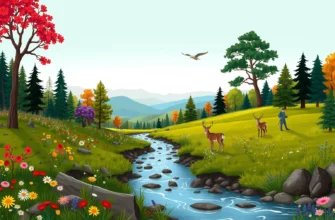
Rewilding represents a fundamental departure from the way we have historically interacted with the environment. Instead of viewing land as something to be tamed, pruned, or actively managed, this approach prioritizes restoring natural processes to the point where nature can take care of itself.
At its core, the movement seeks to move away from human-centric control and toward a state of ecological autonomy. It is about relinquishing the steering wheel and allowing the inherent complexity of wild systems to dictate the landscape’s future.
This paradigm shift requires us to accept a degree of unpredictability. While traditional conservation often aims for a specific “frozen” state of a landscape, rewilding embraces dynamic change and the chaotic beauty of self-sustaining ecosystems.
Rewilding in Biology: Restoring Trophic Interactions
In a biological context, the definition of rewilding focuses heavily on the restoration of functional ecosystems through the reintroduction of missing links. It is not merely about increasing the number of individual animals, but about re-establishing the complex web of interactions that drive biological diversity.
Central to this biological framework is the concept of trophic cascades. When we return keystone species—such as apex predators or ecosystem engineers like beavers—to a habitat, they trigger a downward ripple effect that benefits the entire ecosystem function.
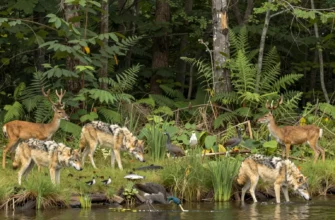
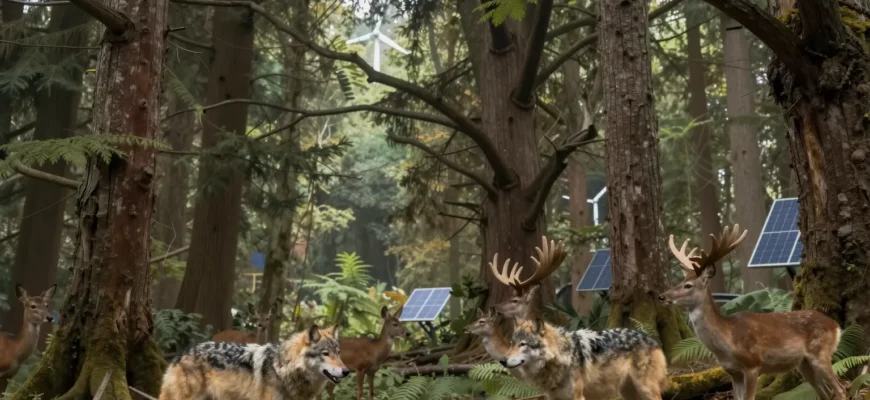
For example, reintroducing wolves does more than control deer populations; it changes herbivore behavior, which allows overgrazed vegetation to recover, eventually providing new habitats for birds, insects, and small mammals. This systemic recovery is what separates true biological rewilding from simple reforestation projects that often lack these critical interactions.
Rewilding vs. Traditional Conservation: Key Differences
Understanding the distinction between these two approaches is vital for modern environmental policy. While traditional conservation focuses on protecting what remains or restoring it to a specific historical baseline, rewilding looks forward to a future where nature operates without a human blueprint.
Conservation often involves ongoing labor—weeding, mowing, culling, and planting—to maintain a specific habitat type. Rewilding, conversely, aims to reduce human interference until the land becomes self-willed.
| Feature | Traditional Conservation | Rewilding Approach |
|---|---|---|
| Primary Goal | Preservation of specific species or habitats. | Restoration of natural processes and autonomy. |
| Human Role | Active manager, gardener, and protector. | Facilitator who eventually steps away. |
| Ecosystem State | Often static or managed to a historical date. | Dynamic, changing, and unpredictable. |
| Management Style | Prescriptive and interventionist. | Process-led and hands-off. |
The Core Pillars of Ecological Non-Intervention
The concept of rewilding as a hands-off strategy is rooted in the belief that nature possesses an inherent intelligence. Human non-intervention is critical because our attempts to “fix” nature often lead to unforeseen imbalances or the loss of genetic resilience.
To achieve true wildness, we must move toward natural landscape management that favors spontaneous recovery. This might involve removing obsolete dams to allow rivers to find their own path or stopping the artificial drainage of wetlands to let the water table rise naturally.
By stepping back, we allow the land to develop its own structural complexity. This lack of a human-designed endpoint is essential for fostering ecosystems that are resilient to climate change and external shocks.
The Roots of the Movement: Origins and Pleistocene Ambitions
The term “rewilding” was first coined in the 1990s by conservationists Michael Soulé and Reed Noss. They envisioned a strategy based on “the three Cs”: Cores, Corridors, and Carnivores, emphasizing large protected areas connected by wildlife passages.
Since then, the movement has expanded into more radical territories, most notably the idea of mimicking ancient ecosystems. This historical perspective suggests that modern landscapes are ecologically “hollow” because they lack the megafauna that shaped them for millions of years.
This lineage of thought has led to a global discussion on how deep our restoration efforts should go. Is it enough to return to the 1800s, or should we look back much further to the era before the heavy hand of human expansion?
Restoring Land to its Pre-Human State
Pleistocene rewilding is a bold philosophy that seeks to recreate the ecological roles of extinct megafauna from the last ice age. Proponents argue that many plants and trees evolved specifically to interact with massive herbivores like mammoths and giant sloths.
Because these animals are extinct, this strategy often uses “proxy” species. For instance, in the Siberian “Pleistocene Park,” Bison and horses are used to transform mossy tundra back into high-productivity grasslands, which helps keep the permafrost frozen and traps carbon.
Critics, however, worry about the risks of introducing non-native species and argue that we should focus on extant native wildlife. Regardless of the controversy, the role of megafauna is undeniable; large animals are the “landscape architects” that maintain open forests and fertile soils.
The Human Factor: What Does a Rewilding Facilitator Do?
While the goal is a hands-off approach, getting there often requires an initial phase of human guidance. A rewilding facilitator serves as a bridge between degraded landscapes and the return of natural autonomy.
This role is less about being a gardener and more about being a strategist. They identify the bottlenecks—such as physical barriers or missing biological components—that prevent nature from recovering on its own.
- Barrier Removal: Identifying and dismantling fences, dams, and redundant infrastructure.
- Species Reintroduction: Carefully selecting and releasing keystone species to kickstart trophic interactions.
- Community Engagement: Working with local residents to ensure the return of wildness is economically and socially beneficial.
- Monitoring: Observing the landscape’s response to changes without feeling the need to correct every “messy” development.
- Policy Advocacy: Pushing for legal frameworks that recognize the value of unmanaged, wild land.
Integrating Nature into Design and Education
The influence of Peter Bauer has significantly shaped the definition of rewilding by bringing it into the human sphere. His work emphasizes rewilding as a personal and educational journey, focusing on the skills and mindsets needed to live in harmony with wild systems.
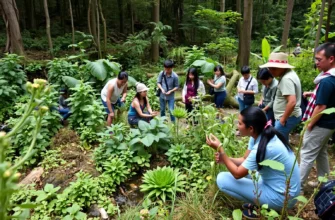
This has led to the rise of the rewilding school, where students learn “wildcrafting” and deep nature connection. It isn’t just about the land; it is about rewilding the human spirit and breaking our psychological dependence on controlled environments.
In the realm of design, these principles are being used to create urban spaces that facilitate natural recovery. Modern rewilding design involves creating “leaky” urban boundaries where wildlife can migrate through corridors, integrating native flora into architecture to support local pollinators.
Global Perspectives: Rewilding in Europe and Beyond
The application of these concepts varies wildly depending on local geography and socio-economic history. In Europe, the focus is often on reclaiming abandoned farmland where the rural exodus has left vast tracts of land open for nature’s return.
Conversely, in tropical regions, the focus might be on preventing the fragmentation of existing rainforests. The geographic context dictates whether the priority is reintroducing predators or simply protecting the “connective tissue” of the landscape.
Global initiatives are proving that this is not just a Western trend. From the plains of Argentina to the forests of Southeast Asia, diverse cultures are finding their own ways to bring back the wild.
Geographic Variations in Reclaiming Wild Spaces
The organization Rewilding Europe has been a pioneer in demonstrating that nature restoration can be a viable economic engine for rural communities. By promoting wildlife tourism and carbon sequestration, they prove that wild land can be more valuable than marginal agriculture.
In Indonesia, the term “rewilding adalah” (rewilding is) often refers to the rehabilitation and release of orangutans and the protection of peatlands. Here, the success of a project is dictated by the ability to balance high-density biodiversity with the needs of local forest-dwelling communities.
Geography also determines the scale of the “wild.” In smaller countries, rewilding might look like a series of interconnected “mini-forests” and river restorations, whereas in North America or Russia, it can involve millions of hectares of contiguous wilderness.
Common Misconceptions About Returning Animals to the Wild
One of the most frequent points of confusion is the difference between releasing a captive animal and the process of rewilding. Simply letting an animal go is not rewilding; true rewilding ensures the animal has the behaviors and genetic traits to survive and contribute to the ecosystem.
There is a biological complexity to this process that is often overlooked. When an animal is “rewilded,” it must re-learn how to hunt, forage, and avoid predators without human assistance.
Myth: Rewilding is just about “letting it go” and seeing what happens.
Fact: Successful rewilding requires rigorous scientific planning to ensure species have the genetic diversity and learned behaviors needed for long-term survival.
Genetic Resilience and Species Recovery
The meaning of rewilding genes refers to the effort to restore the genetic health of a population. Many endangered species have suffered from “bottlenecks,” where low genetic diversity makes them vulnerable to disease and climate shifts.
Conservationists now look at how they can introduce “wilder” genetic traits back into these populations. For example, cross-breeding captive-bred animals with their wilder relatives can boost immunity and adaptive behaviors.
When we ask what it is called when an animal is rewilded, we are looking at a process of “naturalization.” This transition is successful when the animal no longer relies on human supplemental feeding and begins to reproduce successfully in the wild, thereby contributing its genes to the future of the species.
The Future of Rewilding: A Path Forward for Conservation
As we move deeper into the 21st century, rewilding is evolving from a niche interest into a mainstream environmental strategy. It is increasingly recognized as a cost-effective tool for carbon sequestration and flood mitigation.
The future of the movement lies in its ability to scale. We are moving toward a world where wild corridors will span across national borders, allowing for the massive migrations that many species need to survive a changing climate.
- Climate Resilience: Wild ecosystems are better at absorbing carbon and managing extreme weather.
- Economic Vitality: Nature-based economies provide sustainable jobs in ecotourism and land restoration.
- Human Wellbeing: Access to wild spaces has been scientifically proven to improve mental health and community cohesion.
Summarizing the Core Concept of Rewilding
At its simplest, rewilding is the act of giving nature the space and the tools to heal itself. It is a humble admission that we do not have all the answers and that the earth’s natural systems are far more efficient at maintaining balance than we are.
The long-term value of this approach for planetary health cannot be overstated; By securing the future of keystone species and restoring the integrity of our landscapes, we are ultimately securing our own future as part of a vibrant, living world.
Expert Perspective: On Ecological Autonomy
In my professional experience working on landscape restoration, I have found that the greatest obstacle to rewilding isn’t the ecology—it’s the human desire for control. I always advise land managers that the most successful projects are the ones where we spend more time removing barriers than we do adding new ones. I’ve seen millions of dollars wasted on “managed” forests that lack the resilience of a single acre allowed to go wild. In my view, rewilding isn’t about fixing nature; it is about removing the fences, dams, and mindsets that prevent nature from fixing itself. We must learn to value the “messiness” of a fallen tree or a flooded meadow, as these are the signs of a system coming back to life.
Frequently Asked Questions
Rewilding is the process of restoring natural processes and wilderness areas by stepping back and allowing nature to manage itself without constant human intervention.
How does rewilding differ from traditional land restoration?
Unlike traditional restoration, which often aims for a specific human-designed endpoint, rewilding focuses on ecosystem autonomy and has no fixed final state.
Who is Peter Bauer and what is his role in the rewilding movement?
Peter Bauer is a prominent figure who focuses on rewilding humans and the philosophical connection between people and the wild through education and wildcrafting.
What is Pleistocene rewilding?
It is the practice of reintroducing modern species that act as ecological proxies for extinct megafauna to restore ancient ecosystem functions.
What does it mean to rewild genes?
Rewilding genes involves increasing the genetic diversity and wild traits of a population to improve their resilience and ability to survive without human help.
Can rewilding happen in urban areas?
Yes, through rewilding design that incorporates wildlife corridors, native plantings, and “leaky” boundaries that allow natural processes to exist within cities.