- Why the Edge Theory Cold Plunge is Redefining Portable Recovery
- Unboxing the Performance: Chiller Tech and Durability
- Battle of the Tubs: Edge vs. Recoverex‚ Culture‚ and Nu Cold Plunge
- Finding Your Fit: Which Brand Matches Your Lifestyle?
- The Reddit-Approved Budget Route: Feed Troughs and Pond Shield Hacks
- Sealing the Deal: Using Pond Shield on Stock Tanks
- The Natural High: Understanding the Science and the JRE Influence
- The Dopamine Spike and Mental Clarity
- Safety Protocols: Who Should Not Cold Plunge?
- Recognizing the Risks of Cold Shock
- Maintenance Mastery: Keeping Your Framework and Water Pristine
- Water Chemistry 101 for Ice Baths
- Expert Perspective: The Sports Physiologist’s View
- Frequently Asked Questions
Why the Edge Theory Cold Plunge is Redefining Portable Recovery
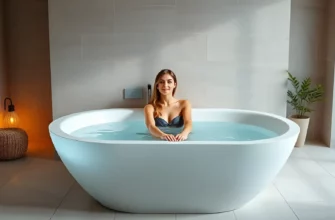
The landscape of athletic recovery has shifted from occasional ice bags in a bathtub to dedicated‚ high-performance machinery. Leading this charge is the Edge Theory cold plunge‚ a system that has gained traction not just for its cooling capabilities‚ but for its sheer convenience. It bridges the gap between bulky‚ permanent installations and flimsy‚ inflatable pods that fail to maintain consistent temperatures.
What sets this brand apart is the integration of commercial-grade components into a package that fits in the trunk of a car. Most users are drawn to the “set it and forget it” nature of the system. You are no longer tethered to the local gas station’s ice supply‚ which‚ as many enthusiasts know‚ becomes an expensive and logistical nightmare when trying to maintain a daily practice.
The popularity of this specific setup stems from its ability to solve the three biggest hurdles in cold therapy: water cleanliness‚ temperature precision‚ and setup time. By addressing these pain points‚ the brand has moved beyond being a niche tool for professional athletes and into the home wellness sanctuaries of biohackers and fitness enthusiasts alike.
Unboxing the Performance: Chiller Tech and Durability
The heart of the Edge Theory system is its 0.8 HP chiller unit‚ which stands as a significant upgrade over the standard 1/4 or 1/2 HP motors found in budget-tier competitors. This extra horsepower is not just about reaching low temperatures; it is about thermal regulation efficiency. In high-ambient heat environments‚ such as a garage in July‚ a weaker motor will run continuously‚ spiking your electricity bill and shortening the lifespan of the compressor. The 0.8 HP unit handles these loads with ease‚ often reaching the target 37-45 degree range in a fraction of the time.
Durability is handled through a high-pressure‚ drop-stitch frame. If you have ever used a high-end stand-up paddleboard‚ you are familiar with this technology. Thousands of polyester threads connect the top and bottom layers‚ allowing the tub to be inflated to a rock-hard 10-12 PSI. This provides a rigid structure that you can sit on the edge of without it collapsing‚ yet it remains lightweight enough to deflate and pack into a backpack. For athletes who travel for competitions‚ portable ice bath durability is the primary factor that justifies the premium price point.
Setup is remarkably intuitive‚ requiring no tools or permanent plumbing. The quick-connect hoses use a double-o-ring seal to prevent leaks‚ a common fail point in DIY builds. From the moment you unzip the carry bag‚ you can have the tub inflated‚ the chiller connected‚ and the water filling in under 15 minutes. This ease of use ensures that the barrier to entry for your daily plunge remains as low as possible‚ fostering the consistency needed for long-term physiological adaptations.
Battle of the Tubs: Edge vs. Recoverex‚ Culture‚ and Nu Cold Plunge
Choosing a cold plunge in 2026 is increasingly difficult due to the sheer volume of “white-label” brands entering the market. While many tubs look identical on the surface‚ the internal components—specifically the pumps and filtration manifolds—vary wildly. The following comparison highlights how the Edge Theory stacks up against other major players in the industry.
| Feature | Edge Theory Labs | Recoverex | Culture Cold Plunge | Nu Cold Plunge |
|---|---|---|---|---|
| Chiller Power | 0.8 HP (High Efficiency) | 0.5 HP (Standard) | 1.0 HP (Premium Option) | 0.4 HP (Entry Level) |
| Tub Material | Military-grade Drop-stitch | Inflatable PVC | Reinforced Acrylic/Wood | Basic Inflatable |
| Filtration | 20-Micron + Ozone | Standard Paper Filter | Advanced UV + Ozone | Internal Mesh only |
| Portability | High (Includes Backpack) | Moderate | Low (Stationary) | Very High |
| Price Point | Premium ($4‚500+) | Mid-range ($2‚500+) | Luxury ($6‚000+) | Budget ($1‚200+) |
Finding Your Fit: Which Brand Matches Your Lifestyle?
If you are looking for a minimalist design that prioritizes aesthetics‚ the Recoverex often wins out. It features a sleek‚ monochromatic look that fits well in modern home gyms. However‚ it typically lacks the rapid cooling speeds of the Edge. For those who want a top rated chiller that can handle back-to-back sessions for multiple people‚ the Culture Cold Plunge is a powerhouse. Its larger footprint and wooden siding make it a permanent fixture rather than a portable tool‚ catering to the “wellness sanctuary” crowd.
The Nu Cold Plunge is the best cold plunge for small spaces or for those who are just testing the waters of motorized chilling. While it is more affordable‚ the lower horsepower means it will struggle in outdoor settings or during heatwaves. When assessing value for money ice baths‚ you must consider the “cost per degree.” A cheaper unit that cannot get below 50 degrees fails the primary objective of cold water immersion. Always prioritize a chiller that can maintain at least 45 degrees Fahrenheit consistently‚ regardless of the external environment.
The Reddit-Approved Budget Route: Feed Troughs and Pond Shield Hacks
For the DIY enthusiast‚ the “Stock Tank” method remains the gold standard for high-volume‚ low-cost recovery. This approach‚ heavily popularized by the Reddit community‚ involves repurposing a galvanized steel livestock waterer into a professional-grade plunge. The main challenge with metal tanks is preventing rust and ensuring the water stays sanitary without a built-in filtration system.
- Select Your Tank: Purchase a 100 or 150-gallon galvanized steel feed trough (brands like Hastings or Tarter are common). Ensure the drain plug is accessible and not damaged.
- Surface Preparation: Before applying any coating‚ you must remove the zinc coating oils. Wipe the interior with white vinegar or a mild acid etch to ensure the sealant adheres to the metal.
- Applying the Sealant: Use Pond Shield‚ a non-toxic‚ food-safe epoxy. Mix the resin and hardener in small batches‚ as it sets quickly. Apply two thin coats rather than one thick one to avoid sagging.
- Plumbing the Chiller: Drill two holes (inlet and outlet) using a hole saw. Install 3/4 inch bulkhead fittings. Use Teflon tape on all threads to prevent leaks and rust in the future.
- Filtration Setup: Connect a standard 110V pond pump to a canister filter. This will keep the water moving‚ which prevents algae growth and ensures the “thermal layer” doesn’t insulate your body from the cold.
Sealing the Deal: Using Pond Shield on Stock Tanks
The most common mistake in DIY builds is poor epoxy application. When you seal a stock tank‚ the environmental conditions must be perfect. If the humidity is too high‚ the Pond Shield will blush or become cloudy‚ which compromises the waterproof seal. Aim for a dry day with temperatures between 60 and 80 degrees Fahrenheit. If you see bubbles forming during the application‚ use a heat gun or a hair dryer to gently pop them‚ ensuring a smooth‚ glass-like finish that is easy to clean.
To truly elevate a DIY tub‚ consider adding an external chiller. Many users repurpose 1/2 HP aquarium chillers‚ but be warned: these are designed to maintain temperature‚ not drop it rapidly. For a 100-gallon tank‚ you will need a unit rated for at least 300 gallons to see a meaningful temperature drop in a reasonable timeframe. Using a diy ice bath liner or heavy-duty epoxy is non-negotiable if you plan to use salt or chlorine-based cleaners‚ as these chemicals will eat through raw galvanized steel in months.
The Natural High: Understanding the Science and the JRE Influence
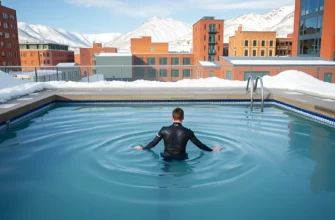
The sudden explosion of interest in ice baths isn’t just a social media trend; it is rooted in profound biological responses. Public figures like Joe Rogan and Wim Hof have brought the “JRE cold plunge” into the mainstream‚ but the underlying science is what keeps people coming back. When you submerge your body in 40-degree water‚ your system enters a state of controlled stress that triggers a massive hormonal release.
The most notable effect is the 250% increase in baseline dopamine levels. Unlike the “spike and crash” associated with caffeine or sugar‚ the dopamine release from cold exposure is sustained‚ often lasting for several hours. This is why many practitioners describe a feeling of natural energy boost and intense mental clarity that persists well into the afternoon. This isn’t just “feeling good”; it is a recalibration of your reward system and a strengthening of the vagus nerve.
The Dopamine Spike and Mental Clarity
The “cold shock response” is a survival mechanism. As your skin temperature drops‚ your body releases norepinephrine—a hormone and neurotransmitter that increases focus and alertness. Research has shown that even short bouts of immersion can increase norepinephrine levels by 200-300%. This chemical cocktail is what drives the improving mental focus reported by high-performance executives and athletes. By voluntarily stepping into the cold‚ you are training your prefrontal cortex to remain calm while your autonomic nervous system is screaming for you to leave.
Beyond the brain‚ the cold water therapy science points to significant metabolic benefits. Cold exposure activates “brown adipose tissue” (BAT)‚ or brown fat. Unlike white fat‚ which stores energy‚ brown fat burns calories to generate heat (thermogenesis). Regular plunging can increase your metabolic rate and improve insulin sensitivity‚ making it a powerful tool for body composition management. It is a full-body reset that forces your mitochondria to work more efficiently.
Safety Protocols: Who Should Not Cold Plunge?
While the benefits are numerous‚ cold water immersion is a significant stressor on the cardiovascular system. It is not suitable for everyone. The sudden vasoconstriction (narrowing of blood vessels) causes an immediate and sharp rise in blood pressure and heart rate. For a healthy individual‚ this is a “workout” for the veins; for someone with underlying issues‚ it can be catastrophic.
- Heart Conditions: Anyone with a history of arrhythmias‚ heart disease‚ or high blood pressure must consult a cardiologist. The “cold shock” can trigger a heart attack in vulnerable individuals.
- Raynaud’s Disease: This condition causes extreme sensitivity to cold‚ leading to severe pain and potential tissue damage in the fingers and toes.
- Pregnancy: The rapid shift in core temperature and the stress response are generally discouraged for pregnant women.
- The Afterdrop: To stay safe‚ never jump into a hot shower immediately after a plunge. This causes peripheral blood vessels to dilate too quickly‚ sending cold blood back to the heart and causing your core temperature to drop further‚ which can lead to fainting.
- Plunging Alone: Especially when starting out‚ always have a spotter or someone nearby. Shallow water blackouts are rare but possible due to hyperventilation.
Recognizing the Risks of Cold Shock
The first 30 to 60 seconds of a plunge are the most dangerous. This is the period of “gasping” and potential panic. Learning to control your breath—shifting from rapid chest breathing to slow‚ nasal‚ diaphragmatic breathing—is the key to avoiding hypothermia and managing the heart rate during cold plunging. If you cannot regain control of your breath within a minute‚ the water is too cold for your current level of acclimation. Gradually lower the temperature over several weeks rather than trying to hit 39 degrees on your first attempt.
Always keep an eye on your skin color. While redness (vasodilation) is normal once you exit‚ a waxy white or blue tint while in the water is a sign of impending frostnip or stage-one hypothermia. Listen to your body‚ not the timer. The “ego-plunge” is the leading cause of injury in this community. Staying in for 2 minutes at 45 degrees is infinitely more beneficial than staying in for 10 minutes and suffering from a core temperature crash.
Maintenance Mastery: Keeping Your Framework and Water Pristine
Whether you own a TCI cold plunge‚ a Rosco‚ or an Edge Theory unit‚ the water inside is a living ecosystem. Without proper maintenance‚ it will become a breeding ground for bacteria and biofilm. A framework cold plunge requires a multi-layered approach to sanitation: mechanical filtration‚ chemical balance‚ and biological sterilization.
- Mechanical: Change your 20-micron pleated filter every 2-4 weeks. If the water flow from the chiller slows down‚ the filter is likely clogged with skin cells and oils.
- Biological: Utilize Ozone or UV-C light. Most high-end chillers have built-in ozone generators that break down organic matter. If yours doesn’t‚ you may need to add a food-grade sanitizer.
- Chemical: Avoid harsh chlorine if possible‚ as it can degrade the seals in your chiller. Use an oxidizer like hydrogen peroxide (35% food grade) at a ratio of 1/2 cup per 100 gallons weekly to clean ice bath water effectively.
- Physical: Use a simple pool skimmer net daily to remove hair or debris. This prevents the pump from straining and extends the life of your maintaining your chiller routine.
Water Chemistry 101 for Ice Baths
Algae prevention is the biggest hurdle for outdoor setups. Algae thrives on sunlight and organic “food” like sweat. To prevent this‚ always keep the tub covered with an insulated lid when not in use. This serves two purposes: it blocks the UV light that algae needs to grow and it keeps the chiller from having to work overtime to fight the sun’s heat. If the water feels “slimy” to the touch‚ you have a biofilm buildup. At this point‚ it is best to drain the tub‚ scrub the interior with a mild soap‚ and start fresh;
Sediment often settles at the bottom of the tub‚ out of reach of the filtration intake. A small‚ manual underwater vacuum (like those used for spas) is an essential tool for algae prevention in cold tubs. By removing the “food” at the bottom‚ you significantly reduce the workload on your ozone generator. Remember‚ the cleaner you are when you enter the tub‚ the longer the water will last. A 30-second rinse in a regular shower before you plunge can double the lifespan of your water.
Expert Perspective: The Sports Physiologist’s View
In my professional experience working with elite athletes‚ the biggest mistake is the pursuit of “colder is better.” I always advise clients to aim for the Minimum Effective Dose. Current research‚ particularly from the Soeberg Principle‚ suggests that just 11 minutes of total cold exposure per week is sufficient to trigger metabolic and hormonal benefits. This should be broken into 2-4 sessions. Staying in until you are shivering uncontrollably is an ego-driven mistake that can lead to extreme muscle soreness or neural fatigue. Treat the Edge Theory tub as a precision instrument‚ not a test of toughness. Consistency over intensity is what builds the long-term resilience you are looking for.
Frequently Asked Questions
Yes‚ for most users. While a DIY feed trough is cheaper‚ Edge Theory provides integrated 20-micron filtration and a 0.8 HP chiller that maintains precise temperatures. DIY setups often require manual ice hauling or complex plumbing work that can lead to leaks and inconsistent cooling.
Who should avoid cold plunging entirely?
Individuals with cardiac arrhythmias‚ untreated high blood pressure‚ or Raynaud’s disease should avoid cold plunging. Pregnant women and those with severe cold urticaria (hives) should also consult a physician before attempting any form of cold water immersion.
How long should I stay in an ice bath to see results?
You should aim for a weekly total of 11 minutes‚ as recommended by Dr. Susanna Soeberg and popularized by Andrew Huberman. This is most effective when split into sessions of 2 to 5 minutes at temperatures between 40 and 50 degrees Fahrenheit.
What is the best way to seal a feed trough for cold plunging?
The gold standard is Pond Shield epoxy. It is a non-toxic‚ food-safe coating that prevents the galvanized steel from rusting and provides a smooth surface that is easy to sanitize. Proper surface etching with vinegar is required before application.
Why does cold plunging feel like a natural high?
The “high” is caused by a massive release of dopamine (up to 250%) and norepinephrine. This is the body’s physiological response to the “cold shock‚” resulting in sustained mental clarity and elevated mood that can last for several hours after exiting the tub.
Can I use a regular pool chiller for my cold plunge framework?
Most standard pool chillers are designed to drop water by only 10-15 degrees and cannot reach the 39-45 degree range required for cold therapy. You need a dedicated high-delta chiller (at least 1/2 HP or 1 HP) specifically designed for ice baths.