- Why Caroline Fraser’s Dispatches from the Conservation Revolution Define a New Era
- The North American Vision: From Yellowstone to the Yukon
- Restoring the Blue Frontier: How to Save Our Oceans through Marine Rewilding
- Beyond Protection: Active Recovery of Marine Biodiversity
- The Audacious Plan for Rewilding Every City on Earth
- Ultrawilding: Turning Skyscrapers into Living Ecosystems
- Removing Dams and Recovering Lost Rivers: The Salmon’s Return
- Revitalizing Communities Through Riparian Repair
- Practical Magic: 23 Spellbinding Ways to Rewild Your Life and Land
- The Blessing of the Bees: Transforming Private Property
- The Promise of a Raucous Future: Why We Need More Wonder
- For More Wonder: The Psychological Shift of Rewilding
- Expert Perspective: The Self-Willing Nature of Rewilding
- Frequently Asked Questions
Why Caroline Fraser’s Dispatches from the Conservation Revolution Define a New Era
The traditional model of nature conservation has long relied on a “fortress” mentality‚ attempting to protect isolated pockets of wilderness from human interference. Caroline Fraser’s work marks a pivotal shift in this narrative‚ moving from the passive preservation of what remains to the active restoration of what has been lost.
This paradigm shift focuses on the “Three Cs”: Cores‚ Corridors‚ and Carnivores. By understanding that nature cannot thrive in fragmented silos‚ Fraser highlights how large-scale ecological repair requires connecting isolated habitats to allow for genetic flow and species migration.
The North American Vision: From Yellowstone to the Yukon
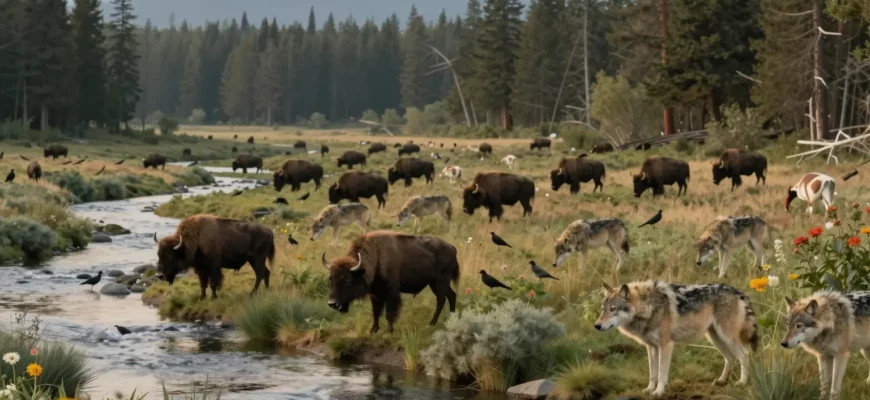
The Yellowstone to Yukon (Y2Y) initiative represents one of the most ambitious examples of landscape-scale conservation in the world. Stretching over 2‚000 miles‚ this project aims to create a continuous corridor for wildlife‚ ensuring that species like grizzly bears and wolves can roam without the constant threat of human-wildlife conflict or habitat fragmentation.
Fraser documents how these transboundary efforts require unprecedented cooperation between governments‚ indigenous communities‚ and private landowners. The success of Y2Y demonstrates that protecting a single park is insufficient; we must manage the entire matrix of the landscape to prevent local extinctions.
Landscape connectivity is not just about physical space; it is about restoring the functional roles of species. When large carnivores move through these corridors‚ they regulate prey populations and trigger trophic cascades that benefit everything from vegetation density to songbird diversity.
Restoring the Blue Frontier: How to Save Our Oceans through Marine Rewilding
While much of the rewilding conversation focuses on terrestrial landscapes‚ our oceans are undergoing a similar transformation. Marine rewilding goes beyond simply stopping fishing; it involves the active recovery of degraded underwater ecosystems like seagrass meadows and oyster reefs.
The return of apex predators to the ocean‚ such as sharks and whales‚ plays a fundamental role in nutrient cycling. Whales‚ for instance‚ act as “nutrient pumps‚” bringing minerals from the deep sea to the surface‚ which stimulates the growth of phytoplankton—the literal lungs of our planet.
| Feature | Traditional Marine Protection | Active Marine Rewilding |
|---|---|---|
| Primary Goal | Preventing further damage via “No-Take” zones. | Restoring lost species and ecological functions. |
| Human Role | Observation and enforcement of boundaries. | Seeding kelp forests and reintroducing keystone species. |
| Ecosystem Impact | Slow stabilization of existing populations. | Rapid recovery of biodiversity and carbon sequestration. |
| Carbon Strategy | Passive protection of existing stocks. | Maximizing blue carbon through seagrass and whale recovery. |
Beyond Protection: Active Recovery of Marine Biodiversity
Active marine rewilding focuses on the “Blue Carbon” potential of our coastal waters. Seagrasses‚ though covering less than 0.2% of the ocean floor‚ are responsible for sequestering up to 10% of the ocean’s organic carbon annually‚ making them 35 times more efficient than tropical rainforests at capturing CO2.
Trophic cascades in the ocean are equally profound. In the North Pacific‚ the presence of sea otters keeps sea urchin populations in check; without otters‚ urchins clear-cut kelp forests‚ leading to “urchin barrens” that support very little life. Rewilding marine environments means restoring these delicate predator-prey balances to ensure the entire system remains resilient.
The Audacious Plan for Rewilding Every City on Earth
The concept of “Ultrawilding” challenges the notion that cities are biological deserts. By integrating nature directly into the urban fabric‚ we can transform concrete jungles into vibrant biodiversity hotspots that provide essential ecosystem services to human residents.
Urban rewilding is not just about planting trees; it is about radical engineering. Using vertical forests and biodiverse rooftops can reduce the urban heat island effect by as much as 8 degrees Celsius‚ significantly lowering energy demands for cooling.
Ultrawilding: Turning Skyscrapers into Living Ecosystems
Steve Mushin’s visionary approach to urban rewilding involves rethinking every surface of a city. Imagine skyscrapers wrapped in “living skins” that filter pollutants from the air while providing nesting sites for migratory birds. These interventions create “stepping stones” for wildlife‚ allowing species to move through urban environments rather than being blocked by them.
The psychological benefits are equally significant. Research consistently shows that increased exposure to urban nature reduces cortisol levels and improves cognitive function in city dwellers. Rewilding cities is as much a public health initiative as it is an environmental one.
By prioritizing urban biodiversity‚ we can mitigate the effects of extreme weather. Permeable “sponge city” designs use restored wetlands and green spaces to absorb rainwater‚ preventing the catastrophic flooding that often plagues paved urban centers.
Removing Dams and Recovering Lost Rivers: The Salmon’s Return
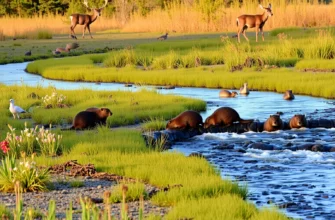
Rivers are the circulatory system of the planet‚ but for decades‚ we have choked them with thousands of unnecessary dams. Removing these barriers is perhaps the fastest way to trigger an ecological explosion‚ as seen in the historic removals on the Elwha and Klamath rivers.
When a dam is removed‚ the river immediately begins to move sediment that has been trapped for a century. This sediment creates new spawning beds for fish and restores the delta ecosystems at the river’s mouth‚ providing critical habitat for coastal species.
- Pre-Removal Assessment: Engineers and biologists map sediment toxicity and fish migration patterns.
- Controlled Breaching: The dam is dismantled in stages to manage the “pulse” of water and silt.
- Channel Self-Correction: The river naturally carves its original path‚ scouring out deep pools and gravel beds.
- Spontaneous Revegetation: Native seeds trapped in the mud or brought by birds begin to grow on the newly exposed banks.
- Anadromous Return: Species like salmon return to ancestral spawning grounds within months‚ often traveling hundreds of miles inland.
Revitalizing Communities Through Riparian Repair
The return of salmon is a cultural and economic catalyst. For indigenous populations‚ the restoration of a lost river is a restoration of heritage and food sovereignty. The influx of nutrients brought by salmon—who die after spawning—literally fertilizes the surrounding forests‚ as nitrogen from the ocean is spread by bears and eagles.
Healthy river systems also provide massive economic benefits through recreation and improved water quality. By removing obsolete dams‚ communities often save money on maintenance and liability while gaining a resilient natural asset that protects against both drought and flood.
Practical Magic: 23 Spellbinding Ways to Rewild Your Life and Land
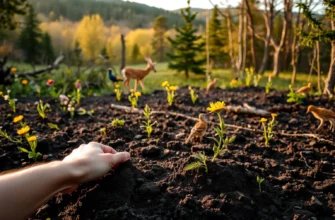
Rewilding is not just for billionaires or government agencies; it starts in backyards and community gardens. By changing how we manage our private property‚ we can create a patchwork of habitat that supports local food webs.
The shift from a manicured lawn to a “wilded” space is a move toward ecological productivity. A single native oak tree can support over 500 species of caterpillars‚ which in turn feed the entire local bird population during the nesting season.
- Stop using pesticides and herbicides: These chemicals collapse the base of the food chain by killing essential insects.
- Plant native species only: Local wildlife has evolved specifically to use native plants for food and shelter.
- Leave the leaves: Overwintering insects‚ including many butterfly species‚ need leaf litter to survive the cold.
- Install a water feature: Even a small solar-powered birdbath can be a lifeline for birds and pollinators.
- Reduce outdoor lighting: Light pollution disrupts the navigation and breeding cycles of nocturnal insects and birds.
- Adopt a plant-based diet: Reducing meat consumption is the single most effective way to free up land for global rewilding efforts.
The Blessing of the Bees: Transforming Private Property
Creating “soft landings” for insects is a critical part of rewilding your land. Many bees and moths pupate in the soil beneath the trees they feed on. If that soil is covered in thick turf grass or frequently mowed‚ those insects cannot complete their life cycle. Replacing grass with native groundcovers ensures these pollinators thrive.
The impact of these small changes is cumulative. When entire neighborhoods participate in native gardening‚ they create a functional corridor that allows wildlife to navigate the suburbs. Your backyard becomes a vital link in a larger chain of biodiversity recovery.
The Promise of a Raucous Future: Why We Need More Wonder
George Monbiot’s philosophy of rewilding is centered on the idea of “wonder.” He argues that we have lived in a world of ecological silence for too long‚ and that rewilding offers a way to bring back the “raucous” nature of a healthy planet.
This is not about returning to a specific point in the past‚ but about allowing nature to decide its own future. Rewilding is the surrender of human control in favor of ecological autonomy‚ where natural processes—not human management—shape the landscape.
For More Wonder: The Psychological Shift of Rewilding
The psychological shift required for rewilding is profound. It asks us to move from being the “managers” of nature to being its partners. Instead of viewing a fallen tree as a mess to be cleared‚ we must see it as a “deadwood” habitat that will support thousands of fungi‚ beetles‚ and birds.
This “raucous future” is one of unpredictability and excitement. A world with more wildness is a world that is more resilient to climate change and more fulfilling for the human spirit. By making space for the wild‚ we are ultimately making space for our own survival and well-being.
Expert Perspective: The Self-Willing Nature of Rewilding
In my professional experience‚ the most difficult aspect of rewilding for people to grasp is the concept of “self-willing” land. I always advise practitioners to resist the urge to “fix” every problem they see in a restored plot. True rewilding is achieved when we step back and allow natural processes like flooding‚ fire‚ and predation to take the lead. This requires a fundamental shift in our ego; we must transition from being the “gardeners” of the planet to being its humble observers. When you stop managing‚ you allow for ecological autonomy‚ which is the only way to build a truly resilient and self-sustaining ecosystem.
Frequently Asked Questions
The book emphasizes that conservation must move toward large-scale‚ interconnected corridors that allow for the return of apex predators to restore ecological balance globally.
Can rewilding really work in a densely populated city?
Yes‚ through “Ultrawilding” techniques like green roofs and vertical forests‚ cities can become essential stepping stones for wildlife and mitigate the heat island effect.
How does removing dams help rewild salmon populations?
Removing dams restores natural water flow and sediment transport‚ opening up hundreds of miles of ancestral spawning grounds for salmon to return from the ocean.
Is a vegan diet necessary for rewilding the planet?
While not strictly “necessary‚” plant-based diets are far more land-efficient‚ potentially freeing up billions of acres currently used for livestock to be restored to wild habitat.
What are the first steps to rewilding my own backyard?
The easiest steps are to stop using chemical pesticides‚ plant native species that support local insects‚ and leave “messy” areas like leaf piles for hibernation.
What does George Monbiot mean by a raucous future?
He envisions a world where ecosystems are no longer silent and depleted‚ but filled with the unpredictable noise‚ movement‚ and vibrancy of thriving wild animal populations.