- Why Rewilding Sussex is Setting the Standard for England’s Wild Future
- The South Downs and the Rise of the Rewilding Project in Sussex
- From West Sussex Estates to Community Wilding
- The Farming Today Rewilding Debate: Can Nature and Agriculture Coexist?
- Transitioning a Rewilding England Farm: Economic and Ecological Yields
- A National Tour: Exploring Rewilding Hotspots from Devon to Cumbria
- The Wild West: Rewilding Devon, Cornwall, and Dartmoor
- The North and East: From the Peak District to East Anglian Fens
- Wild Frontiers in Wales and Northern Ireland
- Taking Action: How to Buy Land for Rewilding and Start Your Own Project
- The Logistics of Buying Land for Rewilding in the UK
- Urban Wilding: Why You Don’t Need an Estate to Make a Difference
- Rewild My Street: Transforming Bristol, Manchester, and Beyond
- Common Misconceptions: Myths vs. Facts in the Rewilding Debate
- Frequently Asked Questions
Why Rewilding Sussex is Setting the Standard for England’s Wild Future
Sussex has emerged as the definitive laboratory for Britain’s ecological rebirth. While traditional conservation often focuses on “freezing” a landscape in a specific historical state, Sussex is leading the shift toward dynamic, process-led restoration.
The county is moving away from intensive land management that relies on chemical inputs and heavy machinery. Instead, we are seeing a return to natural grazing patterns and the restoration of hydrology to create self-sustaining ecosystems.
The South Downs and the Rise of the Rewilding Project in Sussex
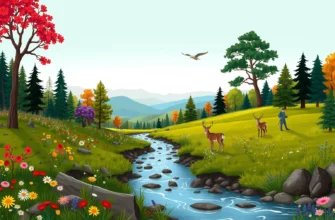
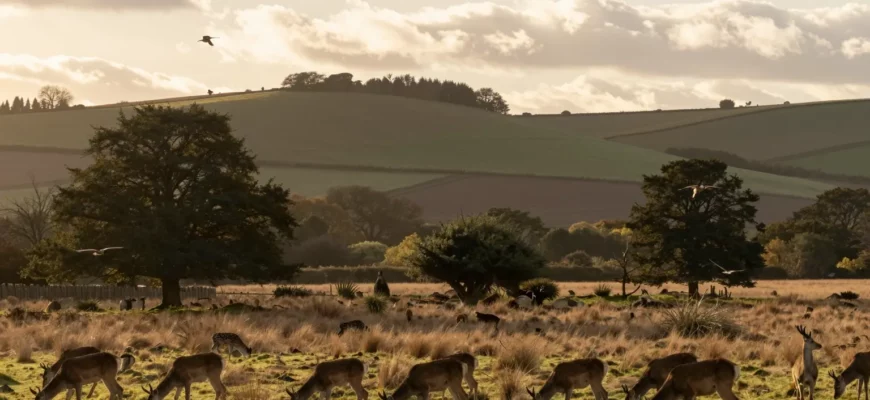
The South Downs National Park acts as a vital artery for nature recovery across the Southeast. Because the landscape has been historically fragmented by intensive arable farming, a rewilding project in Sussex today focuses heavily on connecting isolated pockets of ancient woodland and chalk grassland.
Restoring the South Downs involves more than just planting trees; it requires the reintroduction of natural disturbance. By allowing the landscape to “break” out of its neat agricultural boundaries, we facilitate the return of rare species like the Duke of Burgundy butterfly and various raptors that thrive in scrubby, transitional habitats.
A typical rewilding project in Sussex differs from old-school “fenced-off” conservation by embracing messiness. It prioritizes functional ecology over aesthetic neatness, allowing thorny scrub to act as a nursery for emerging oak forests without human interference.
From West Sussex Estates to Community Wilding
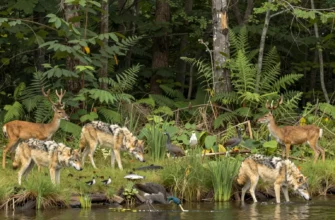
The transformation of West Sussex estates has proven that large-scale restoration is both ecologically viable and economically sound. These former “tidy” parklands are now bustling with life, demonstrating that soil health can recover rapidly when chemical fertilizers are removed and replaced by the natural dunging and hoof-action of roaming herbivores.
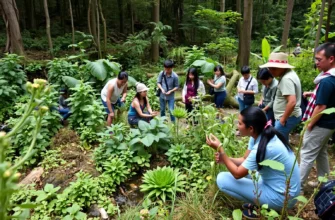
This transition from private, manicured parkland to biodiversity hotspots has sparked a cultural shift. We are seeing a move toward landscape-scale conservation where neighboring landowners collaborate to create vast, unfragmented territories for wildlife to move freely.
In West Sussex, the focus has shifted from managing individual species to restoring the underlying natural processes. This means letting rivers meander again and allowing “keystone” species to dictate the structure of the vegetation, creating a complex mosaic of habitats that no human gardener could design.
The Farming Today Rewilding Debate: Can Nature and Agriculture Coexist?
The intersection of traditional agriculture and nature recovery is often framed as a conflict, but the reality is far more nuanced. Many farmers are finding that integrating wilder areas into their land can actually improve the resilience of their core business by boosting pollinator populations and improving water retention.
While some fear the loss of productive land, others see an opportunity to move away from the “get big or get out” mentality of the last fifty years. By focusing on marginal areas that are expensive to farm, landowners can maximize ecological yields without sacrificing the most fertile soils.
| Feature | Intensive Industrial Farming | Rewilding/Regenerative Model |
|---|---|---|
| Input Costs | High (Chemicals, fuel, specialized machinery) | Significant reduction in overheads by utilizing natural processes |
| Biodiversity | Low (Monocultures and “clean” field margins) | Exponential growth in insect and bird biomass |
| Soil Health | Degrading (Erosion and loss of organic matter) | Active carbon sequestration and fungal network restoration |
| Revenue Streams | Yield-dependent (Fluctuating global markets) | Diversified (ELMS, carbon credits, eco-tourism, high-quality meat) |
Transitioning a Rewilding England Farm: Economic and Ecological Yields
Transitioning a rewilding England farm requires a shift in how we define “productivity.” Under the new “public money for public goods” model, farmers in Sussex and beyond are being incentivized to provide ecosystem services like flood mitigation and carbon storage.
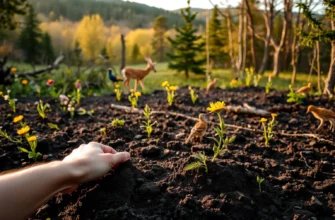
Case studies of rewilding farms in Sussex show that even a partial shift can be transformative. By taking the least productive 15% of a farm out of intensive production, a landowner can often increase the profitability of the remaining 85% through reduced input costs and higher subsidies for nature recovery.
These farms are no longer just food factories; they are becoming essential hubs for biodiversity. The introduction of hardy, low-density livestock—such as Tamworth pigs or Longhorn cattle—mimics the roles of extinct wild herbivores, creating a dynamic habitat that supports everything from dung beetles to turtle doves.
A National Tour: Exploring Rewilding Hotspots from Devon to Cumbria
The movement isn’t limited to the Southeast; it is a nationwide phenomenon with unique regional characteristics. From the temperate rainforests of the West Country to the rugged uplands of the North, the UK is slowly becoming a more connected landscape of wild spaces.
Each region faces its own set of challenges, whether it’s managing high rainfall in the West or dealing with historical peatland drainage in the East. However, the underlying principle remains the same: stepping back and letting nature take the lead.
The Wild West: Rewilding Devon, Cornwall, and Dartmoor
In Devon and Cornwall, the focus is increasingly on the restoration of temperate rainforests. These rare, high-humidity environments are capable of supporting a massive diversity of lichens, mosses, and ferns that are found nowhere else in the UK.
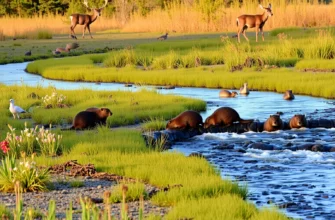
The work at Coombeshead in Devon serves as a prime example of how beaver reintroduction can radically alter a landscape. By building dams, these “ecosystem engineers” create complex wetland systems that store water during droughts and prevent downstream flooding during storms.
On Dartmoor, the challenge involves balancing traditional grazing rights with the need for more wooded cover. Restoration here isn’t about removing sheep entirely, but about adjusting grazing pressures to allow for the natural regeneration of rowan, birch, and oak in the cloughs and valleys.
The North and East: From the Peak District to East Anglian Fens
In the Peak District and Cumbria, rewilding takes on an upland character. The goal is often to restore degraded peat bogs which act as massive carbon sinks, while also encouraging the return of birds of prey and mountain hares.
Moving east, the hydrology of East Anglia and Suffolk presents a different opportunity. In these low-lying areas, rewilding often means “re-wetting” the land, breaking drainage pipes to allow the fens to return to their natural, marshy state which is vital for rare species like the bittern and the swallowtail butterfly.
This hydrological restoration is critical for climate adaptation. By allowing these areas to flood naturally, we create giant sponges that protect nearby towns and villages from the increasing threat of rising sea levels and extreme weather events.
Wild Frontiers in Wales and Northern Ireland
The rugged coastlines of Aberystwyth and Ceredigion offer immense potential for “wilder” landscapes. Here, the focus is often on coastal heathland and the restoration of native woodland that can withstand salt-laden winds, providing a refuge for choughs and rare invertebrates.
In Northern Ireland, the movement is gaining momentum as local communities recognize the link between nature recovery and water quality. Projects are emerging that focus on linking fragmented woodland across the border regions, creating corridors that allow for the migration of species in response to changing temperatures.
The goal in these regions is to move beyond small, isolated nature reserves. We are seeing the birth of Landscape Recovery projects that span thousands of acres, proving that nature recovery can be delivered at a scale that truly makes a difference for national biodiversity targets.
Taking Action: How to Buy Land for Rewilding and Start Your Own Project
For those looking to invest in the future of the British countryside, buying land for restoration is a powerful way to make a direct impact. However, it requires a strategic approach to ensure the land has the potential to revert to a wild state effectively.
Success in this field isn’t about buying the most expensive, fertile land. In fact, marginal land with lower agricultural value is often better suited for rewilding because it responds more dramatically to the removal of human intervention and is more affordable to acquire.
- Identify Marginal Land: Look for Grade 3 or 4 agricultural land. These areas are often less productive for crops but hold the highest potential for diverse habitat restoration.
- Assess Hydrology: Check for historical watercourses or areas prone to seasonal flooding. Water is the fastest way to “kickstart” biodiversity on a new site.
- Check Designations: Be aware of SSSIs (Sites of Special Scientific Interest) or AONBs (Areas of Outstanding Natural Beauty). These can provide funding opportunities but may also come with management restrictions.
- Evaluate Connectivity: Use maps to see if the land can act as a bridge between existing woods or nature reserves. Connectivity is the single most important factor for species survival.
- Secure Funding: Research the Sustainable Farming Incentive (SFI) and Biodiversity Net Gain (BNG) credits. These can provide a steady income stream to offset the costs of land acquisition.
The Logistics of Buying Land for Rewilding in the UK
When searching for a rewilding estate in West Sussex or elsewhere, it is vital to understand local planning constraints. While you don’t usually need planning permission to “let nature happen,” building infrastructure like wildlife hides or eco-tourism pods will require local authority approval.
Prospective buyers should also consider the “seed rain” from nearby ancient woodlands. If your land is adjacent to an old forest, natural regeneration will happen much faster and with more genetic diversity than if you were to plant trees by hand.
It is also wise to perform a soil health audit before purchasing. Land that has been heavily treated with persistent pesticides may take longer to recover its microbial and fungal networks, which are the hidden engines of any successful rewilding project.
Urban Wilding: Why You Don’t Need an Estate to Make a Difference
Rewilding is as much a mindset as it is a land-use strategy. You don’t need hundreds of acres in the countryside to contribute to nature recovery; our cities and towns are crucial battlegrounds for biodiversity.
Urban areas often act as heat islands, and by introducing more wild vegetation, we can naturally cool our streets and improve air quality. This “micro-rewilding” creates a network of stepping stones that allow wildlife to move through the urban jungle.
- Stop the Mow: Allow a portion of your lawn to grow long. Tall grass and “weeds” like dandelions provide essential nectar for early-season pollinators.
- Hedgehog Highways: Cut a 13cm x 13cm hole in the base of your fence. This allows hedgehogs to roam between gardens, which is vital for their survival and foraging.
- Remove Pesticides: Embrace “pests.” A healthy garden ecosystem should have aphids, which in turn feed ladybirds and hoverflies.
- Plant for Night-Pollinators: Use evening-scented flowers like honeysuckle to support moth populations, which are frequently overlooked but are critical components of the food web.
- Green the Grey: If you have no garden, use window boxes or vertical planters. Even a small patch of wildflowers in Uxbridge or Manchester can support local bee populations.
Rewild My Street: Transforming Bristol, Manchester, and Beyond
The “rewild my street” movement is gaining traction in cities like Bristol and Manchester, where residents are collectively transforming their front gardens and verges. By removing paving slabs and replacing them with permeable surfaces and native planting, communities are reducing the risk of flash flooding.
In Manchester, urban rewilding projects are focusing on the city’s industrial waterways. By creating floating reed beds, we can filter pollutants out of the water while providing nesting sites for waterfowl in the heart of the city.
In places like Bristol, the focus is often on “pollinator paths”—continuous lines of nectar-rich plants that guide bees and butterflies through the urban landscape. Every square meter of wildness counts toward the national Nature Recovery Network.
Common Misconceptions: Myths vs. Facts in the Rewilding Debate
As rewilding grows in popularity, so do the misunderstandings surrounding it. It is important to address these concerns with data-driven facts to ensure the movement remains inclusive and effective.
Myth: Rewilding is just land abandonment and will lead to an overgrown mess;
Fact: Rewilding is active management for natural processes. It often involves the careful introduction of specific grazing animals to maintain a diverse structure of vegetation. It is not about walking away; it’s about changing the goal of the management.
Myth: If we rewild our farms, we won’t be able to feed the country.
Fact: Much of the land targeted for rewilding is “marginal”—meaning it produces very little food relative to the high cost of farming it. By focusing production on the most fertile soils and restoring the ecosystem services (like pollination and soil health) on marginal land, we actually secure our long-term food security.
Myth: Rewilding means bringing back dangerous predators like wolves and bears tomorrow.
Fact: Current rewilding in the UK is almost entirely focused on herbivores (pigs, cattle, ponies) and missing “engineers” like beavers and storks. Any future reintroduction of large carnivores would require years of public consultation and a massive shift in national policy.
In my professional experience, the biggest mistake people make is thinking that a single “wild” estate is enough. I always advise landowners that nature cannot survive in isolated islands. If a species is trapped in one small woodland and a disease hits or the climate shifts, that population will blink out. To prevent this, we must build Nature Recovery Networks that link Sussex to the rest of England. My work has shown that wildlife corridors are the only way to allow for species migration in the face of climate change. We need to stop thinking about individual plots of land and start thinking about the functional connectivity of the entire British landscape.
Frequently Asked Questions
Marginal, low-grade agricultural land (specifically Grade 3 or 4) is the most viable. This land is often the most ecologically responsive and offers the best return on investment for biodiversity net gain.
How long does it take to see results in a rewilding project?
Some changes are nearly instant; you will see an explosion in insect life and bird activity within the first two seasons. However, structural changes like the development of scrub and natural woodland succession typically take 5 to 20 years.
Can I get government grants for rewilding my farm in England?
Yes, the Sustainable Farming Incentive (SFI) and Countryside Stewardship schemes are the primary routes for funding. These programs now pay for “actions” that improve soil health and create wildlife habitats.
Is rewilding the same as land abandonment?
No. Abandonment often leads to a monoculture of invasive species. Rewilding is the intentional restoration of natural processes, which often requires initial intervention and ongoing “light-touch” management by grazing animals.
How can I start rewilding if I only have a small garden or street?
Focus on micro-actions: reduce mowing to allow wildflowers to bloom, eliminate all chemical pesticides, and ensure there are gaps in fences to allow small mammals like hedgehogs to move between properties.
Where are the most successful rewilding estates in West Sussex located?
The Knepp Estate near Horsham is the most famous example and serves as the UK’s primary case study. However, new projects are rapidly emerging across the Low Weald and the Adur Valley, following the Knepp model.