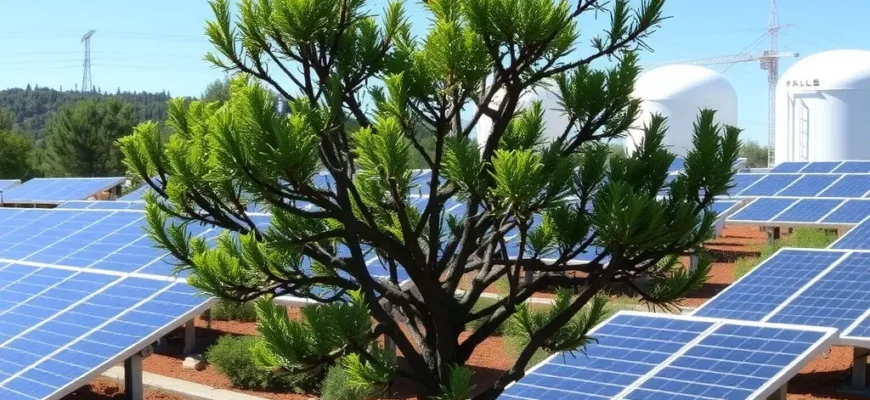
- Why the Move to Rewild Solar Sites is the Next Frontier for Green Energy
- Moving Beyond Gravel and Turf Grass
- Comparing Traditional Solar Maintenance vs. Ecological Rewilding
- The Long-Term Economics of Native Habitats
- Boosting Panel Efficiency Through Natural Cooling
- The Albedo Effect and Microclimate Regulation
- A Step-by-Step Guide to Implementing a Rewilding Strategy
- Selecting the Right Native Seed Mix
- The Pollinator Crisis and the Solar Solution
- Creating Connectivity in Fragmented Landscapes
- Common Misconceptions About Rewilded Solar Projects
- Managing the Wild Look for Community Acceptance
- Soil Health: The Hidden Benefit of Deep-Rooted Perennials
- Solar Farms as Carbon Sinks
- Expert Perspective: Functional Biodiversity
- Frequently Asked Questions
Why the Move to Rewild Solar Sites is the Next Frontier for Green Energy
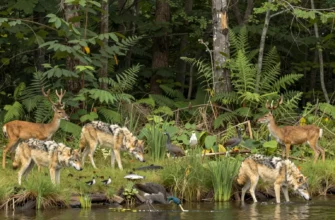
The global transition to renewable energy is no longer just a race to install as many photovoltaic panels as possible; it is a race to ensure that the land we use for energy remains ecologically productive. Rewilding solar farms represents a shift from viewing energy sites as industrial zones to seeing them as living, breathing components of our natural infrastructure.
By integrating ecological restoration into the design of solar arrays, we move beyond the simple goal of decarbonization and begin to address the twin crisis of biodiversity loss. This approach ensures that every acre of a solar farm serves a dual purpose: generating clean electrons while simultaneously restoring lost habitats and repairing damaged soil systems.
Moving Beyond Gravel and Turf Grass
For decades, the standard procedure for solar development involved stripping the land of its topsoil and covering it with gravel or non-native turf grass. While these methods are easy to implement, they create biological deserts that offer zero support for local wildlife and often lead to significant stormwater runoff and soil compaction issues.
Adopting a low-impact solar development model means we stop fighting against nature and start working with it. Instead of spending thousands of dollars on herbicides to suppress “weeds,” developers are now using native seed mixes to create stable, self-sustaining plant communities. This shift in perspective transforms a static energy asset into a dynamic ecological restoration project that can support hundreds of species of insects, birds, and small mammals.
Comparing Traditional Solar Maintenance vs. Ecological Rewilding
When evaluating the long-term viability of a solar project, the management of the land beneath the panels is a significant operational expense. Traditional methods rely on fossil-fuel-intensive mowing and chemical interventions, whereas rewilding focuses on establishing a resilient ecosystem that requires less human interference over time.
| Feature | Traditional Maintenance (Gravel/Turf) | Ecological Rewilding (Native Habitat) |
|---|---|---|
| Mowing Frequency | 6-10 times per year to maintain height. | 1-2 times per year or conservation grazing. |
| Chemical Usage | Heavy reliance on herbicides for weed control. | Minimal to zero; native plants outcompete weeds. |
| Water Management | High runoff; requires expensive drainage systems. | Deep roots absorb up to 40% more stormwater. |
| Biodiversity Support | Negligible; often acts as a barrier to wildlife. | High; provides food and nesting for pollinators. |
| Long-term Costs | Static or increasing due to fuel and labor. | 30-50% reduction in O&M costs after year five. |
The Long-Term Economics of Native Habitats
Many developers hesitate at the upfront cost of native seed mixes, which can be higher than standard turf grass. However, the financial narrative changes drastically when you look at the 25-year lifecycle of a project. By reducing the need for monthly mowing, a developer can save tens of thousands of dollars per megawatt in labor and fuel costs.
Beyond simple labor savings, native plants provide superior stormwater management. The deep root systems of prairie grasses, for example, can reach ten to fifteen feet into the ground, creating channels for water to infiltrate the soil rather than pooling on the surface. This natural drainage reduces the risk of equipment erosion and the need for costly detention basins, effectively turning the ground into a giant sponge that protects the infrastructure during extreme weather events.
Boosting Panel Efficiency Through Natural Cooling
There is a common misconception that vegetation under solar panels is merely an aesthetic or environmental “add-on.” In reality, the biology of the ground cover directly impacts the physics of the energy generation. Solar panels are sensitive to heat; as their temperature rises above 25°C (77°F), their energy conversion efficiency begins to drop significantly.
When panels are installed over gravel or bare earth, the ground acts as a thermal mass, absorbing heat during the day and radiating it back up at the modules. This creates a feedback loop that can lead to premature equipment degradation and lower power output. By replacing these hot surfaces with living plants, we can leverage natural cooling processes to keep the panels running at optimal temperatures.
The Albedo Effect and Microclimate Regulation
Native vegetation regulates the microclimate of a solar farm through a process known as evapotranspiration. Essentially, plants “sweat” water vapor through their leaves, which cools the surrounding air by several degrees compared to the air above a gravel-topped site. This cooling effect is crucial for maintaining photovoltaic efficiency during the peak summer months when energy demand is highest.
Furthermore, the variety of textures and colors in a rewilded landscape changes the site’s albedo—the amount of sunlight reflected back into the atmosphere. While bare ground can create a “heat island” effect, a diverse plant canopy absorbs and utilizes solar energy for growth, preventing the modules from overheating. Research has shown that solar arrays located over lush, native vegetation can see a yield increase of 3% to 5% compared to those over traditional dry-land covers.
A Step-by-Step Guide to Implementing a Rewilding Strategy
Transitioning to a rewilded solar site requires more than just throwing seeds on the ground. It demands a structured approach that considers the local climate, the specific engineering of the solar array, and the long-term goals of the landowner. Success is found in the preparation stage, ensuring the soil is ready to support native species without excessive competition from invasive weeds.
- Site Assessment and Soil Testing: Analyze the soil pH, nutrient levels, and drainage patterns. You cannot select a seed mix without knowing the foundation you are building upon.
- Vegetation Management Plan: Develop a multi-year strategy for weed suppression before sowing. This may involve targeted cover cropping or prescribed solar grazing to clear the land of invasive species.
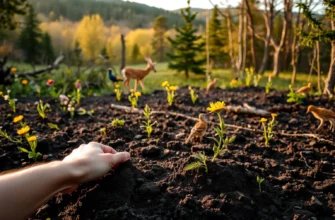
- Custom Seed Mix Design: Work with ecologists to select species that are native to the specific region. Ensure the mix includes a succession of bloom times to support pollinators from spring through autumn.
- Shading Analysis: Coordinate with the solar engineers to ensure the maximum height of the mature plants will not reach the lower edge of the panels. Most low-growth native mixes are designed to stay under 24 inches.
- Precision Sowing: Use specialized equipment like no-till drills to plant the seeds at the correct depth. This minimizes soil disturbance and prevents the “activation” of dormant weed seeds in the topsoil.
- Monitoring and Adaptive Management: For the first three years, the site will require “spot-mowing” to prevent weeds from going to seed. Once established, the native plants will effectively manage themselves.
Selecting the Right Native Seed Mix
The choice of seeds is the most critical decision in the rewilding process. It is vital to use local ecotypes—seeds harvested from plants that are genetically adapted to your specific geographic area. These plants are hardier, more drought-tolerant, and more likely to survive the unique conditions under a solar array, such as the “rain shadows” created by the panels.
When designing the mix, you must balance ecological value with operational safety. This means choosing “short-stature” prairies or meadow mixes. By including species like Little Bluestem, Sideoats Grama, and various species of Clover or Penstemon, you can create a dense carpet of vegetation that stays low to the ground. This prevents shading on the panels while providing maximum nectar and pollen for local insect populations.
The Pollinator Crisis and the Solar Solution
Pollinators, including bees, butterflies, and beetles, are responsible for one out of every three bites of food we eat. However, their populations are crashing due to habitat loss and pesticide use. Solar farms, which often encompass hundreds of acres, represent a massive opportunity to create protected corridors for these essential creatures.
Pollinator-friendly solar is not just a feel-good environmental story; it is a critical component of agricultural security. By turning solar sites into sanctuaries, we can bolster the health of neighboring farms by providing a steady supply of pollinators that move between the solar site and the surrounding crops.
Creating Connectivity in Fragmented Landscapes
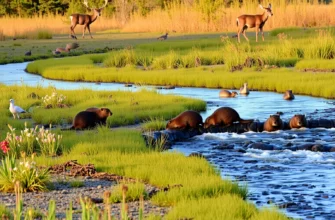
One of the biggest threats to wildlife is habitat fragmentation—the breaking up of large natural areas into small, isolated patches. Solar farms can act as “stepping stones,” linking together existing parks, forests, and wetlands. This connectivity allows species to migrate, find mates, and adapt to a changing climate, which is essential for long-term genetic diversity.
The “spillover effect” of this biodiversity is a major benefit to local farmers. Studies have shown that farms adjacent to pollinator-friendly solar sites see higher yields in crops like soybeans, blueberries, and almonds. This creates a symbiotic relationship where the solar farm provides the “ecosystem services” (like pollination and pest control) that the farmer needs, while the farmer provides the land for the energy project, increasing the overall value of the agricultural landscape.
Common Misconceptions About Rewilded Solar Projects
Despite the clear benefits, some community members and developers harbor concerns about “letting the land go wild.” These fears usually center around the idea that native habitats will become messy, attract pests, or increase the risk of fire. However, the reality of ecological management is quite the opposite of these myths.
Myth: Rewilding solar farms increases the risk of wildfires due to overgrown vegetation.
Fact: Native perennial plants stay green longer into the season and hold more moisture in their tissues than traditional dry turf grass. Furthermore, active management through conservation grazing or annual mowing ensures that “fuel loads” are kept to a minimum, often making these sites safer than unmanaged fallow fields.
Managing the Wild Look for Community Acceptance
To ensure community support, it is important to practice what ecologists call “cues to care.” This involves maintaining a neatly mown strip of grass along the perimeter of the site and around any signage or access roads. These clean edges signal to the public that the site is being intentionally managed and is not just a neglected field.
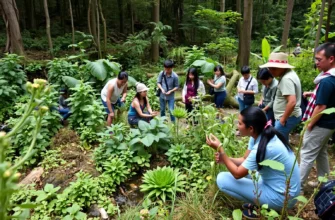
Transparency and community engagement are also key. By installing educational signage that explains the benefits of the pollinator habitat and the species being protected, developers can transform a potential eye-sore into a source of local pride. When people understand that the “tall grass” is actually a sophisticated carbon-sequestration tool and a bee sanctuary, resistance often turns into enthusiastic support.
Soil Health: The Hidden Benefit of Deep-Rooted Perennials
While most of the focus is on the panels and the flowers, the real magic of rewilding happens underground. Traditional turf grass has shallow roots that barely scratch the surface. In contrast, native prairie and meadow plants develop massive, complex root systems that can weigh more than the plant above ground.
These roots act as a biological plow, breaking up compacted soil and allowing air and water to penetrate deep into the earth. Over time, this process builds soil organic matter, which is the foundation of a healthy ecosystem. This “soil health regeneration” ensures that at the end of the solar project’s life, the land is not just preserved, but significantly improved for future agricultural use.
Solar Farms as Carbon Sinks
Rewilding turns solar farms into active tools for carbon sequestration. As native plants grow, they pull carbon dioxide from the atmosphere and store it in their roots and the surrounding soil. Unlike trees, which store most of their carbon in their trunks (where it can be released during a fire), prairies store the vast majority of their carbon underground, making it a more stable and permanent form of storage.
By increasing the carbon content of the soil, we also improve its ability to hold water and nutrients. This prevents nutrient runoff—where fertilizers wash into local streams and cause algae blooms—and protects the local watershed. In this way, a rewilded solar farm becomes a multi-functional landscape that mitigates climate change through both clean energy production and direct carbon capture.
Expert Perspective: Functional Biodiversity
In my professional experience as a land-use consultant, I have found that the most successful renewable projects are those that embrace functional biodiversity. We are not just planting flowers because they look nice in a brochure; we are building a working biological system designed to support the mechanical infrastructure. I always advise my clients that a resilient landscape is a low-risk landscape. By investing in deep-rooted native species, you are essentially buying a 25-year insurance policy against soil erosion, thermal panel degradation, and rising maintenance costs. The goal is to create a site where the biology does the heavy lifting, allowing the technology to perform at its peak while the planet heals underneath it.
Frequently Asked Questions
No, proper species selection and maintenance (such as conservation grazing) effectively manage fuel loads, and native plants often retain more moisture than neglected dry grass.
Will native plants grow too tall and shade the solar panels?
Developers use low-growth native seed mixes specifically designed to stay below the lower edge of the modules, preventing any loss of energy production.
How much does it cost to rewild a solar farm compared to traditional landscaping?
Upfront seed costs are higher, but the reduction in mowing and maintenance usually leads to a full return on investment within 3 to 5 years.
What are the best plants for a pollinator-friendly solar site?
The best choices are regional native wildflowers and grasses that provide a continuous sequence of blooms throughout the entire growing season.
Can you still use sheep for grazing on a rewilded solar farm?
Yes, solar grazing is a perfect partner for rewilding; sheep help manage plant height while their hoof action helps seeds germinate and provides natural fertilization.
Does rewilding affect the decommissioning process of the solar farm?
Rewilding leaves the soil in a far healthier, more nutrient-rich state, making the land significantly more valuable for agricultural use once the panels are removed.