- Why a cold shower is not the same as a cold plunge for your body
- The power of hydrostatic pressure in deep water
- Is a cold bath the same as a cold plunge?
- Quick comparison: Cold shower vs. Cold plunge
- Staying safe in the ice: From frostbite risks to putting your head under
- Should you put your head under water in a cold plunge?
- Can you get frostbite from a cold plunge?
- Cold immersion best practices
- Keeping it clean: Do cold plunges have chlorine or ozone?
- Is ozone safe for cold plunge tubs?
- Can you use chlorine in a cold plunge?
- The financial side: Can I use my HSA for a cold plunge?
- Expert Perspective: Cold Stress Adaptation
- Frequently Asked Questions
Why a cold shower is not the same as a cold plunge for your body
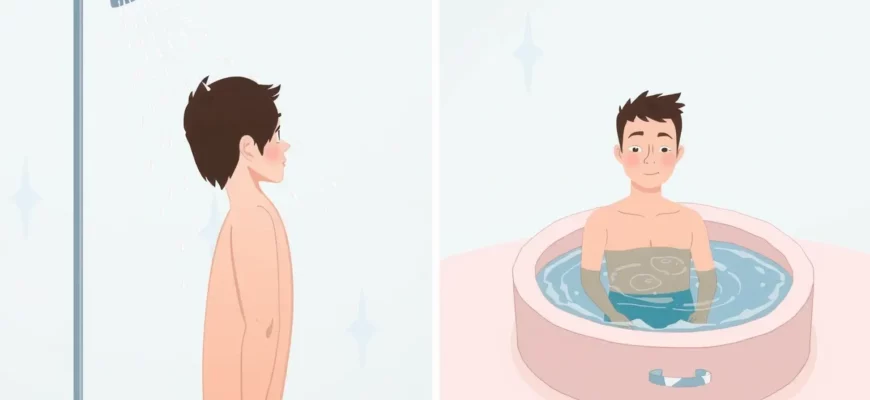
While both practices involve exposing your skin to low temperatures, the physiological impact on your internal systems varies significantly. A cold shower acts primarily as a sensory stimulant, whereas a cold plunge triggers a systemic biological response driven by total submersion and the physical weight of the water.
The power of hydrostatic pressure in deep water
When you step into a cold plunge tub, your body is subjected to hydrostatic pressure, which is the force exerted by the water against your skin and muscles. This pressure acts like a natural compression sleeve for your entire body, pushing blood from your extremities toward your heart and vital organs.
In a shower, the water merely runs over your skin, providing thermal stress but lacking the physical “squeeze” needed to significantly boost venous return. This immersion-based pressure is a primary reason why athletes use plunges to accelerate the removal of metabolic waste and reduce deep-tissue edema after intense training sessions.
By increasing the efficiency of your circulatory system, full immersion helps in reducing systemic inflammation more effectively than a spray. The pressure also assists the lymphatic system in moving fluid, which is a key component in recovering from high-impact sports or chronic inflammatory conditions.
Is a cold bath the same as a cold plunge?
Many beginners assume that filling a standard porcelain bathtub with cold tap water is equivalent to a dedicated cold plunge. However, the primary difference lies in thermal stability and temperature control. A standard bathtub usually reaches about 55°F to 60°F, depending on your local climate, and the water begins to warm up the moment your body heat transfers into it.
A professional cold plunge utilizes a powerful water chiller and circulation pump to maintain a precise temperature, often between 39°F and 50°F. Because the water is moving, it breaks the “thermal layer” or “thermal cocoon” that your body naturally creates in a still bath.
In a still bathtub, your skin warms the thin layer of water immediately touching you, effectively insulating you from the cold. In a plunge with a chiller and pump, the cold is constant and piercing, which forces a much more robust brown fat activation and metabolic response.
Quick comparison: Cold shower vs. Cold plunge
To understand which method fits your current health goals, it is helpful to look at the technical specifications and biological outcomes of each practice side-by-side.
| Feature | Cold Shower | Cold Plunge (Immersion) |
|---|---|---|
| Primary Mechanism | Convective cooling via spray | Conductive cooling via immersion |
| Hydrostatic Pressure | None | High (assists blood flow) |
| Typical Temperature | 50°F ⎻ 65°F | 39°F ౼ 55°F |
| Vagus Nerve Impact | Moderate | Very High (especially with neck immersion) |
| Setup Cost | $0 (Existing shower) | $1,000 ౼ $10,000+ |
| Maintenance | None | Filtration, sanitation, and chilling |
Staying safe in the ice: From frostbite risks to putting your head under
Safety is the most overlooked aspect of cold therapy, especially as social media trends push people toward extreme durations. Understanding how your body reacts to the “cold shock response” is the first step in building long-term mental resilience without risking a medical emergency.
Should you put your head under water in a cold plunge?
Submerging your head and the back of your neck can trigger a powerful vagus nerve stimulation, which helps regulate your heart rate and shift your nervous system into a parasympathetic (rest and digest) state. However, this must be done with extreme caution due to the “mammalian dive reflex.”
When your face hits freezing water, your heart rate drops instantly, which can be disorienting for beginners. To practice putting your head under water safely, wait until the final 10 seconds of your session to submerge. This prevents the initial gasping reflex from occurring while your head is underwater, which is a major drowning risk.
Never submerge your head if you are alone or if you have underlying cardiovascular issues. The goal is a brief 5 to 10-second dip to stimulate the trigeminal nerve, not a prolonged underwater hold that could lead to hypoxia or fainting.
Can you get frostbite from a cold plunge?
While it is rare, preventing frostbite in cold water is a legitimate concern if you are using temperatures near the freezing mark (33°F-37°F) for extended periods. Most cases of skin damage occur when users stay in the water for 10 minutes or longer at temperatures below 40°F.
The first sign of danger is often a “burning” sensation that turns into total numbness. To protect your extremities, consider wearing neoprene booties or gloves, as your fingers and toes have the least amount of blood flow during the vasoconstriction phase.
Limit your sessions to no more than 2 to 5 minutes if the water is below 45°F. There is no evidence that staying in longer provides additional health benefits, but the risk of nerve damage and hypothermia increases exponentially after the 10-minute mark.
Cold immersion best practices
Success in cold therapy is about consistency and technique rather than enduring the most pain. Use these guidelines to ensure your sessions are both effective and safe.
- Control your breathing: Use slow, nasal exhales to override the initial panic of the cold shock response.
- Focus on the “Afterdrop”: Be aware that your core temperature will continue to fall after you exit the water; dry off and put on warm clothes immediately.
- Avoid hot showers: Do not jump straight from a cold plunge into a hot shower, as this can cause peripheral vasodilation and lead to fainting.
- Consistency over intensity: Three 2-minute sessions per week are more beneficial for metabolic health than one 10-minute session once a month.
- Start at 55°F: If you are new, do not start at 39°F; acclimate your body at higher temperatures before chasing the ice.
Keeping it clean: Do cold plunges have chlorine or ozone?
Unlike a shower where the water goes straight down the drain, a cold plunge tub holds 50 to 100 gallons of standing water. Without proper sanitation, this water becomes a breeding ground for bacteria, skin cells, and oils, making hygiene maintenance a top priority for owners.
Is ozone safe for cold plunge tubs?
Ozone (O3) is one of the most effective and popular methods for using ozone for water purity in modern tubs. An ozone generator creates O3 gas, which is injected into the water to oxidize organic matter and kill bacteria on contact.
Ozone is generally preferred over heavy chemicals because it leaves no residue and breaks down into pure oxygen. It is highly effective at destroying viruses and biofilms that can form on the walls of the tank, ensuring the water stays crystal clear without the “pool smell” associated with other treatments.
However, you must ensure the unit is sized correctly for your tub volume. Always ensure the ozone system runs while you are NOT in the tub, as breathing in high concentrations of ozone gas can irritate the lungs.
Can you use chlorine in a cold plunge?
For those on a budget, sanitizing your cold plunge with chlorine or bromine is a viable option. Chlorine is highly effective at killing pathogens, but because the water volume in a plunge is so small compared to a swimming pool, it is very easy to over-chlorinate.
High levels of chlorine can lead to skin irritation and dryness, especially since cold water already strips the skin of natural oils. If you choose this route, use specialized “spa” chlorine granules and test the water daily with pH and chlorine strips to ensure levels stay within 1-3 parts per million.
Many users are moving toward non-chlorine oxidizers or silver-ion cartridges. These alternatives provide a gentler experience for the skin while still maintaining the sanitary standards required for multi-user or frequent-use tubs.
The financial side: Can I use my HSA for a cold plunge?
A high-end cold plunge can cost as much as a used car, leading many to wonder if HSA or FSA funds can cover the cost. Under current IRS guidelines, a cold plunge is generally considered a “general health” item and is not automatically eligible.
To use your health savings account, you must obtain a Letter of Medical Necessity (LMN) from a licensed physician. This letter must state that the cold plunge is being used to treat a specific medical condition, such as rheumatoid arthritis, fibromyalgia, or chronic muscle recovery needs related to a diagnosed injury.
Even with an LMN, you should consult with your HSA administrator before making the purchase. Some administrators may only approve the cost of a basic tub rather than a luxury model with a built-in television or advanced aesthetic features. Keep all receipts and the medical letter on file in case of an IRS audit, as you will need to prove the equipment is for treatment rather than recreation.
Before you invest time or money into a cold therapy routine, keep these core distinctions in mind to maximize your results.
- Immersion is superior for recovery: Because of hydrostatic pressure, a plunge is significantly more effective at flushing lactic acid than a cold shower.
- Temperature control matters: A dedicated chiller prevents the formation of a thermal layer, ensuring maximum metabolic stress and brown fat activation.
- Safety is paramount: Limit sessions to under 5 minutes at extreme temperatures to prevent frostbite and hypothermia.
- Sanitation is mandatory: Unlike showers, plunges require active maintenance via ozone, UV-C light, or chemical filters to remain safe for skin contact.
- Financial planning: You can potentially save thousands by using HSA funds, but only if you secure a Letter of Medical Necessity first.
Expert Perspective: Cold Stress Adaptation
In my professional experience working with high-performance athletes, I have found that the jump from cold showers to full immersion is the single biggest “level up” a person can make in their recovery protocol. While cold showers are an excellent entry point for building mental toughness and overcoming the initial fear of discomfort, they simply cannot replicate the systemic physiological shift caused by hydrostatic pressure. I always advise my clients to view showers as a diagnostic tool—if you can’t handle a 30-second cold shower, your body isn’t ready for the intense circulatory demand of a 40-degree plunge. The consistent thermal conductivity of a plunge is what truly drives the anti-inflammatory benefits that most people are chasing.
Frequently Asked Questions
No. While showers help with mental alertness, they lack the hydrostatic pressure required to effectively compress tissues and move lymphatic fluid, making the cold plunge far superior for physical recovery.
How long should I stay in a cold plunge vs. a cold shower?
For a cold plunge, 2 to 5 minutes is the “sweet spot” for most benefits. In a cold shower, you may need 5 to 10 minutes to achieve a similar drop in skin temperature due to the lower surface area contact.
Is cold air as good as a cold plunge?
No. Water is approximately 25 times more thermally conductive than air, meaning it strips heat from your body much faster and more efficiently than standing in a cold room or cryotherapy chamber.
Do cold plunge tubs have disinfectant built-in?
High-end units often feature integrated ozone generators or UV-C filtration systems, but basic stock tanks or DIY tubs require manual addition of sanitizers like chlorine or hydrogen peroxide.
Can I get a tax break on a cold plunge tub?
Yes, but only if you have a Letter of Medical Necessity from a doctor. This allows you to use pre-tax HSA or FSA dollars, effectively reducing the “real” cost of the unit by 20-30% depending on your tax bracket.