- Using a Weighted Blanket Calculator to Personalize Your Comfort
- The Science of Weighted Blanket Math
- Quick Reference: Choosing a Weighted Blanket by Body Weight
- Standard Weight Brackets for Adults
- Adjusting the Math: Finding the Right Weighted Blanket for Kids
- Safety Guidelines for Younger Users
- The Weighted Blanket Calculator for Couples: Sharing the Weight
- Should You Buy One Large Blanket or Two Individual Ones?
- Beyond the Scale: How Filling and Distribution Affect Felt Weight
- Choosing Between Glass Beads and Plastic Pellets
- How to Determine if You Need a Medical-Grade Weight
- When to Consult an Occupational Therapist
- Frequently Asked Questions
Using a Weighted Blanket Calculator to Personalize Your Comfort
Finding the right weighted blanket is more than a simple purchase; it is an investment in your neurological health and sleep architecture․ While most manufacturers point toward a standard mathematical formula‚ the sensation of “the perfect weight” is deeply subjective and tied to how your nervous system processes external stimuli․
The goal is to achieve a state of calm through gentle‚ distributed pressure that mimics the feeling of a firm hug or swaddle․ If a blanket is too light‚ you miss out on the therapeutic benefits; if it is too heavy‚ you risk physical discomfort or restricted movement during the night․
The Science of Weighted Blanket Math
The foundational rule for choosing a weighted blanket is to select a model that represents approximately 10% of your total body weight․ This figure is not arbitrary; it is derived from clinical observations in occupational therapy where deep pressure touch (DPT) is used to transition the nervous system from a “fight or flight” state to a “rest and digest” state․
For many users‚ adding an extra one or two pounds to that 10% figure provides the additional grounding needed to silence restless leg syndrome or racing thoughts․ This specific math ensures that the pressure is heavy enough to trigger the release of serotonin and melatonin while keeping cortisol levels in check․
When calculating your ideal weight‚ always use your current scale weight rather than a goal weight․ The blanket must interact with your existing body mass to provide the necessary proprioceptive input—the internal sense that tells your brain where your body is in space․
Quick Reference: Choosing a Weighted Blanket by Body Weight
To simplify the selection process‚ we have developed a streamlined guide based on common weight brackets․ This allows you to bypass complex calculations and jump straight to the most effective options for your size․
| User Body Weight | Recommended Blanket Weight | Pressure Intensity |
|---|---|---|
| 90 – 120 lbs | 10 lbs | Moderate / Standard |
| 120 – 150 lbs | 12 – 15 lbs | Customizable / Deep |
| 150 – 190 lbs | 15 – 20 lbs | Standard Therapeutic |
| 190 – 240 lbs | 20 – 25 lbs | High Pressure |
| 240+ lbs | 25 – 30 lbs | Extra Heavy / Maximum Grounding |
Standard Weight Brackets for Adults
For the vast majority of adults‚ the sweet spot lies between 15 and 20 pounds․ If you find yourself positioned exactly between two weight categories—for example‚ if you weigh 150 pounds and are choosing between a 15-pound and a 20-pound blanket—it is generally safer to opt for the lighter 15-pound version first․
This “round down” approach is especially important for individuals with joint sensitivities‚ such as arthritis or fibromyalgia‚ where excessive pressure could aggravate tender points․ Conversely‚ if you have a high sensory threshold and often find yourself piling multiple heavy comforters on your bed‚ rounding up to the 20-pound option may provide the specific intensity your body craves․
Remember that a weighted blanket should never feel like it is pinning you down․ You must be able to move your limbs and adjust your sleeping position with ease to avoid disrupting your REM cycles․
Adjusting the Math: Finding the Right Weighted Blanket for Kids
When selecting a blanket for a child‚ the 10% rule becomes a strict safety ceiling rather than a flexible suggestion․ Children have different developmental needs and physical limitations that make weight distribution a critical safety factor․
The primary requirement is that the child must be physically strong enough to lift the blanket off their own face and body without assistance․ This ensures that they can regulate their own environment and breathe freely throughout the night․
Safety Guidelines for Younger Users
Pediatric guidelines typically suggest a slightly different formula: 10% of the child’s body weight plus one or two additional pounds․ For a 50-pound child‚ a 5-pound to 7-pound blanket is the ideal range․
Critical Safety Warning: Weighted blankets should never be used for infants or toddlers under the age of 2․ Their respiratory systems and musculoskeletal structures are not developed enough to handle the concentrated pressure‚ posing a significant suffocation risk․
If your child struggles with sensory processing disorder or ADHD‚ consult with a pediatric occupational therapist before making a purchase․ A professional can help determine if the child is a “sensory seeker” who needs more weight or a “sensory avoider” who might find the blanket overwhelming․
The Weighted Blanket Calculator for Couples: Sharing the Weight
Sharing a weighted blanket with a partner introduces several logistical challenges․ Because a King or Queen size blanket distributes its weight over a much larger surface area‚ a 20-pound “couples” blanket will feel significantly lighter than a 20-pound individual blanket․
If you and your partner have vastly different body weights—such as a 120-pound person and a 220-pound person—a single shared blanket will likely fail to meet both of your needs․ The lighter person may feel crushed‚ while the heavier person feels nothing at all․
| Option | Pros | Cons |
|---|---|---|
| One Large Shared Blanket | Aesthetic bed look; maintains closeness; cost-effective․ | Weight is often too light per person; difficult to wash; “cover stealing” is harder․ |
| Two Individual Blankets | Customized weight for each person; no tug-of-war; better temperature control; | Visual clutter on the bed; can create a “gap” in the middle․ |
Should You Buy One Large Blanket or Two Individual Ones?
If you insist on a shared blanket‚ the math changes․ You should aim for 10% of the combined weight of both partners‚ but be aware that the physical dimensions of the blanket matter․ A 30-pound King size blanket provides roughly the same pressure as a 15-pound Twin because the weight is spread across double the square footage․
To avoid the common “weight-shifting” problem‚ look for shared blankets with smaller quilted pockets (4×4 inches)․ This prevents the glass beads or pellets from sliding toward the edges of the bed‚ which often happens when two people are moving under the same cover․
Beyond the Scale: How Filling and Distribution Affect Felt Weight
Two blankets that both weigh 15 pounds can feel entirely different based on their construction and filling materials․ The “felt weight” is a result of density and how the blanket contours to your body․
If a blanket is bulky‚ the weight is distributed further away from your skin․ If it is thin and dense‚ the pressure is more immediate and intense․ This is why material science is just as important as the number on the scale․
| Filling Material | Profile & Feel | Heat Retention |
|---|---|---|
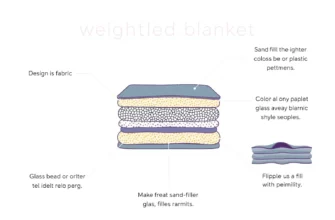
| Glass Beads | Very thin‚ like fine sand; high density; excellent contouring․ | Low (Stays cool) |
| Plastic Poly-Pellets | Bulkier; feels “beady” or textured; less expensive․ | Medium (Can trap some heat) |
| Steel Shot | Extremely dense; very thin; can be noisy․ | Low |
| Weighted Yarn (Knitted) | No filling; weight comes from heavy fabric loops․ | High Breathability |
Choosing Between Glass Beads and Plastic Pellets
Most high-end blankets now use micro-glass beads because they are significantly smaller and denser than plastic pellets․ This allows the blanket to be thinner and more “fluid‚” draping over your shoulders and limbs like a second skin․
Even weight distribution is maintained through reinforced stitching․ If the pockets are too large‚ the filling will bunch up in the corners‚ leaving you with “dead zones” where there is no pressure at all․ Always check that the blanket uses double-stitched baffles to keep the filling locked in place‚ ensuring consistent deep pressure touch throughout the night․
How to Determine if You Need a Medical-Grade Weight
For some individuals‚ a standard retail weighted blanket isn’t enough to break through chronic insomnia or severe sensory processing issues․ Medical-grade or therapeutic weights are often higher than the standard 10% and are designed for specific clinical outcomes․
These blankets are often used in clinical settings to help patients manage acute anxiety‚ PTSD flashbacks‚ or the tremors associated with Parkinson’s disease․
When to Consult an Occupational Therapist
If you have used a standard 15-pound blanket and felt no change in your sleep quality‚ you might be a candidate for a heavier therapeutic grade․ However‚ you should only exceed 15% of your body weight under the guidance of a professional․
An Occupational Therapist (OT) can perform a sensory profile assessment to determine if your body requires “high-intensity input․” They will also monitor for signs that the blanket is too heavy‚ such as tingling in the extremities‚ shortness of breath‚ or increased heart rate‚ which can occur if the weight is compressing the chest cavity too severely․
In my professional experience working with sensory-sensitive adults‚ I have found that the biggest mistake people make is focusing solely on the total weight of the blanket rather than the pressure-to-surface-area ratio․ If you are a side sleeper‚ you are supporting the entire weight of the blanket on a much smaller surface area (your hips and shoulders) than a back sleeper would․ I always advise my clients to look for the “Goldilocks Zone”—pressure that is substantial enough to trigger the release of dopamine and serotonin‚ but light enough that you can spontaneously roll over during REM sleep without waking up․ If you find yourself waking up with “stiff” joints or a feeling of being trapped‚ reduce your blanket weight by 5 pounds immediately to protect your circulatory health․
Frequently Asked Questions
If you are a beginner or have joint issues‚ choose the lighter option․ If you are a seasoned user who enjoys high-intensity sensory input‚ you can safely round up to the heavier weight․
Can a weighted blanket be too heavy?
Yes․ A blanket that is too heavy can restrict breathing‚ cause circulation issues‚ or strain joints․ You must always be able to move and remove the blanket independently․
Is the 10% rule the same for everyone?
No‚ it is a general baseline․ Factors like body composition‚ personal preference‚ and specific health conditions (like ADHD or RLS) may require you to adjust the weight up or down․
How do I calculate the weight for a couple sharing a bed?
Ideally‚ use two separate individual blankets․ If sharing‚ aim for 10% of your combined weight‚ but ensure the blanket is large enough that the weight doesn’t concentrate on only one person․
Are there people who should not use a weighted blanket?
Individuals with respiratory issues‚ circulatory problems‚ or sleep apnea should avoid them․ They are also strictly forbidden for infants and children under age 2․
Does the size of the blanket (Twin vs․ King) change the weight calculation?
Yes․ Because a King blanket covers more area‚ a 20lb King blanket feels much lighter than a 20lb Twin․ Ensure the weight is concentrated over your body‚ not hanging off the bed edges․