- Mastering the Basics: How to Wash a YnM Weighted Blanket Safely
- Machine Washing Your YnM: Weight Limits and Cycle Settings
- The Step-by-Step Process for Heavyweight Bedding
- Brand-Specific Care: Navigating Luxome, Hush, and Casper Requirements
- Cleaning High-End Brands: Luxome, Hush, and Layla
- Retail Favorites: Target, Pendleton, and Brookstone
- Material Matters: From Sherpa and Minky to Knitted Weighted Blankets
- Specialty Textures: Sherpa, Minky, and Flannel
- The Filler Factor: Glass Beads vs. Beaded vs. Heated Elements
- Safety First: Heated and Beaded Blanket Care
- Critical Drying Strategies: Avoiding Clumping and Fabric Burn
- Air Drying vs. Machine Drying
- Deep Dive: Niche Brands and Specialized Construction
- Expert Care for Harkla, Nuzzie, and Mosaic Blankets
- Expert Perspective: The Duvet Strategy for Longevity
- Frequently Asked Questions
Mastering the Basics: How to Wash a YnM Weighted Blanket Safely
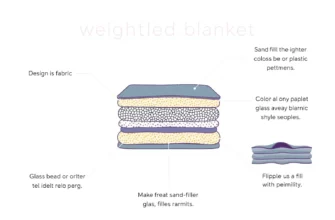
YnM has established itself as a leader in the weighted bedding market by utilizing a unique seven-layer structure designed to contour to the body. Because these blankets rely on high-density glass beads stitched into small, individual pockets, the cleaning process requires more precision than a standard duvet. The primary challenge is maintaining the integrity of these pockets; if the stitching fails due to high-heat or aggressive agitation, the beads will shift, ruining the blanket’s weight distribution.
Before you even consider opening the washing machine lid, you must verify the physical weight of your blanket against your appliance’s specifications. A standard residential top-loader or front-loader typically has a weight limit between 12 and 15 pounds for heavy bedding. When a weighted blanket becomes saturated, its effective weight can double or triple, putting immense strain on the machine’s suspension springs and motor. If your YnM blanket exceeds 15 pounds, I strongly recommend visiting a commercial laundromat to utilize their industrial-grade, high-capacity machines.
Machine Washing Your YnM: Weight Limits and Cycle Settings
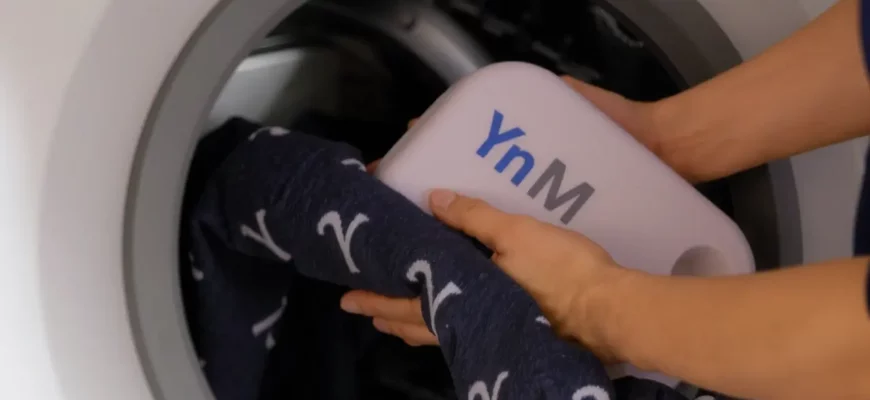
To begin the machine washing process, ensure you are using a front-loading machine or a top-loader without a central agitator. Central agitators are notorious for snagging the delicate piping on YnM blankets, which can lead to bead leakage. Set your machine to a cold water setting (not exceeding 30°C/86°F) and select the most gentle cycle available, often labeled as “Delicate” or “Hand Wash.” Cold water is essential because synthetic fibers and the specialized glue used in some glass bead coatings can degrade or become brittle when exposed to high temperatures.
The choice of detergent is equally critical for the longevity of your YnM. You should use a mild, liquid detergent that is free of bleach, whitening agents, and fabric softeners. Fabric softeners are particularly damaging to weighted blankets because they leave a waxy residue on the fibers that can trap odors and cause the internal glass beads to clump together. If your blanket is heavily soiled, it is better to run a second rinse cycle rather than increasing the amount of detergent used. Ensure the load is balanced by adding a few light towels if the machine starts to vibrate excessively during the spin cycle.
The Step-by-Step Process for Heavyweight Bedding
Washing a heavy blanket is a strategic operation that begins long before the water starts running. Whether you own a Quility, Zonely, or Amy Garden blanket, the goal is to minimize the amount of time the internal filler spends under mechanical stress. By following a structured workflow, you can ensure that the glass beads or poly-pellets remain securely encased in their quilted squares while removing deep-seated oils and allergens.
- Perform a Pre-Wash Inspection: Examine the entire surface of the blanket for any loose threads or small tears. Even a tiny hole can lead to a “bead disaster” inside your washing machine; If you find a snag, hand-stitch it closed using a reinforced backstitch before proceeding with the wash.
- Spot Clean Problem Areas: Use a mixture of cool water and a drop of clear dish soap to treat specific stains like coffee or sweat. Use a soft-bristled toothbrush to gently agitate the fabric. This prevents you from needing to run a heavy-duty cycle for the entire blanket just to remove one small mark;
- Load the Drum Strategically: Place the blanket into the drum in a loose, circular fashion. Do not simply fold it and shove it in. Distributing the weight evenly around the perimeter of the drum helps the machine maintain balance during the high-speed spin cycle, which is where most mechanical damage occurs.
- Select the Double Rinse Option: Because weighted blankets are so dense, they often trap soap suds deep within the inner layers. Selecting an extra rinse cycle ensures that all surfactant residues are stripped away, preventing the fabric from feeling “crunchy” or irritating your skin once dry.
- Manual Spin Check: If the blanket feels excessively heavy or “sloshy” after the cycle ends, run a dedicated “Spin Only” cycle on a medium speed. Removing as much water as possible before drying is the key to preventing mold and mildew growth in the core of the blanket.
Brand-Specific Care: Navigating Luxome, Hush, and Casper Requirements
While the general principles of weighted blanket care apply across the board, premium brands often incorporate proprietary materials that require specialized handling. For instance, a Hush “Iced” blanket is engineered with a specific fabric blend designed to dissipate heat. Exposing this material to high temperatures will permanently damage the cooling properties of the fibers, resulting in a blanket that feels “pilled” and loses its silky texture. Always check the corner tag, as some brands authorize machine washing for the cover but require the inner weighted core to be hand-washed only.
Casper blankets often feature a unique quilted pattern that differs from the standard square grid of YnM. This stitching is designed for aesthetics and breathability, but it can be more susceptible to unraveling if washed with heavy items like jeans or zippered hoodies. When cleaning a Casper or a high-end Layla blanket, wash the item entirely on its own to prevent friction damage from other textiles. This isolation ensures the reversible fabrics (like Layla’s cooling vs. warming sides) maintain their distinct tactile differences.
Cleaning High-End Brands: Luxome, Hush, and Layla
Luxome blankets are frequently sold with integrated covers that are permanently attached or use a complex internal zipper system. If you have a Luxome minky or bamboo model, turn the blanket inside out before washing. This protects the “show” side of the fabric from the abrasive surface of the washing machine drum. For Hush blankets, specifically the Iced 2.0 version, use only the coldest water setting possible. The “cold-to-the-touch” feel is a result of the fabric’s physical structure, and heat can cause those fibers to relax and lose their cooling efficacy.
Layla weighted blankets are known for their reversible design. One side is typically a plush, minky fabric, while the other is a smooth, breathable cotton. To maintain this dual-texture benefit, avoid using any heat during the drying process. Air drying is the safest route for Layla products, as the different shrinkage rates of the two fabrics can cause the blanket to warp or “cup” if dried in a machine. If you must use a dryer, use the “Air Fluff” setting which uses no heat at all.
Retail Favorites: Target, Pendleton, and Brookstone
Retail-heavy brands like Target’s Threshold line or Brookstone often use a mix of polyester batting and glass beads. These blankets are generally robust, but the polyester batting can “migrate” or clump if the blanket is agitated too vigorously. For a Target brand blanket, limit the wash time to the shortest possible cycle. Excessive tumbling will cause the internal batting to lose its loft, making the blanket feel lumpy over time.
Pendleton weighted blankets often incorporate wool blends or heavy-duty cotton canvas. If your Pendleton has a wool component, never use a standard detergent; instead, use a wool-safe wash like Eucalan or Woolite. Wool fibers can felt and shrink if exposed to the combination of warm water and agitation. For Brookstone blankets, which often feature specialized “calming” textures, avoid using any dryer sheets, as the chemicals can coat the fibers and reduce the moisture-wicking capabilities of the fabric.
Material Matters: From Sherpa and Minky to Knitted Weighted Blankets
The exterior material of your weighted blanket dictates the drying strategy and the type of agitation it can withstand. A Sherpa-lined blanket, while incredibly cozy, is a magnet for “pilling” and “matting.” If you wash a Sherpa blanket with other lint-producing items, the Sherpa will trap those fibers, and they are nearly impossible to remove. Conversely, knitted weighted blankets (like those from Bearaby or Nuzzie) contain no glass beads; the weight comes from the massive layers of yarn itself. These require a completely different approach to prevent stretching.
| Fabric Type | Primary Cleaning Challenge | Recommended Wash Method | Drying Critical Instruction |
|---|---|---|---|
| Sherpa | Texture matting and fiber clumping | Cold, gentle cycle; no softeners | Air dry only; brush with a soft comb after drying |
| Minky | Loss of “softness” due to heat damage | Gentle cycle; minimal detergent | Tumble dry on Air Fluff (Zero Heat) |
| Knitted Yarn | Stretching and losing shape | Large capacity machine; delicate cycle | Dry flat only; never hang or the blanket will elongate |
| Bamboo/Cotton | Wrinkling and shrinkage | Cold water; mild liquid soap | Low heat for 20 mins, then air dry flat |
Specialty Textures: Sherpa, Minky, and Flannel
Minky fabric is a type of polyester fleece that is ultra-soft but extremely heat-sensitive. To keep a minky weighted blanket soft, you must avoid the “High Heat” setting on your dryer at all costs. High heat actually melts the tips of the synthetic fibers, which is what causes that “scratchy” feeling after a few washes. If your minky blanket has lost its luster, try adding a half-cup of white vinegar to the rinse cycle to strip away old detergent buildup that may be weighing the fibers down.
Flannel weighted blankets are popular in colder climates but are prone to significant linting. When washing flannel, clean the lint trap of your dryer every 15 minutes. The density of the weighted blanket means it will shed more fibers than a standard flannel shirt. To prevent the flannel from becoming too stiff, you can add a clean tennis ball or a wool dryer ball to the dryer; this helps “beat” the fabric gently, keeping it supple without the need for chemical softeners.
The Filler Factor: Glass Beads vs. Beaded vs. Heated Elements
The “active ingredient” inside your blanket—the filler—is what provides the Deep Pressure Stimulation (DPS). Most modern blankets use micro-glass beads because they are non-porous and don’t absorb odors. However, some older or budget models use plastic poly-pellets. Plastic beads have a much lower melting point than glass. If you put a plastic-beaded blanket in a hot dryer, the beads can partially melt and fuse together, turning your soft blanket into a series of hard, uncomfortable lumps.
Heated weighted blankets represent the most complex cleaning scenario. These blankets contain delicate wiring and heating elements interwoven with the weighted filler. You must never dry clean a heated weighted blanket, as the harsh chemicals can erode the wire insulation, creating a fire hazard. Similarly, you must never submerge the detachable controller in water. Always verify that the heating element is “UL Listed” for machine washing before proceeding.
Safety First: Heated and Beaded Blanket Care
Before washing a heated weighted blanket, disconnect the power cord and check the entry point where the cord meets the fabric. If there is any fraying, the blanket is no longer safe to wash or use. When laundering, use a “Soak” cycle rather than a “Wash” cycle if your machine allows it. This minimizes the mechanical stress on the internal wiring. After washing, the blanket must be 100% dry before it is plugged back in. Even a small amount of moisture trapped near the internal connectors can cause a short circuit.
For sensory blankets used by children, which often feature various “fidget” textures or beaded sections, check for “leakage” frequently. Children’s blankets undergo more physical stress (dragging, jumping, folding). If you notice a leak, seal the area with a nylon patch or a heavy-duty fabric glue. When washing sensory items, place them inside a large mesh laundry bag to prevent any small external beads or attachments from being ripped off by the machine’s drum.
Critical Drying Strategies: Avoiding Clumping and Fabric Burn
Drying is the stage where 90% of weighted blanket damage occurs. The sheer mass of the blanket means it retains water in its core long after the surface feels dry. If you use a dryer, the outer fabric can reach high temperatures while the inside remains damp, leading to “fabric burn” or scorching. Furthermore, the weight of the wet blanket can cause the internal poly-fill batting to shift and clump toward one end of the blanket, a problem frequently seen in brands like Waowoo or Magic Blanket.
- DO: Use the “Air Fluff” or “No Heat” setting if using a machine. This uses room-temperature air to slowly wick away moisture.
- DO: Lay the blanket flat across a drying rack. This allows air to circulate both above and below the blanket, significantly cutting down on drying time.
- DO: Rotate and “shake” the blanket every 30 minutes. This redistributes the beads and prevents the internal batting from settling into hard lumps.
- DON’T: Hang the blanket over a clothesline. The 15-20 pounds of weight will pull downward, stretching the fabric and potentially snapping the internal quilting threads.
- DON’T: Use high heat to “speed up” the process; You risk melting the polyester fibers and creating permanent “hot spots” in the glass beads.
- DON’T: Iron your weighted blanket. The direct heat of an iron will melt the internal beads or the synthetic fabric instantly.
Air Drying vs. Machine Drying
Air drying is the gold standard for weighted bedding longevity. To do this effectively indoors, place the blanket on top of several clean, dry towels and use a floor fan to direct air across the surface. Flip the blanket every two hours. While this process can take 24-48 hours, it ensures that no heat damage occurs and the stitching remains under minimal tension. For knitted varieties, which are essentially giant sponges, air drying is the only way to prevent the yarn from becoming “felted” or stretched out of proportion.
If you are in a rush and must use a dryer, limit the machine time to 20-minute intervals. Between each interval, take the blanket out, lay it flat, and manually “massage” the pockets to ensure the beads aren’t clumping. This also gives the dryer motor a chance to cool down, as tumbling a heavy weighted blanket is a significant mechanical load that can cause older dryers to overheat and blow a thermal fuse.
Deep Dive: Niche Brands and Specialized Construction
As the market has expanded, niche brands have introduced specialized constructions that require a “boutique” approach to cleaning. Harkla, for example, focuses on sensory products for the neurodivergent community and often uses a mix of glass beads and extra-soft padding. Their blankets are designed to be durable, but the “minky” covers they use are particularly susceptible to losing their “dots” if washed with heavy items. Always wash Harkla products in a dedicated cycle to preserve the tactile sensory nodes on the fabric.
Nuzzie and Mosaic offer different ends of the spectrum. Nuzzie’s “Open-Weave” design is essentially a giant knit. Because there are no beads, you don’t have to worry about leaks, but you must watch out for “snags” from zippers or bra hooks. Mosaic, on the other hand, offers highly customized blankets with various fabric options like cotton, flannel, and “Coolmax.” For these, the care instructions are entirely dependent on the specific fabric you chose during the customization process. When in doubt, follow the instructions for the most delicate fiber in the blend.
Expert Care for Harkla, Nuzzie, and Mosaic Blankets
For Nuzzie blankets, I recommend using a large mesh laundry bag designed for delicates. This prevents the thick loops of the knit from catching on the internal parts of the washing machine. Because Nuzzie blankets are so bulky, they often require the “Extra Large” machines found at laundromats. If you try to cram a Nuzzie into a small home machine, it won’t get clean because the water and detergent cannot penetrate the center of the tight knit.
Mosaic blankets often use high-quality cotton that can handle a bit more “work” than synthetic minky. However, cotton is prone to shrinking. To keep your Mosaic blanket the correct size, wash in cold water and “line dry” until it is about 80% dry, then finish it in the dryer on a low setting for 10 minutes to soften the fibers. This hybrid approach gives you the softness of a machine-dried blanket with the size-retention of air drying.
Expert Perspective: The Duvet Strategy for Longevity
In my professional experience working with high-end textiles, the most common reason weighted blankets fail isn’t actually dirt—it’s mechanical fatigue from over-washing. Every time you put a 20-pound blanket through a spin cycle, you are putting thousands of pounds of centrifugal force on the thread and the fabric. I always advise my clients to use the “Duvet Strategy.” By using a high-quality, removable cover (especially for brands like YnM or Quility), you can wash the cover every week with your sheets while only washing the heavy inner core once or twice a year. This single change triples the lifespan of the internal stitching and prevents the glass beads from ever having the chance to leak. If you have a spill, only the cover takes the hit, saving your expensive weighted core from the trauma of the machine.
Frequently Asked Questions
It is generally not recommended. Most residential washers are rated for 12-15lbs of dry laundry. A 20lb blanket, when wet, can exceed 60lbs of weight, which can snap your machine’s suspension or burn out the motor. Use a commercial-grade washer for anything over 15lbs.
How do you wash a weighted blanket with glass beads?
Use a front-loading machine on a gentle cycle with cold water. Avoid fabric softeners and bleach, as these can degrade the fabric pockets holding the beads. Always ensure the load is balanced to prevent the machine from vibrating and damaging the stitching.
Is it safe to put a weighted blanket in the dryer?
Yes, but only on Air Fluff or the lowest heat setting possible. High heat can melt synthetic fabrics like minky and cause polyester batting to clump. For the best results, air dry the blanket flat and only use the dryer to “fluff” it at the very end.
How often should I wash my weighted blanket?
If you use a removable duvet cover, you only need to wash the inner weighted blanket once every 6 to 12 months. If you use the blanket without a cover, you should wash it every 2 to 3 months to remove body oils and skin cells.
Can you dry clean a weighted blanket?
Most manufacturers advise against dry cleaning because the harsh chemicals can damage the internal fillers (especially plastic poly-pellets) and the specialized coatings on glass beads. Always check the specific care label before taking it to a professional.
What detergent is best for weighted blankets?
Use a mild, liquid detergent that is clear and fragrance-free if possible. Avoid powder detergents, as they may not dissolve fully in the dense layers of the blanket, leaving a gritty residue behind.