- Determining how cold is too cold for a polar plunge based on your experience
- The difference between refreshing and dangerous water temperatures
- Safe temperature ranges: What is too cold for a cold plunge for beginners?
- Is 30 degrees too cold for a cold plunge in a natural lake?
- How cold should an ice plunge bath be for maximum benefits?
- The science of the Cold Shock Response and how to manage it
- Red flags: When you must get out of the water immediately
- Why staying in too long is more dangerous than the water temperature itself
- Expert Perspective: Cold Water Acclimation
- Frequently Asked Questions
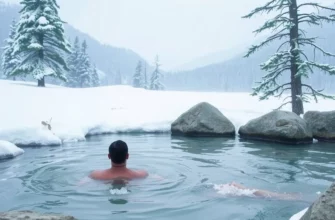
Determining how cold is too cold for a polar plunge based on your experience
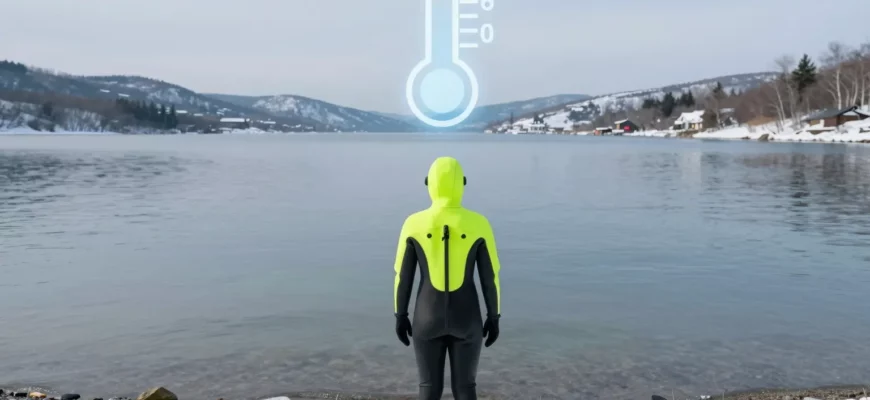
The threshold for what qualifies as too cold is rarely a fixed number on a thermometer․ It is a sliding scale that shifts based on your metabolic health, body fat percentage, and previous history with cold water immersion․
For a seasoned winter swimmer, a 34-degree river might feel like a Tuesday morning ritual, whereas for a novice, that same water could trigger a life-threatening physiological event․ Understanding your personal limit requires moving past the “tough it out” mentality and focusing on how your nervous system responds to the frigid environment․
The difference between refreshing and dangerous water temperatures
Water temperatures between 50°F and 60°F (10°C to 15°C) are generally considered the safe entry point for most healthy adults․ In this range, you will experience a significant “zip” of adrenaline and a sharp intake of breath, but your body can typically maintain its core temperature for several minutes without immediate distress․
Once the water drops below the 40°F (4°C) mark, the environment transitions from refreshing to aggressive․ At these lower levels, the risk of an uncontrollable gasping reflex increases exponentially, making it difficult to keep your head above water․ To manage the initial shock, you must focus entirely on rhythmic, exhaled breaths rather than the sensation of the water on your skin․
If you are looking for how to stay safe in cold water, the most important rule is to never plunge alone․ When the water is near freezing, your muscles can lose coordination within minutes, making it physically impossible to climb out of a pool or lake without assistance․
Safe temperature ranges: What is too cold for a cold plunge for beginners?
Beginners often make the mistake of thinking that colder is always better for recovery․ In reality, your body needs to earn the right to sit in near-freezing water through a disciplined acclimation process over several weeks or months․
For your first few attempts, aim for a temperature that feels “uncomfortably cold” but does not cause you to panic․ This usually sits in the high 50s․ Jumping straight into 30-degree water without prior exposure is not a feat of strength; it is a significant cardiac risk that can lead to an irregular heartbeat or “cold shock” bypass․
| Experience Level | Recommended Temperature | Maximum Duration |
|---|---|---|
| Absolute Beginner | 55°F ー 60°F | 1 ー 2 minutes |
| Intermediate (1 month+) | 45°F ⎯ 50°F | 3 ⎯ 5 minutes |
| Advanced / Pro | 33°F ⎯ 40°F | 2 ー 10 minutes |
Is 30 degrees too cold for a cold plunge in a natural lake?
When you encounter water at 30°F, you are dealing with liquid that is technically below the freezing point of fresh water, which usually occurs in moving rivers or saltwater environments․ This temperature is extremely hazardous for the uninitiated because it can cause instantaneous skin pain and rapid vasoconstriction․
At 30 degrees, the moisture on your skin can begin to freeze the moment you exit the water, potentially leading to ice-related skin burns or frostnip if you are not careful․ Protecting your skin during the exit is just as vital as the plunge itself․ You should have a heavy robe and a windproof layer ready the second you step out․
A safe entry into freezing water at this level requires a slow, deliberate walk-in rather than a sudden dive․ Diving headfirst into 30-degree water can trigger the “mammalian dive reflex” in a way that causes a dangerous clash between your sympathetic and parasympathetic nervous systems, potentially leading to cardiac arrythmia․
How cold should an ice plunge bath be for maximum benefits?
In a controlled home environment, such as a dedicated ice bath or a chest freezer conversion, you have the luxury of setting a precise temperature․ Research suggests that for reducing inflammation and boosting mood, you don’t actually need to hit the freezing point․
The “sweet spot” for metabolic benefits—such as the activation of brown adipose tissue—typically ranges from 48°F to 55°F․ Pushing the water down to 33°F may increase the mental “grit” factor, but the physiological returns on inflammation reduction begin to plateau while the stress on your heart continues to rise․
The science of the Cold Shock Response and how to manage it
The moment your skin hits the water, your body undergoes the Cold Shock Response․ This involves a massive spike in cortisol and norepinephrine, causing your blood vessels to constrict (vasoconstriction) to protect your vital organs․ This is why your extremities feel numb or “stinging” almost immediately․
To master the cold, you must learn the art of breathing through the cold․ If you can extend your exhale to twice the length of your inhale, you signal to your brain that you are safe, effectively “switching off” the panic button․ This allows you to stay in long enough to reap the benefits of dopamine release, which can stay elevated for hours after the plunge․
Current health guidelines, often referred to as the Soberg Principle, suggest that a total of 11 minutes of cold exposure per week, spread across 2-3 sessions, is the target for metabolic health․ This can be achieved just as effectively at 50°F as it can at 35°F, provided the stimulus is cold enough to make you want to get out․
Red flags: When you must get out of the water immediately
The most dangerous part of a polar plunge isn’t the cold itself, but the loss of self-awareness that comes with it․ As your body cools, your cognitive function can slow down, leading to a false sense of security or a “hero complex” where you stay in too long to prove a point․
You must exit the water immediately if you experience uncontrollable shivering while still in the water․ While shivering is a natural heat-production mechanism, if it becomes violent or is accompanied by a loss of manual dexterity (such as being unable to touch your pinky finger to your thumb), you have crossed the line into early-stage hypothermia․
Warning: The Numbness Trap
Never stay in the water just because you “can’t feel the cold anymore․” Loss of sensation is a sign that your peripheral nerves are no longer communicating properly․ Always exit based on a timer, not based on how you feel, especially in water below 45°F․
Why staying in too long is more dangerous than the water temperature itself
A phenomenon known as the Afterdrop Effect is the leading cause of post-plunge collapses․ When you exit the water and your blood vessels begin to dilate, the cold blood from your arms and legs rushes back to your core, causing your internal temperature to continue dropping for 10-20 minutes after you are dry․
Staying safe after a cold plunge means prioritizing a gradual rewarming process․ Do not jump into a hot shower immediately, as this can cause a rapid drop in blood pressure and lead to fainting․ Instead, pat yourself dry, put on wool layers, and use “active recovery” like a light walk or the “horse stance” to generate heat from within your muscles․
For beginners, the 2-minute rule is a non-negotiable safety ceiling․ Even if you feel fine, your body is processing a massive amount of stress․ It is far better to end the session feeling “wanting more” than to push to the point of a core temperature crash that leaves you shivering for three hours․
Expert Perspective: Cold Water Acclimation
In my professional experience working with high-performance athletes, I have seen more injuries from “ego-plunging” than from the water itself․ I always advise my clients to focus on the minimum effective dose․ You do not need to break ice or sit in 32°F water to see a massive reduction in systemic inflammation or an improvement in insulin sensitivity․ In fact, 50°F is the gold standard for metabolic recovery because it provides the necessary hormonal stimulus without the extreme cardiac tax of near-freezing water․ Always listen to your biofeedback; if your heart is racing uncontrollably after 60 seconds, your body is telling you the temperature is too low for your current state of health․
Frequently Asked Questions
Yes, 40°F is considered an aggressive temperature for a beginner․ Most safety experts recommend starting between 50°F and 60°F to allow your cardiovascular system to adapt to the cold shock response safely․
How long should you stay in a 30-degree ice plunge?
Exposure at 30°F should be limited to 1-2 minutes maximum․ At this sub-freezing range, the risk of skin damage, nerve pain, and rapid core temperature drops increases significantly․
Can the water be too cold for health benefits?
Yes․ If the water is so cold that it causes extreme physical pain or triggers a panic response, the resulting “stress load” can outweigh the anti-inflammatory benefits and put undue strain on the heart․
What is the ideal temperature for a polar plunge?
For the majority of people, the ideal balance of safety and efficacy is between 45°F and 55°F․ This range is cold enough to trigger beneficial hormones like norepinephrine without high risk of hypothermia;
How do I know if I have hypothermia after a plunge?
Watch for the “mumbles, stumbles, and fumbles․” If you have slurred speech, a lack of coordination, or shivering that is so intense you cannot hold a cup, your core temperature has dropped too low․