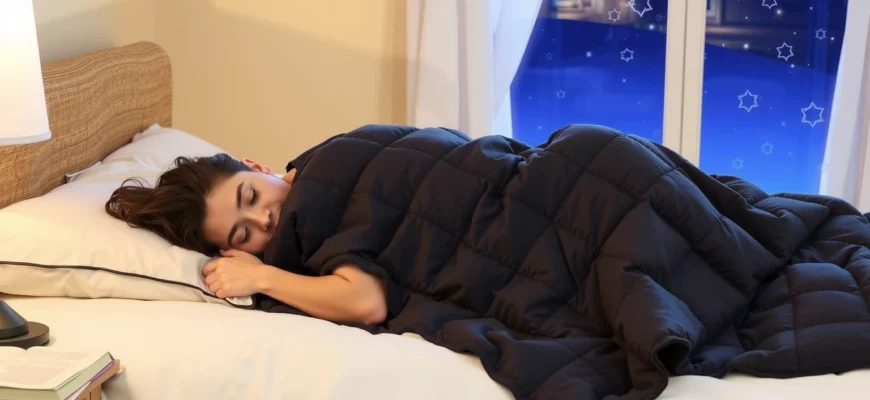
- Is Your Weighted Blanket Too Heavy? Signs It’s Impacting Your Sleep Quality
- The 10% Rule: Calculating Your Ideal Pressure
- Safety First: A Checklist to Determine if Your Blanket is Too Heavy
- Warning Signs You Shouldnt Ignore
- The Sensory Gap: Why Your Weighted Blanket Doesnt Feel Heavy Enough
- Why Size Matters More Than Total Pounds
- Why It Didnt Work: Troubleshooting the Weighted Blanket Fail
- Heat Retention and Material Choice
- Sensory Hacks for When You Can’t Afford a Weighted Blanket
- Low-Cost Pressure Alternatives
- Quick Reference: Finding Your Ideal Blanket Weight
- Frequently Asked Questions
Is Your Weighted Blanket Too Heavy? Signs It’s Impacting Your Sleep Quality
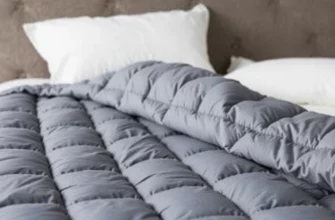
The transition from a standard duvet to a weighted blanket is intended to feel like a firm, calming hug. However, when the pressure crosses the line from therapeutic to restrictive, your body may react with stress rather than relaxation.
Deep pressure stimulation works by signaling the nervous system to shift from a sympathetic “fight or flight” state to a parasympathetic “rest and digest” state. If the blanket is excessively heavy, this physiological shift is interrupted by physical discomfort or a sense of confinement, which can spike cortisol levels and ruin your sleep hygiene.
The 10% Rule: Calculating Your Ideal Pressure
The industry standard for selecting a weighted blanket is the 10% rule, which suggests your blanket should weigh approximately one-tenth of your total body mass. For a 150-pound adult, a 15-pound blanket is typically the sweet spot for achieving proprioceptive input without overwhelming the skeletal system.
While this rule serves as a reliable baseline, it is not a universal law; Elderly users or individuals with underlying respiratory conditions like COPD or sleep apnea should exercise extreme caution, often opting for a weight closer to 5% to 7% of their body weight to ensure their chest wall can expand fully during deep sleep cycles.
Safety First: A Checklist to Determine if Your Blanket is Too Heavy
A weighted blanket should never compromise your physical safety or your ability to move spontaneously during the night. If you find yourself waking up feeling exhausted or sore, the weight distribution may be working against your natural sleep posture.
- Can you easily remove the blanket? You must be able to lift the blanket off your body without straining your muscles or needing assistance.
- Do you wake up with tingling or numbness? Excess pressure can compress superficial nerves or restrict blood flow, leading to “pins and needles” in your extremities.
- Is your breathing unencumbered? If you feel a “crushing” sensation on your ribcage while lying on your back, the blanket is likely too heavy for your frame.
- Are you experiencing new joint pain? Weighted blankets can put lateral pressure on the hips and knees, especially for side sleepers who lack the surface area to distribute the weight evenly.
Warning Signs You Shouldnt Ignore
Mobility issues are the most significant red flag when using a weighted tool for sleep. If you find it difficult to roll over or change positions, your muscles remain in a state of low-level contraction all night, which prevents the deep muscle recovery needed during REM sleep.
Furthermore, safety concerns arise if the blanket causes any shortness of breath. The weight should feel like a gentle grounding force, not a restrictive cage. If you have circulatory issues, always consult a medical professional before adding significant external pressure to your sleep environment, as it can exacerbate venous insufficiency in some cases.
The Sensory Gap: Why Your Weighted Blanket Doesnt Feel Heavy Enough
On the opposite end of the spectrum, many users find that their expensive new purchase feels like nothing more than a thick quilt. This “sensory gap” often occurs because individuals with high sensory thresholds require more intense proprioceptive input to calm their nervous system.
This lack of sensation doesn’t necessarily mean you need a heavier blanket; it often means the weight isn’t concentrated enough. Sensory processing is highly individual, and factors like your height, bed size, and even your mattress firmness can dilute the perceived pressure of the blanket.
Why Size Matters More Than Total Pounds
The most common mistake consumers make is buying a “King Size” weighted blanket for a single sleeper. A 20-pound King blanket spreads those pounds over a massive surface area, meaning the actual pressure applied to your body (the weight density) is significantly lower than a 20-pound Twin blanket.
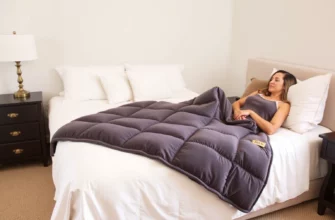
To maximize the therapeutic effect, the blanket should ideally cover only the sleeper, not the entire bed. By reducing the surface area distribution, you ensure that the majority of the weight is resting directly on your body rather than hanging off the sides of the mattress. If your blanket feels too light, check the dimensions before simply adding more pounds.
Why It Didnt Work: Troubleshooting the Weighted Blanket Fail
Sometimes the problem isn’t the weight at all, but rather the sensory “noise” created by the blanket’s construction. A weighted blanket fail often stems from poor material choices that interfere with the user’s temperature regulation or tactile preferences.
- The “Bean Bag” Sound: Plastic poly pellets can be noisy when you shift, which can be jarring for light sleepers or those with auditory sensitivities.
- Heat Trapping: Many weighted blankets use synthetic polyester fill to pad the weights, which acts as an insulator and causes night sweats.
- Weight Shifting: Lower-quality blankets have large pockets that allow the beads to bunch up in the corners, leading to uneven pressure.
Heat Retention and Material Choice
Overheating is the number one reason people stop using weighted blankets. When your core temperature rises, your body struggles to enter deep sleep, negating any calming benefits the weight might have provided. For a better experience, look for a cooling weighted blanket made from breathable fabrics like bamboo, Tencel, or open-weave cotton.
The internal fill also matters; glass beads are generally superior to plastic pellets because they are smaller, denser, and hold less heat. Because glass beads take up less physical space, the blanket can be thinner and more breathable while still providing the necessary weight for nervous system regulation.
Sensory Hacks for When You Can’t Afford a Weighted Blanket
High-quality weighted blankets can be a significant financial investment, often ranging from $100 to $300. If you can’t afford a weighted blanket right now, there are several budget-friendly sensory tools that provide similar deep pressure stimulation without the high price tag.
The goal is to provide “grounding” input to the joints and muscles. You can achieve this by layering existing bedding or using repurposed household items. The key is to focus on the sensation of “cocooning” rather than just pure mass.
Low-Cost Pressure Alternatives
One of the most effective budget sensory tools is the compression sheet. These are spandex-based sleeves that wrap around the mattress and the sleeper. Instead of using gravity (weight), they use tension to provide a consistent “squeeze” that mimics the feel of a weighted blanket at a fraction of the cost.
Alternatively, you can mimic weight by layering several heavy cotton quilts. Cotton is naturally breathable, so stacking three or four quilts can provide significant pressure without the stifling heat of a single thick comforter. For localized pressure, a DIY lap pad filled with dried beans or rice can provide grounding during seated activities or while falling asleep.
Quick Reference: Finding Your Ideal Blanket Weight
To avoid the “too heavy” or “too light” trap, refer to the following guide. Remember that these are recommendations for individual sleepers; if you are sharing a bed, each person should ideally have their own weighted blanket to prevent the weight from being lost in the middle of the bed.
| User Body Weight | Recommended Blanket Weight | Ideal Blanket Size |
|---|---|---|
| 90 — 120 lbs | 10 lbs | Small / Twin |
| 130 ⸺ 160 lbs | 15 lbs | Twin / Individual |
| 170 — 210 lbs | 20 lbs | Individual / Full |
| 220+ lbs | 25 lbs | Full / Queen (Single User) |
In my professional experience, I have found that the “Goldilocks Zone” of deep pressure is a moving target. Sensory needs are dynamic; a blanket that feels perfect on a high-stress Tuesday might feel suffocating on a relaxed Saturday. I always advise my clients to prioritize the ability to self-regulate. This means that safety—specifically your ability to independently remove the blanket—is the only non-negotiable factor. If you feel “trapped,” your brain will interpret the pressure as a threat, which completely defeats the clinical purpose of the tool. Start light and focus on the quality of the “hug” rather than the number on the scale.
Frequently Asked Questions
Most users require an adjustment period of 3 to 7 nights for the nervous system to habituate to the new sensory input. Start by using it over your legs for short periods before sleeping under it for a full night.
Can a weighted blanket cause joint or back pain?
Yes, if the blanket is too heavy or the weight is poorly distributed, it can strain the ligaments in your hips and knees, especially for side sleepers. If pain persists, reduce the weight or switch to a more flexible, knitted version.
What should I do if my blanket feels too light after a few months?
This is often due to sensory habituation. To “reset” your nervous system, take a break from the blanket for 2-3 nights. When you return to it, your brain will likely be more responsive to the pressure again.
Are weighted blankets safe for side sleepers?
Side sleepers should generally opt for a slightly lighter weight (around 7-10% of body weight). Because your body’s surface area touching the mattress is smaller when on your side, the pressure is more concentrated on your joints.
Is it okay to use a weighted blanket if I have claustrophobia?
For those with claustrophobia, a traditional weighted blanket can trigger anxiety. I recommend trying a chunky-knit weighted blanket, as the open loops allow you to see through the fabric and provide constant airflow, reducing the feeling of being trapped.