- Cold Plunge With a Cold: Does It Boost Immunity or Stall Recovery?
- How the Body Responds to Cold Exposure While Sick
- The Safety Spectrum: When to Plunge and When to Rest
- Cold Plunging With a Head Cold vs․ a Deep Chest Cough
- Common Misconceptions About Sickness and Cold Exposure
- Does Cold Water Actually Kill Viruses?
- Special Considerations: POTS, Hives, and Frozen Environments
- Managing POTS Syndrome and Cold Urticaria (Hives)
- Plunging in Freezing Weather and Outdoor Elements
- Gentle Alternatives: Plunging Your Face to Stimulate the Vagus Nerve
- The Benefits of Plunging Your Face in Cold Water While Sick
- The Afterdrop and Post-Plunge Safety for the Sick
- How to Warm Up Safely Without Shivering
- Frequently Asked Questions
Cold Plunge With a Cold: Does It Boost Immunity or Stall Recovery?
Deciding whether to step into an ice bath when you are feeling under the weather requires a deep understanding of your body’s current biological priorities․ While cold water immersion is a celebrated tool for building long-term resilience, it is fundamentally a physiological stressor that demands a significant metabolic price․ When you are fighting a viral infection, your “stress budget” is already heavily allocated toward immune cell production and temperature regulation, leaving little room for the shock of freezing water․
How the Body Responds to Cold Exposure While Sick
The moment your skin hits the water, your sympathetic nervous system triggers a massive release of norepinephrine, which can increase by up to 500%․ While this neurotransmitter is effective at reducing systemic inflammation under normal conditions, it also causes a spike in heart rate and blood pressure․ If you are already dealing with a viral load, this sudden surge can overtax your cardiovascular system, which is already working overtime to transport white blood cells to the site of infection․
Immune cell mobilization is another factor often misunderstood in the context of being sick․ Under healthy conditions, the “cold shock response” causes a temporary increase in the concentrations of T-lymphocytes and natural killer cells․ However, when you are actively symptomatic, your body is not looking for a temporary boost; it is looking for consistent resources․ Diverting energy to maintain your core body temperature through non-shivering thermogenesis can actually starve your immune system of the ATP it needs to continue the fight․
There is a distinct physiological difference between a localized head cold and a systemic illness like the flu․ A head cold involves localized inflammation in the sinus cavities, where vasoconstriction from the cold might provide temporary relief from swelling․ Conversely, systemic illnesses involve body-wide aches and fatigue, signaling that your metabolic resources are entirely committed to recovery․ In these cases, the “hormetic stress” of a plunge ceases to be a positive adaptation and instead becomes a recovery-stalling burden․
The Safety Spectrum: When to Plunge and When to Rest
Navigating the transition from health to illness requires a pragmatic approach to hydrotherapy․ Most experienced practitioners follow the “Neck Rule,” which serves as a biological compass for determining if the body can handle the rigors of cold exposure․ Understanding where your symptoms fall on this spectrum is the difference between a refreshing dip and a week-long relapse․
| Symptom Category | Physical Indicators | Plunge Status |
|---|---|---|
| Above the Neck | Runny nose, sneezing, mild sinus pressure, scratchy throat․ | Proceed with Caution: Keep sessions under 2 minutes and focus on nasal breathing․ |
| Below the Neck | Deep chest cough, body aches, bronchial congestion, swollen glands․ | Strict Rest: Avoid the plunge; your body needs every ounce of energy for cellular repair․ |
| Systemic Warning | Fever, chills, extreme fatigue, nausea․ | Danger Zone: Cold exposure can cause dangerous shivering and interfere with the body’s natural heat-defense․ |
Cold Plunging With a Head Cold vs․ a Deep Chest Cough
If you are dealing with a simple head cold, a brief immersion can act as a natural decongestant․ The vasoconstriction caused by the cold air and water shrinks the blood vessels in the nasal passages, providing immediate, albeit temporary, relief from a stuffy nose․ However, the duration must be strictly limited; sixty to ninety seconds is often enough to trigger the anti-inflammatory response without depleting your glycogen stores․
When a cold moves into the chest, the risks escalate significantly․ Cold air and water can trigger bronchospasms, which are sudden constrictions of the muscles in the walls of the bronchioles․ For someone with bronchitis or a deep cough, this can lead to an acute shortness of breath or a coughing fit that further irritates the lungs․ Furthermore, the metabolic demand of warming the body back up after a chest-heavy illness can lead to metabolic exhaustion, making it much harder for your lungs to clear mucus and debris․
The most critical contraindication is a fever․ A fever is not a mistake; it is a highly evolved defense mechanism designed to make your body an inhospitable environment for pathogens․ When you plunge into cold water with a fever, you are artificially forcing your core temperature down, which can confuse the hypothalamus and lead to violent, uncontrollable shivering․ This shivering uses massive amounts of glucose and can lead to a secondary “crash” that leaves you more vulnerable to the virus than before you entered the water․
Common Misconceptions About Sickness and Cold Exposure
The “tough it out” culture surrounding cold water therapy often leads to the dangerous myth that you can “freeze out” a virus․ This line of thinking ignores the basic principles of virology and human physiology․ While cold water is a powerful tool for longevity, its application during an acute infection must be handled with nuance rather than bravado․
Warning: Viruses are remarkably resilient and are not killed by the temperatures found in a standard cold plunge (39°F–55°F)․ In fact, lowering your core temperature while sick can suppress the very immune functions required to neutralize the viral threat․ Consistency in health is always superior to “heroic” plunges during a crisis․
Does Cold Water Actually Kill Viruses?
There is no scientific evidence to support the idea that cold water immersion kills viruses within the human body․ Pathogens like the rhinovirus or influenza thrive inside your cells, where the temperature is tightly regulated․ By plunging, you aren’t cooling the virus; you are cooling your peripheral tissues and forcing your heart to work harder to maintain your internal 98․6°F․ This creates a state of internal conflict where your body is fighting the external cold and the internal infection simultaneously․
Another misconception is that the “immune boost” from a cold plunge is immediate․ While cold exposure increases the production of leukocytes, this is a long-term adaptive response, not an instant cure․ If you are already symptomatic, your white blood cell count is already elevated․ Adding the stress of a plunge can actually lead to leukocyte sequestration, where immune cells move out of the bloodstream and into the tissues as a stress response, potentially leaving you less protected against the virus in the short term․
Prioritizing “heroic” plunges when you have the flu is often a recipe for prolonged illness․ The recovery window after a cold plunge usually involves a period of suppressed immunity known as the “open window” theory in exercise science․ During this time, which can last for several hours, your body is focused on restoring homeostasis․ If you are already sick, this open window provides an opportunity for the virus to replicate more aggressively while your defenses are distracted by the cold shock․
Special Considerations: POTS, Hives, and Frozen Environments
For individuals with specific underlying conditions, the interaction between cold water and illness is even more complex․ When your immune system is already hyper-reactive due to a cold, it can trigger unusual responses that wouldn’t normally occur․ This is particularly true for those managing autonomic nervous system issues or skin sensitivities that are exacerbated by temperature extremes․
Managing POTS Syndrome and Cold Urticaria (Hives)
Individuals with Postural Orthostatic Tachycardia Syndrome (POTS) must be extremely cautious․ Cold water causes rapid vasoconstriction, which initially helps blood flow, but the subsequent “rebound” vasodilation can cause a dramatic drop in blood pressure․ When you are sick, your hydration levels are often lower, making this blood pressure swing even more dangerous․ Always ensure you are hyper-hydrated with electrolytes if you have POTS and are considering any form of cold therapy while unwell․
Cold Urticaria, or cold-induced hives, is another risk․ When your immune system is primed by a virus, it is more likely to release histamine in response to the physical “insult” of the cold․ This can result in itchy, red welts across the skin․ If this happens, it is a clear sign that your mast cells are over-reactive and you should immediately cease cold exposure until you have been symptom-free for at least a week․
Chilblains are small, itchy swellings on the skin that occur when small blood vessels rewarm too quickly after cold exposure․ If you are sick, your peripheral circulation is often compromised as the body pulls blood toward the core to protect vital organs․ This makes you significantly more susceptible to chilblains․ If you notice your fingers or toes turning blue or purple and then becoming painfully itchy as they warm, avoid the plunge to prevent permanent tissue damage․
Plunging in Freezing Weather and Outdoor Elements
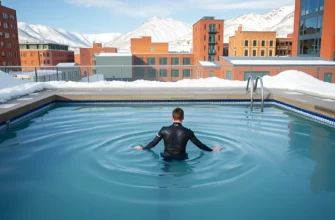
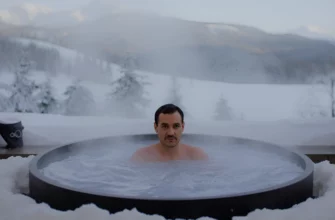
Taking an arctic cold plunge in an outdoor setting during winter adds another layer of environmental stress․ When the air temperature is below freezing, your body loses heat much faster through the respiratory tract․ For a sick person, breathing in sub-zero air while submerged in 40°F water can lead to a doubling of the metabolic load․ This is often when people report their eyes twitching or facial muscles cramping, which are signs of electrolyte imbalance and neuromuscular strain․
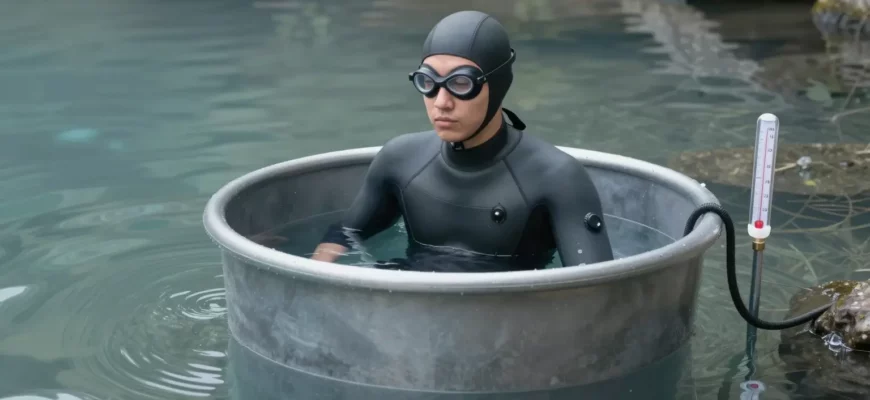
Safety protocols for outdoor plunges must be 100% more stringent when you are ill․ The risk of hypothermia increases because a sick body is less efficient at generating heat through movement․ If you are plunging in a frozen lake or an outdoor stock tank, never plunge alone․ Your ability to recognize the early signs of mental confusion or loss of motor control is significantly diminished when you are already suffering from “brain fog” associated with a head cold․
Gentle Alternatives: Plunging Your Face to Stimulate the Vagus Nerve
If you are too sick for a full-body immersion but crave the mental clarity and anti-inflammatory benefits of the cold, there is a much safer alternative․ By focusing only on the face, you can trigger the mammalian dive reflex without the massive metabolic cost of a full plunge․ This allows you to support your recovery without draining your energy reserves․
The Benefits of Plunging Your Face in Cold Water While Sick
Plunging your face into a bowl of ice water targets the trigeminal nerve, which sends a direct signal to the vagus nerve to slow down the heart rate and activate the parasympathetic nervous system․ This “rest and digest” state is exactly where your body needs to be to heal․ Unlike a full plunge, this method does not require your body to engage in shivering or massive heat production, making it a low-cost, high-reward strategy for the sick․
- Fill a large bowl with cold water and add a few ice cubes to reach a temperature of approximately 50°F;
- Clear your nasal passages and take a deep, calming breath․
- Submerge your entire face—including your forehead and temples—for 15 to 30 seconds․
- Focus on the sensation of your heart rate slowing down as the dive reflex takes over․
- Repeat 2–3 times, ensuring you dry off thoroughly and stay warm between sets․
This technique is especially effective for sinus pressure; The cold water causes immediate vasoconstriction in the capillaries around the nose and eyes, which can drain fluid and reduce the “heavy” feeling in the head․ It is an excellent morning routine for those who feel groggy from cold medication or lack of sleep, providing a dopamine hit that can improve your mood without the physical exhaustion of a standard ice bath․
The Afterdrop and Post-Plunge Safety for the Sick
The most dangerous part of cold plunging while sick isn’t always the water itself; it’s the afterdrop․ This occurs when you leave the water and the cold blood from your extremities begins to circulate back to your core, causing your internal temperature to continue falling even though you are in a warm environment․ For a healthy person, this is a manageable challenge, but for a sick person, it can lead to severe chills and a weakened immune state․
How to Warm Up Safely Without Shivering
To minimize the afterdrop, you must manage your rewarming process with precision․ The goal is to encourage gradual vasodilation․ If you jump into a hot shower immediately, you will force the cold blood back to your heart too quickly, which can lead to dizziness or fainting․ Instead, focus on external insulation and light, non-taxing movement to generate internal heat slowly․
- Do: Pat yourself dry immediately and put on wool socks and a heavy sweatshirt․
- Do: Sip a warm (not hot) herbal tea to raise your temperature from the inside out․
- Do: Use diaphragmatic breathing to keep your nervous system calm․
- Don’t: Take a hot shower for at least 30 minutes after your plunge․
- Don’t: Plunge at night, as the spike in cortisol can interfere with the deep sleep required for viral recovery․
- Don’t: Use a sauna immediately after if you have a cough, as the dry heat can irritate the lungs․
If you find yourself shivering uncontrollably for more than 10 minutes after a plunge, you have stayed in too long or your body is too sick to handle the exposure․ Shivering is a sign of metabolic distress․ In this state, your body is burning through glucose that should be used to fuel your immune system’s response to the cold․ If you are sick, your “shiver threshold” is much lower, meaning you need to be twice as careful about your exit strategy and rewarming protocol․
In my professional experience, the biggest mistake people make is treating cold plunging as a “test of will” rather than a biological tool․ When you are sick, your Heart Rate Variability (HRV) typically drops and your Resting Heart Rate (RHR) climbs․ These are clear signals from your autonomic nervous system that you are in a state of high strain․ I always advise my athletes to stay out of the water if their RHR is 10 beats per minute above their baseline․ Stacking the “good stress” of a cold plunge on top of the “bad stress” of a virus often leads to what we call overtraining syndrome, where the body simply stops responding to positive stimuli․ Listen to your data, not your ego; the water will still be cold when you’re healthy․
Frequently Asked Questions
No․ You should strictly avoid cold plunging with a fever․ A fever is your body’s intentional mechanism to fight infection; forcing your temperature down interferes with this defense and can cause dangerous, energy-depleting shivering․
Is it okay to cold plunge with a cough or bronchitis?
It is generally discouraged․ Cold water and air can trigger bronchospasms, making it harder to breathe and potentially worsening respiratory inflammation or irritation in the lungs․
Will a cold plunge help get rid of a head cold faster?
No․ While the vasoconstriction may temporarily clear your sinuses and make you feel better for an hour, there is no clinical evidence that cold exposure shortens the lifespan of a viral infection․
What are the risks of cold plunging in freezing weather while sick?
The primary risks are hypothermia and a severe afterdrop․ A sick body cannot thermoregulate as efficiently, meaning your core temperature can drop to dangerous levels much faster than usual․
Can children do cold plunges when they have a cold?
No․ Children have a higher surface-area-to-mass ratio and lose heat much faster than adults․ You should never subject a sick child to cold water therapy without direct pediatric consultation․
Why does my skin get hives after a cold plunge?
This is likely Cold Urticaria․ When you are sick, your immune system is hyper-reactive, making you more prone to histamine releases․ If hives appear, stop plunging and consult a doctor, as it indicates your immune system is under significant stress․