- Does a Cold Plunge for Sleep Actually Work?
- The Science of Core Temperature and Circadian Rhythms
- Critical Safety Warnings: When Cold Plunging Becomes Dangerous
- Understanding the Risk of Cardiac Arrest and Stroke
- Neurological Health: Dementia, Alzheimers, and Parkinsons
- Can Cold Shock Proteins Protect the Aging Brain?
- Navigating Specific Medical Conditions and Autoimmune Factors
- Thyroid Health and Graves Disease
- Immune Response: From White Blood Cells to Herpes Outbreaks
- The Vagus Nerve Hack: Why Your Face Matters Most
- Activating the Parasympathetic System Without Full Immersion
- Debunking Myths: Weight Gain and Pediatric Safety
- Is Cold Immersion Safe for Children and Teens?
- Lymphedema, Lipoma, and Skin Health Considerations
- Managing Swelling and Fatty Tissue Issues
- Expert Perspective: A Medical Perspective on Cold Stress and Recovery
- Frequently Asked Questions
Does a Cold Plunge for Sleep Actually Work?
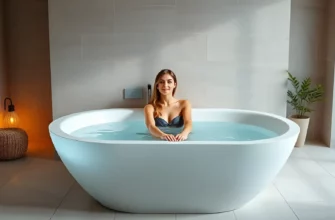
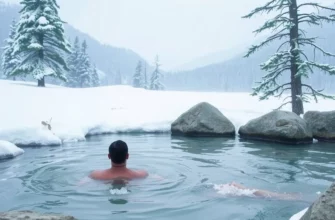
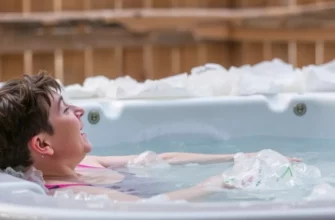
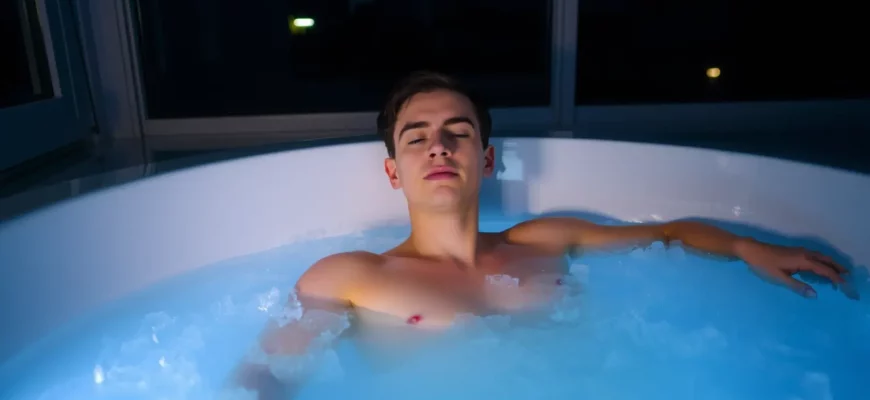
The relationship between cold water immersion and restorative rest is rooted in the body’s fundamental drive to maintain homeostasis. While most people associate a freezing dip with a morning energy boost, the physiological aftermath is what sets the stage for high-quality slumber. By strategically timing a plunge, you are essentially hijacking your internal thermostat to favor the cooling phase of your circadian cycle.
To understand why this works, we have to look at how the brain interprets temperature shifts. When you exit a cold tub, your body works overtime to move blood from your core back to your extremities, a process that eventually leads to a steady decline in your internal temperature. This downward trend is exactly what the brain needs to initiate the transition into deep, non-REM sleep stages.
The Science of Core Temperature and Circadian Rhythms
Your circadian rhythm is an internal clock that dictates when you feel alert and when you feel drowsy. A primary signal for this clock is the rise and fall of your core body temperature. Normally, your temperature begins to drop in the late afternoon and continues to fall throughout the night, reaching its lowest point around 4:00 AM. By utilizing a cold plunge, you can accelerate this cooling process, effectively lowering body temperature for rest much faster than the environment alone would allow.
When the hypothalamus—the brain’s command center for temperature regulation—senses a rapid cooling of the skin and core, it triggers a cascade of neurochemical events. One of the most significant is the early signaling of melatonin production. Melatonin is often called the “vampire hormone” because it only comes out in the dark and when the body is cooling down. By mimicking the natural evening temperature drop, cold therapy can help in improving sleep quality naturally, making it easier to fall asleep and stay in the deeper, more restorative phases of the sleep cycle.
Critical Safety Warnings: When Cold Plunging Becomes Dangerous
While the benefits for sleep are compelling, cold water immersion is a massive physiological stressor that can turn dangerous in seconds for those with underlying health issues. The immediate reaction to freezing water, known as the cold shock response, causes an instantaneous spike in heart rate and a massive surge in blood pressure. For a healthy individual, this is a manageable hormetic stressor; for others, it is a recipe for disaster.
The danger lies in the “gasp reflex” and the sudden constriction of blood vessels. This combination places an immense load on the left ventricle of the heart. If your cardiovascular system is already compromised, the sudden demand for oxygenated blood can lead to a total system failure.
| Common Mistake | The Safety Risk | The Correct Approach |
|---|---|---|
| Plunging alone | Inability to exit the water if “cold shock” causes muscle paralysis or fainting. | Always have a spotter or partner nearby who can assist you if you become incapacitated. |
| Holding your breath upon entry | Increases internal thoracic pressure, putting dangerous strain on the heart. | Focus on long, slow exhales to bypass the gasp reflex and calm the nervous system. |
| Staying in too long | Risk of hypothermia and “afterdrop,” where core temperature continues to fall after exiting. | Limit initial sessions to 1-3 minutes; more time does not equal more benefits. |
| Plunging with high blood pressure | Sudden vasoconstriction can trigger a stroke or heart attack. | Consult a cardiologist and ensure blood pressure is managed before attempting full immersion. |
Understanding the Risk of Cardiac Arrest and Stroke
The primary concern for medical professionals regarding cold therapy is the risk of preventing cold plunge cardiac arrest. When you hit the water, your sympathetic nervous system goes into overdrive, releasing a flood of norepinephrine. This causes your peripheral blood vessels to tighten instantly to protect your organs. If you have undiagnosed plaque in your arteries, this sudden pressure can cause a rupture or a complete blockage, leading to a myocardial infarction.
Furthermore, the signs of cold-induced stroke are often masked by the general discomfort of the cold. A sudden, sharp headache or localized numbness that persists after exiting the water should never be ignored. Because cold plunge bad if you have high blood pressure is a recurring theme in emergency rooms, anyone with a history of hypertension must realize that the “shock” of the water is essentially a stress test for their entire vascular network.
Neurological Health: Dementia, Alzheimers, and Parkinsons
Recent breakthroughs in neuroscience have sparked interest in how extreme temperature shifts might influence the aging brain. The focus isn’t just on the immediate feeling of mental clarity, but on the long-term metabolic health of neurons. While it is vital to state that cold plunges are not a “cure,” the research into neuroprotective proteins offers a glimmer of hope for those looking to support cognitive longevity.
The brain’s ability to clear out metabolic waste and repair damaged synapses is critical in the fight against neurodegenerative diseases. Cold therapy appears to stimulate pathways that are often dormant in our climate-controlled, modern lives.
Can Cold Shock Proteins Protect the Aging Brain?
At the center of this research is a specific “cold-shock protein” known as RBM3. Studies, particularly those involving hibernating mammals and later expanded to laboratory models, suggest that RBM3 plays a vital role in synapse regeneration. In neurodegenerative conditions, synapses—the connections between brain cells—wither away. Evidence suggests that repeated exposure to cold may help trigger RBM3, potentially providing cold plunge for alzheimers support by slowing the rate of synaptic loss.
When considering cold therapy for parkinsons symptoms, the focus shifts toward the reduction of neuroinflammation and the management of dopamine levels. However, safety is paramount for elderly patients. Cognitive decline can impair a person’s ability to judge their own body temperature or the passage of time, making them highly susceptible to hypothermia. Any application of cold therapy for dementia patients must be strictly supervised and kept to moderate temperatures to avoid the extreme cardiovascular stress mentioned previously.
Navigating Specific Medical Conditions and Autoimmune Factors
Cold water immersion affects every system in the body, which means it can have unpredictable effects on chronic medical conditions. For some, the cold is an anti-inflammatory miracle; for others, it is a trigger that can lead to a flare-up of symptoms. Understanding your specific “biological baseline” is necessary before jumping into a chest freezer full of ice.
- Graves’ Disease: Hyperthyroidism makes it difficult for the body to regulate heat, making extreme cold a significant metabolic burden.
- Epilepsy: The intense sensory input of 50-degree water can trigger seizure activity in sensitive individuals.
- Herpes Simplex: The “stress” of the cold can occasionally weaken the local immune response enough to allow a dormant virus to flare up.
- Immune Function: While it can boost white blood cell counts over time, the initial shock can temporarily suppress the system.
Thyroid Health and Graves Disease
For those cold plunging with graves disease, the experience can be particularly taxing. Graves’ disease accelerates the metabolism, often leading to a higher resting heart rate and sensitivity to temperature changes. Because the thyroid is the master controller of thermoregulation, a person with hyperthyroidism may find that their body cannot “re-warm” efficiently after a plunge. This leads to prolonged shivering and a thyroid sensitivity to cold that can cause extreme fatigue and heart palpitations.
Immune Response: From White Blood Cells to Herpes Outbreaks
There is a common myth that cold water causes pneumonia; in reality, pneumonia is a bacterial or viral infection. However, the immune system response to cold water is complex. While regular plunges can increase the concentration of circulating white blood cells, the acute stress of the water can act as a cold plunge and viral triggers mechanism. If you are already “run down,” the cortisol spike from the cold may be the tipping point that allows a dormant herpes virus or a latent cold to manifest into full symptoms.
The Vagus Nerve Hack: Why Your Face Matters Most
If full-body immersion feels too risky or intense, there is a “back door” to the nervous system that provides many of the same sleep benefits with significantly less danger. This involves the benefits of facial cold immersion. By specifically targeting the cold receptors on your face, you can trigger a primal biological response that immediately slows the heart and calms the mind.
The trigeminal nerve, which services the face, is directly wired to the vagus nerve. When you submerge your face in icy water, you activate the mammalian dive reflex. This reflex is an evolutionary vestige that tells your body to conserve oxygen and lower its metabolic rate—the perfect state for heading to bed.
- Fill a large bowl with cold water and several ice cubes.
- Take a deep breath and gently submerge your face, ensuring your forehead and the area around your eyes are covered.
- Hold for 15 to 30 seconds, or as long as comfortable.
- Repeat 3 times, allowing your heart rate to settle between “dives.”
Activating the Parasympathetic System Without Full Immersion
The beauty of stimulating the vagus nerve with cold water via the face is that it bypasses the massive peripheral vasoconstriction that causes blood pressure spikes in full-body plunges. This makes it a much safer alternative for those with minor cardiovascular concerns. This method focuses on the parasympathetic nervous system—the “rest and digest” mode—rather than the sympathetic “fight or flight” mode. It is an excellent tool for silencing “racing thoughts” before sleep.
Debunking Myths: Weight Gain and Pediatric Safety
The world of biohacking is full of misinformation, particularly regarding weight loss and child safety. One persistent and confusing claim is that cold plunges cause weight gain. This likely stems from a misunderstanding of how the body uses fat. While the body may slightly increase subcutaneous fat layers in response to chronic, extreme cold to insulate organs, the metabolic reality is that cold exposure increases the activity of “brown fat,” which burns calories to generate heat.
Myth: Cold plunging is a great way to “toughen up” children and teens.
Fact: Children have a much higher surface-area-to-volume ratio than adults, meaning they lose heat at a dangerously fast rate. Their ability to thermoregulate is not fully developed, making the risk of pediatric cold water safety a major concern.
Is Cold Immersion Safe for Children and Teens?
When parents ask is cold plunging unhealthy for kids, the answer is generally yes, unless it is done in very mild temperatures for very short durations. A child’s core temperature can drop to hypothermic levels in a fraction of the time it takes an adult’s. Furthermore, the psychological stress of the cold shock can be traumatizing for a developing nervous system. It is best to wait until late adolescence before introducing intentional cold stress.
Lymphedema, Lipoma, and Skin Health Considerations
For those dealing with chronic swelling or fatty tissue growths, cold therapy offers a mixed bag of results. The primary mechanism at play here is vasoconstriction followed by vasodilation. This “pumping” action can be beneficial for moving fluid, but it must be done with an understanding of the underlying pathology.
In the case of cold plunge for lymphedema relief, the cold helps to reduce the immediate inflammation and “heaviness” in the limb. However, if the water is too cold, it can actually cause the lymphatic vessels to spasm, potentially worsening the blockage. A more moderate approach is often more effective for lymphatic drainage.
Managing Swelling and Fatty Tissue Issues
When it comes to lipoma and cold therapy, there is no evidence to suggest that cold water will shrink a lipoma (a benign fatty tumor). However, many people find that the cold helps manage the discomfort or “tightness” associated with lipomas located near nerves. Because cold reduces the sensitivity of pain receptors, it can provide temporary relief from the pressure these growths often exert on surrounding tissue.
Expert Perspective: A Medical Perspective on Cold Stress and Recovery
In my professional experience, I have seen cold plunging evolve from a niche athletic recovery tool to a mainstream wellness trend, often without the necessary safety guardrails. I always advise my clients that while cold water is a powerful hormetic stressor, its power is a double-edged sword. You must have a baseline level of cardiovascular health before even considering a sub-50-degree plunge. I have found that the most successful practitioners are those who treat the cold with respect rather than bravado. Never plunge alone, especially when you are testing your limits to improve sleep or cognitive function. The goal is to nudge the nervous system into resilience, not to overwhelm it into a state of crisis.
Frequently Asked Questions
Yes. The immediate cold shock response causes a sudden increase in heart rate and blood pressure, which can trigger cardiac arrest in individuals with undiagnosed or underlying heart conditions.
How long before bed should I cold plunge for better sleep?
It is best to plunge 1 to 2 hours before bed. This gives your body enough time for the initial spike in alertness (norepinephrine) to fade and allows your core temperature to begin its sleep-inducing drop.
Is it true that cold water can help with dementia?
Research into cold-shock proteins like RBM3 suggests potential neuroprotective benefits, but cold therapy is currently considered a supportive metabolic tool rather than a primary treatment for Alzheimer’s or dementia.
Does cold plunging cause pneumonia or fever?
Cold water itself does not contain the pathogens that cause pneumonia. However, extreme cold can cause significant physical stress which may temporarily weaken the immune system if you are already fighting an underlying infection.
Why do some people say cold plunging causes weight gain?
This is a common misunderstanding. While the body may store small amounts of insulating fat in response to chronic cold, the science shows that cold exposure generally increases metabolic rate through the activation of brown adipose tissue.
Can I cold plunge if I have epilepsy?
You should only do so with direct clearance from your neurologist. The intense sensory shock and rapid physiological changes can potentially trigger seizures in sensitive individuals.