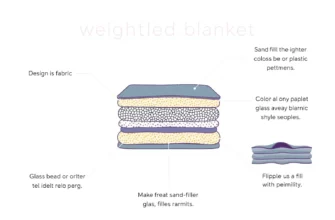
- Why a Weighted Blanket for Fibromyalgia is Becoming a Recovery Essential
- The Science of Deep Pressure for Chronic Pain Relief
- Optimizing Muscle Recovery and Calming Involuntary Spasms
- Soothing Muscle Spasms and Leg Cramps at Night
- Quick Reference: Choosing Your Blanket Based on Symptoms
- Managing Nerve Pain: Peripheral Neuropathy and Growing Pains
- From Growing Pains to Neuropathic Tingling
- The Inflammatory Connection: Immune Support and Digestive Comfort
- Can Weight Help with IBS and Migraine Tension?
- Are Weighted Blankets with Magnets Worth the Investment?
- Checklist: How to Safely Use a Weighted Blanket for Recovery
- Expert Perspective: Sensory Integration for Chronic Pain
- Frequently Asked Questions
Why a Weighted Blanket for Fibromyalgia is Becoming a Recovery Essential
Fibromyalgia is often characterized by central sensitization, a state where the nervous system stays in a persistent high-alert mode․ This “volume knob” on pain is effectively stuck in the maximum position, making even light touches feel overwhelming․ Using a weighted blanket for fibromyalgia offers a mechanical way to dial down this intensity by providing consistent, calming sensory input․
The primary mechanism at play is Deep Pressure Stimulation (DPS), which mimics the sensation of a firm hug or swaddling․ This tactile input signals to the brain that the environment is safe, helping to lower heart rates and reduce the production of stress hormones․ For those living with chronic pain, this physical grounding provides a much-needed anchor during moments of sensory overload․
The Science of Deep Pressure for Chronic Pain Relief
To understand why a weighted blanket for pain relief works, we have to look at the autonomic nervous system․ Most people with chronic pain exist in a state of sympathetic dominance—the “fight or flight” response․ Deep pressure helps facilitate a shift toward the parasympathetic nervous system, which governs “rest and digest” functions․ When this shift occurs, the body can finally begin the work of cellular repair and neurotransmitter regulation․
Furthermore, the constant pressure acts as a sensory distraction․ According to the Gate Control Theory of pain, the brain can only process a certain amount of information at once․ By providing a steady stream of non-painful tactile input, the blanket can effectively mask the background noise of widespread aching, allowing the user to focus on relaxation rather than their symptoms․
Optimizing Muscle Recovery and Calming Involuntary Spasms
Physical recovery isn’t just for elite athletes; for someone with chronic fatigue or fibromyalgia, a trip to the grocery store can require a recovery period․ Using a weighted blanket for muscle recovery is gaining traction because it addresses the physiological need for stillness․ When muscles are overtaxed, they often twitch or remain in a state of semi-contraction, leading to exhaustion․
By grounding the body, these blankets provide a physical limit to involuntary movement․ This is particularly beneficial for those who experience “restless” sensations after physical exertion․ The weight provides a sense of enclosure that prevents the micro-movements that often disrupt deep, restorative sleep stages․
Soothing Muscle Spasms and Leg Cramps at Night
Nighttime is often when the body’s internal “glitches” become most apparent․ For those searching for a weighted blanket for muscle spasms, the benefit lies in the mechanical stabilization of the limbs․ The weight acts as a gentle anchor, making it harder for the legs to jerk or twitch during the transition from wakefulness to sleep․
For individuals dealing with a weighted blanket for leg spasms or even a weighted blanket for foot cramps, the pressure helps to elongate the muscle fibers․ This gentle stretch, combined with the warmth often provided by the blanket, increases local circulation and helps flush out metabolic waste products like lactic acid that can contribute to cramping․
Quick Reference: Choosing Your Blanket Based on Symptoms
Not every pain profile requires the same approach․ Use the following guide to determine how different mechanisms of action serve specific physical needs․
| Symptom | Mechanism of Action | Suggested Weight |
|---|---|---|
| Widespread Fibro Pain | Cortisol reduction and serotonin boost via DPS | 10% of total body weight |
| Restless Leg Syndrome | Mechanical limb stabilization and grounding | 10% to 12% of body weight |
| Peripheral Neuropathy | Sensory gating to desensitize nerve endings | 7% to 10% (avoid excessive pressure) |
| Abdominal Anxiety (IBS) | Vagus nerve stimulation and digestive calming | Weighted lap pad or light blanket |
| Migraine Tension | Proprioceptive input to reduce neck/shoulder strain | Small weighted neck or shoulder wrap |
Managing Nerve Pain: Peripheral Neuropathy and Growing Pains
Nerve pain is notoriously difficult to treat because it often manifests as tingling, burning, or “electric” shocks․ For those with peripheral neuropathy, light fabrics like a thin sheet or a moving duvet can actually trigger pain because of the unpredictable nature of the contact․ A weighted blanket provides a consistent, predictable stimulus that the brain can eventually “tune out․”
The weight provides a form of sensory grounding that is far more tolerable than the shifting of light bedding․ By keeping the skin’s mechanoreceptors occupied with a steady pressure, the brain is less likely to misinterpret stray signals as sharp pain․
From Growing Pains to Neuropathic Tingling
While often associated with adults, sensory grounding is equally vital for children․ Using a weighted blanket for growing pains can be a game-changer for kids who wake up crying from deep aches in their shins or thighs․ The pressure provides a “hug” for the bones and muscles, distracting the nervous system from the dull, throbbing ache of growth spurts․
In the context of neuropathy, this same principle applies to desensitizing overactive nerve endings․ Always ensure the blanket is not so heavy that it restricts blood flow to the extremities, as maintaining healthy circulation is paramount for nerve health․
The Inflammatory Connection: Immune Support and Digestive Comfort
There is a profound link between chronic stress, poor sleep, and systemic inflammation․ When we don’t sleep, our bodies produce more pro-inflammatory cytokines, which can worsen conditions like fibromyalgia and IBS․ Utilizing a weighted blanket for inflammation management is an indirect but effective strategy: by improving sleep quality, you are effectively giving your immune system the window it needs to regulate itself․
Better sleep hygiene leads to a more resilient immune system․ When the body is in a state of deep rest, it can better manage the inflammatory markers that lead to joint pain and digestive upset․
Can Weight Help with IBS and Migraine Tension?
The gut and the brain are in constant communication via the vagus nerve․ For those using a weighted blanket for ibs, the pressure on the abdomen can help soothe the “fight or flight” signals that often lead to digestive urgency and cramping․ It provides a physical sense of security that can lower the visceral hypersensitivity common in gut disorders․
Similarly, a weighted blanket for migraines or a weighted blanket for immune system support works by reducing overall tension․ Many migraines are triggered or worsened by neck and shoulder tightness․ A weighted wrap can help pull the shoulders down and away from the ears, releasing the muscular guarding that contributes to tension headaches․
Are Weighted Blankets with Magnets Worth the Investment?
The niche market of weighted blankets with magnets has grown significantly in the chronic pain community․ These products combine the benefits of deep pressure with “biomagnetism,” based on the theory that magnetic fields can influence blood flow or nerve signaling․ While clinical data is still evolving, the anecdotal evidence from those with fibromyalgia is noteworthy․
Many users report that the combination of weight and magnets provides a deeper level of relief for localized joint pain․ However, it is important to view these as a complementary tool rather than a cure․ If you choose to invest in one, focus on the quality of the blanket’s construction—ensure the magnets are securely sewn into the pockets so they don’t shift or create uncomfortable pressure points․
Checklist: How to Safely Use a Weighted Blanket for Recovery
Before you incorporate a weighted blanket into your routine, follow these safety and efficacy guidelines to ensure you get the most out of the experience․
- Follow the 10% Rule: Your blanket should ideally weigh approximately 10% of your total body weight․ Going too heavy can lead to joint strain, while too light may not trigger the DPS response․
- Prioritize Breathability: Many chronic pain patients suffer from temperature dysregulation․ Look for blankets made from bamboo, cotton, or specialized cooling fabrics to prevent overheating․
- Check for Allodynia: If you are in the middle of a severe fibromyalgia flare where even clothes hurt, do not force yourself to use the blanket․ Wait until the skin sensitivity has subsided․
- Consult Your Physician: If you have respiratory issues, sleep apnea, or circulatory problems, always speak with a doctor before adding significant weight to your chest or limbs․
- Start Small: If you are unsure, try a weighted lap pad first․ This allows you to test your tolerance for deep pressure without committing to a full-sized blanket․
Expert Perspective: Sensory Integration for Chronic Pain
In my professional experience working with sensory processing disorders and chronic pain, I have found that “Sensory Gating” is the most critical concept for patients to understand․ Think of your brain as a busy airport․ In fibromyalgia, every single “plane” (or pain signal) is allowed to land at the same time, causing total chaos․ By providing constant, rhythmic pressure through a weighted blanket, we are essentially giving the air traffic controller a tool to prioritize signals․ The brain begins to prioritize the “safe” signal of the weight, which effectively gates out the background noise of chronic pain․ I always advise my patients to use the blanket for at least 20 minutes before they intend to sleep to allow the nervous system time to transition out of a high-alert state․
Frequently Asked Questions
Yes, though it depends on the type of flare․ If you are experiencing allodynia (skin sensitivity), it may be too much․ However, for most, it is essential for reducing flare duration by forcing the body into a state of restorative, deep sleep․
How heavy should my weighted blanket be for muscle recovery?
The standard 10% of body weight rule is the best starting point․ Athletes or those with significant muscle mass may prefer 12%, but those with joint-specific fibro pain should stick to 10% or slightly less to avoid stressing the joints;
Can weighted blankets help with IBS-related anxiety?
Absolutely․ The pressure helps activate the parasympathetic nervous system, which can slow down the “urgency” signals the brain sends to the gut during times of high stress or anxiety․
Are there specific weighted blankets for fibromyalgia in the UK?
The principles remain the same regardless of location, but UK users should specifically look for “cooling” or “glass bead” versions, as these are better suited for the indoor humidity levels often found in British homes compared to plastic poly-pellets․
Can I use a weighted blanket if I have peripheral neuropathy?
Yes, it is often very helpful․ It provides a grounding sensation that helps the brain interpret nerve signals more accurately․ Just ensure the blanket is not so tight that it restricts circulation in your feet or hands․
Do weighted blankets help with growing pains in children?
They are excellent for this․ The deep pressure provides a physical distraction from the dull, aching sensation in the long bones of the legs, helping children fall back asleep faster during a growth spurt․