- Understanding Why Weighted Blankets Need Covers (and When They Don’t)
- Is a Cover Necessary for Every Type of Weighted Blanket?
- Essential Checklist: Choosing the Right Protective Layer
- Features to Look for in a Weighted Blanket Cover
- The Science of Fillers: Ceramic Beads‚ Silica‚ and Noise Control
- Do Weighted Blankets Leak or Create Noise During Sleep?
- No-Bead Alternatives: Are There Weighted Blankets Without Pellets?
- Safety Standards: Magnets‚ Lead‚ and Fiberglass Myths
- Decoding Material Safety in Modern Sleep Products
- Thermal Control: Heated Functions and BedJet Compatibility
- Can You Use a Heated Weighted Blanket or a BedJet?
- Bed Logistics: Keeping the Blanket in Place
- Stopping the Slide: Why Weighted Blankets Fall Off the Bed
- Sleep Hygiene: Preventing Bedbugs and Fabric Wear
- Can Bugs Live in Your Weighted Blanket?
- Expert Perspective: Weighted Bedding Longevity
- Frequently Asked Questions
Understanding Why Weighted Blankets Need Covers (and When They Don’t)
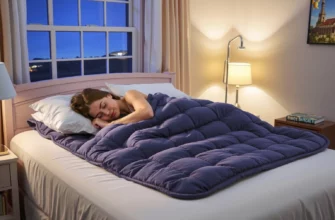
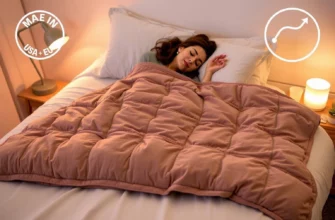
A weighted blanket is more than just a heavy piece of bedding; it is a therapeutic tool designed to facilitate deep pressure stimulation. While many people purchase these blankets for their anxiety-reducing properties‚ they often overlook the logistical reality of maintaining a twenty-pound textile. The question isn’t just about aesthetics; it is about protecting a significant investment in your sleep health.
Most high-quality weighted blankets are constructed with an inner weighted insert and a removable outer layer. While you can technically sleep under the raw insert‚ doing so exposes the delicate internal stitching to friction and body oils. Over time‚ this leads to fabric degradation and potential fill leakage‚ which can render the blanket useless.
Is a Cover Necessary for Every Type of Weighted Blanket?
The necessity of a cover depends largely on your cleaning habits and the blanket’s construction. If you have an “all-in-one” blanket that is marketed as fully machine washable‚ you might feel a cover is redundant. However‚ most residential washing machines are not designed to handle the concentrated weight of a 15-to-25-pound blanket‚ and the agitation process can cause the internal glass micro-beads or plastic pellets to shift or tear through the baffles.
Using a weighted blanket inside a cover provides a sacrificial layer that absorbs sweat‚ dead skin cells‚ and hair oils. Laundering a lightweight duvet cover is a simple weekly task‚ whereas deep-cleaning a weighted insert usually requires a trip to a commercial laundromat or a professional dry cleaner. To ensure the blanket stays centered‚ always verify that your cover has at least six to eight internal anchor loops to prevent the heavy insert from bunching into a ball at the bottom of the fabric.
Essential Checklist: Choosing the Right Protective Layer
Selecting a cover is not just about matching your bedroom decor; it is a functional decision that impacts thermal regulation and the longevity of the inner liner. Use the following checklist to evaluate whether a specific cover meets the technical requirements of a heavy therapeutic blanket.
- Internal Attachment System: Does the cover feature reinforced ties or a button-loop system? Look for at least 8 attachment points for blankets over 15 pounds to ensure even weight distribution.
- Fabric Breathability: If you are a hot sleeper‚ prioritize 300+ thread count breathable cotton or bamboo-derived Lyocell. Avoid thick polyester “Minky” fabrics if you struggle with night sweats.
- Zipper Construction: Is the zipper hidden and made of high-grade nylon? Metal zippers can be noisy and may scratch your skin or the mattress surface during movement.
- Dimensional Accuracy: Does the cover match the blanket’s dimensions exactly? A cover that is even two inches too large will allow the weighted insert to slide‚ creating an uneven and frustrating sleep experience.
- Hypoallergenic Properties: For those with sensory processing sensitivities‚ a hypoallergenic fill or cover material is vital to prevent skin irritation during long-term use.
Features to Look for in a Weighted Blanket Cover
When searching for the perfect layer‚ consider the sensory experience of the fabric. Many users prefer a dual-sided cover that offers a cooling side made of moisture-wicking fabric and a warming side made of plush fleece. This versatility allows you to use the same weighted insert year-round without overheating in the summer months.
Furthermore‚ consider the closure mechanism. While some manufacturers offer weighted blankets that button shut‚ a full-length zipper is generally superior for securing the weight. Buttons can pop under the tension of a heavy blanket‚ especially if you move frequently during the night. If you opt for a cooling fabric‚ ensure it is integrated into the weave rather than applied as a chemical coating‚ as coatings will wash away over time‚ leaving you with a standard‚ non-breathable cover.
The Science of Fillers: Ceramic Beads‚ Silica‚ and Noise Control
The internal components of your blanket dictate its “hand-feel” and sound profile. Most modern weighted blankets have moved away from bulky plastic pellets in favor of glass or ceramic micro-beads. These materials are much denser‚ allowing the blanket to be thinner and more flexible while maintaining the same weight. This thinness makes the blanket feel more like a traditional comforter and less like a heavy bean bag.
However‚ the choice of filler also impacts how the blanket reacts to movement. If you are a light sleeper‚ the sound of shifting beads can be a significant deterrent. Higher-end blankets often use a layer of polyester batting to dampen the sound and lock the beads in place‚ preventing them from “pooling” in the corners of each quilted square.
Do Weighted Blankets Leak or Create Noise During Sleep?
A common anxiety among new users is the fear of waking up to a bed full of tiny beads. This usually happens when the internal baffles—the individual squares sewn into the blanket—fail. Ceramic micro-beads are generally preferred over plastic because they are smaller and less likely to create the “swishing” noise associated with movement.
Regarding silica dust‚ it is a rare but valid concern. In low-quality manufacturing‚ the friction between glass beads can create minute amounts of dust. To mitigate this‚ reputable brands use high-density inner liners with a tight weave that prevents any particulate matter from escaping. If you notice a fine white powder on your mattress‚ it is a sign that the internal fabric has been compromised‚ and the blanket should be replaced immediately to avoid respiratory irritation.
No-Bead Alternatives: Are There Weighted Blankets Without Pellets?
For those who want to avoid beads entirely‚ knitted weighted blankets are an excellent alternative. These are made from layers of heavy‚ hand-knitted cotton or synthetic yarn. Because the weight comes from the fabric itself rather than a filler‚ there is zero risk of leaking and virtually no noise.
These blankets are often much more breathable because the open-knit design allows for maximum airflow. However‚ they are also more prone to stretching over time. If you choose a knitted option‚ ensure it is made from a high-GSM (grams per square meter) fabric that can maintain its structural integrity without sagging off the sides of the bed.
Safety Standards: Magnets‚ Lead‚ and Fiberglass Myths
As weighted blankets have entered the mainstream‚ various myths regarding their safety have circulated. Most of these concerns stem from the industrial materials used in early prototypes or low-cost imports. Understanding what is actually inside your bedding is the first step toward a safe and restorative sleep environment.
Myth: Weighted blankets contain lead to reach their target weight.
Fact: Modern‚ reputable brands use medical-grade glass or ceramic beads. Always look for OEKO-TEX certification to ensure the materials are free from harmful chemicals and heavy metals.
Myth: All weighted blankets use fiberglass as a fire retardant.
Fact: While some cheap foam mattresses use fiberglass‚ it is rarely found in weighted blankets. However‚ always check the “Materials” tag; if it mentions “glass fibers” (not beads)‚ avoid it.
Decoding Material Safety in Modern Sleep Products
Some therapeutic blankets incorporate magnets‚ claiming they offer additional healing benefits for circulation. While these are generally safe for the average person‚ individuals with pacemakers or insulin pumps must avoid magnetic blankets‚ as the interference can be life-threatening. Furthermore‚ magnets can sometimes interfere with the sensors in modern smartphones or tablets if they are kept under the covers.
Lead is virtually non-existent in any blanket sold by major retailers today. The “weight” is achieved through density‚ not toxicity. If you are shopping on third-party marketplaces‚ look for transparency regarding the fill material. High-quality glass beads are non-porous and hypoallergenic‚ making them the gold standard for safety and cleanliness.
Thermal Control: Heated Functions and BedJet Compatibility
One of the biggest complaints about weighted blankets is that they “trap” heat. Because they are dense‚ they act as an insulator‚ which is great in the winter but miserable in the summer. This has led many to experiment with active cooling systems like the BedJet or integrated heating elements.
The physics of a weighted blanket can complicate these systems. Because the blanket is heavy‚ it presses down on the air pockets that systems like the BedJet rely on to circulate cool air. To make this work‚ you need a specialized “cloud sheet” or a very breathable cover that won’t collapse under the weight and block the airflow.
Can You Use a Heated Weighted Blanket or a BedJet?
Using an electric heating element inside a weighted blanket requires extreme caution. The weight of the beads can cause the internal wires to shift or crimp‚ leading to “hot spots” that could potentially burn the fabric or the user. Only use blankets specifically engineered with heating functions‚ as these have reinforced wiring designed to withstand the pressure of the fill.
For cooling‚ some manufacturers now use temperature-balancing technology that incorporates copper. Copper is highly conductive and helps pull heat away from the body. When paired with a BedJet‚ a copper-infused weighted blanket can be remarkably effective. However‚ always place the BedJet nozzle at the foot of the bed and ensure the blanket is not tucked in too tightly‚ as this will stall the motor by creating too much back pressure.
Bed Logistics: Keeping the Blanket in Place
If you’ve ever woken up with your weighted blanket halfway on the floor‚ you know that “blanket slide” is a real issue. Because gravity is working against the friction of your sheets‚ these blankets have a natural tendency to migrate toward the edges of the bed.
Additionally‚ there is the question of mattress health. A 25-pound blanket might not seem like much‚ but when combined with the weight of one or two sleepers‚ it adds significant localized pressure. Over several years‚ this can contribute to the premature sagging of mattress springs‚ especially in lower-quality innerspring models.
- Sizing Strategy: Always buy a weighted blanket that is sized for the person‚ not the bed. A King-sized weighted blanket is often too heavy and will inevitably slide off the sides.
- Layering: Place your weighted blanket underneath your comforter. The comforter acts as a frictional barrier that helps hold the weighted insert in place.
- Spring Maintenance: Rotate your mattress every three months to distribute the weight of the blanket and prevent permanent indentations in the comfort layers.
Stopping the Slide: Why Weighted Blankets Fall Off the Bed
The most common mistake is choosing a blanket that is too wide for the mattress. If the edges of the weighted blanket hang over the sides of the bed‚ the weight of the overhang will eventually pull the rest of the blanket down. Ideally‚ the blanket should cover the top surface of the mattress only‚ with no more than an inch or two of overhang.
Regarding aesthetics‚ a weighted blanket rarely replaces a comforter. Most are designed to be functional‚ not decorative. Use the weighted blanket as a middle layer‚ sandwiched between a top sheet and a decorative duvet. This not only keeps the blanket centered but also improves the overall “bed feel” by adding a layer of traditional soft bedding against your skin.
Sleep Hygiene: Preventing Bedbugs and Fabric Wear
Maintaining a weighted blanket is a long-term commitment to hygiene. Because these blankets are dense and often kept in dark‚ warm environments (your bed)‚ they can theoretically become a haven for pests if the environment is not controlled. However‚ the risk is no higher than with a standard comforter‚ provided you use a protective cover.
Fabric wear is the primary reason these blankets fail. The constant shifting of beads acts like sandpaper against the internal lining. A high-quality cover reduces this internal friction by providing a stable outer structure that limits how much the inner insert can move and rub against itself.
Can Bugs Live in Your Weighted Blanket?
Bedbugs are attracted to the carbon dioxide humans exhale‚ not the fabric itself. However‚ the quilted pockets of a weighted blanket provide excellent hiding spots if an infestation is already present in the home. Because you cannot easily toss a 20lb blanket into a high-heat dryer cycle (which is the standard way to kill bedbugs)‚ prevention via a zippered‚ allergen-proof cover is your best defense.
To recognize when your blanket is wearing out‚ look for “thin spots” where the beads have migrated out of a specific baffle. If you feel the weight becoming uneven‚ or if the fabric begins to pill excessively‚ the structural integrity is failing. Most weighted blankets have a lifespan of 3 to 5 years of nightly use before the internal stitching begins to give way.
Expert Perspective: Weighted Bedding Longevity
In my professional experience working with sleep textiles‚ I have found that the biggest mistake consumers make is treating a weighted blanket like a standard piece of bedding. It is a mechanical device. I always advise my clients that while the interior fill—whether glass or ceramic—is essentially permanent‚ the fabric and stitching are the points of failure. A protective cover is a non-negotiable requirement if you want your investment to last more than a single season. Without a cover‚ the cost of professional cleaning and the inevitable wear on the seams will force a replacement much sooner than expected. Think of the cover as the “chassis” that protects the high-performance engine inside.
Frequently Asked Questions
Yes‚ you can layer blankets. However‚ for the most effective deep pressure stimulation‚ the weighted blanket should be as close to the body as possible‚ perhaps with only a thin sheet in between.
Do weighted blankets lose weight over time?
The beads themselves do not disappear‚ but if the blanket has poor stitching‚ the fill can leak out. Always inspect your mattress for small beads‚ which is the first sign of weight loss and fabric failure.
Does a weighted blanket replace your comforter?
Generally‚ no; Weighted blankets are usually smaller than standard bedding sizes to prevent them from sliding off the bed. Most people use them as a functional layer beneath a decorative comforter.
Do weighted blankets need to be regulated for safety?
They are not medical devices‚ but you should look for textile certifications like OEKO-TEX or CertiPUR-US to ensure the materials are non-toxic and safe for prolonged skin contact.
Does UGG make a weighted blanket?
Yes‚ UGG offers weighted blankets that feature their signature fleece and faux-fur textures. These are often designed as all-in-one units but can still benefit from a thin protective liner.
Can I use a weighted blanket for soundproofing?
While the density of the beads can dampen some localized noise‚ a weighted blanket is not a substitute for acoustic panels. It is far too small to effectively block sound across a room.