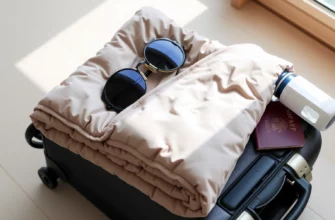
- Why the Z by Gravity Weighted Blanket is a Modern Sleep Essential
- The Science of Sleeping Under a Weighted Blanket
- Is it Safe to Sleep with a Weighted Blanket Every Night?
- Guidelines for Stomach Sleepers and Floor Sleepers
- How to Stay Cool While Using a Heavier Weighted Blanket
- Using a BedJet with Your Weighted Blanket for Climate Control
- Maintenance Mastery: Putting the Tranquility Weighted Blanket Cover Back On
- A Pros Guide to Making the Bed with a Weighted Blanket
- Comparing the Heavyweights: Emma Sleep vs. Sleep Number vs. Z by Gravity
- Which Brand Wins? From Coop to Dormez Vous
- Specialized Uses: ME/CFS Support and Pet Safety
- Managing ME/CFS Symptoms with Gentle Pressure
- Adjusting to the Weight: Tips for Success
- How Long Does it Take to Get Used to a Weighted Blanket?
- Expert Perspective: Weighted Bedding Selection
- Frequently Asked Questions
Why the Z by Gravity Weighted Blanket is a Modern Sleep Essential
The Z by Gravity weighted blanket isn’t just another heavy layer; it is a precision-engineered tool designed to mimic the physiological benefits of a firm hug. By utilizing micro-glass beads distributed across small, quilted squares, the blanket provides a consistent pressure that signals the nervous system to shift from a state of alertness to one of rest;
Most people struggle with sleep not because they aren’t tired, but because their bodies remain in a “fight or flight” loop. The Z by Gravity blanket breaks this cycle by providing deep touch pressure, which acts as a physical anchor for the body. This sensation helps quiet the mind and reduces the tossing and turning that often leads to fragmented sleep cycles.
The Science of Sleeping Under a Weighted Blanket
When you use a weighted blanket to sleep, you are engaging in a form of therapy that has been used in clinical settings for decades. The weight provides a grounding effect, often referred to as “earthing,” which helps reduce cortisol levels—the hormone responsible for stress. As cortisol drops, the brain naturally increases the production of serotonin and melatonin.
This chemical shift is what allows for a smoother transition into deep sleep. The physical sensation of the blanket also provides proprioceptive input, giving your brain a better sense of where your body is in space. For many, this prevents the “restless leg” feeling and encourages a sense of security that is difficult to achieve with standard bedding alone. To maximize these benefits, ensure the blanket covers your body from the shoulders down to the feet, leaving the head and neck completely free.
Is it Safe to Sleep with a Weighted Blanket Every Night?
Safety is the most frequent concern for new users, especially those who worry about the physical strain of extra weight. For the vast majority of healthy adults, it is perfectly safe to sleep under a weighted blanket every night. The key is ensuring that the weight does not exceed roughly 10% of your total body weight, which allows for effortless movement and prevents any restriction of breathing.
Myth: Weighted blankets can restrict circulation or make it hard to breathe for healthy adults.
Fact: When sized correctly, the pressure is distributed so evenly that it feels like a gentle cocoon rather than a heavy weight. You should always be able to move your limbs and exit the blanket without any physical struggle.
Guidelines for Stomach Sleepers and Floor Sleepers
If you prefer to sleep on your stomach, you must be more selective with your blanket weight. Excessive weight on the back while lying prone can lead to an exaggerated arch in the lumbar spine, potentially causing lower back pain. To mitigate this, stomach sleepers should opt for a blanket on the lighter end of the recommended scale, typically around 7% to 10% of their body weight, to maintain spinal alignment.
For those who choose to sleep on the floor with a weighted blanket, the lack of mattress “give” means the pressure is concentrated entirely on the body. This can be beneficial for those seeking intense grounding, but it increases the risk of pressure points on the hips and shoulders. If you are sleeping on a hard surface, use a padded mat or rug underneath you to ensure the weighted beads don’t compress your joints against the floor.
How to Stay Cool While Using a Heavier Weighted Blanket
The primary complaint regarding heavy bedding is the accumulation of body heat. Because weighted blankets are dense by design, they can trap warmth, leading to night sweats. However, modern materials like those found in the Z by Gravity line often use breathable fabric technology to promote better thermoregulation than older, polyester-filled models.
| Cooling Method | Effectiveness | Best For |
|---|---|---|
| Bamboo/Tencel Covers | Moderate | Passive cooling and moisture wicking. |
| Glass Bead Filling | High | Staying cooler than plastic pellets which retain heat. |
| Active Airflow (BedJet) | Maximum | Those with chronic night sweats or hot flashes. |
Using a BedJet with Your Weighted Blanket for Climate Control
Integrating a BedJet with your weighted blanket is the ultimate solution for “hot sleepers” who still want the benefits of deep pressure. The BedJet works by blowing a consistent stream of air into a specialized “Cloud Sheet.” When you layer a Z by Gravity blanket over this sheet, you get the heavy sensation you crave without the heat trap.
To set this up effectively, place the BedJet Cloud Sheet directly over your body and then lay the weighted blanket on top of the sheet. The weight of the blanket helps seal the air within the sheet’s chambers, creating a micro-climate of cool air that circulates directly against your skin. This combination allows you to stay cool under a weighted blanket even in the height of summer, effectively decoupling the weight from the warmth.
Maintenance Mastery: Putting the Tranquility Weighted Blanket Cover Back On
One of the most frustrating aspects of owning a weighted blanket is the maintenance. Because the inner weighted portion is separate from the decorative cover, they can easily become bunched up or detached. Learning how to put a Tranquility weighted blanket cover back on correctly will save you from a workout every time you do the laundry.
- Turn the duvet cover inside out and lay it flat on your bed with the opening at the foot of the bed.
- Place the weighted inner blanket directly on top of the inside-out cover.
- Locate the ties or loops on all four corners and the midpoints. Secure every single tie with a double knot to prevent shifting.
- Reach your arms inside the cover to the far corners, grab the inner blanket and the cover together, and pull them through the opening.
- Shake the blanket vigorously to allow the weight to settle evenly into the corners.
A Pros Guide to Making the Bed with a Weighted Blanket
Applying a weighted blanket to a made bed requires a different technique than a standard comforter. Because of the weight, it tends to slide toward the floor if too much hangs over the side of the mattress. When making the bed, center the blanket perfectly so that no more than 2-3 inches hang over the edges.
If you find the blanket shifting during the night, consider using a coverlet or a larger top sheet to “lock” it in place. Many users find that folding the weighted blanket at the foot of the bed and only pulling it up when they are ready to sleep prevents it from sliding off during the day. This also keeps your bedroom aesthetic clean while ensuring the blanket is ready for use.
Comparing the Heavyweights: Emma Sleep vs. Sleep Number vs. Z by Gravity
The weighted blanket market is crowded, and choosing between top brands like Emma, Sleep Number, and Z by Gravity depends heavily on your tactile preferences. While all offer deep touch pressure, the construction materials vary significantly. Emma Sleep often focuses on a more traditional “quilt” feel, whereas Z by Gravity emphasizes a thinner, more streamlined profile that fits easily into standard duvet covers.
Which Brand Wins? From Coop to Dormez Vous
The Layla weighted blanket with a fleecy top layer is a standout for those who prioritize sensory softness. It offers a reversible design—one side is plush fleece, and the other is a smooth cotton. This makes it a versatile choice for different seasons. In contrast, the Sleep Number weighted blanket rating is consistently high due to its logic-based sizing, which aligns perfectly with their mattress dimensions.
If you are a fan of high-loft bedding, you might find that you prefer the Coop weighted blanket, which integrates well with their adjustable pillow line. However, for sheer durability and ease of cleaning, the Emma sleep weighted blanket is hard to beat. When making your choice, prioritize the “fill” type; glass beads provide a much smoother, quieter experience than plastic pellets, which can rattle when you move.
Specialized Uses: ME/CFS Support and Pet Safety
Weighted blankets have found a significant following within the Myalgic Encephalomyelitis/Chronic Fatigue Syndrome (ME/CFS) community. For these individuals, sensory overload is a daily struggle. The gentle, consistent pressure of a blanket can help dampen external stimuli, providing a “cocoon” that makes resting more effective.
- Do: Use a smaller weighted blanket if you have joint pain, as it allows you to target specific areas without weighing down your entire body.
- Do: Consult with a doctor if you have respiratory issues before using a heavy blanket.
- Don’t: Use a weighted blanket for an infant or a pet that cannot move the weight on their own.
- Don’t: Fold the blanket over itself while in use, as this doubles the weight on a single area of the body.
Managing ME/CFS Symptoms with Gentle Pressure
For those with ME/CFS, the nervous system is often in a state of hyper-arousal. Using a weighted blanket can help signal to the brain that the environment is safe, allowing the body to enter a deeper state of “rest and digest.” Because energy conservation is critical, look for blankets with easy-to-grip zippers to make the process of removing the cover less physically taxing.
Regarding pet safety, many owners find that their dog sleeps under the weighted blanket for comfort. While many dogs enjoy the pressure, never force a pet to stay under the blanket. Ensure they have a clear “escape route” and that the blanket is light enough for them to crawl out of if they become too hot. For smaller breeds, the weight can be dangerous if it restricts their chest expansion.
Adjusting to the Weight: Tips for Success
Transitioning to a weighted blanket isn’t always immediate. Some users feel a bit claustrophobic during the first few minutes, while others might find the weight surprising. It is a completely different sensory experience than a standard duvet, and your body needs time to calibrate its proprioceptive response to the new input.
How Long Does it Take to Get Used to a Weighted Blanket?
Most sleep experts suggest a 7-night adjustment period. On the first night, you might only want to use the blanket over your legs while sitting on the couch. By the third night, try sleeping with it over your lower half. By the end of the week, most people find they can no longer sleep comfortably without the added weight.
If you wake up feeling sore or “crushed,” the blanket is likely too heavy. Conversely, if you don’t feel a distinct sense of “grounding,” you might need a heavier option. The goal is to feel held, not pinned down; Pay attention to your morning energy levels; the right blanket should leave you feeling refreshed, not as though you’ve been wrestling with your bedding all night.
Expert Perspective: Weighted Bedding Selection
In my professional experience working with patients suffering from chronic insomnia and sensory processing disorders, I always advise looking beyond the “10% rule.” While it is a great starting point, material choice is equally critical. I recommend glass beads over plastic pellets because they are denser, meaning the blanket can be thinner while maintaining the same weight. This is vital for those with ME/CFS or sensory sensitivities, as it prevents the “bulky” feeling that can lead to sensory overwhelm. Additionally, if you are a hot sleeper, avoid polyester shells at all costs—natural fibers like cotton or bamboo are non-negotiable for maintaining skin temperature during the night.
Frequently Asked Questions
Yes, you can use them together. However, you must use a BedJet Cloud Sheet between your body and the weighted blanket to ensure the airflow isn’t blocked by the heavy material.
Is it okay for my dog to sleep under my weighted blanket?
It is generally safe for larger dogs, but you must ensure they can easily move the blanket to exit. Small dogs should never be left under a weighted blanket unattended due to the risk of respiratory distress.
How do I stop my weighted blanket from sliding off the bed?
To prevent sliding, ensure the blanket does not hang more than two inches over the mattress edge. You can also use a textured cover or place a heavy coverlet over the weighted blanket to provide extra friction.
Is the Z by Gravity weighted blanket suitable for stomach sleepers?
Stomach sleepers can use it, but they should choose a weight on the lighter side (7-10% of body weight) to avoid putting excessive pressure on the lower back and ribs.
What should I do if my weighted blanket feels too heavy at first?
Give yourself a one-week adjustment period. Start by using the blanket over your legs for short periods in the evening before trying to sleep under it for a full night.
How do I reattach a Tranquility weighted blanket cover easily?
The easiest way is the inside-out method: turn the cover inside out, tie all internal loops to the blanket corners, and then pull the blanket through the opening while turning the cover right-side out.