- The Science of Comfort: How a Weighted Blanket for Anxiety Actually Works
- Calming Your Nervous System with Deep Pressure
- The Hormonal Shift: Serotonin, Melatonin, and Cortisol
- Solving the Sleep Puzzle: Weighted Blankets for Anxiety and Insomnia
- Why Adults with Anxiety Struggle with Sleep Cycles
- Weighted Blanket Therapy for PTSD and Nightmares
- Managing PTSD Nightmares and Night Sweats
- Finding Your Perfect Match: A Weight and Size Selection Guide
- Is a 15lb or 20lb Blanket Right for Your Anxiety?
- Size Matters: From Small Throws to King Size Comfort
- Special Considerations for Children and Seniors
- Supporting Kids Through Separation Anxiety
- The Market Review: Top Rated Anti-Anxiety Blankets
- Gravity vs. Buzio: Which Brand Leads for Anxiety Relief?
- DIY Therapy: How to Make Your Own Weighted Blanket
- Sourcing Materials for a Custom Heavy Blanket
- Expert Perspective: Integrating Weighted Blankets into Mental Health Care
- Frequently Asked Questions
The Science of Comfort: How a Weighted Blanket for Anxiety Actually Works
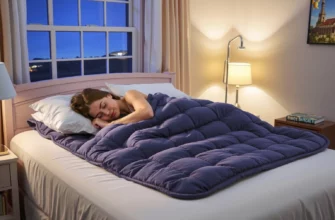
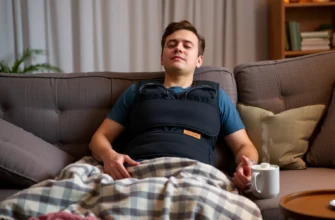
The sensation of a heavy blanket is often compared to a firm hug or the swaddling of an infant, but the biological reality is far more complex than simple comfort. This therapeutic tool leverages a mechanical principle known as deep pressure stimulation (DPS) to modulate the human stress response. By applying a consistent, distributed weight across the body, these blankets act as a physical anchor for a racing mind.
When the body feels this “grounding” pressure, it sends immediate signals to the brain that the environment is safe. This physical feedback loop is essential for those who find themselves trapped in a state of hyper-vigilance, where the world feels constantly overwhelming or unpredictable.
Calming Your Nervous System with Deep Pressure
The human nervous system is divided into two primary modes: the sympathetic (fight or flight) and the parasympathetic (rest and digest). For individuals living with chronic stress, the sympathetic system is often overactive, leading to a high heart rate and shallow breathing. A weighted blanket for the nervous system acts as a manual override, stimulating the vagus nerve and shifting the body toward a parasympathetic state.
This “anchoring” effect is not just psychological; it is a physiological reaction to proprioceptive input. Proprioception is our sense of self-movement and body position. When the skin’s sensory receptors are activated by heavy glass beads or pellets, the brain gains a clearer “map” of where the body ends and the world begins. This provides a profound sense of security, helping to stabilize the user during moments of sensory overload.
The Hormonal Shift: Serotonin, Melatonin, and Cortisol
Beyond the immediate physical sensation, the science of a weighted blanket for anxiety relief involves a significant chemical shift within the brain. Research suggests that deep pressure can trigger the release of serotonin, a neurotransmitter often referred to as the “feel-good” hormone. Serotonin is a precursor to melatonin, the hormone responsible for regulating our internal sleep-wake cycles.
Simultaneously, the physical pressure helps to inhibit the production of cortisol, the body’s primary stress hormone. High levels of cortisol are linked to inflammation, weight gain, and persistent anxiety. By lowering cortisol levels through external pressure, the blanket allows the body to naturally decelerate. This hormonal rebalancing is why many users report feeling a “wave of calm” within minutes of pulling the blanket over their shoulders.
Solving the Sleep Puzzle: Weighted Blankets for Anxiety and Insomnia
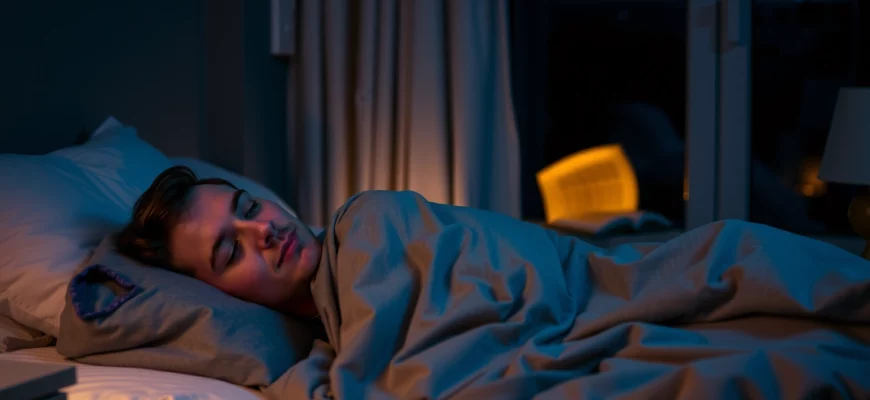
Sleep is often the first casualty of a high-anxiety lifestyle. The transition from a busy day to a quiet bedroom can trigger “nighttime rumination,” where the mind begins to replay stressful events or worry about the future. A weighted blanket serves as a physical intervention to break this cycle of mental restlessness.
By providing a constant tactile stimulus, the blanket reduces the urge to toss and turn. This lack of movement helps the brain realize it is time for sleep rather than activity. For those dealing with insomnia, the blanket creates a “sensory cocoon” that minimizes external distractions like light breezes or minor temperature shifts that might otherwise wake a light sleeper.
| Feature | Standard Bedding | Weighted Bedding |
|---|---|---|
| Primary Function | Temperature regulation and basic comfort. | Therapeutic pressure and nervous system regulation. |
| Movement Control | Allows for frequent tossing and turning. | Limits restless movement and leg twitching. |
| Hormonal Impact | Minimal effect on neurotransmitter levels. | Promotes serotonin and melatonin production. |
| Anxiety Relief | Passive comfort only. | Active “grounding” via deep pressure stimulation. |
Why Adults with Anxiety Struggle with Sleep Cycles
For adults with anxiety, the biggest hurdle to quality rest is often the inability to reach deep, restorative REM sleep. When the mind is in a state of “high alert,” the body stays in light sleep stages, making every noise a potential wake-up call. Weighted blankets for adults with anxiety help by providing a consistent sensory “hug” that signals safety to the amygdala.
Reducing physical movement is also key to improving sleep architecture. When you move less, your heart rate remains lower and more consistent throughout the night. This stability allows the brain to move through the necessary sleep stages without interruption. Many users find that a weighted blanket for sleep and anxiety acts as a non-pharmacological aid that complements their existing sleep hygiene routines.
Weighted Blanket Therapy for PTSD and Nightmares
Post-Traumatic Stress Disorder (PTSD) often manifests as a feeling of being unsafe in one’s own skin. For survivors, the night can be a time of intense vulnerability, marked by flashbacks or night terrors. Using a weighted blanket in this context is about more than comfort; it is about providing a sense of “containment” and “boundary” when the world feels like it is closing in.
The sensation of weight helps to “anchor” the individual in the present moment. During a flashback or a panic attack, the brain loses track of the “here and now.” The heavy pressure provides a constant, undeniable physical reminder of the current environment, which can help de-escalate the intensity of the emotional response.
- Emotional Grounding: The blanket provides a physical boundary that helps survivors feel “held” and secure.
- Nightmare Mitigation: By reducing the physical startle response, blankets can lower the intensity of night terrors.
- Panic Intervention: The pressure helps slow down rapid breathing and racing heart rates during acute episodes.
- Routine Building: Incorporating the blanket into a nightly ritual creates a predictable signal for the brain to decompress.
Managing PTSD Nightmares and Night Sweats
Nightmares associated with PTSD are often accompanied by a physical “fight” response where the individual may thrash or wake up in a cold sweat. A weighted blanket for PTSD nightmares helps by providing a calming resistance against this thrashing. This physical “push back” can sometimes prevent the user from fully waking up in a state of panic, allowing them to drift back into a calmer sleep state.
It is important to note that for those who also experience night sweats, a “cooling” weighted blanket is essential. These versions use glass beads and breathable cotton or bamboo fabrics to ensure that the user doesn’t overheat while seeking the benefits of the weight. The goal is to feel protected and contained, not trapped or stifled.
Finding Your Perfect Match: A Weight and Size Selection Guide
Choosing the right blanket is a science in itself. If a blanket is too light, it won’t provide enough pressure to trigger the parasympathetic nervous system. If it is too heavy, it can feel restrictive or even cause physical discomfort. The industry standard is known as the “10% rule,” but personal preference and physical health also play significant roles.
When selecting your blanket, consider how the weight will be distributed. A smaller “throw” size will feel much heavier than a King size of the same weight because the pressure is concentrated over a smaller surface area. Always prioritize a weight that you can easily move and remove without assistance.
| User Weight | Recommended Blanket Weight | Best Use Case |
|---|---|---|
| 100, 140 lbs | 12 ‒ 15 lbs | Individual use for teenagers or petite adults. |
| 150 ‒ 190 lbs | 15 — 20 lbs | Standard adult weight for full-body coverage. |
| 200+ lbs | 25 lbs | Maximum pressure for larger frames or high-stress needs. |
| Couples | 30 ‒ 35 lbs | King size blankets designed for two people. |
Is a 15lb or 20lb Blanket Right for Your Anxiety?
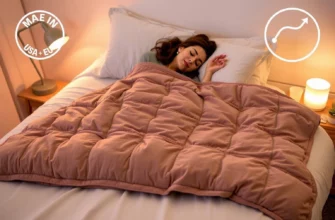
The choice between a 15lb and a 20lb blanket often comes down to your “sensory threshold.” Some people require intense pressure to feel the grounding effect, while others find a medium weight more relaxing. For example, the Ella Jayne 15lb reversible anti-anxiety weighted blanket is a popular choice for those who want a balance of pressure and portability.
If you are a first-time user, starting with a 15lb option is usually the safest bet. However, if you find that you frequently pile multiple heavy comforters on yourself during the winter just to feel “tucked in,” a 20 pound weighted blanket for anxiety might be more effective for your specific needs. Always ensure you can comfortably lift the blanket off your chest with one hand to ensure safety.
Size Matters: From Small Throws to King Size Comfort
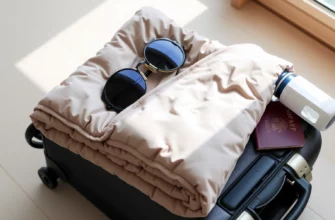
While most people think of weighted blankets for the bed, “lap pads” or small weighted blankets for anxiety can be incredibly useful in high-stress environments like the office or during travel. A small throw can be draped over the legs during a stressful meeting or a long flight to provide instant grounding without the bulk of a full-size comforter.
For those who share a bed, a cute king weighted blanket for anxiety can be a great addition, but be aware that the weight is spread across a massive area. If only one partner wants the weight, it is often better to buy two separate twin-sized weighted blankets. This prevents the “blanket tug-of-war” and ensures each person gets the specific pressure they need.
Special Considerations for Children and Seniors
Weighted blankets can be life-changing for children with sensory processing disorders or seniors dealing with dementia-related agitation. However, safety is the absolute priority for these demographics. Because children and seniors may have less physical strength, the “10% rule” must be strictly followed, and the user must always be able to remove the blanket independently.
For children, these blankets are often used as “transition tools.” They help the child move from the high energy of playtime to the quiet of bedtime. In seniors, the blankets can reduce “sundowning” symptoms—the increased confusion and anxiety that often occurs in the late afternoon and evening.
- DO: Use a blanket that is roughly 10% of the user’s body weight plus one or two pounds.
- DO: Ensure the blanket is small enough that it doesn’t hang over the edges of the bed, which can cause it to slide off.
- DON’T: Ever use a weighted blanket for an infant or a child under the age of two due to the risk of SIDS.
- DON’T: Use a weighted blanket for anyone with respiratory issues or sleep apnea without consulting a doctor.
- DO: Look for “kid-friendly” covers that are easy to wash and have sensory-friendly textures like minky fabric.
Supporting Kids Through Separation Anxiety
Separation anxiety can make school mornings or bedtimes a battleground. A separation anxiety weighted blanket provides a portable sense of security that a child can take with them. The physical “hug” of the blanket can serve as a surrogate for a parent’s presence, helping the child regulate their emotions when they feel alone.
Many occupational therapists recommend using weighted blankets for children in short bursts—about 20 minutes at a time. This prevents the nervous system from becoming “habituated” to the weight, ensuring that the calming effect remains potent when it is truly needed. Creating a “calm down corner” with a weighted blanket and soft lighting can give a child a safe space to self-regulate.
The Market Review: Top Rated Anti-Anxiety Blankets
The market for therapeutic bedding has exploded, offering everything from budget-friendly options to premium hand-knit designs. The two main factors to consider are the “fill” and the “cover.” Glass beads are generally preferred over plastic pellets because they are smaller, denser, and quieter. They provide a smooth, sand-like texture that contours better to the body.
Breathability is another major concern. If you are a “hot sleeper,” look for blankets that use bamboo or Tencel fabrics. These materials wick away moisture and keep the heavy glass beads from trapping body heat. If you prefer warmth, a fleece or minky cover will provide that extra layer of cozy insulation.
| Brand | Pros | Cons |
|---|---|---|
| Gravity Blanket | High-quality glass beads; excellent weight distribution; premium feel. | Higher price point; can be difficult to wash. |
| Buzio | Affordable; wide range of sizes; very durable stitching. | Fewer “luxury” fabric options; can feel slightly stiffer. |
| Luxome | Integrated covers; specialized cooling technology. | Weights are sometimes limited in certain sizes. |
Gravity vs. Buzio: Which Brand Leads for Anxiety Relief?
The Gravity weighted blanket for anxiety is often credited with starting the modern trend. Its primary strength lies in its precision; the weight is distributed into small quilted squares to prevent the beads from bunching up. This ensures that the pressure remains even across your entire body, which is critical for effective deep pressure stimulation.
On the other hand, the Buzio anxiety weighted blanket is a fantastic mid-range option for those who want a premium weighted blanket for anxiety relief without the “designer” price tag. Buzio blankets are known for their 7-layer design which prevents bead leakage—a common issue in cheaper blankets. Whether you choose a high-end brand or a budget-friendly one, prioritize a blanket with a removable cover to make cleaning much easier.
DIY Therapy: How to Make Your Own Weighted Blanket
For those who enjoy crafting or have very specific sensory needs, making a custom heavy blanket for anxiety can be a rewarding project. A DIY approach allows you to choose the exact fabric texture, size, and weight distribution that works for you. It also allows you to use unconventional materials if you have sensitivities to standard synthetic fills.
The most important part of a DIY blanket is the “grid.” You must sew a series of small pockets into the blanket to hold the weight. If you simply pour the beads into a large sack, they will all fall to the sides, leaving you with no pressure in the center. Aim for pockets no larger than 4×4 inches for the best weight distribution.
- Choose your fabric: Cotton is best for breathability, while flannel or minky is better for sensory warmth.
- Select your fill: Micro-glass beads are the gold standard, but some people use dried rice or poly-pellets for a budget version.
- Calculate your weight: Divide the total desired weight by the number of “pockets” in your grid to know how much fill goes in each square.
- Sew the grid: Sew vertical columns first, fill them with the measured beads, then sew horizontal lines to lock the beads into individual squares.
- Finish the edges: Use a heavy-duty thread and double-stitch the perimeter to prevent any leaks.
Sourcing Materials for a Custom Heavy Blanket
When you make a weighted blanket for anxiety, the quality of the glass beads matters. Cheap beads can sometimes have sharp edges that eventually wear through the fabric. Look for “polished” glass beads specifically designed for crafts. If you are using rice or beans, remember that these are organic materials; they cannot be washed and may attract pests over time.
Fabric choice is also a deeply personal decision. If you have “tactile defensiveness,” you might prefer a very smooth, cool cotton. If you find comfort in textures, a “bumpy” minky fabric can provide additional sensory input for your fingers to focus on during a panic attack. Always pre-wash your fabric to account for shrinkage before you start sewing.
Expert Perspective: Integrating Weighted Blankets into Mental Health Care
In my professional experience, I have found that a weighted blanket is most effective when viewed as a “regulation tool” rather than a standalone cure. While the physiological benefits of deep pressure are well-documented, I always advise my clients to use these blankets in conjunction with Cognitive Behavioral Therapy (CBT) or mindfulness exercises. For instance, when you feel the weight of the blanket, use it as a cue to begin a 4-7-8 breathing exercise. This combines physical grounding with conscious breath control for a more powerful calming effect. Furthermore, I emphasize user agency—never force a blanket on someone who feels claustrophobic or trapped, as this can inadvertently trigger a trauma response instead of soothing it.
Frequently Asked Questions
The general guideline is 10% of your total body weight. For most adults, this falls between 15 and 20 pounds. You can adjust this by 1-2 pounds based on whether you prefer a “light hug” or “deep pressure” feel.
Can I use a weighted blanket every night for insomnia?
Yes, it is perfectly safe for nightly use. Many people find that it helps regulate their sleep cycles over time. Just ensure you can move freely and that the blanket is not so heavy that it causes joint pain the next morning.
Are weighted blankets safe for children with separation anxiety?
They are safe for children over the age of two, provided the 10% weight rule is followed. Never use them for infants, and always ensure the child is physically strong enough to push the blanket off themselves if they feel uncomfortable.
Do weighted blankets really help with PTSD nightmares?
Yes, by providing a “grounding” physical sensation, they can reduce the intensity of the startle response during a nightmare. This helps the user stay in a calmer state or ground themselves more quickly if they do wake up.
What is the best way to wash a heavy weighted blanket?
Most weighted blankets come with a removable duvet cover that can be machine washed. For the inner weighted part, spot cleaning is best. If you must wash the whole blanket, check your washing machine’s weight capacity first to avoid damaging the motor.
Can a weighted blanket help with a panic attack?
Absolutely. The grounding effect of deep pressure can help slow down a racing heart and provide a sense of physical containment. This helps the brain shift out of “fight or flight” mode and back into a state of relative safety.