- Can You Use a Heated Blanket with a Weighted Blanket? The Short Answer
- The Science of Heat and Pressure Under Your Covers
- Why Putting a Weighted Blanket Over an Electric Blanket Is Risky
- Protecting the Internal Wiring from Damage
- Safety First: The Dos and Donts of Sleep Layering
- Best Practices for a Safe Nights Sleep
- How to Layer Your Bedding Without Risking Overheating
- Should You Put a Weighted Blanket Under a Comforter?
- Alternatives to Combining Weight and Electric Heat
- Can You Use a Heating Pad with a Weighted Blanket?
- Frequently Asked Questions
Can You Use a Heated Blanket with a Weighted Blanket? The Short Answer
While the idea of combining deep pressure therapy with electric warmth sounds like a winter dream‚ the direct answer is a firm recommendation against using them simultaneously. Most manufacturers explicitly state in their safety manuals that you should never place heavy objects‚ including weighted blankets‚ on top of an active electric blanket.
The core issue isn’t just about feeling too hot; it is about the physical integrity of the heating elements and the way heat behaves when trapped under significant mass. Combining these two sleep aids creates a high-risk environment for both the user and the home;
The Science of Heat and Pressure Under Your Covers
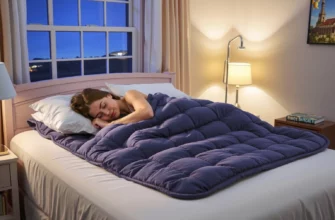
Weighted blankets are designed to provide “Deep Pressure Stimulation” through the use of dense materials like glass beads or plastic pellets. Unlike a standard down duvet‚ which relies on trapped air for insulation‚ a weighted blanket creates a heavy‚ non-porous barrier that drastically reduces the ability of heat to dissipate into the room.
When you introduce an electric heating element into this equation‚ the overheating risk increases exponentially. Electric blankets are engineered to release heat at a specific rate; when that heat is pushed back toward the wires by 15 or 20 pounds of pressure‚ the internal temperature can exceed the safety thresholds of the device’s sensors.
Why Putting a Weighted Blanket Over an Electric Blanket Is Risky
The primary danger lies in the mechanical construction of electric blankets‚ which utilize a network of very thin‚ flexible copper or alloy wires. These wires are insulated by plastic or silicone‚ but they are not designed to withstand constant‚ heavy compression from external weights.
When you layer a heavy blanket over these wires‚ you are essentially crushing the delicate internal components. Over time‚ this pressure causes the insulation to wear thin or the wires to kink‚ which is a leading cause of internal wire damage and subsequent electrical fires.
Protecting the Internal Wiring from Damage
Most modern electric blankets use a 22-gauge or similar thin-profile wire to ensure the blanket remains flexible and comfortable for the user. However‚ these wires have a specific “bend radius” and weight tolerance that is easily exceeded by a 15-pound weighted blanket‚ especially as the user moves during the night.
Signs of wire fatigue or fraying are often invisible to the naked eye until a short circuit occurs. If you notice localized “hot spots” where one area of the blanket feels significantly warmer than others‚ or if you see brown singe marks on the fabric‚ the internal wiring has likely been compromised and the device must be discarded immediately.
Safety First: The Dos and Donts of Sleep Layering
If you are determined to find a way to stay warm while benefiting from the sensory input of weight‚ you must follow strict safety protocols. Understanding how to manage these layers can mean the difference between a restful night and a dangerous emergency.
- Do: Use an electric blanket to pre-warm your bed for 30 minutes before you plan to sleep.
- Do: Remove the electric blanket from the bed entirely before laying down with your weighted blanket.
- Do: Look for UL (Underwriters Laboratories) or ETL certification on any heating device to ensure it meets modern safety standards.
- Dont: Ever place a weighted blanket directly on top of an “on” electric blanket‚ even on the lowest heat setting.
- Dont: Use an electric blanket that is more than 10 years old‚ as older models lack modern automatic shut-off and overheat protection sensors.
- Dont: Fold or bunch up an electric blanket while it is plugged in‚ as this creates a dangerous heat concentration.
Best Practices for a Safe Nights Sleep
For those who struggle with temperature regulation‚ the safest approach is to utilize a programmable timer. Set your electric blanket to turn off at a specific time‚ ensuring the heating elements are stone-cold before you pull your weighted blanket over yourself.
Proper layering order is also a factor in thermal regulation. If you must use both‚ the weighted blanket should always be the base layer closest to your body‚ with the unpowered electric blanket (used only as a standard cover) on top. This prevents the heavy beads from putting direct pressure on the wires against the firm surface of the mattress.
How to Layer Your Bedding Without Risking Overheating
Effective layering is about maximizing breathable fabrics and natural insulation rather than relying solely on high-wattage electrical devices. To achieve the perfect sleep climate‚ you need to understand how different materials interact with your body heat.
A common mistake is thinking that more layers always equal more comfort. In reality‚ too many heavy layers can lead to excessive sweating and disrupted sleep cycles‚ as the human body needs to drop its core temperature slightly to enter deep REM sleep.
Should You Put a Weighted Blanket Under a Comforter?
Yes‚ placing a weighted blanket under a standard comforter is a much safer and more effective way to stay warm. Because the weighted blanket is designed for sensory input‚ it works best when it is in direct contact with your body or separated only by a thin sheet.
By placing a high-loft comforter or a high-tog duvet over the weighted blanket‚ you create a layer of “dead air” that provides excellent insulation without the mechanical risks of electricity. This setup allows you to benefit from the weight while the comforter traps your natural body heat to keep you cozy all night long.
Alternatives to Combining Weight and Electric Heat
If the goal is to stay warm without the safety hazards of combining these two blankets‚ there are several high-performance alternatives. Modern textile technology offers solutions that provide exceptional thermal regulation without the need for internal wiring.
| Method | Safety Level | Primary Benefit |
|---|---|---|
| Flannel Sheets | Highest | Natural heat retention and soft texture. |
| High-Tog Duvets | High | Uses air pockets to insulate without electricity. |
| Pre-Warming Bed | Medium-High | Bed is warm when you enter; device is off during sleep. |
| Heating Pad (Localized) | Medium | Targeted warmth for feet or lower back only. |
| Combined Electric/Weighted | Low | High risk of fire and wire damage. |
Can You Use a Heating Pad with a Weighted Blanket?
Using a heating pad is slightly safer than a full-sized electric blanket‚ but it still requires extreme caution. If you use a heating pad‚ it should only be placed on top of the weighted blanket‚ never underneath it. Placing a heating pad under the weight will cause the heat to build up rapidly against your skin‚ potentially leading to serious contact burns.
The safest localized heat source is a traditional hot water bottle. These provide significant warmth that naturally dissipates over a few hours‚ eliminating the risk of electrical short-circuits or constant heat production that leads to thermal runaway.
In my professional experience‚ the most common cause of electric bedding failure is thermal entrapment. Electric blankets are designed as “open systems‚” meaning they expect a certain amount of heat to bleed off into the ambient air of the room. When you cover that device with a dense‚ heavy weighted blanket‚ you turn it into a “closed system.” I always advise clients that constricting an electric heating element is fundamentally dangerous. The sensors in these blankets are often located near the controller‚ not in every square inch of the fabric. This means the center of the bed could be reaching dangerously high temperatures while the thermostat thinks everything is normal‚ leading to a fire hazard that the device cannot self-detect.
Frequently Asked Questions
No‚ this is highly discouraged. The weight can compress the internal wires and trap heat‚ which may lead to a fire or damage the blanket’s safety sensors.
Is it safe to use a heating pad with a weighted blanket?
Only with extreme caution. Use a small pad on top of the weighted blanket for short intervals‚ and never leave it unattended or tucked under the weight.
Can I use any duvet with a weighted blanket?
Yes‚ standard duvets and comforters are perfectly safe to use with weighted blankets as they lack electrical components that could be damaged by pressure.
What is the best way to pre-warm my bed if I use a weighted blanket?
Run your electric blanket for 20-30 minutes before bed‚ then turn it off and remove it completely before laying down with your weighted blanket.
Will a weighted blanket ruin my electric blanket?
Yes‚ the constant pressure from glass or plastic beads can fatigue and eventually break the delicate copper wiring inside the electric blanket‚ rendering it useless or dangerous.