- Does a Weighted Blanket Help with Snoring? The Reality Behind the Trend
- How Deep Pressure Touch Influences Your Nightly Breathing
- Why Weighted Blankets Might Stop Snoring for Certain Sleepers
- The Anxiety Connection: When Stress Causes Snoring
- The Critical Safety Check: Are Weighted Blankets Good for Sleep Apnea?
- When a Heavy Blanket Becomes a Breathing Risk
- Comparing Snoring Solutions: Weighted Blankets vs. Traditional Methods
- Smart Usage: How to Safely Use a Weighted Blanket with Sleep Apnea
- Weight Selection and Placement for Safer Breathing
- Your Roadmap to a Quieter‚ Safer Night’s Sleep
- Expert Perspective: Sleep Biometrics and Pressure Therapy
- Frequently Asked Questions
Does a Weighted Blanket Help with Snoring? The Reality Behind the Trend
The rise of weighted blankets has transformed the bedroom into a sanctuary for many‚ promising relief from restless legs and racing minds. While these heavy covers are famous for reducing anxiety‚ a new question has emerged among couples: can they actually quiet the nightly roar of snoring? The answer is not a simple yes or no‚ as the effectiveness depends entirely on the root cause of your nighttime noise.
For those whose snoring is triggered by a hyperactive nervous system or frequent tossing and turning‚ a weighted blanket offers a mechanical solution. By grounding the body‚ these blankets minimize the physical agitation that often leads to poor sleep posture‚ which is a primary contributor to airway obstruction. Understanding how this extra weight interacts with your respiratory system is the first step toward a quieter night.
How Deep Pressure Touch Influences Your Nightly Breathing
Deep Pressure Stimulation (DPS) is the scientific principle behind weighted blankets‚ acting similarly to a firm hug or a therapeutic massage. When this pressure is applied to the body‚ it signals the brain to switch from the sympathetic nervous system (fight or flight) to the parasympathetic nervous system (rest and digest). This transition is essential because a relaxed body maintains a more consistent heart rate and a more predictable breathing pattern throughout the various stages of sleep.
By calming the nervous system‚ weighted blankets facilitate an increase in the production of serotonin and melatonin. These neurochemicals are responsible for stabilizing sleep cycles and preventing the micro-arousals that cause you to gasp or shift positions abruptly. When you move less‚ you are more likely to stay in a side-sleeping position‚ which naturally keeps the tongue and soft tissues from collapsing into the back of the throat—the most common cause of snoring vibrations.
Why Weighted Blankets Might Stop Snoring for Certain Sleepers
Snoring is often a symptom of fragmented sleep rather than just a throat issue. If you are constantly shifting to find a comfortable spot‚ your throat muscles are repeatedly tensing and relaxing‚ which can lead to irregular airflow. A weighted blanket acts as a physical anchor‚ reducing the frequency of movement by up to 60% in some restless sleepers‚ thereby creating a more stable environment for your airway.
Furthermore‚ the reduction of cortisol through deep pressure touch cannot be overlooked. High cortisol levels keep the body in a state of high alert‚ leading to shallow‚ rapid breathing that is more prone to turbulence. When cortisol drops‚ your muscles—including those in the neck and chest—can relax into a more natural state. However‚ there is a delicate balance here; over-relaxation of the upper airway muscles can occasionally worsen snoring‚ making it vital to distinguish between stress-induced snoring and physiological obstructions.
The Anxiety Connection: When Stress Causes Snoring
Anxiety-induced snoring is a real phenomenon where the body’s stress response leads to erratic breathing patterns and chest tightness. When you are stressed‚ your breathing becomes less rhythmic‚ often leading to mouth breathing‚ which significantly increases the likelihood of snoring. Using a weighted blanket helps interrupt this stress cycle by providing a sensory “grounding” effect that encourages deeper‚ diaphragmatic breathing rather than shallow chest breathing.
By encouraging the body to enter a deeper REM cycle‚ the weighted blanket helps the brain regulate respiratory effort more efficiently. Instead of the jagged‚ uneven breaths associated with a stressful day‚ the sleeper transitions into a rhythmic cadence. Consistent‚ deep breathing is the enemy of the erratic vibrations that characterize a heavy snorer‚ making relaxation techniques a top-tier natural intervention for those without underlying medical conditions.
The Critical Safety Check: Are Weighted Blankets Good for Sleep Apnea?
While comfort is a priority‚ safety must come first‚ especially when dealing with Obstructive Sleep Apnea (OSA). There is a significant difference between a standard snorer and someone who suffers from apnea‚ where breathing actually stops. For those with OSA‚ adding 15 to 25 pounds of pressure directly onto the ribcage can increase the effort required to expand the lungs‚ potentially worsening the severity of apnea events.
Myth: A heavier blanket will always lead to deeper sleep and better breathing for everyone.
Fact: For individuals with sleep apnea‚ excessive weight on the chest can compress the thoracic cavity‚ making it harder for the diaphragm to pull in oxygen during an obstructive event.
If you have been diagnosed with OSA‚ you must approach weighted blankets with extreme caution. The physical load on the chest can restrict the very movements needed to overcome an airway blockage. This does not mean you can never use one‚ but it does mean the placement and weight of the blanket must be carefully managed to avoid compromising your respiratory safety.
When a Heavy Blanket Becomes a Breathing Risk
The mechanics of breathing involve a complex interaction between the diaphragm and the intercostal muscles. When you place a heavy load on the torso‚ you are essentially asking these muscles to lift that weight with every single breath. For a healthy individual‚ this is a minor exertion; however‚ for someone with low muscle tone or compromised lung function‚ this extra work can lead to carbon dioxide retention and morning headaches.
Restricted airflow is the primary concern here. If your airway is already narrow‚ the last thing you want is a physical weight making it harder for your chest to rise. Experts warn that anyone with a Body Mass Index (BMI) over 35 or chronic respiratory conditions should seek medical advice before using a heavy blanket. The goal of sleep is to reduce the “work of breathing‚” not to turn your nightly rest into a weight-lifting session for your lungs.
Comparing Snoring Solutions: Weighted Blankets vs. Traditional Methods
Choosing the right tool for snoring depends on your specific symptoms and health history. A weighted blanket is a “lifestyle” aid‚ whereas tools like CPAP machines are medical interventions. To help you decide which path to take‚ consider how these options stack up in terms of safety and effectiveness.
| Solution Type | Primary Benefit | Safety for Sleep Apnea | Estimated Cost |
|---|---|---|---|
| Weighted Blanket | Reduces restlessness and anxiety-related snoring. | Low (Risk of chest compression) | $60 ⏤ $200 |
| Nasal Strips | Opens nasal passages for easier airflow. | High (Safe‚ but limited impact) | $10 ⏤ $20 |
| Side-Sleeping Pillow | Prevents tongue collapse by maintaining position. | High (Clinically recommended) | $40 ⏤ $100 |
| CPAP Machine | Provides continuous air pressure to keep airway open. | Gold Standard (Medical Grade) | $500+ (Insurance often covers) |
As the table illustrates‚ the weighted blanket excels at comfort but carries a higher risk profile for those with breathing disorders compared to mechanical aids like pillows or nasal strips. If your snoring is loud enough to be heard through walls‚ it is rarely a simple restlessness issue and likely requires a more robust solution than a heavy cover;
Smart Usage: How to Safely Use a Weighted Blanket with Sleep Apnea
If you find that a weighted blanket is the only thing that helps your insomnia‚ but you are worried about your snoring‚ there are ways to mitigate the risk. You don’t necessarily have to choose between peace of mind and physical safety. The key is altering how the weight is distributed across your body to ensure your chest remains unencumbered.
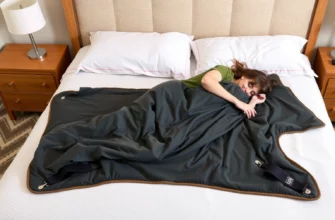
The most effective strategy is to use the blanket from the waist down. This allows you to enjoy the calming benefits of deep pressure on your legs—where many people carry their restlessness—without putting any downward pressure on your heart or lungs. This “half-body” approach is often recommended by sleep coaches for patients who use CPAP machines but still struggle with falling asleep.
Weight Selection and Placement for Safer Breathing
The industry standard is to choose a blanket that is exactly 10% of your total body weight. However‚ if you are a snorer‚ you might want to lean toward the lighter side of that equation. A blanket that is too heavy can make it difficult to roll over‚ effectively trapping you on your back—the worst possible position for snoring and apnea.
- The 10% Rule: If you weigh 150 lbs‚ do not exceed a 15 lb blanket; 12 lbs may be even safer.
- Torso Freedom: Keep the top edge of the blanket at the diaphragm level or lower to maximize lung expansion capacity.
- Side Sleeping Anchor: Use the weight of the blanket to “tuck” yourself into a side-lying position‚ preventing you from rolling onto your back during the night.
- Material Breathability: Opt for glass beads and cotton covers to prevent overheating‚ as high body temperatures can increase heart rate and respiratory demand.
Your Roadmap to a Quieter‚ Safer Night’s Sleep
Determining if a weighted blanket is a help or a hindrance requires an honest assessment of your sleep health. You should never use a heavy blanket as a “band-aid” for a condition that requires medical attention. Use the following checklist to evaluate your current situation and decide if a weighted blanket is the right addition to your bedroom.
- Consult a Sleep Specialist: If your snoring involves gasping or long pauses‚ schedule a sleep study before buying a heavy blanket.
- Test the Weight: Try a heavy comforter first to see if the sensation of weight on your chest feels restrictive or comforting.
- Monitor Morning Fatigue: If you wake up feeling more tired after using a weighted blanket‚ it may be causing undiagnosed respiratory effort.
- Check Your Sleeping Position: Ensure the blanket doesn’t force you into a supine (back) position‚ which drastically increases snoring volume.
- Evaluate Partner Feedback: Ask your partner if the frequency or volume of your snoring changes when you use the blanket versus when you don’t.
Expert Perspective: Sleep Biometrics and Pressure Therapy
In my professional experience‚ I have seen many patients attempt to use weighted blankets as a holistic cure for snoring‚ only to find their symptoms worsening. While Deep Pressure Stimulation (DPS) is a legitimate and highly effective tool for managing insomnia and sensory processing disorders‚ it is not a medical treatment for airway obstruction. I always advise my clients that if they have any history of asthma‚ COPD‚ or sleep apnea‚ they must treat a weighted blanket as a secondary comfort measure only. Never allow the blanket to cover the neck or mouth‚ and always prioritize a clear airway over the psychological comfort of the weight. If you find yourself struggling to take a full‚ deep breath while under the blanket‚ it is too heavy for your current physiological state.
Frequently Asked Questions
No‚ it is not a permanent cure. It is a comfort tool that may reduce snoring only if the cause is related to restlessness‚ anxiety‚ or frequent position changes during the night.
Is it dangerous to use a weighted blanket if I have obstructive sleep apnea?
It can be. Extra weight on the chest can compress the airway and make it harder for the lungs to expand‚ so medical clearance is essential before use.
What is the best weight for a blanket if I struggle with snoring?
Follow the 10% body weight rule‚ but consider erring on the lighter side (around 7-8%) to ensure you can still move easily and breathe without restriction.
Can I use a weighted blanket while wearing my CPAP mask?
Yes‚ but ensure the blanket is kept below chest level and does not interfere with the CPAP hose or exhaust ports to prevent carbon dioxide buildup.
Are there specific sleeping positions to use with a weighted blanket to reduce snoring?
Side sleeping is the most effective. Use the blanket’s weight to anchor your body in a lateral position‚ which keeps the airway open and reduces throat tissue vibration.
Why do some people say weighted blankets make their snoring worse?
The weight can compress the chest wall and diaphragm‚ increasing the effort required to breathe and potentially narrowing the airway further in certain individuals.