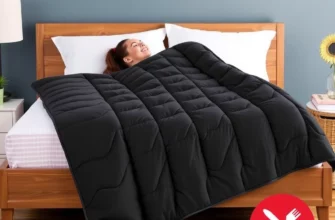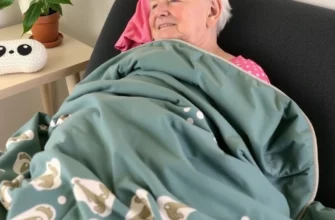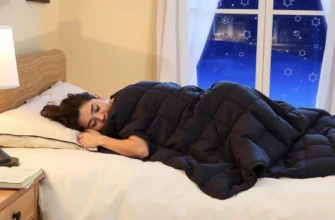
- Beyond the Chill: Unpacking the Science of Cooling Weighted Blanket Benefits
- How Deep Pressure Stimulation Transforms Sleep
- The Weighting Game: Comparing 10 lb to 20 lb Weighted Blanket Benefits
- Matching the Load to Your Body Type
- 7 Reasons to Use a Weighted Blanket for Better Health
- From Anxiety Relief to Improved Focus
- Climate Control: Choosing Between Heated and Cooling Weighted Blankets
- Fabric Technology: Why Bamboo and Cotton Matter
- The Price of Comfort: Cheap vs․ Expensive Weighted Blankets
- Is a Premium Investment Worth It?
- Maximizing Your Investment: Best Practices for Weighted Blanket Care
- Safety and Longevity Tips
- Expert Perspective: Sleep Ergonomics and Thermal Regulation
- Frequently Asked Questions
Beyond the Chill: Unpacking the Science of Cooling Weighted Blanket Benefits
For many, the struggle to fall asleep is compounded by a biological paradox: the body needs the calming weight of a heavy blanket to quiet a racing mind, but the resulting heat trap often leads to night sweats and broken sleep cycles․ Cooling weighted blankets solve this by decoupling physical pressure from thermal insulation, allowing the body to reach the lower core temperature necessary for deep sleep while maintaining the sensory input required for neurological calm․
This intersection of textile engineering and sleep science represents a significant shift in how we approach sleep hygiene․ By utilizing high-density glass beads and advanced moisture-wicking fabrics, these blankets provide the neurological benefits of deep pressure stimulation without the traditional bulk of polyester-filled comforters․
How Deep Pressure Stimulation Transforms Sleep
When you wrap yourself in a cooling weighted blanket, you are engaging a therapeutic technique known as deep pressure stimulation (DPS)․ This process involves applying gentle, distributed pressure across the body, which mimics the sensation of being held or hugged․ From a physiological standpoint, this pressure triggers the parasympathetic nervous system, shifting the body out of a “fight or flight” state and into a “rest and digest” state․
Clinical observations suggest that this tactile input leads to a measurable reduction in cortisol levels—the hormone responsible for stress—while simultaneously encouraging the production of serotonin․ Serotonin is a precursor to melatonin, the hormone that regulates your internal clock and signals to your brain that it is time for restorative sleep․ Unraveling the comfort and benefits of weighted blankets requires understanding that this is not just about “feeling cozy”; it is a calculated biological intervention that helps the brain filter out distracting sensory input․
For individuals with sensory processing differences, the sensory weighted blanket benefits are even more pronounced․ The consistent, grounding pressure provides a constant stream of proprioceptive input, which helps the brain understand where the body is in space․ This grounding effect is particularly useful for those who experience the “floaty” or unmoored feeling of high anxiety, providing a physical anchor that makes the transition into sleep much smoother․
The Weighting Game: Comparing 10 lb to 20 lb Weighted Blanket Benefits
Selecting the correct weight is the most critical decision in your purchase, as an improperly sized blanket can lead to physical discomfort or a lack of therapeutic effect․ While the standard recommendation is 10% of your body weight plus one or two pounds, this is a baseline rather than a strict rule․ The “perfect” weight often depends on your specific goals—whether you are looking for mild relaxation or intense, grounding pressure to combat severe insomnia․
| Blanket Weight | Ideal User Weight | Primary Therapeutic Benefit | Best Use Case |
|---|---|---|---|
| 10 lb ⎻ 12 lb | 90 lb ⎻ 130 lb | Gentle grounding and mild anxiety relief․ | Teens, smaller adults, or those who feel claustrophobic under heavy weight․ |
| 15 lb | 140 lb ー 180 lb | Moderate pressure that balances comfort and mobility․ | Average-sized adults looking for general sleep improvement and stress reduction․ |
| 20 lb | 190 lb ⎻ 230 lb+ | Deep, intense pressure for significant sensory grounding․ | Individuals with severe restless leg syndrome or high-arousal sensory needs․ |
Matching the Load to Your Body Type
The 12 lb weighted blanket benefits are often overlooked, but they serve as an essential entry point for lighter-framed adults or teenagers who find 15-pound models too restrictive․ If a blanket is too heavy, it can actually increase cortisol levels by making the user feel trapped, which defeats the purpose of the product․ Always ensure you can comfortably move your limbs and shift positions under the weight to prevent joint strain or feelings of panic․
The 15 pound weighted blanket benefits represent the “sweet spot” for the majority of the adult population․ At this weight, the blanket provides enough pressure to facilitate deep pressure stimulation without being so heavy that it makes changing sleep positions a chore․ It is the most versatile option, offering a balance that works for both back and side sleepers who need consistent pressure across the torso and legs․
For those seeking a more profound therapeutic impact, the 20 lb weighted blanket benefits are significant․ This weight is typically preferred by individuals who have a high tolerance for sensory input or those who suffer from chronic restless leg syndrome․ The extra weight provides a stronger “hugging” sensation that can help suppress the involuntary muscle movements associated with RLS, allowing for longer, uninterrupted sleep cycles․ However, if you have underlying respiratory or circulatory issues, consult a physician before using a 20 lb blanket to ensure the pressure doesn’t interfere with your breathing․
7 Reasons to Use a Weighted Blanket for Better Health
The adoption of weighted blankets has moved from clinical occupational therapy settings into the mainstream bedroom for good reason․ The benefits extend far beyond simple comfort, impacting various facets of mental and physical health․ By integrating these blankets into your nightly routine, you are essentially utilizing a non-pharmacological tool to manage the physiological symptoms of modern stress․
- Cortisol Regulation: The mechanical pressure helps lower the body’s primary stress hormone, which is often elevated in the evening for those with high-stress lifestyles․
- Enhanced Serotonin Production: Regular use can boost the chemical responsible for mood stabilization and sleep-wake cycles․
- Reduction in Nighttime Movement: The weight physically limits tossing and turning, which helps keep you in deeper stages of sleep for longer periods․
- Management of Restless Leg Syndrome: The firm pressure can desensitize the “creepy-crawly” sensations in the legs that prevent many from falling asleep․
- Anxiety Grounding: For those prone to panic attacks or generalized anxiety, the blanket acts as a physical “anchor” to the present moment․
- Improved Focus for ADHD: The calming effect on the nervous system can lead to better executive function and focus the following day due to improved sleep quality․
- Proprioceptive Input: Helps individuals with sensory processing disorders better perceive their body’s boundaries, leading to a sense of safety․
From Anxiety Relief to Improved Focus
The 7 reasons to use a weighted blanket focus heavily on the intersection of physical sensation and mental clarity․ When the body is physically calm, the brain can more easily enter the “theta” and “delta” wave states associated with deep recovery․ This is why many users report that the primary benefit of a weighted blanket for adults is not just falling asleep faster, but waking up feeling more mentally resilient․
For those managing ADHD or sensory processing issues, the blanket acts as a filter․ By providing a constant, predictable tactile stimulus, it helps the brain “ignore” other environmental noises or sensations that might otherwise cause overstimulation․ This leads to a more efficient transition into sleep, which is often the most difficult part of the day for neurodivergent individuals․
Climate Control: Choosing Between Heated and Cooling Weighted Blankets
The choice between a cooling model and a heated model depends entirely on your personal thermoregulation and your local climate․ While a heated blanket is excellent for muscle relaxation and winter comfort, a cooling weighted blanket is generally more versatile for year-round use․ Many people assume that a heavy blanket must be hot, but modern textile science has debunked this through the use of high-conductivity materials․
Myth: All weighted blankets cause overheating because of their density․
Fact: Cooling weighted blankets use glass microbeads and breathable fabrics like bamboo or eucalyptus, which actually conduct heat away from the body faster than a standard cotton quilt․
Fabric Technology: Why Bamboo and Cotton Matter
The core of a cooling blanket’s effectiveness lies in its cover and inner lining․ Bamboo-derived fabrics, often labeled as Lyocell or Rayon, are naturally moisture-wicking and have a “cool-to-the-touch” feel․ These fibers are round and smooth, allowing for maximum airflow between the skin and the blanket․ This is a primary heavy weighted blanket benefits for those who suffer from night sweats or hot flashes․
In contrast, the benefits of heated weighted blanket models are centered around thermotherapy․ These blankets usually feature internal wiring or are made from plush, insulating materials like fleece or faux fur․ While excellent for soothing sore muscles or chronic pain in cold environments, they lack the breathability required for summer months․ For most users, a cooling weighted blanket with a removable, washable cover is a better long-term investment because you can always add a standard blanket on top during the winter, but you cannot easily cool down a heated blanket in July․
The Price of Comfort: Cheap vs․ Expensive Weighted Blankets
There is a stark difference between a budget weighted blanket and a premium therapeutic tool․ Cheap models often use plastic poly-pellets for weight, which are bulky, noisy, and trap significant amounts of heat․ Furthermore, budget blankets frequently suffer from poor weight distribution, where the pellets bunch up in the corners of the fabric pockets, leaving the center of the blanket empty and ineffective․
- Mistake 1: Choosing Plastic Pellets․ Low-cost blankets use plastic, which is a natural insulator․ Always look for glass microbeads, as they are smaller, denser, and allow for better airflow through the blanket’s layers․
- Mistake 2: Ignoring Pocket Size․ Premium blankets use small (4×4 inch) stitched squares to keep the weight perfectly even․ Larger pockets allow the beads to shift, creating “pressure gaps․”
- Mistake 3: Overlooking the Cover․ Cheap blankets often have non-removable covers, making them impossible to wash without damaging the inner beads or the washing machine․
Is a Premium Investment Worth It?
When comparing cheap vs expensive weighted blanket options, the longevity and safety features of premium brands like YnM or Mosaic become apparent․ For instance, the benefits for an adult weighted blanket ynm often include a 7-layer system that prevents bead leakage and ensures the weight stays exactly where it should․ High-end brands also offer specific sizing, such as queen size weighted blanket benefits for couples, which are designed to cover the entire bed without hanging over the edges (which can cause the blanket to slide off in the night)․
The benefits of a weighted blanket mosaic weighted blankets often stem from their use of 100% cotton or specialized cooling fabrics that are hospital-grade; Investing in a higher-tier product means you are getting a blanket that won’t lose its shape after six months and won’t leave you covered in tiny glass beads due to a burst seam․ If you plan to use the blanket every night, the price per use of a $150 blanket is significantly lower than a $50 blanket that needs replacing annually․
Maximizing Your Investment: Best Practices for Weighted Blanket Care
To maintain the cooling properties and structural integrity of your weighted blanket, you must follow specific maintenance protocols․ Because of the extreme weight concentrated in a small area, these blankets can easily damage standard washing machines or become misshapen if handled incorrectly․ Proper care ensures that the glass beads remain evenly distributed and the cooling fibers don’t become clogged with oils or detergents․
- DO: Use a Duvet Cover․ A dedicated cooling cover protects the inner blanket from sweat and oils, allowing you to wash the cover frequently while only washing the heavy inner blanket once or twice a year․
- DO: Spot Clean When Possible․ Use a mild detergent and a damp cloth for small stains to avoid putting unnecessary strain on the blanket’s stitching․
- DON’T: Use Fabric Softener․ Softeners can coat the moisture-wicking fibers in cooling blankets, significantly reducing their ability to regulate temperature․
- DON’T: Hang Dry․ The weight of the wet beads can stretch the fabric and snap the internal stitching․ Always dry your weighted blanket flat on a clean surface or a heavy-duty drying rack․
Safety and Longevity Tips
When looking for the best weighted blanket benefits, safety must be the priority․ These blankets are not recommended for children under the age of 5 or individuals who lack the physical strength to remove the blanket themselves․ Additionally, the tranquility weighted blanket benefits are only realized if the blanket is sized correctly for your bed; a blanket that is too large for the mattress will constantly pull toward the floor due to gravity, making it feel much heavier than it actually is․
For cleaning, if your blanket exceeds 15 pounds, avoid using a home top-load washing machine with an agitator․ The weight can off-balance the drum and cause mechanical failure․ Instead, use a commercial front-load washer at a laundromat or professional dry cleaning services that specialize in heavy textiles․ This ensures the internal baffles remain intact and the weight distribution stays uniform for years to come;
Expert Perspective: Sleep Ergonomics and Thermal Regulation
In my professional experience as a sleep consultant, the most common reason people fail to see results from weighted blankets is “thermal wakefulness․” I always advise clients that the body must drop its internal temperature by about 2 to 3 degrees Fahrenheit to initiate deep sleep․ Standard weighted blankets often act as insulators, trapping body heat and preventing this essential cooling phase․ This is why I exclusively recommend cooling models with glass microbeads for adult users․ I have found that the 15-pound threshold acts as a physiological “sweet spot”—it provides enough pressure to stimulate the vagus nerve and lower the heart rate, without being so heavy that it causes musculoskeletal strain or excessive heat retention․ If you are struggling with chronic anxiety-induced insomnia, focusing on a bamboo-weave cooling blanket can be the difference between a restless night and reaching the REM cycles necessary for cognitive recovery․
Frequently Asked Questions
Cooling weighted blankets use breathable fabrics like bamboo and high-density glass beads to facilitate airflow and heat dissipation, providing calming pressure without the heat-trapping effects of traditional polyester fill․
Is a 15 lb or 20 lb weighted blanket better for anxiety?
Generally, a blanket that is roughly 10% of your body weight is ideal․ A 15 lb blanket is best for most average-sized adults, while a 20 lb blanket is better suited for those who require more intense sensory input or have a higher body mass․
What are the drawbacks of using a heavy weighted blanket?
Potential drawbacks include difficulty moving or changing positions, the risk of overheating in non-cooling models, and safety concerns for individuals with respiratory issues, circulatory problems, or physical limitations․
Can I use a cooling weighted blanket in the winter?
Yes․ Cooling weighted blankets are designed for temperature regulation rather than refrigeration․ They prevent overheating but can still be used in winter, often paired with a standard sheet or light quilt for added warmth․
Are cheap weighted blankets as effective as premium ones?
Cheap blankets often use plastic pellets and have poor stitching, leading to uneven weight distribution and “hot spots․” Premium blankets offer better longevity, superior cooling materials, and more precise pressure application․
Are there specific benefits for adults using YnM or Mosaic blankets?
These reputable brands offer specialized construction, such as multi-layer bead protection and medical-grade fabrics, ensuring the blanket remains safe, durable, and effective for long-term sensory therapy․