- The Messy Reality of a Weighted Blanket Losing Beads and Shifting Weights
- Why Beads Shift or Leak on the Very First Use
- Common Physical Side Effects: Why Your Weighted Blanket Makes You Sore or Nauseous
- When Deep Pressure Becomes Too Heavy
- Critical Safety Warnings: Asphyxiation and Risks for Vulnerable Users
- Why Weighted Blankets Are Not Safe for Small Children and Pets
- Dermatological Issues: Rashes‚ Itchy Skin‚ and Dryness
- Heat Retention and Skin Irritation
- When to Put the Blanket Away: Sickness and Pregnancy
- Using a Weighted Blanket While Sick or Pregnant
- Troubleshooting Why Your Weighted Blanket is Not Working or Damaging Your Mattress
- Structural Risks for Your Mattress and Your Joints
- Expert Perspective: Weighted Bedding Safety
- Frequently Asked Questions
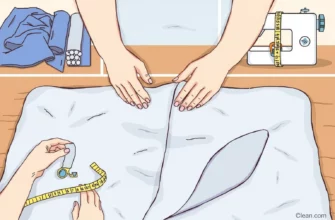
The Messy Reality of a Weighted Blanket Losing Beads and Shifting Weights
Waking up to find thousands of tiny‚ sand-like grains scattered across your bedsheets is a frustrating experience that signals a failure in your blanket’s structural integrity. This common issue often transforms a therapeutic tool into a household nuisance‚ requiring immediate attention to prevent further damage to your flooring or vacuum cleaner.
When a weighted blanket begins to leak‚ it is rarely a minor issue that resolves itself; rather‚ it indicates a breach in the internal containment system. Understanding the mechanics of how these blankets are constructed helps identify whether your purchase is salvageable or if it poses a genuine safety risk to your household.
Why Beads Shift or Leak on the Very First Use
The primary culprit behind leaking glass beads is almost always a manufacturing defect in the baffle-box stitching. High-quality blankets use a grid-like pattern of quilted pockets to keep the weight evenly distributed‚ but if the needle size used during production was too large‚ the resulting holes allow fine glass microbeads to slip through the fabric weave.
If you notice uneven weight distribution immediately after unboxing‚ the internal baffles may have already collapsed. This creates a “pooling” effect where the weight shifts to one side‚ rendering the blanket ineffective for deep pressure stimulation and potentially straining your joints by concentrating 15 to 20 pounds of pressure on a single limb.
Beyond the loss of therapeutic value‚ leaking glass beads pose a significant risk to pets and small children who may attempt to ingest the shiny‚ sand-like particles. These beads are often small enough to lodge in high-pile carpets‚ making them nearly impossible to remove completely and creating a slipping hazard on hardwood or tile floors.
Common Physical Side Effects: Why Your Weighted Blanket Makes You Sore or Nauseous
While the goal of heavy bedding is to induce calm‚ many users report a “weighted blanket hangover” characterized by morning stiffness or a lingering sense of motion sickness. These physiological responses occur when the external pressure exceeds the body’s ability to maintain natural movement and circulation during the various stages of sleep.
Excessive weight can inadvertently trigger the body’s fight-or-flight response instead of the intended parasympathetic activation. If you find yourself struggling to roll over or feeling pinned to the mattress‚ the blanket is likely disrupting your body’s natural nocturnal repositioning‚ leading to localized discomfort.
| Mistake | Physiological Impact | Recommended Fix |
|---|---|---|
| Ignoring the 10% Rule | High PSI (pounds per square inch) can compress the chest and restrict deep breathing. | Calculate 10% of your body weight and round down if you are between sizes. |
| Layering with Heavy Quilts | Creates an “insulation trap” that spikes core body temperature and causes nausea. | Use the weighted blanket as your primary layer with only a thin‚ breathable sheet. |
| Using for 8+ Hours Initially | Overstimulates the sensory system‚ leading to morning dizziness or “brain fog.” | Start with 20-minute sessions during the day to acclimate your nervous system. |
When Deep Pressure Becomes Too Heavy
The standard guideline for weighted bedding is 10% of the user’s total body weight‚ but this rule does not account for individual muscle density or pre-existing joint sensitivity. When a blanket is too heavy‚ it can cause numbness in the legs or a “pins and needles” sensation due to prolonged compression of the peripheral nerves.
Users prone to vertigo or inner ear issues may experience feeling dizzy after sleep because the heavy pressure can interfere with the vestibulocochlear system’s sense of spatial orientation. If the pressure is concentrated on the torso‚ it can also lead to a mild sensation of nausea or “heaviness” in the stomach that persists long after the blanket is removed.
Waking up with muscle soreness from heavy bedding is a clear indicator that your body is fighting against the weight during the night. Instead of the muscles relaxing into the mattress‚ they remain in a state of semi-contraction to stabilize the joints against the downward force‚ resulting in a feeling similar to the delayed onset muscle soreness (DOMS) experienced after a workout.
Critical Safety Warnings: Asphyxiation and Risks for Vulnerable Users
Weighted blankets are specialized therapeutic tools‚ not standard household linens‚ and they carry severe risks of accidental suffocation when used by individuals who cannot independently remove the weight. The density of these products means that even a “light” 5-pound blanket can be lethal to a small organism or an infant with limited motor skills.
Safety must always take precedence over the perceived benefits of better sleep‚ especially in multi-generational homes or households with adventurous pets. Never leave a weighted blanket unattended in a common area where a toddler or a cat might crawl underneath the folds and become trapped.
Why Weighted Blankets Are Not Safe for Small Children and Pets
The most tragic safety failures involve infant asphyxiation risks‚ which occur when the weight of the blanket compresses the ribcage and prevents the lungs from expanding fully. Infants lack the muscular development to overcome this respiratory restriction‚ leading to silent and rapid oxygen deprivation.
Pet safety is equally critical‚ as cats and small dogs often view a heavy blanket as a burrowing opportunity. Because animals have a much lower body mass‚ a 15-pound blanket can exert enough force to crush delicate bones or cause internal organ distress if the animal gets tangled in the fabric while the owner is asleep.
For children with sensory processing disorders who seek proprioceptive input‚ safer alternatives include weighted vests or lap pads that provide localized pressure without the total-body entrapment risk. Always consult with an occupational therapist to determine the weighted blanket age limits and specific weight requirements for a child’s unique developmental stage.
Dermatological Issues: Rashes‚ Itchy Skin‚ and Dryness
While often overlooked‚ the interaction between the blanket’s fabric and your skin’s micro-climate can lead to significant dermatological distress. Because weighted blankets are denser than standard duvets‚ they naturally trap more body heat and moisture against the skin‚ which can exacerbate existing conditions or create new ones.
If you find yourself scratching your arms or legs after a night under the weight‚ the issue may not be the fill material itself‚ but the lack of breathability in the outer shell. Synthetic fabrics like polyester “minky” are popular for their softness but are notorious for preventing airflow‚ leading to a buildup of sweat and bacteria.
Heat Retention and Skin Irritation
The combination of pressure and heat can trigger skin irritation from blankets known as miliaria‚ or heat rash‚ where sweat ducts become blocked and inflamed. This is particularly common in users who use non-hypoallergenic covers made from low-grade synthetic fibers that do not wick moisture away from the body.
To mitigate these risks‚ look for blankets that utilize hypoallergenic glass microbeads rather than plastic poly-pellets‚ as glass conducts heat more efficiently and stays cooler to the touch. Pairing the blanket with a removable bamboo or long-staple cotton duvet cover can significantly improve air circulation and reduce the likelihood of waking up with itchy‚ dry skin.
Furthermore‚ the overheating at night caused by heavy bedding can lead to a rise in core body temperature‚ which is the opposite of what the body needs to enter deep‚ restorative REM sleep. If you have sensitive skin or suffer from eczema‚ always wash the outer cover in fragrance-free detergent to prevent the weight of the blanket from pressing chemical irritants deep into your pores.
When to Put the Blanket Away: Sickness and Pregnancy
There are specific life events and health conditions where the added weight of a therapeutic blanket becomes a physiological burden rather than a benefit. During periods of acute illness or late-stage pregnancy‚ the body’s primary focus is on oxygenation and temperature regulation—two functions that a heavy blanket can inadvertently hinder.
Listening to your body’s signals is vital; if the blanket suddenly feels “suffocating” or “claustrophobic” during a bout of the flu‚ it is your nervous system’s way of demanding more respiratory comfort and freedom of movement.
- Fever Management: If you are sleeping with a fever‚ remove the weighted blanket immediately to allow your body to shed heat and prevent a dangerous spike in core temperature.
- Respiratory Load: During a chest cold or bronchitis‚ the extra 15+ pounds on your chest can make it harder to clear fluid from the lungs and increase the work of breathing.
- Pregnancy Circulation: While pregnancy sleep safety varies by individual‚ many women find that the weight of the blanket in the third trimester can exacerbate swelling in the legs or interfere with blood flow when lying on the side.
- Mobility Challenges: If you are experiencing joint inflammation or a flare-up of a condition like rheumatoid arthritis‚ the weight can put unnecessary shear force on sensitive joints.
Using a Weighted Blanket While Sick or Pregnant
When you are fighting an infection‚ your body requires significant energy to maintain a stable internal environment. The extra weight is bad for fevers because it acts as a heavy-duty insulator‚ potentially leading to dehydration and heat exhaustion if you cannot easily kick the blanket off in the middle of the night.
For pregnant users‚ the primary concern is often circulatory considerations. As the baby grows‚ the pressure on the vena cava (the large vein that returns blood to the heart) is already a concern; adding a weighted blanket can increase the compression on the lower extremities‚ leading to increased edema or varicose vein discomfort. Always consult your obstetrician before continuing use into the second and third trimesters.
If you find that you absolutely need the sensory input to sleep while sick‚ consider folding the blanket and placing it only over your legs. This provides the proprioceptive input your nervous system craves without the respiratory load associated with full-body coverage.
Troubleshooting Why Your Weighted Blanket is Not Working or Damaging Your Mattress
For some users‚ a weighted blanket simply doesn’t provide the “calming” effect promised by marketing materials. This lack of response is often due to individual sensory preferences; some people find the sensation of being held comforting‚ while others experience it as a form of tactile defensiveness or claustrophobia.
Beyond the personal experience‚ there is the practical reality of how a 20-pound object affects your furniture. Most mattresses are designed to support human weight distributed across a large surface area‚ but concentrated weight from a heavy blanket can accelerate the degradation of foam layers over time.
| Issue | The “Why” | The Solution |
|---|---|---|
| Mattress Sagging | Persistent 20lb pressure in one spot breaks down the cellular structure of memory foam. | Rotate your mattress every 3 months and store the blanket flat when not in use. |
| Joint Strain | The “fall over challenge” (blanket sliding off the bed) yanks on your ankles or knees during the night. | Ensure your blanket is smaller than the mattress surface to prevent it from hanging over the edges. |
| No Calming Effect | The user may have a “low registration” sensory profile that requires movement rather than static pressure. | Switch to a weighted lap pad or a compression sheet for a different tactile experience. |
Structural Risks for Your Mattress and Your Joints
The mattress longevity can be significantly compromised if a heavy blanket is left in the same position day after day. This is particularly true for hybrid or all-foam mattresses‚ where the constant joint pressure from the blanket creates a permanent indentation‚ leading to a lack of support for your spine.
Another physical risk is the “fall over challenge‚” where the weight of the blanket causes it to slide off the side of the bed. If the blanket is tucked around your legs when this happens‚ the sudden gravitational pull can strain your hip and knee joints. To prevent this‚ never buy a weighted blanket that is larger than your mattress; it should rest entirely on the flat surface of the bed.
Finally‚ recognize that some people simply don’t respond to deep pressure therapy. If after two weeks of consistent use you still feel anxious or “trapped‚” your nervous system may be interpreting the pressure as a threat rather than a hug. In these cases‚ forcing the use of the blanket can lead to increased cortisol levels‚ defeating the purpose of the tool entirely.
Expert Perspective: Weighted Bedding Safety
In my professional experience as an occupational therapist‚ I have seen weighted blankets work wonders for sensory processing‚ but I always advise clients that these are clinical tools‚ not toys. I have found that the most common mistake is people choosing a blanket that is far too heavy because they think “more weight equals more calm.” In reality‚ excessive pressure can trigger a localized inflammatory response in the joints. I strongly recommend that anyone with compromised respiratory or circulatory systems avoid these products entirely‚ as the physiological cost of the weight often outweighs the psychological benefit of the pressure stimulation.
Frequently Asked Questions
Stop using it immediately and check the warranty for manufacturing defects. Leaking beads are a choking hazard for pets and can cause slipping on hard floors.
Can a weighted blanket cause nausea or dizziness?
Yes‚ if the blanket is too heavy‚ it can trigger a vestibulocochlear response or cause inner ear discomfort‚ leading to motion sickness or morning dizziness.
Why does my weighted blanket make me feel sore in the morning?
Excessive weight compresses your joints and limits natural movement during the night‚ leading to muscle stiffness and localized soreness from lack of repositioning.
Are weighted blankets safe to use during pregnancy?
Generally yes‚ but consult a doctor first as the extra weight can interfere with circulation or become uncomfortable during the third trimester.
Can a weighted blanket hurt my dog or cat?
Yes‚ small pets can suffocate under the weight if trapped‚ or suffer from toxicity and choking if they ingest leaking glass or plastic beads.
Why is my weighted blanket making me itchy?
It is likely due to heat retention causing sweat irritation or a dermatological reaction to synthetic fabrics like polyester minky covers.