- Understanding Why Quality Weighted Blankets Are Often Considered Expensive
- Are All Weighted Blankets the Same or Does Price Dictate Quality?
- The Evolution of Deep Pressure: Did Weighted Blankets Exist in the 70s and 80s?
- Tracing the Roots of Heavy Bedding from Clinics to Kickstarter
- Temperature Control: From Heated Tech to Breathable Summer Options
- Is There a Thing as a Summer Weighted Blanket That Wont Overheat?
- Institutional and Unusual Uses: Do Hospitals and Hotels Use Weighted Blankets?
- From Recovery Rooms to Prison Work Programs
- Navigating Brands and Avoiding Scams in the Weighted Blanket Market
- Spotting Red Flags: Is Dr. Hart’s Free Weighted Blanket a Scam?
- Safety and Serious Concerns: Addressing Risks and Misconceptions
- Understanding Weight Limits and Respiratory Safety
- Expert Perspective: Therapeutic Bedding Investments
- Frequently Asked Questions
Understanding Why Quality Weighted Blankets Are Often Considered Expensive
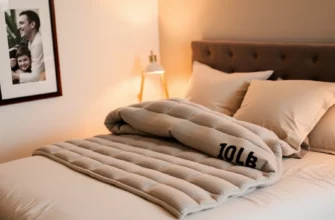
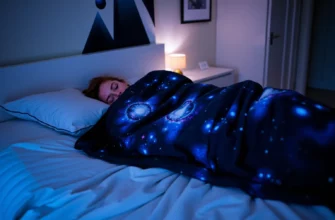
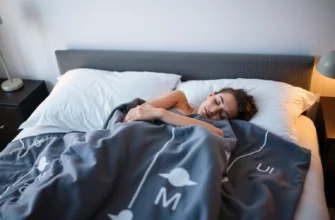
The price of a high-quality weighted blanket can often cause a moment of sticker shock for the uninitiated shopper. While a standard fleece throw might cost twenty dollars, a premium weighted version can easily reach ten times that amount due to the specialized engineering required to balance mass and comfort. This cost is primarily driven by the transition from simple bedding to a functional therapeutic tool designed for long-term durability.
When you invest in a premium brand like Haven, you are paying for the precision of the weight distribution. Cheaper alternatives often suffer from “pooling,” where the internal fill shifts to the corners, leaving the center of the blanket as nothing more than two thin layers of fabric. High-end construction uses smaller, reinforced pockets to ensure that the weight remains exactly where it is intended to stay—draped evenly over your body.
Are All Weighted Blankets the Same or Does Price Dictate Quality?
The short answer is no; the internal components vary wildly between budget-tier and professional-grade products. Most inexpensive blankets utilize plastic poly-pellets, which are bulky, hold onto body heat, and often make a distracting “bean bag” noise when you move. In contrast, premium blankets utilize high-density glass beads which are roughly the size of grains of sand. These beads provide the same weight in a much thinner profile, allowing the blanket to feel like a heavy quilt rather than a bulky mattress topper.
Fabric choice also plays a massive role in the final price point. A budget blanket typically uses synthetic polyester which lacks breathability, leading to night sweats. Quality construction involves long-staple cotton, bamboo-derived rayon, or specialized cooling fabrics that require more expensive weaving processes. Furthermore, the stitching must be significantly stronger; a standard sewing machine cannot handle the reinforced diamond-stitching patterns required to keep ten to twenty pounds of glass beads from leaking out over years of use.
The Evolution of Deep Pressure: Did Weighted Blankets Exist in the 70s and 80s?
While weighted blankets feel like a modern wellness trend born on social media, the science behind them has much deeper roots. For decades, the concept of Deep Pressure Stimulation (DPS) was a niche tool used almost exclusively by occupational therapists. You wouldn’t have found these at a local department store in 1985, but you certainly would have found them in clinical environments helping children with autism or sensory processing disorders.
The transition from a medical device to a household staple happened slowly. Early versions were often DIY projects—heavy quilts sewn by parents or therapists filled with dried beans or rice. It wasn’t until the late 2010s that the manufacturing technology caught up with the demand, allowing for a product that was both aesthetically pleasing for a bedroom and functionally effective for therapy.
Myth: Weighted blankets were a “fad” invented by a Kickstarter campaign in 2017.
Fact: The therapeutic use of weight dates back to the 1970s and 80s, where occupational therapists used “weighted vests” and heavy lap pads to help patients regulate their nervous systems. The 2017 “Gravity Blanket” campaign simply brought this existing clinical technology to the mainstream consumer market.
Tracing the Roots of Heavy Bedding from Clinics to Kickstarter
The clinical origins of these blankets are centered on the work of researchers like Temple Grandin, who discovered that firm, deep pressure could significantly reduce anxiety in both animals and humans. In the 80s and 90s, these “heavy blankets” were custom-made and incredibly expensive because they weren’t mass-produced. They were viewed as specialized equipment, similar to a wheelchair or a customized orthotic, rather than bedding.
The explosion of the Gravity weighted blanket on Kickstarter changed everything by proving there was a massive market of people struggling with insomnia and general anxiety. This success shifted the manufacturing focus from small-batch clinical production to large-scale factories. Today, we see the culmination of this history in products that combine decades of sensory research with modern textile engineering, making therapeutic relief accessible to anyone with a credit card.
Temperature Control: From Heated Tech to Breathable Summer Options
One of the most persistent complaints about heavy bedding is the heat. Traditional weighted blankets act as massive insulators, trapping body heat and making them unbearable for “hot sleepers” or during the summer months. However, the industry has branched into two distinct technological directions: active heating for those in cold climates and advanced moisture-wicking for those who need to stay cool.
Brands like Luxome have built their entire reputation on solving the “heat trap” problem. By utilizing materials that have high thermal conductivity, these blankets can actually pull heat away from the skin. On the flip side, heated weighted blankets have emerged as a hybrid luxury item, combining the soothing sensation of weight with the muscle-relaxing benefits of consistent warmth, though these require rigorous safety certifications to ensure the electrical components can handle the pressure of the weight.
| Feature | Summer/Cooling Blankets | Heated Weighted Blankets |
|---|---|---|
| Primary Material | Bamboo, Tencel, or Open-Weave Cotton | Micro-plush or Faux Fur with internal coils |
| Best For | Night sweats and humid climates | Chronic pain and cold winter nights |
| Weight Fill | Glass beads (highly breathable) | Plastic or glass beads (insulating) |
| Maintenance | Usually machine washable | Spot clean only (due to wiring) |
Is There a Thing as a Summer Weighted Blanket That Wont Overheat?
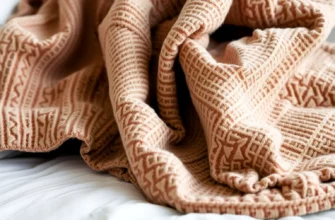
The idea that a heavy blanket must be hot is a misconception based on old polyester designs. Modern summer-specific weighted blankets utilize an “open-weave” construction. Instead of a solid piece of fabric filled with beads, these blankets are hand-knitted from massive loops of weighted yarn. This allows for maximum airflow, ensuring that your body heat escapes through the gaps while you still feel the comforting pressure of the heavy loops.
Furthermore, fabrics like Lyocell (often branded as Tencel) are naturally more absorbent than cotton and more breathable than silk. For a summer blanket to be effective, it must be moisture-wicking. If the fabric can move sweat away from your body and allow it to evaporate quickly, the weight of the blanket becomes irrelevant to your core temperature. This is why a $250 cooling blanket is often a better investment than a $50 budget version if you plan on using it year-round.
Institutional and Unusual Uses: Do Hospitals and Hotels Use Weighted Blankets?
The adoption of weighted blankets in professional settings has been slower than in the home, primarily due to hygiene and maintenance logistics. In a hospital setting, every piece of bedding must be capable of withstanding industrial-grade sterilization. Standard weighted blankets, with their intricate stitching and loose fill, are a nightmare for hospital laundry services. However, specialized medical versions with wipeable, antimicrobial covers are now finding their way into psychiatric wards and geriatric care units.
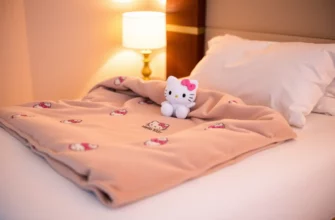
High-end hospitality is also taking note. Luxury hotels that market “sleep programs” have begun offering weighted blankets as an on-demand amenity. For a frequent traveler dealing with the anxiety of a new environment or jet lag, the grounding effect of a heavy blanket can be the difference between a restless night and productive sleep. This transition from “therapy tool” to “luxury amenity” further justifies the premium pricing seen in the consumer market.
From Recovery Rooms to Prison Work Programs
One of the most unique chapters in the history of these products is the South Dakota inmate program. In an effort to provide vocational training and give back to the community, inmates in South Dakota have been involved in sewing weighted blankets for veterans and children with special needs. This program highlights the therapeutic utility of the product while providing a social benefit, proving that the value of these blankets often extends beyond the physical material.
In clinical recovery rooms, weighted blankets are being used to help patients waking up from anesthesia. The “grounding” sensation helps reduce post-operative shivering and agitation. Because these institutional versions must be exceptionally durable and chemically resistant, they often cost significantly more than the versions sold on Amazon, further reinforcing the link between specialized use-cases and higher manufacturing costs.
Navigating Brands and Avoiding Scams in the Weighted Blanket Market
As the popularity of weighted bedding has soared, so has the number of low-quality manufacturers and questionable marketing tactics. Consumers are often caught between high-end, eco-conscious brands like Avocado and “too good to be true” offers found on social media. Understanding the difference between a genuine sale and a predatory marketing funnel is essential to protecting your investment.
Avocado, for example, justifies its price by using 100% GOTS-certified organic cotton and recycled glass beads. They focus on the elimination of toxic chemicals and “off-gassing,” which is common in cheaper blankets made with synthetic glues. When you buy from a brand with these certifications, you are paying for the peace of mind that you aren’t breathing in VOCs (Volatile Organic Compounds) while you sleep.
- The “Free” Blanket Trap: Be wary of offers like Dr; Hart’s “free” weighted blanket. These are often “free plus shipping” models where the shipping fee is $70-$90, which is actually the full retail price for a very low-quality product produced in bulk.
- Hidden Quality Issues: Many blankets imported from China without third-party testing may use lead-contaminated glass or unwashed plastic pellets that carry a strong chemical odor.
- Review Manipulation: Always look for negative reviews that mention “leaking beads” or “bunched fill.” These are the two most common failure points that cheap brands try to hide with paid endorsements.
Spotting Red Flags: Is Dr. Hart’s Free Weighted Blanket a Scam?
When a product that usually costs $150 is offered for “free,” you have to ask where the profit is coming from. In the case of Dr. Hart’s and similar offers, the “scam” isn’t necessarily that you won’t receive a product; it’s that the product you receive is of such poor quality that it doesn’t function as intended. These blankets often have large 6×6 inch pockets that allow the weight to shift, rendering the Deep Pressure Stimulation ineffective.
To avoid these pitfalls, always check for a physical business address and a clear return policy. A legitimate company will offer at least a 30-day sleep trial because they know it takes time for the nervous system to adjust to the weight. If a company hides behind a “no returns on sale items” policy while running a perpetual sale, it is a significant red flag that their product does not stand up to long-term use.
Safety and Serious Concerns: Addressing Risks and Misconceptions
Safety is the most critical factor to consider, yet it is often the most overlooked in marketing materials. While weighted blankets are overwhelmingly safe for healthy adults, they are not a “one size fits all” solution. There are specific physical conditions where the added pressure of a heavy blanket can be dangerous or even fatal if used incorrectly.
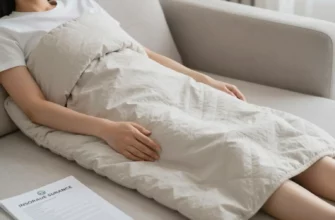
The primary safety rule is the 10% body weight guideline. A blanket that is too heavy can cause physical fatigue or, in extreme cases, restrict blood flow to the extremities. For an adult, this is rarely an issue, but for children or the elderly, the risk is much higher. You must always ensure the user has the physical strength to remove the blanket themselves without assistance.
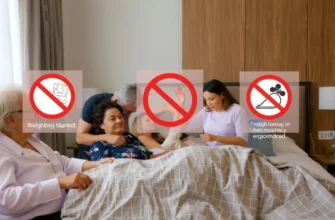
- Never use a weighted blanket for infants: There is a significant risk of SIDS or suffocation. A baby does not have the motor skills to move a heavy object if it covers their face.
- Respiratory Warnings: Individuals with sleep apnea, asthma, or COPD should consult a doctor before use. The extra weight on the chest cavity can make it harder to take deep breaths during the night.
- Mobility Issues: If someone has severe arthritis or muscle weakness, a 20-pound blanket can effectively “trap” them in one position, leading to pressure sores or joint pain.
Understanding Weight Limits and Respiratory Safety
The question of “how many people have died” from weighted blankets is a heavy one. While there have been tragic, isolated incidents, they almost exclusively involve misuse, such as using an adult-sized blanket on a toddler or using the blanket as a restraint device in a clinical setting without supervision. These accidents are not an indictment of the product itself, but a reminder of the importance of following weight limits.
To ensure proper usage and respiratory safety, always place the blanket so it stops at the shoulders; it should never be pulled up over the head. If you find yourself waking up with a “heavy” feeling in your lungs or shortness of breath, the blanket is likely too heavy for your frame. Switching to a lower weight or a blanket with better weight distribution (smaller pockets) can usually resolve these issues while still providing the benefits of deep pressure.
Expert Perspective: Therapeutic Bedding Investments
In my professional experience as a sleep consultant, I often tell clients to view a weighted blanket as a long-term health investment rather than a piece of decor. If you spend $200 on a blanket that lasts five years and improves your sleep quality by even 10%, you are paying less than eleven cents per night for better mental health. I always advise looking for high-density glass beads and OEKO-TEX certified fabrics. The “expensive” tag is usually a reflection of the medical-grade materials required to ensure that the weight doesn’t shift and the fabric doesn’t trap heat, which are the two primary reasons people stop using cheaper versions after just one week.
Frequently Asked Questions
Yes, they have transitioned from a viral trend into a permanent staple of the sleep industry, with 2026 seeing a massive shift toward specialized cooling and organic models.
Is there a patent for a weighted blanket design?
While the general concept of a “heavy blanket” is public domain, many brands hold specific patents for pocket construction, bead-locking technology, and unique fabric weaves.
Can I find weighted blankets at Sport Chek or similar retailers?
Yes, many athletic retailers now stock weighted blankets as recovery tools for athletes to help lower cortisol levels and improve muscle relaxation after intense training.
Does Avocado make a weighted blanket?
Yes, Avocado offers a GOTS-certified organic cotton weighted blanket that uses glass beads and is specifically designed for those who want a non-toxic, eco-friendly sleep environment.
Are there any issues with weighted blankets made in China?
The main concerns are quality control and material transparency; it is vital to ensure any imported blanket has certifications like OEKO-TEX to guarantee it is free from harmful chemicals.
Do hotels use weighted blankets for guests?
A growing number of luxury wellness hotels and boutique properties offer them as part of a “sleep menu” to help guests overcome travel-related anxiety and insomnia.