- Why a Cotton Weighted Blanket is the Gold Standard for Sleep
- Natural Breathability vs. Synthetic Heat Retention
- Knitted Nappers vs. Quilted Designs: Which Texture Suits You?
- The Rise of the Cotton Knitted Weighted Blanket
- Classic Quilted Construction and 7-Layer Technology
- Direct Comparison: Baloo Living‚ Bare Home‚ and Quility
- Analyzing Brand Performance and Durability
- Bamboo or Cotton Weighted Blanket: The Hot Sleeper’s Dilemma
- The Benefits of Cotton-Filled Internal Layers
- Sizing and Weight Guide: From 12lb Throws to 18lb Bedding
- Is the 18lb Beautyrest Deluxe Quilted Right for You?
- Aesthetic Integration: Navy Blue‚ Plaid‚ and Black Cotton Styles
- Choosing Patterns: From Red Plaid to Sleek Black
- Maintenance and Longevity: The Removable Cover Advantage
- Washing Your Cotton Weighted Blanket Safely
- Frequently Asked Questions
Why a Cotton Weighted Blanket is the Gold Standard for Sleep
Finding the perfect balance between comfort and therapeutic utility often leads sleep seekers to the natural world. While early iterations of weighted bedding relied heavily on synthetic microfibers‚ the modern preference has shifted decisively toward cotton for its structural integrity and thermoregulation properties.
The core mechanism behind these blankets is deep pressure stimulation (DPS)‚ a tactile experience that mimics the sensation of being held or hugged. By applying gentle‚ even pressure across the body‚ these blankets encourage the endocrine system to shift from a sympathetic “fight or flight” state to a parasympathetic “rest and digest” state‚ effectively lowering cortisol levels while boosting serotonin production.
Natural Breathability vs. Synthetic Heat Retention
The primary drawback of many weighted products is the “sauna effect‚” where the weight of the blanket traps body heat against the skin. Synthetic polyester fibers are essentially plastic; they lack the porous structure required for air to circulate‚ which often leads to interrupted sleep cycles due to overheating.
Cotton fibers are naturally hollow‚ allowing for a high degree of moisture-wicking and airflow. When you choose a blanket made from high-quality organic cotton‚ you are investing in a material that manages the microclimate between your skin and the fabric. This ensures that even as the blanket provides the necessary weight for sensory grounding‚ it does not become a heat trap that triggers night sweats.
Knitted Nappers vs. Quilted Designs: Which Texture Suits You?
The market for weighted bedding has diverged into two distinct construction styles: the traditional quilted design and the modern hand-knitted aesthetic. Choosing between them is not merely a matter of visual preference; it fundamentally changes how the weight interacts with your pressure points and how much air can pass through the layers.
Quilted blankets rely on internal fillers‚ while knitted versions derive their weight from the sheer mass of the fabric itself. Understanding this distinction is critical for those with tactile sensitivities who may find the “shifting” sensation of internal beads distracting during the night.
The Rise of the Cotton Knitted Weighted Blanket
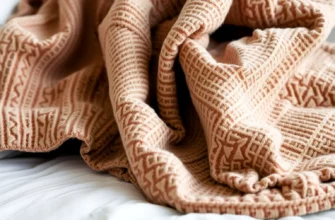
The knitted napper style has revolutionized the industry by eliminating the need for glass beads or plastic pellets entirely. These blankets are constructed from long tubes of cotton jersey filled with a dense cotton or polyester core‚ then hand-knitted into a chunky‚ oversized weave.
Because the weight is integrated into the yarn itself‚ there is zero risk of “bead bunching” or uneven distribution. The open-loop structure of a knitted design provides the maximum possible ventilation of any weighted product‚ making it the premier choice for individuals living in warmer climates or those who naturally run hot during the night.
Classic Quilted Construction and 7-Layer Technology
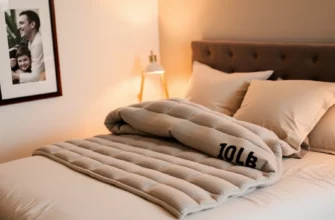
Quilted cotton blankets remain a staple because of their streamlined profile and precise weight control. High-end models‚ such as those from Amy Garden‚ often utilize a sophisticated 7-layer system designed to sandwich the weighted element between multiple protective barriers.
This construction typically includes two outer layers of long-staple cotton‚ two layers of polyester padding for cushioning‚ and two non-glue polyester layers to house the micro-glass beads. This multi-layered approach prevents the beads from leaking and ensures that the blanket feels soft to the touch rather than gritty or metallic‚ providing a more traditional bedding experience.
Direct Comparison: Baloo Living‚ Bare Home‚ and Quility
When selecting a premium blanket‚ three names frequently dominate the conversation. Each brand targets a specific demographic‚ from the eco-conscious minimalist to the value-driven shopper looking for a complete sleep system.
| Feature | Baloo Living | Bare Home | Quility |
|---|---|---|---|
| Primary Material | Vegetable-dyed Organic Cotton | Premium 100% Cotton Shell | 7-Layer Cotton & Microglass |
| Weight Mechanism | Glass Micro-beads | Non-toxic Glass Beads | High-density Glass Beads |
| Best For | Eco-luxury and Purity | Budget-conscious Quality | Sensory Processing Needs |
| Cover Included? | Sold Separately | No (Standard Sizes) | Yes (Removable Minky/Cotton) |
Analyzing Brand Performance and Durability
Baloo Living has carved a niche by focusing on the purity of materials‚ using chemical-free cotton that is softened without harsh industrial enzymes. Their blankets are often praised for their “quiet” performance‚ as the glass beads are sewn into smaller baffles that limit movement and noise during tossing and turning.
In contrast‚ Bare Home offers an accessible entry point into the world of weighted bedding. Their cotton shells are durable and designed for heavy use‚ though they lack some of the artisanal finishes found in Baloo. Quility remains a favorite for families‚ as their bundles often include a removable cover‚ making it easier to maintain hygiene for children or pets without needing to wash the entire heavy insert frequently.
Bamboo or Cotton Weighted Blanket: The Hot Sleeper’s Dilemma
The debate between bamboo and cotton often centers on “cooling” claims. While bamboo is frequently marketed as a cooling miracle‚ the reality is more nuanced and depends heavily on how you perceive temperature and moisture.
Bamboo viscose is exceptionally smooth and has a lower thermal mass‚ meaning it feels cool to the touch immediately. However‚ cotton is often superior at absorbing and releasing moisture over an eight-hour sleep period. For those who experience “clammy” heat rather than just “dry” heat‚ the structural breathability of cotton is often the more reliable long-term solution.
Myth: Bamboo blankets are always cooler than cotton blankets.
Fact: While bamboo feels cooler initially‚ cotton’s superior moisture-wicking ability prevents the buildup of humidity under the covers‚ which is often the true cause of nighttime overheating.
The Benefits of Cotton-Filled Internal Layers
Not all weighted blankets use polyester batting for cushioning. Premium versions utilize cotton fill for the internal layers as well. This creates a “monomaterial” product that behaves consistently under different temperatures.
A cotton-filled interior facilitates better vapor transmission than polyester. If you find yourself waking up damp‚ look for a blanket that specifies cotton padding rather than synthetic poly-fill. This small detail in the manufacturing process can significantly improve the quality of your REM cycles by stabilizing your core body temperature.
Sizing and Weight Guide: From 12lb Throws to 18lb Bedding
Selecting the wrong weight is the most common reason for user dissatisfaction. A blanket that is too light will fail to trigger the necessary proprioceptive response‚ while one that is too heavy can feel restrictive or even cause joint discomfort over time.
The industry standard is to select a blanket that is approximately 10% of your total body weight. However‚ this rule changes if you are purchasing a “throw” for the couch versus a blanket intended to cover an entire bed. For a throw‚ you can often go slightly lighter‚ as the weight is concentrated on a smaller surface area of the body.
Is the 18lb Beautyrest Deluxe Quilted Right for You?
The Beautyrest 18lb model is designed specifically for adults weighing between 160 and 200 pounds. Because Beautyrest uses a deluxe quilted pattern‚ the 18 pounds of pressure are distributed across a larger surface area‚ making it feel slightly less intense than a 15lb knitted napper.
If you are sharing a bed‚ do not buy one large weighted blanket for two people unless you both have similar weight requirements; It is almost always better to use two individual twin-sized weighted blankets to ensure each person receives the correct therapeutic pressure without the “tug-of-war” that occurs with heavy bedding.
Aesthetic Integration: Navy Blue‚ Plaid‚ and Black Cotton Styles
Weighted blankets are no longer strictly clinical tools found only in occupational therapy offices. Modern designs allow these functional pieces to serve as focal points in a well-curated bedroom or living space.
Deep tones like navy blue and charcoal black are popular because they hide the inevitable wear and tear that comes with a heavy-use item. Furthermore‚ darker colors in a cotton weave provide a sense of visual “weight” that complements the physical sensation of the blanket‚ creating a more immersive relaxation environment.
Choosing Patterns: From Red Plaid to Sleek Black
For those who prefer a traditional or rustic look‚ red plaid cotton weighted blankets offer a cozy‚ seasonal aesthetic. These are particularly popular during the winter months when the visual warmth of the pattern matches the physical comfort of the weight.
If your decor is more minimalist‚ a sleek black or slate grey cotton blanket provides a modern‚ high-tech appearance. When selecting a colored cotton blanket‚ ensure the fabric is reactive-dyed to prevent fading‚ as the friction caused by the internal weight can lead to premature color loss in lower-quality textiles.
Maintenance and Longevity: The Removable Cover Advantage
The lifespan of your weighted blanket depends entirely on how you handle the cleaning process. Because these items can weigh up to 25 pounds‚ they put significant strain on the suspension systems of residential washing machines. Repeatedly washing a heavy blanket at home can lead to costly appliance repairs.
This is where the removable duvet cover becomes indispensable. By protecting the weighted insert with a cotton cover‚ you can wash the outer layer weekly while only needing to clean the heavy interior once or twice a year. This preserves the integrity of the stitching and prevents the glass beads from potentially escaping into your machine’s drum.
- Do: Use a front-loading commercial washer for blankets over 15 pounds to protect your home’s top-loader agitator.
- Do: Use a mild‚ liquid detergent and avoid fabric softeners‚ which can coat cotton fibers and reduce breathability.
- Don’t: Use high heat in the dryer; excessive heat can damage the internal baffles or cause the cotton shell to shrink unevenly.
- Don’t: Hang a weighted blanket to dry‚ as the gravity will pull the filling to one side and permanently misshape the fabric.
Washing Your Cotton Weighted Blanket Safely
If you must wash the entire blanket‚ always check the care label for the “Class Cotton” designation. Some blankets use a blend that requires specific temperatures to maintain the “hand” or softness of the fabric.
For knitted nappers‚ washing is more straightforward but drying is more difficult. The thick cotton loops hold a tremendous amount of water. Always perform an extra spin cycle to extract as much moisture as possible before moving the blanket to the dryer. Tumble dry on the lowest possible setting with several clean tennis balls to keep the loops from matting together.
In my professional experience as a textile specialist‚ I have found that the specific staple length of the cotton used is the single most important factor in the longevity of a weighted blanket. I always advise clients to look for long-staple cotton‚ as it produces fewer “pills” and maintains its structural integrity under the constant friction of glass beads. For individuals with sensory processing disorders‚ the tactile grounding effect of natural cotton is superior to synthetics because it provides a consistent‚ predictable texture that doesn’t generate static electricity—a common but overlooked trigger for sensory sensitivity.
Frequently Asked Questions
Only if the blanket is under 12-15 pounds and your machine is a front-loader; standard home washers are not designed for the centrifugal force of heavy wet blankets. For heavier items‚ a laundromat or a removable cover is the safer choice.
What is the difference between a cotton napper and a quilted cotton blanket?
A cotton napper is made from thick‚ weighted yarn in an open-knit pattern‚ whereas a quilted blanket uses layers of fabric to hold glass beads or plastic pellets in place.
Is a cotton weighted blanket cool enough for summer?
Yes‚ especially the knitted variety. Cotton’s natural breathability and moisture-wicking properties make it far more suitable for summer use than polyester alternatives.
How do I choose the right weight for a cotton weighted blanket for an adult?
Follow the 10% of body weight rule. If you weigh 150 lbs‚ a 15 lb blanket is ideal. If you are between sizes‚ most experts recommend sizing up for a more “grounded” feel.
Do Baloo or Quility blankets come with a removable cover?
Quility blankets typically include a removable cover in the box‚ while Baloo Living sells their covers separately to allow for more customization in fabric and color.
Is a cotton or bamboo weighted blanket better for night sweats?
Cotton is generally better for night sweats because it can absorb up to 27 times its weight in water and remain breathable‚ whereas bamboo is better for someone who wants a “cool-to-the-touch” sensation without high humidity.